


Canva Unveils Canva AI 2.0 to Transform Design Workflows with Agentic Intelligence

Canva AI 2.0 design workflows transformation signals a major evolution in how individuals and businesses create content, as Canva introduces a fully AI-driven platform built to simplify and accelerate the entire creative process. This new release moves beyond traditional design tools, enabling users to generate, edit, and manage content through a conversational interface.
Canva AI 2.0 represents the company’s most significant product upgrade since its founding, introducing a new architecture powered by the proprietary Canva Design Model. This innovation allows users to move from an initial idea to fully developed, multi-format content using simple prompts, eliminating the need for complex manual workflows.
From Design Tool to AI-Powered Creative Platform
With Canva AI 2.0, the platform transitions from being a design tool enhanced by AI to a fully AI-native creative system. Instead of starting with templates or blank canvases, users can now begin with a concept or idea and build designs through natural conversation.
The platform’s conversational design interface enables users to describe their goals, and the AI generates complete, editable outputs with built-in structure, layout, and branding. This shift significantly reduces the time and effort required to create professional-quality content.
Agentic AI Driving End-to-End Workflows
A standout feature of Canva AI 2.0 is its agentic AI capability, which allows the system to execute complex tasks autonomously. Rather than simply assisting users, the platform orchestrates workflows across multiple tools to deliver finished outputs.
Users can request tasks such as creating a full marketing campaign, presentation, or social media content series. The AI then coordinates design elements, content generation, and formatting into a cohesive final product.
This approach transforms Canva into an end-to-end creative workspace where ideation, production, and execution happen seamlessly in one place.
Layered Object Intelligence for Precision Editing
Unlike traditional AI-generated designs that produce static images, Canva AI 2.0 creates fully layered and editable outputs. Each element—text, images, layouts—remains separate and customizable.
This “object-based intelligence” allows users to make precise changes without affecting the entire design. For example, adjusting a headline or swapping an image can be done instantly while preserving the overall structure.
This capability bridges the gap between automation and creative control, ensuring flexibility throughout the design process.
Persistent Memory for Personalized Design
Another key innovation is the Memory Library, which enables Canva AI 2.0 to learn from user behavior over time. The system remembers design preferences, brand guidelines, and past projects to deliver increasingly personalized outputs.
This ensures that every design remains consistent with brand identity, reducing the need for repetitive adjustments. As users continue to create, the platform becomes more aligned with their style and workflow.
New Intelligent Workflows for Productivity
Canva AI 2.0 introduces several integrated workflows that extend its capabilities beyond design:
-
Connectors: Integrates with tools like Slack, Google Drive, and Zoom to pull real-time data
-
Scheduling: Automates recurring design tasks and content creation
-
Web Research: Gathers and structures information directly into designs
-
Brand Intelligence: Applies brand guidelines automatically across projects
-
Sheets AI: Generates structured data and spreadsheets from prompts
-
Canva Code 2.0: Enables creation of interactive experiences and applications
These features position Canva as a comprehensive productivity platform, not just a design tool.
Simplifying Multi-Channel Content Creation
One of the most powerful capabilities of Canva AI 2.0 is its ability to generate multi-channel content from a single prompt. Users can create campaigns that include social media posts, presentations, documents, and more—all aligned with consistent branding.
This eliminates the need to design content separately for each platform, saving time and ensuring uniformity across channels.
Supporting Collaboration and Real-Time Editing
Collaboration remains a core strength of Canva, and AI 2.0 enhances this capability further. Teams can work together in real time, refine designs, and iterate quickly with AI assistance.
The platform maintains context throughout the creative process, allowing seamless transitions between automated generation and manual editing. This ensures that users remain in control while benefiting from AI-driven efficiency.
Driving the Future of AI-Powered Creativity
The launch of Canva AI 2.0 reflects a broader shift toward AI-native platforms that integrate creativity, productivity, and automation. As businesses and creators demand faster content production, tools that simplify workflows will become increasingly essential.
By combining conversational AI, intelligent workflows, and real-time collaboration, Canva is positioning itself at the forefront of this transformation.
Conclusion
Canva AI 2.0 represents a major leap forward in digital content creation. By transforming design workflows into an AI-driven, conversational experience, the platform empowers users to create faster, smarter, and more efficiently.
As the creative landscape continues to evolve, innovations like Canva AI 2.0 highlight the growing importance of intelligent systems that can bridge the gap between ideas and execution—reshaping how content is created in the modern digital era.
Explore MarTech News for the latest marketing trends, success stories, and expert insights to stay ahead in the industry.
Read related news - https://martech-news.com/vtex-drives-ai-in-ecommerce-innovation-and-digital-commerce/
Categorias
Leia mais
Introductie De vape-scene in Nederland verandert razendsnel. Loop door een drukke straat en je ziet meer mensen dan ooit met een vape. Gemak speelt een grote rol, en precies daar scoren wegwerp vapes hoog....
Reaching the right decision-makers in B2B marketing requires precision, not volume. Broad outreach and purchased data lists consistently produce low-quality leads that waste time and budget. Choosing the right content syndication platform helps marketers deliver content directly to verified, in-market buyers. Teams that rely on content syndication built on first-party data and human...

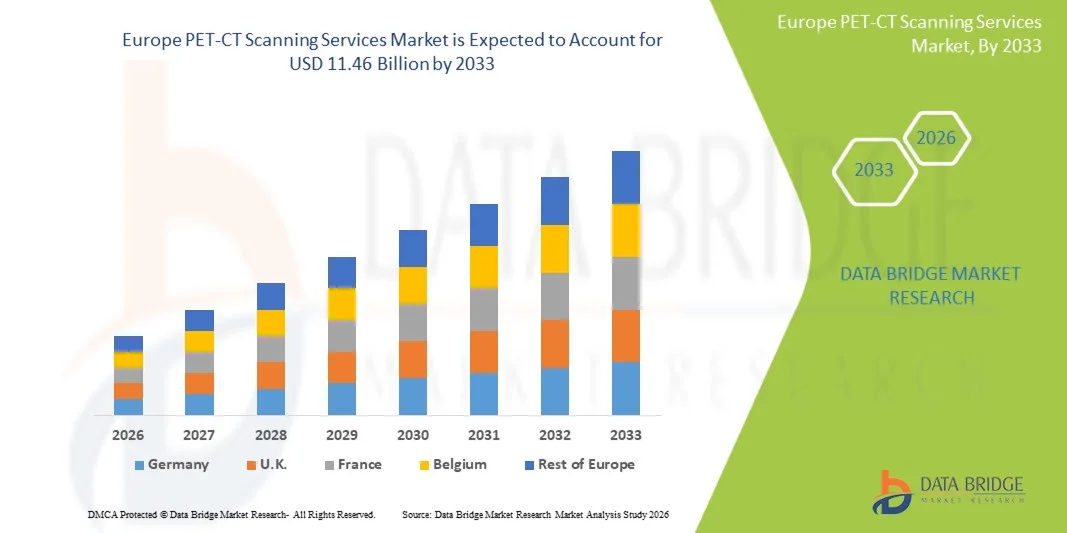
"Europe PET-CT Scanning Services Market Summary: According to the latest report published by Data Bridge Market Research, the Europe PET-CT Scanning Services Market The Europe PET-CT Scanning Services Market size was valued at USD 5.67 billion in 2025 and is expected to reach USD 11.46 billion by 2033, at a CAGR of 4.9% during the forecast period. All the...
The global infusion pumps market is witnessing significant growth as healthcare providers increasingly adopt advanced drug delivery systems to enhance patient care and treatment outcomes. Infusion pumps are medical devices designed to deliver fluids, medications, and nutrients into a patient's body in controlled amounts. These devices play a critical role in hospitals, ambulatory surgical...

Citislots possesses come forth as being an enjoyable identity inside on the web games earth, giving people any active and engaging position games experience. Designed citislots for each novices plus professional people, Citislots focuses on offering high-quality video game titles, simple efficiency, plus user-friendly attributes which will make on the web position amusement more pleasant plus...
