


How Antimicrobial Additives Are Reshaping the Global Materials Industry
Antimicrobial Additives: The Invisible Shield Transforming Modern Industries
In a world increasingly aware of hygiene, contamination, and microbial threats, antimicrobial additives have emerged as one of the most critical components in modern manufacturing. These chemical compounds are incorporated into a wide range of materials from plastics and textiles to coatings and packaging to inhibit or completely prevent the growth of bacteria, fungi, mold, and other harmful microorganisms. As industries strive for safer, more durable, and hygiene-conscious products, the demand for antimicrobial additives continues to reach new heights.
Understanding Antimicrobial Additives
Antimicrobial additives are substances blended into base materials during the manufacturing process to confer long-lasting protection against microbial contamination. Unlike surface disinfectants that offer temporary protection, antimicrobial additives work within the material itself providing continuous, built-in defense against microbial degradation throughout a product's entire lifecycle.
These additives can be broadly classified into two categories: inorganic and organic. Inorganic antimicrobial additives, which include silver ions, zinc oxide, and copper compounds, dominate the market with approximately 67% of the global share. Their popularity stems from exceptional durability, heat stability, and broad-spectrum efficacy against bacteria, viruses, and fungi. Organic antimicrobial additives, including quaternary ammonium compounds and phenolic compounds, are valued for their cost-effectiveness and compatibility with various polymer systems.
Market Growth and Industry Momentum
The Antimicrobial Additives Market is on a robust upward trajectory. According to a detailed report by Polaris Market Research, the global antimicrobial additives market was valued at USD 3.51 billion in 2024 and is projected to grow to USD 7.96 billion by 2034, registering a compound annual growth rate (CAGR) of 8.5% over the forecast period from 2025 to 2034. This strong growth is a testament to the expanding role that antimicrobial solutions play across virtually every manufacturing sector.
Asia Pacific leads the global market, commanding over 40.9% of the total market share in 2024. The region's dominance is driven by rapid urbanization, robust growth in the automotive and construction industries, and strong government investments in healthcare infrastructure across countries like China, Japan, and India. Meanwhile, North America is poised to record the highest CAGR through 2034, largely due to the rising prevalence of hospital-acquired infections (HAIs) and healthcare-associated infections (HCAIs).
𝐄𝐱𝐩𝐥𝐨𝐫𝐞 𝐓𝐡𝐞 𝐂𝐨𝐦𝐩𝐥𝐞𝐭𝐞 𝐂𝐨𝐦𝐩𝐫𝐞𝐡𝐞𝐧𝐬𝐢𝐯𝐞 𝐑𝐞𝐩𝐨𝐫𝐭 𝐇𝐞𝐫𝐞:
https://www.polarismarketresearch.com/industry-analysis/antimicrobial-additives-market
Key Applications Across Industries
Plastics remain the largest application segment for antimicrobial additives, accounting for over 37% of the global market share in 2024. These additives are routinely incorporated into medical devices, sports equipment, household goods, and consumer electronics to prevent bacterial and fungal growth. High-traffic environments such as hospitals, airports, and schools are particularly reliant on antimicrobial plastic products to maintain hygiene standards.
Beyond plastics, antimicrobial additives play a vital role in paints and coatings, pulp and paper, and food packaging. In the food and beverage sector, antimicrobial packaging solutions are specifically designed to inhibit microbial growth that causes spoilage, thereby extending product shelf life and ensuring compliance with increasingly stringent food safety regulations. In the construction sector, which holds approximately 29.3% of end-use demand, antimicrobial additives are incorporated into building materials to prevent mold growth in walls, floors, and other structural elements, making them especially valuable for humid climates.
Technological Innovation Driving Adoption
Rapid technological advancement is a key force accelerating the adoption of antimicrobial additives. Silver ion technology remains the most widely used approach due to its proven broad-spectrum performance across diverse materials. However, the industry is evolving: in 2025, BASF introduced advanced antimicrobial polymer additives capable of eliminating bacteria in plastic materials used in healthcare equipment, while Clariant launched a line of antimicrobial masterbatch solutions compatible with more than 15 different polymer types.
The trend toward eco-friendly and sustainable solutions is also reshaping the landscape. Manufacturers are actively moving away from materials like triclosan, arsenic, and tin-based compounds which have raised environmental and toxicological concerns toward greener alternatives such as silver zeolite, copper chitosan systems, and nature-inspired odor control technologies. This shift ensures that innovation in antimicrobial additives aligns with tightening global regulatory frameworks set by bodies like the U.S. Environmental Protection Agency (EPA) and the European Union.
The Road Ahead for Antimicrobial Additives
The future of the antimicrobial additives market is defined by expanding opportunity. As disposable incomes rise, lifestyles evolve, and health-consciousness grows worldwide, demand for products embedded with antimicrobial protection will continue to surge. New product launches, mergers and acquisitions among major players, and strategic expansions into developing markets in Africa, Latin America, and Southeast Asia are expected to fuel sustained market development throughout 2025–2034.
For manufacturers, formulators, and end-use industries, integrating antimicrobial additives is no longer just a product differentiation strategy it is becoming an essential standard. Whether in medical-grade plastics, antimicrobial textiles, or self-sanitizing surfaces in public infrastructure, these compounds are increasingly fundamental to the safety, durability, and commercial success of modern materials.
More Trending Latest Reports By Polaris Market Research:
Atmospheric Resource Extraction Market
Categorie
Leggi tutto
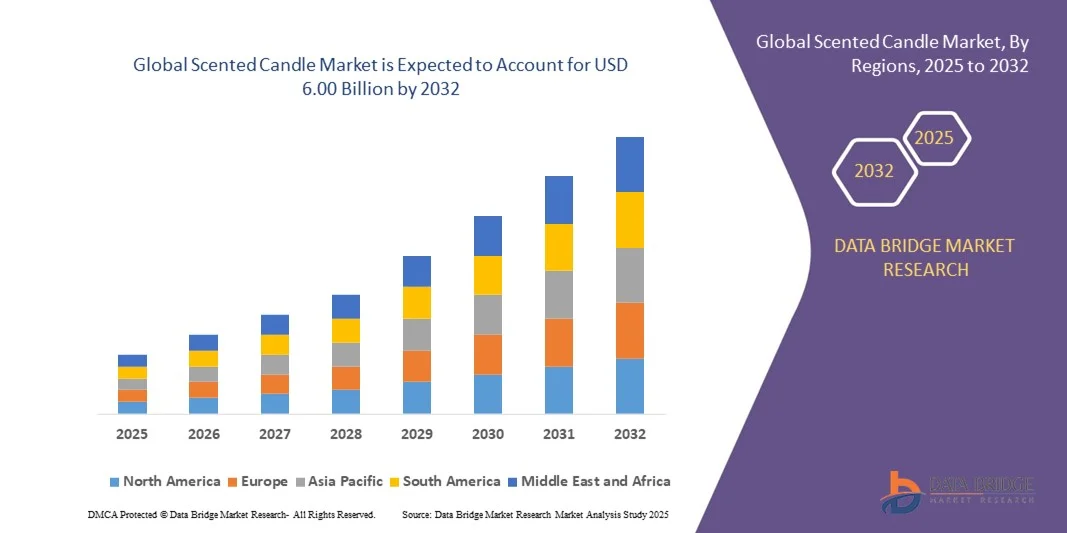
The Scented Candle Market has grown rapidly, evolving from a simple home décor item to a premium lifestyle and wellness product. Increasing consumer inclination toward aromatherapy, ambiance enhancement, stress relief, and luxury home fragrances is driving global demand. Modern scented candles combine fragrance, aesthetics, and therapeutic benefits, making them a...
The health and wellness industry is evolving rapidly, and more people are turning toward natural supplements to support digestion, metabolism, and overall well-being. One such trending product gaining attention is PrimeBiome. If you are searching for reliable information before making a purchase, this detailed guide will help you understand everything about ordering from the PrimeBiome official...
Las Vegas doesn't do anything halfway — and when it comes to pool parties, the bar is set sky-high. But when Benny Benassi steps behind the decks at one of the city's premier Palm Tree Beach Clubs, you're not just attending a party. You're walking into a moment. Whether you're a first-timer figuring out how to score tickets or a seasoned Strip veteran looking for an edge, this guide has...

Global Wastewater Treatment Services Market research report by Emergen Research offers strategic insights into the Wastewater Treatment Services market business sphere and in-depth analysis of the industrial chain analysis, value chain analysis, upstream raw materials, investment strategies, regional expansions, and competitive landscape. For stakeholders, field marketing...

Anti-venom therapies neutralize snake, spider, and scorpion venoms through polyclonal immunoglobulin fragments administered intravenously saving over 100,000 lives annually from envenomation. The global anti-venom market size was valued at USD 1.28 billion in 2024 and is projected to grow from USD 1.38 billion in 2025 to reach USD 2.57 billion by 2033, growing at a CAGR of 8.9% during...