


SPARK Matrix™: Connected Frontline Workforce Platform – Redefining Frontline Productivity and Innovation
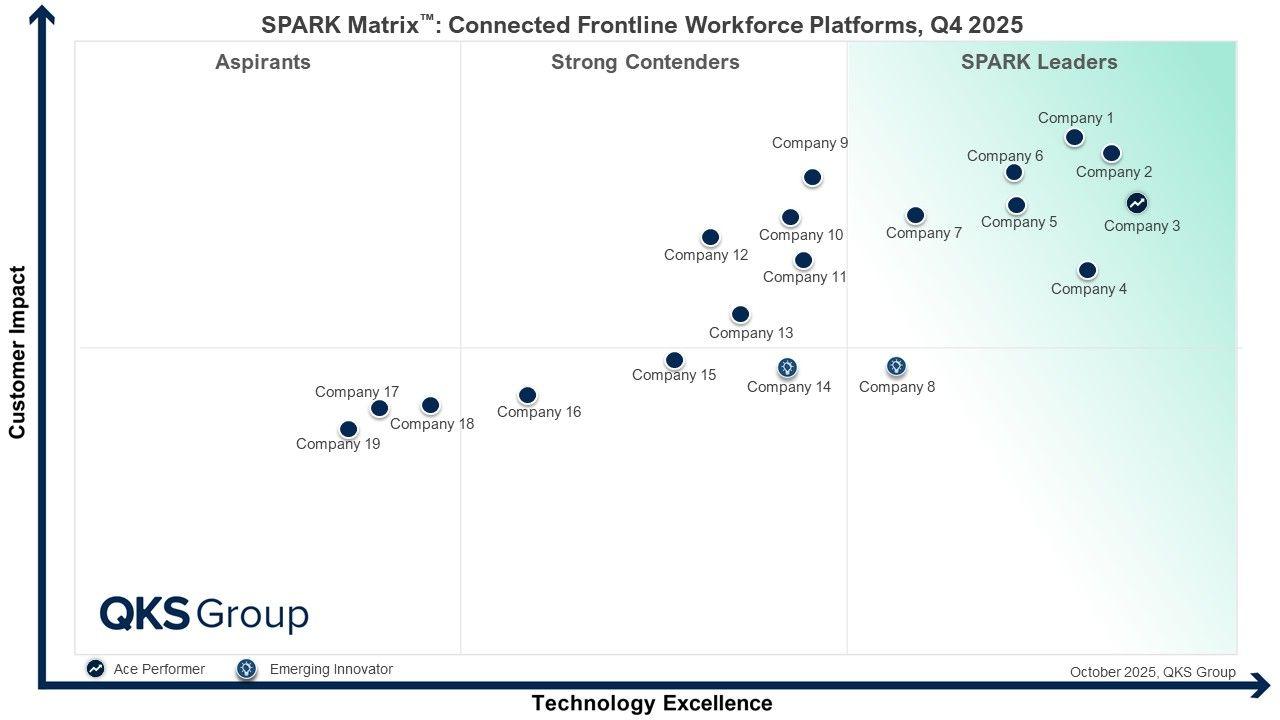
In today’s rapidly evolving digital economy, organizations are increasingly recognizing the strategic importance of empowering frontline workers—the individuals who operate on the ground, interact directly with assets, and ensure that day-to-day operations run smoothly. QKS Group’s latest research on the Connected Frontline Workforce platform market provides a comprehensive and forward-looking analysis of how emerging technologies are reshaping this critical segment of the workforce.
The study delivers a holistic view of the global landscape, highlighting key market trends, technological advancements, and future growth opportunities. It serves as a valuable resource for technology vendors aiming to refine their strategies, as well as for enterprises seeking to evaluate vendor capabilities and make informed investment decisions.
The Rise of the Connected Frontline Workforce
The modern frontline workforce is no longer confined to manual processes and paper-based workflows. With the rapid adoption of digital technologies such as mobile platforms, wearable devices, IoT-enabled tools, and AI-driven applications, organizations are transforming how frontline tasks are executed. These innovations are driving the evolution of the Connected Frontline Workforce platform market, enabling real-time communication, enhanced visibility, and data-driven decision-making.
Industries such as manufacturing, healthcare, logistics, and energy are at the forefront of this transformation. In manufacturing, for instance, connected platforms are streamlining production workflows and reducing downtime through predictive maintenance. In healthcare, they are improving patient care by enabling seamless communication between staff. Similarly, logistics and energy sectors are leveraging these platforms to optimize field operations and enhance safety compliance.
Key Market Drivers and Trends
One of the primary drivers of the market is the growing demand for operational efficiency. Organizations are under constant pressure to do more with less—improving productivity while minimizing costs. Connected frontline workforce platforms address this need by digitizing workflows, automating repetitive tasks, and providing actionable insights in real time.
Another significant trend is the increasing emphasis on workforce digitization. As enterprises move toward Industry 4.0, the integration of frontline workers into the digital ecosystem has become essential. Technologies such as augmented reality (AR) for remote expert assistance, digital work instructions, and hands-free access through wearables are gaining traction.
Moreover, seamless integration with enterprise systems like ERP and asset management platforms is becoming a critical requirement. This interoperability ensures that frontline operations are aligned with broader business objectives, enabling organizations to achieve end-to-end visibility and control.
SPARK Matrix™: Competitive Benchmarking and Vendor Insights
A key highlight of QKS Group’s research is the proprietary SPARK Matrix™ analysis, which provides a detailed evaluation of leading vendors in the market. The matrix ranks and positions vendors based on their technological excellence and customer impact, offering a clear picture of the competitive landscape.
The study includes a diverse set of vendors driving innovation in the space, including Aatmunn, augment IT, Axonify, Beekeeper, CAI Software, Dozuki, Honeywell, Innovapptive, L2L, Librestream, Poka, QAD, SafetyCulture, SymphonyAI, TeamViewer, Tulip Interfaces, Webalo, Workerbase, and Zaptic. Each of these vendors brings unique capabilities to the table, ranging from advanced analytics and AI-driven insights to intuitive user interfaces and robust integration frameworks.
By leveraging the SPARK Matrix™, Connected Frontline Workforce platform market organizations can assess vendor strengths, identify differentiation factors, and select solutions that align with their specific operational requirements.
Enhancing Productivity, Safety, and Compliance
One of the most compelling benefits of connected frontline workforce platforms is their ability to enhance productivity. By providing workers with instant access to information, step-by-step digital instructions, and real-time support, these platforms reduce errors and improve task efficiency.
Safety is another critical area where these solutions deliver significant value. Wearable devices and IoT sensors can monitor environmental conditions and worker health, enabling proactive risk management. In high-risk industries such as energy and manufacturing, this capability is particularly crucial.
Compliance is also streamlined through digital documentation and automated reporting. Organizations can ensure adherence to regulatory standards while maintaining accurate records of all frontline activities.
Challenges and Considerations
Despite the numerous benefits, the adoption of connected frontline workforce platforms is not without challenges. One of the key issues is the presence of fragmented systems. Many organizations operate with legacy infrastructure that may not بسهولة integrate with modern platforms, creating barriers to implementation.
Workforce readiness is another concern. Frontline workers may require training and support to effectively use new technologies, particularly in industries where digital adoption has traditionally been low. Additionally, data privacy and security risks must be carefully managed, especially when dealing with sensitive operational and employee information.
Future Outlook
Looking ahead, the Connected Frontline Workforce platform market is poised for significant growth. As organizations continue to prioritize digital transformation, the demand for solutions that empower frontline workers will only increase. Emerging technologies such as AI-driven analytics, advanced wearables, and edge computing are expected to further enhance the capabilities of these platforms.
The convergence of these technologies will lead to more intelligent, adaptive, and autonomous frontline operations. Organizations that invest in these solutions today will be better positioned to navigate future challenges and capitalize on new opportunities.
Conclusion
QKS Group’s research offers invaluable insights into the evolving dynamics of the Connected Frontline Workforce platform market. By combining in-depth market analysis with the SPARK Matrix™ evaluation, the study provides a comprehensive framework for understanding the competitive landscape and identifying growth opportunities.
As industries continue to embrace digital transformation, the role of the frontline workforce is becoming increasingly strategic. Connected platforms are not just tools—they are enablers of innovation, efficiency, and resilience. For organizations aiming to stay ahead in a competitive market, investing in these technologies is no longer optional—it is essential.
Categorias
Leia Mais
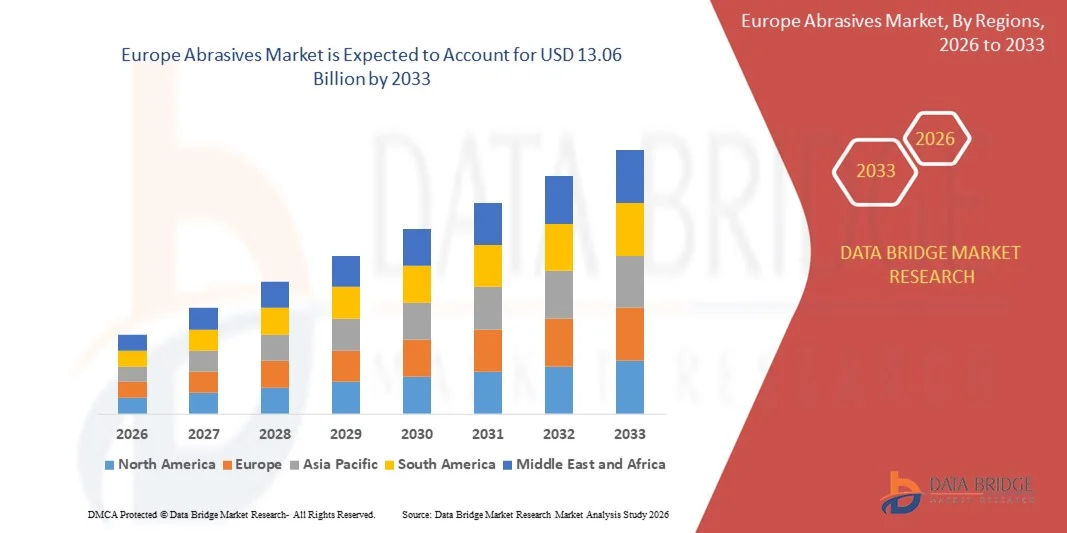
According to the latest report published by Data Bridge Market Research, the Europe Abrasives Market The Europe abrasives market size was valued at USD 8.51 billion in 2025 and is expected to reach USD 13.06 billion by 2033, at a CAGR of 5.50% during the forecast period The market growth is largely fuelled by the rising demand from industries such as...
Got a wearable device sitting in a desk drawer? Most people do. Tech moves fast, and your old model is probably just gathering dust. You should Sell Apple Watch Louisville to turn that unused gear into actual money. Prime Mobile provides a simple, secure way to Sell Your Devices that you no longer need. Our process is built to be fast, and honestly, user-friendly. You get...

At 2:00 a.m., a polypropylene line producing 35 tonnes per hour does not look fragile. The extruder is 25 metres long, the melt approaches 240°C, and the plant may be worth more than USD 1 billion. Yet the colour, molecular weight and saleability of every pellet can depend on less than 2 kilograms of stabilizer in each tonne. This is the role of Phosphite Esters: small-dose chemistry...

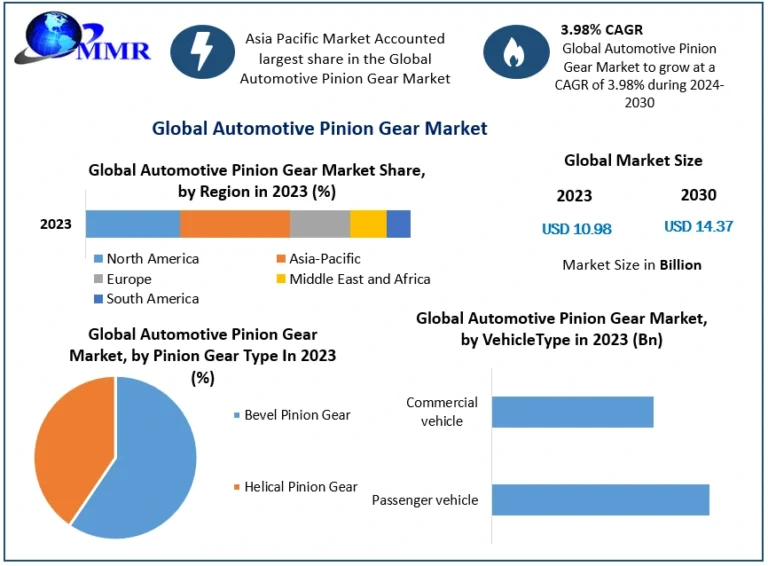
Market OverviewThe Automotive Pinion Gear Market is experiencing steady growth due to increasing vehicle production and the need for efficient power transmission systems. Pinion gears are critical components in differential assemblies, ensuring smooth torque transfer and enhanced vehicle performance. The market is projected to grow at a strong CAGR during the forecast period, driven by...
A cellophane wrapping machine is a specialized packaging device used in industries such as food, pharmaceuticals, cosmetics, and stationery to wrap products in a thin, transparent film. This type of machine offers multiple advantages, improving efficiency, product protection, and presentation. One of the primary advantages is enhanced efficiency and productivity. Cellophane wrapping...