AI-based Gas Analyzers Market to Reach USD 5.0 Billion by 2034 at 15.3% CAGR, Driven by Industrial Safety Demands, Biogas Monitoring Expansion, and Intelligent Sensor Technologies
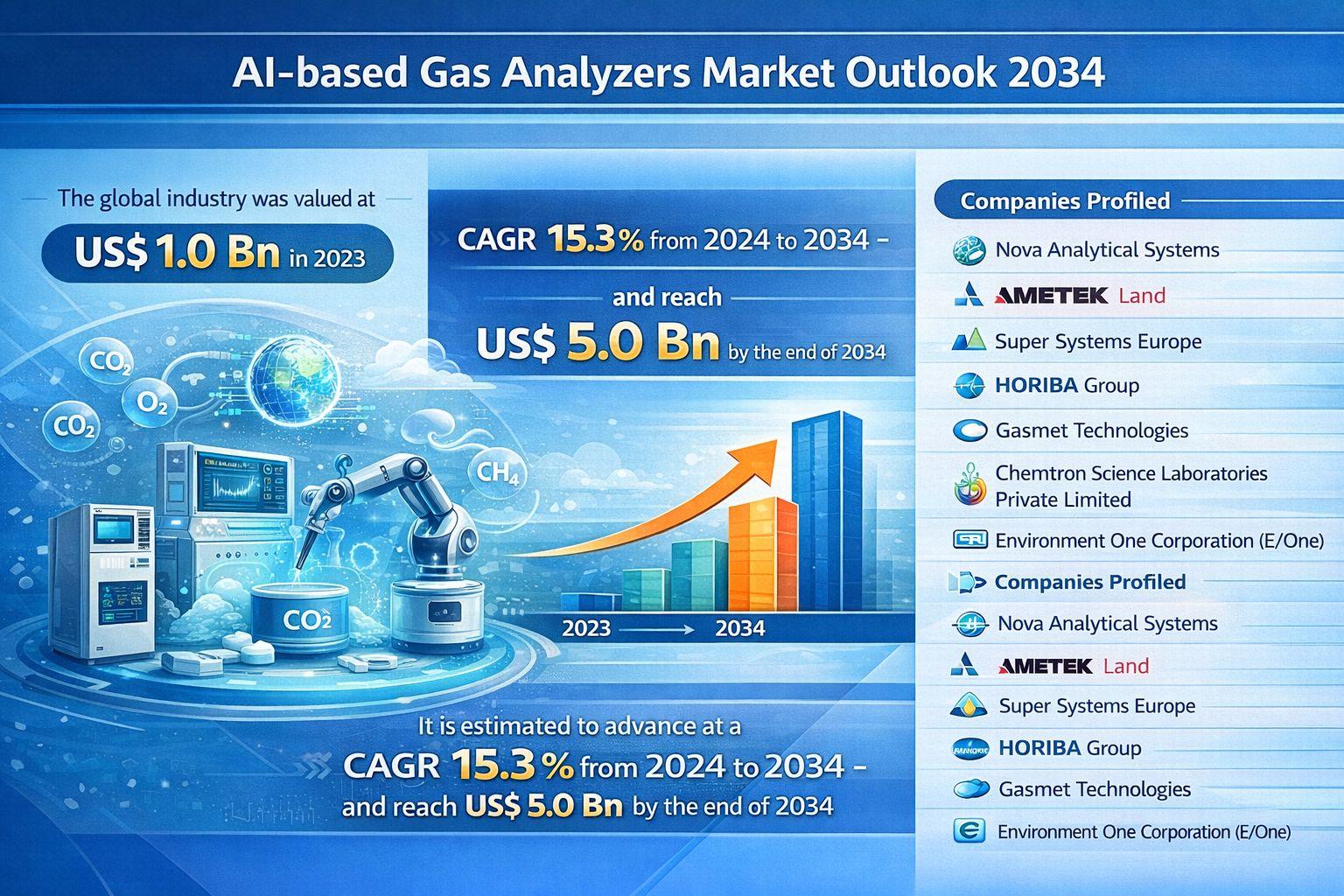
The global AI-based gas analyzers market is emerging as a critical component of modern industrial ecosystems, driven by the increasing need for real-time monitoring, predictive analytics, and enhanced workplace safety. Valued at US$ 1.0 Bn in 2023, the market is projected to grow at a robust CAGR of 15.3% from 2024 to 2034, reaching an estimated US$ 5.0 Bn by the end of 2034.
This strong growth trajectory is supported by rapid industrial automation, increasing investments in clean energy, and the integration of advanced artificial intelligence (AI) techniques such as artificial neural networks (ANNs), fuzzy logic (FL), and decision trees into gas detection systems.
Analyst Viewpoint
The AI-based gas analyzers market is witnessing accelerated momentum due to heightened awareness around workplace safety and environmental monitoring. Industrial sectors, especially chemicals, oil & gas, and manufacturing, are increasingly adopting AI-powered gas detection systems to prevent hazardous incidents.
AI technologies enable gas analyzers to interpret complex sensor data with high precision, offering superior detection capabilities compared to traditional systems. Additionally, the rise in AI adoption in biogas monitoring is transforming renewable energy operations by improving efficiency, predictive maintenance, and operational safety.
Another key trend shaping the market is the development of AI-integrated imaging systems that enhance leak detection capabilities in pipelines and industrial infrastructures, enabling real-time monitoring and rapid response.
Market Introduction
Artificial Intelligence has revolutionized gas analysis by enhancing the accuracy, selectivity, and responsiveness of gas detection systems. AI-based gas analyzers leverage machine learning algorithms to interpret sensor responses and identify specific gas compositions in real time.
These analyzers are capable of detecting a wide range of gas molecules and are widely used across multiple applications, including:
- Industrial gas leak detection
- Medical diagnostics
- Environmental monitoring
- Biogas and renewable energy systems
The integration of Gas Sensor Arrays (GSA) with AI algorithms enables these systems to analyze complex gas mixtures, making them indispensable in modern industrial operations.
Key Market Drivers
Surge in Focus on Workplace Safety in Industrial Sector
Rapid industrialization has significantly increased the risk of gas leaks and chemical exposure incidents. As industries become more automated and complex, the need for reliable and intelligent gas monitoring systems has intensified.
Gas leaks remain one of the most critical safety challenges in industrial environments. According to reports by environmental and safety organizations, numerous incidents involving hazardous chemical exposure have resulted in fatalities and injuries in recent years. These alarming statistics have prompted industries to invest in advanced safety technologies.
AI-based gas analyzers offer:
- Real-time monitoring and alerts
- High sensitivity and accuracy
- Predictive failure detection
- Reduced human intervention
The ability of AI systems to analyze patterns and predict potential hazards before they escalate is significantly boosting their adoption across industries.
Rise in Adoption of AI in Biogas Monitoring
The global shift toward renewable energy is another major driver of the AI-based gas analyzers market. With increasing energy consumption worldwide, governments and organizations are investing heavily in sustainable energy sources such as biogas.
AI plays a transformative role in biogas systems by enabling:
- Predictive maintenance of digesters
- Optimization of anaerobic digestion processes
- Improved gas yield and quality
- Enhanced operational efficiency
For instance, companies like Hitachi Zosen Inova have developed advanced AI-driven monitoring systems such as Digester Performance Monitoring (DPM AI), which enhances the efficiency of anaerobic digestion technologies.
Additionally, the growing number of biogas projects globally is creating significant demand for AI-powered gas analyzers. Increased investments in renewable energy infrastructure are expected to further accelerate market growth.
Technological Advancements Driving Innovation
Technological innovation is at the core of the AI-based gas analyzers market. Companies are focusing on developing next-generation sensors and analytical systems that combine AI with advanced materials.
One of the notable advancements includes the development of:
- DNA-functionalized graphene sensors
- Multiplexed gas detection systems
- AI-powered image convergence cameras
These technologies enable real-time gas discrimination and precise identification of chemical compositions, even in complex environments.
Moreover, AI-based systems can continuously learn and improve their performance, making them more reliable over time.
Regional Outlook
Asia Pacific Leads the Market
Asia Pacific dominated the AI-based gas analyzers market in 2023, driven by strong investments in the biogas and industrial sectors. Countries such as India and China are actively promoting renewable energy initiatives and industrial safety standards.
For example, the Indian biogas sector has witnessed substantial investment commitments, highlighting the region’s focus on sustainable energy solutions.
North America Shows Strong Growth Potential
North America is also a significant market, supported by the expansion of the oil & gas industry and the adoption of advanced monitoring technologies. The U.S., being one of the largest petroleum producers, requires sophisticated systems for infrastructure monitoring and environmental protection.
AI-based gas analyzers in this region are widely used for:
- Pipeline monitoring
- Leak detection
- Environmental compliance
- Industrial safety
Competitive Landscape and Key Players
The global AI-based gas analyzers market is highly competitive, with key players focusing on innovation, strategic partnerships, and product development.
Leading companies operating in the market include:
- Nova Analytical Systems
- AMETEK Land
- Super Systems Europe
- HORIBA Group
- Gasmet Technologies
- Chemtron Science Laboratories Private Limited
- Environment One Corporation (E/One)
These companies are investing in R&D to develop AI-integrated gas sensing technologies that offer higher efficiency and accuracy.
Key Developments
Recent strategic initiatives highlight the growing importance of AI in gas analysis:
- In 2023, ABB Ltd. partnered with Samsung Engineering to provide integrated gas analyzer systems in Saudi Arabia, strengthening their presence in the energy sector.
- In the same year, smartGAS showcased advanced gas analyzers at Sensor + Test in Nuremberg, designed for diverse industrial applications.
These developments underline the increasing focus on innovation and collaboration in the market.
Market Segmentation Overview
The AI-based gas analyzers market is segmented based on product type, application, and end-use industry:
By Product Type
- Fixed gas analyzers
- Portable gas analyzers
By Application
- Power generation
- Syngas/gasification
- Flue gas analysis
- Biogas monitoring
- Methane recovery
- Greenhouse gas detection
By End-use Industry
- Electronics & semiconductors
- Chemicals & petrochemicals
- Oil & gas
- Food processing
- Water & wastewater treatment
- Agriculture
- Automotive
Among these, the oil & gas and chemicals sectors are expected to remain dominant due to high safety requirements and regulatory compliance.
Future Outlook
The future of the AI-based gas analyzers market looks promising, with advancements in AI, sensor technologies, and data analytics continuing to reshape the industry.
Key trends expected to drive future growth include:
- Integration of IoT with AI-based gas analyzers
- Development of cloud-based monitoring systems
- Increased adoption in smart cities and environmental monitoring
- Expansion of renewable energy projects
As industries prioritize safety, efficiency, and sustainability, AI-based gas analyzers will play a crucial role in enabling smarter and safer operations.
Conclusion
The AI-based gas analyzers market is set for substantial expansion over the next decade, driven by technological innovation, regulatory pressures, and the global push toward sustainability. With a projected market value of US$ 5.0 Bn by 2034, the industry offers significant opportunities for stakeholders across the value chain.
The convergence of AI with gas sensing technologies is not only enhancing detection capabilities but also transforming how industries monitor and manage gaseous emissions. As adoption continues to grow across industrial and renewable energy sectors, AI-based gas analyzers will become an indispensable tool for ensuring safety, efficiency, and environmental compliance.
Κατηγορίες
Διαβάζω περισσότερα
In the world of jewelry design, technology plays a crucial role in improving creativity, precision, and productivity. One of the most advanced tools available today is MatrixGold. If you are planning to invest in this software, understanding the Matrix Gold software price is essential. This comprehensive guide by Software Deal will help you understand pricing, features, licensing, and whether...

"Animal Healthcare Market Summary: According to the latest report published by Data Bridge Market Research, the Animal Healthcare Market The global animal healthcare market size was valued at USD 174.88 billion in 2025 and is expected to reach USD 241.19 billion by 2033, at a CAGR of4.70% during the forecast period Animal Healthcare Market business report...

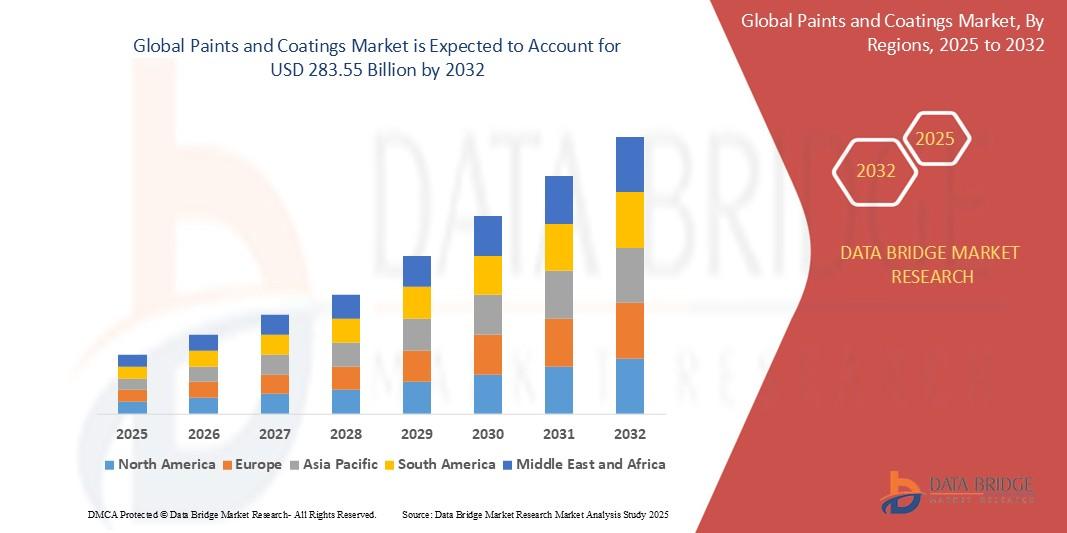
Key Drivers Impacting Executive Summary Paints and Coatings Market Size and Share CAGR Value The global paints and coatings market size was valued at USD 207.03 billion in 2024 and is expected to reach USD 283.55 billion by 2032, at a CAGR of 4.01 % during the forecast period A few of the most important objectives of the Paints and Coatings report...
The Commercial Avionics Systems market report provides an in-depth analysis of the global Commercial Avionics Systems market, comprising the overall market synopsis, classifications, applications, definitions, and industry chain structure. The report will offer significant insight while shedding light on the key players [Garmin Ltd., Rockwell Collins, Inc., Panasonic...

In modern industries, achieving a reliable and efficient vacuum system is essential for smooth operations. Vacuum systems play a crucial role in improving productivity and safety across industries such as chemical processing, power plants, and pharmaceutical production. This is where Vacuum Ejector Manufacturers provide advanced solutions tailored to diverse industrial requirements. Jet...