The Battle for the Wallet: Dissecting the Global Expense Management Software Market Share

The global competition to manage and automate corporate spending is an intense and evolving arena, and a close examination of the Expense Management Software Market Share reveals a fascinating story of a long-standing titan, agile cloud-native challengers, and a new wave of disruptive fintech platforms. Market share in this industry is a function of several key factors: brand recognition, depth of features (especially for enterprise clients), ease of use (especially for SMBs), and the power of the platform's ecosystem and integrations. While the market has a clear and dominant leader in the enterprise space, the overall landscape is fragmented, with a number of strong players successfully capturing significant share by focusing on different segments of the market or by offering a fundamentally different approach to the problem. The ongoing battle for market share is a dynamic contest between comprehensive, all-in-one travel and expense suites and more modern, user-friendly, and often card-centric spend management platforms, with the future of the market being shaped by this competitive tension.
For decades, the conversation around enterprise expense management has been dominated by one name: SAP Concur. This company holds the largest single share of the market, particularly among large, global enterprises. Its dominance is a result of its long history, its early leadership in the space, and its acquisition by the enterprise software giant SAP. Concur's market share strategy is built on offering a comprehensive, end-to-end platform that covers not just expenses, but also corporate travel booking and invoice management. This "all-in-one" value proposition is highly attractive to large companies looking to consolidate their spend management tools under a single vendor. Its deep and established integrations with major ERP systems, including its parent company's SAP ERP, make it the default choice for many of the world's largest corporations. While often criticized for having a less modern user interface compared to newer players, Concur's deep feature set, global capabilities, and massive installed base make it the formidable incumbent that all other vendors must compete against, especially at the high end of the market.
Challenging SAP Concur's dominance is a vibrant group of cloud-native and mobile-first competitors that have captured a significant share of the market, especially among small and medium-sized businesses (SMBs) and high-growth technology companies. Expensify is a prime example, having gained massive traction with its famous slogan "Expense reports that don't suck." Its market share was built on a relentless focus on the end-user experience, with a simple, mobile-first app that made it incredibly easy for employees to capture receipts and get reimbursed. Another major player is Emburse, a holding company that has grown rapidly by acquiring a portfolio of popular expense and AP automation solutions, including Certify and Chrome River, and integrating them to offer a broad suite of products for different market segments. These companies compete by being more agile, more user-friendly, and often more affordable than the large enterprise incumbents, winning over businesses that prioritize employee experience and rapid deployment over the all-encompassing, but more complex, features of a traditional enterprise suite.
A new and highly disruptive force reshaping the market share landscape is the rise of integrated spend management platforms like Brex, Ramp, and Divvy (now part of Bill). These fintech companies are not just selling software; they are offering a combined solution of corporate cards and expense management software. Their market share strategy is to completely eliminate the traditional expense report altogether. When an employee uses their Ramp or Brex corporate card, the transaction data flows into the software in real-time. The employee simply needs to attach a receipt (often prompted by a text message), and the expense is automatically categorized and reconciled. This "card-first" approach provides companies with unparalleled real-time visibility and control over their spending, as policies can be enforced at the moment of the swipe. By offering the corporate cards for free and monetizing through interchange fees, these companies have created a powerful and disruptive business model that is rapidly gaining market share, particularly among startups and modern, tech-forward companies, forcing the entire industry to rethink the relationship between software and payments.
Explore Our Latest Trending Reports:
Κατηγορίες
Διαβάζω περισσότερα
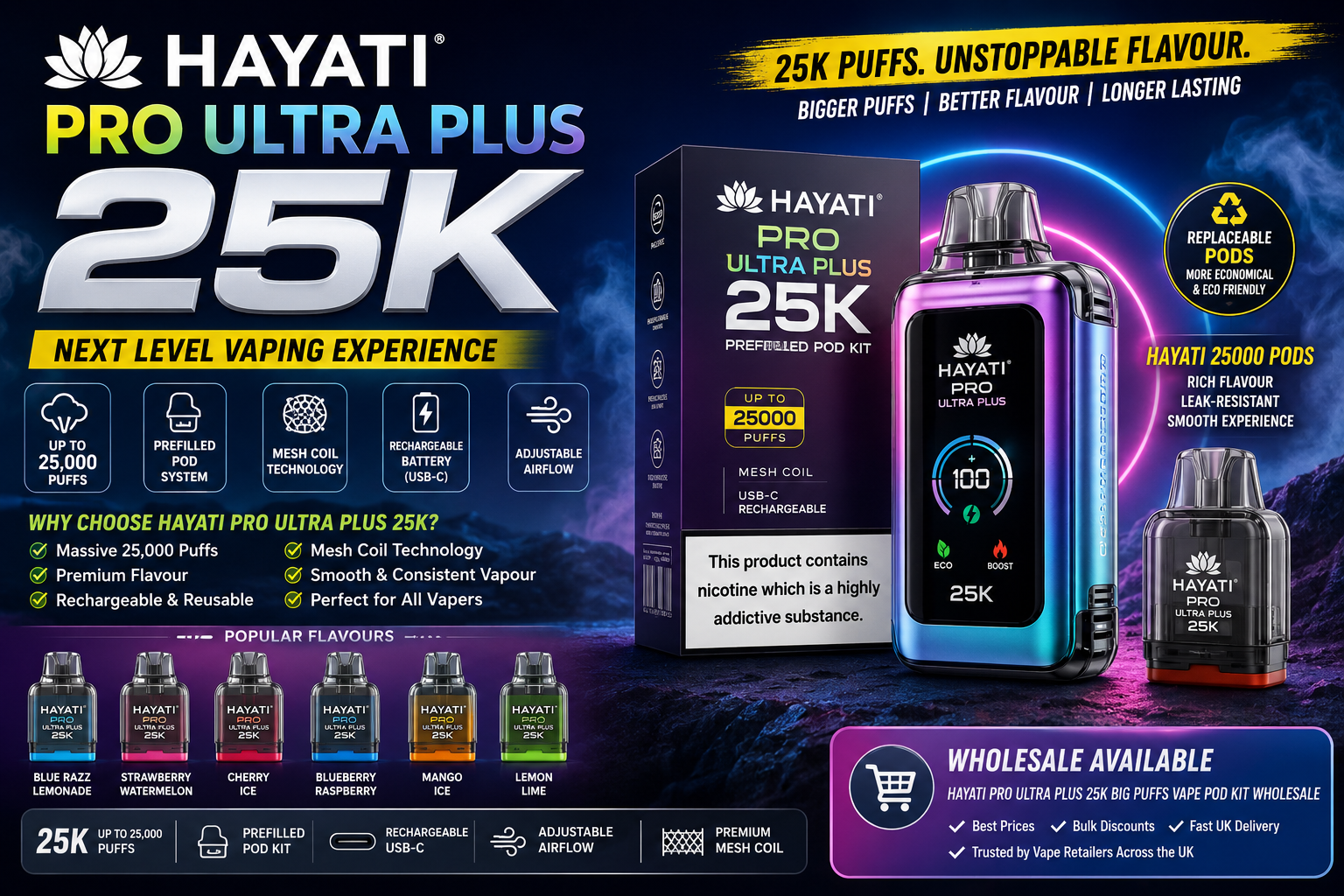
The UK vaping market is evolving rapidly, and one device that has captured significant attention is the Hayati Pro Ultra Plus 25K. Designed for vapers who want exceptional longevity, premium flavours, and advanced pod technology, this innovative vape has quickly become one of the most talked-about devices of 2026. Whether you're a regular vaper looking for a long-lasting alternative to...
The Digital Shift in Slot Gaming CultureSlot gaming culture has shifted significantly toward digital platforms, offering players greater Slot Gacor Vegas88 convenience and variety. Demo modes have become an essential feature, allowing users to explore games without financial risk. This transformation supports learning, entertainment, and accessibility, making slot gaming more appealing to a...

On-line port games happens to be one of several fastest-growing sections in the world-wide digital camera leisure sector. While using climb involving high-speed net, mobile phones, along with innovative games software package, on-line slot machine games get converted via straightforward mixing reels st situs slot raight into immersive along with interactive suffers from. Numerous avid...

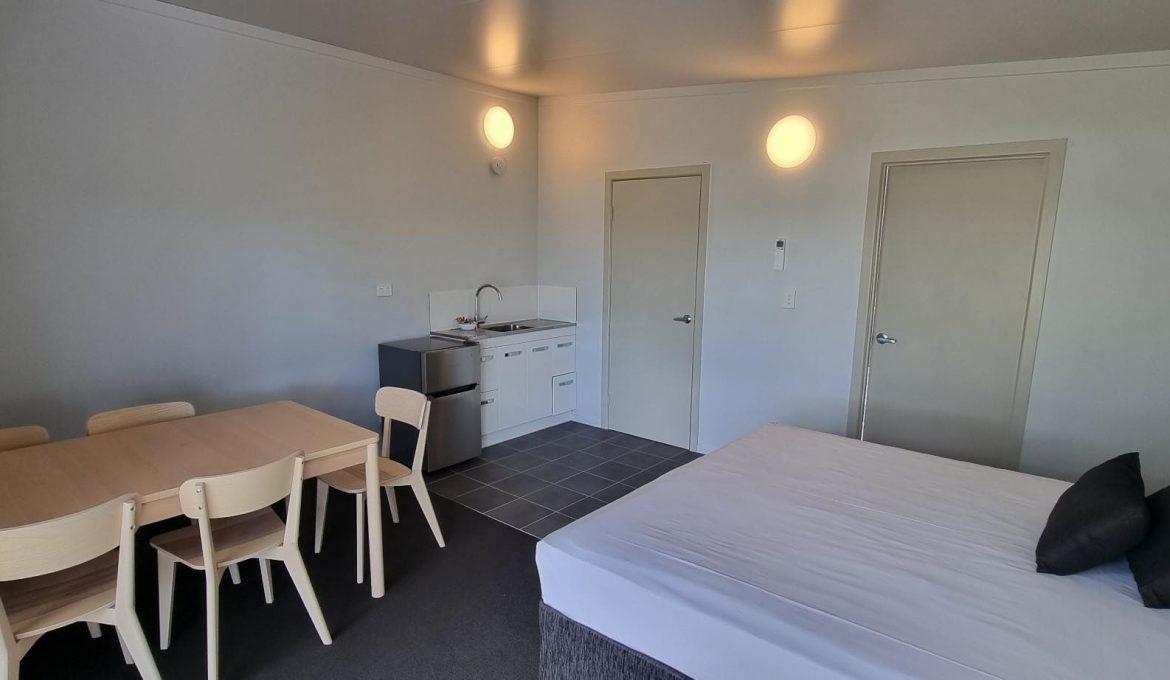
Finding the perfect place to relax near Kallangur can make your trip more enjoyable and stress-free. If you are searching for Resorts near Kallangur, choosing a stay that combines comfort, peaceful surroundings, and quality accommodations is important. Narangba Motel offers guests a welcoming experience with modern rooms, beautiful natural views, and a relaxing atmosphere that suits both...
Prostate health becomes increasingly important as men age. Many experience challenges such as frequent nighttime urination, weak urine flow, and bladder discomfort. These issues can affect sleep quality, daily energy, and overall confidence. Because of this, many men look for natural ways to support prostate function and urinary health. Protoflow is a dietary supplement designed to provide...