


The Dot on the Map: An Inside Look at the Global GPS Tracker Industry
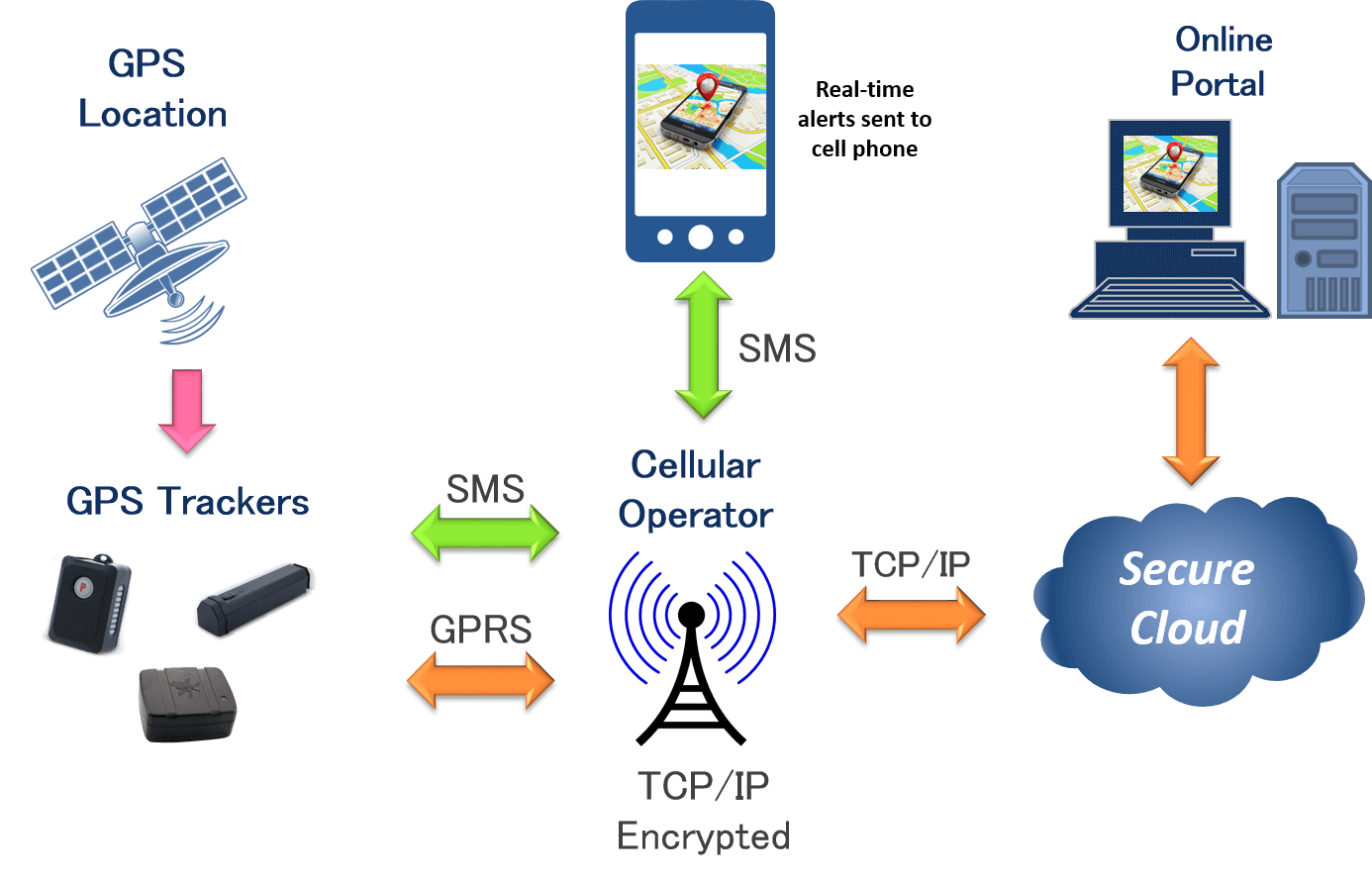
In an increasingly connected and mobile world, the ability to know the precise location of assets, vehicles, and individuals in real-time has become a powerful and indispensable capability. This is the domain of the vast and rapidly expanding GPS Tracker industry, a sector dedicated to providing the hardware and software that enables real-time location tracking and monitoring. A GPS tracker is a portable device that uses the Global Positioning System (GPS) to determine its exact location and then transmits that location data, via a cellular or satellite network, to a central server. This allows a user to view the tracker's current position and historical path on a map through a web browser or a mobile app. The applications are incredibly diverse, spanning from the management of large commercial vehicle fleets and the tracking of valuable cargo to the safety of lone workers and the monitoring of personal assets like cars and pets. As the costs of hardware and data connectivity have plummeted and as the demand for greater efficiency, security, and visibility has skyrocketed, the GPS tracker industry has evolved from a niche technology for high-value applications into a mainstream tool that is fundamentally changing how businesses manage their operations and how individuals protect their assets.
The core technology behind the GPS tracker industry is a combination of three key components. The first is the GPS receiver itself. The device contains a specialized chip that receives signals from a constellation of satellites orbiting the Earth. By calculating the time it takes for signals from at least four different satellites to reach the receiver, the device can triangulate its precise latitude, longitude, and altitude. The second critical component is the communication module. This is typically a cellular modem (using 2G, 3G, 4G, or now LTE-M/NB-IoT networks) that takes the location data from the GPS receiver and transmits it over the cellular network to a central server. For applications in remote areas with no cellular coverage, such as maritime or remote mining operations, the device may use a satellite communication module instead. The third component is the power source, which is usually a rechargeable battery. The size of the battery and the power consumption of the device are key design considerations, determining how long the tracker can operate between charges, a critical factor for many use cases. These three components—GPS, communications, and power—are packaged together in a ruggedized enclosure to form the physical tracking device.
The ecosystem of the GPS tracker industry is a multi-layered landscape of hardware manufacturers, connectivity providers, and software platform providers. The hardware manufacturers are the companies that design and build the physical tracking devices. This is a highly fragmented market with a vast number of manufacturers, primarily based in Asia, who produce a wide range of devices, from simple, low-cost vehicle trackers to sophisticated, feature-rich devices with multiple sensor inputs. The connectivity providers are the mobile network operators (like AT&T, Vodafone, etc.) and the specialized IoT MVNOs (Mobile Virtual Network Operators) who provide the SIM cards and the data plans that allow the trackers to communicate. The most visible part of the ecosystem for the end-user is the software platform provider. These are the companies that develop the cloud-based software platform that receives the data from the trackers, stores it, and presents it to the user through a web interface and mobile apps. This software is where the real value is created, providing the maps, alerts, reports, and analytics that turn raw location data into actionable business intelligence.
The applications of this technology are incredibly broad, but they can be generally categorized into commercial and consumer use cases. The commercial B2B segment is the largest part of the market and is dominated by fleet management. Logistics, transportation, and field service companies use GPS trackers to monitor their fleets of trucks, vans, and cars in real-time. This allows them to optimize routes, reduce fuel consumption, improve driver safety, and provide customers with accurate ETAs. Another major commercial application is asset tracking, which involves placing trackers on valuable mobile assets like construction equipment, shipping containers, and high-value cargo to prevent theft and improve utilization. In the consumer B2C segment, the applications are more personal. The most popular use cases include the tracking of personal vehicles for theft recovery, the monitoring of elderly family members or children for safety, and the tracking of pets. As the devices have become smaller, cheaper, and more user-friendly, the consumer market for personal GPS trackers has seen significant growth, further expanding the industry's reach into everyday life.
Explore Our Latest Trending Reports:
Categorie
Leggi tutto
"Chemical Detection Technology Market Summary: According to the latest report published by Data Bridge Market Research, the Chemical Detection Technology Market The global chemical detection technology market size was valued at USD 27.46 billion in 2024 and is expected to reach USD 49.86 billion by 2032, at a CAGR of 7.26% during the forecast period. To...

Netflix has greenlit The Liberator, an animated drama chronicling one of World War II's most harrowing military campaigns. The series depicts the extraordinary journey of Felix Sparks, an unconventional U.S. Army commander, and his soldiers as they endured more than 500 days of combat across European battlefields. Drawing from Alex Kershaw's historical account "The Liberator: One World War II...

The market research for the global Advanced Infusion Systems market is an accumulation of first-hand facts and quantitative and qualitative evaluation and analysis for the forecast period (2024-2032). The report offers a comprehensive assessment of macro-economic indicators, parent market trends, and several factors influencing the market dynamics. In addition, it also assesses...

A healthy, confident smile is a vital part of your overall well-being, and finding Superior Cosmetic And Family Dentistry Morton Grove Il is the first step toward achieving it. From preventive care to advanced cosmetic solutions, having a trusted dental provider ensures your oral health is always in good hands. At Ifantis Dental Care, patients receive comprehensive dental services designed to...

SUNWIN 2026 is becoming one of the most exciting online gaming platforms for players who enjoy fast access, smooth gameplay, and rewarding entertainment. With more than 10 million active gamers, the platform continues to build a strong reputation for reliability, speed, and user satisfaction. The biggest highlight of https://sun-win.ad/ 2026 is its high-speed access link system...