


Top Trends in Architectural Signage for 2026
Architectural signage in 2026 is no longer just about displaying names or directions. It has evolved into a critical part of branding, user experience, sustainability, and smart building design. Modern signage is becoming immersive, intelligent, environmentally conscious, and deeply integrated with architecture itself. Businesses, architects, and developers are now treating signage as part of the built environment rather than an afterthought.
1. Seamless Integration with Architecture
One of the biggest trends in 2026 is the integration of signage directly into architectural planning. Instead of attaching signs after construction, designers are embedding them into facades, landscaping, entryways, and structural materials from the beginning of the project.
This approach creates:
Cleaner visual aesthetics
Stronger brand identity
Better harmony between signage and building materials
Enhanced property value
Materials such as brushed aluminum, corten steel, stone, timber, and textured acrylic are increasingly used to match modern architectural finishes. Monument signs and directional systems now feel like extensions of the building itself.
2. Sustainable and Eco-Friendly Signage
Sustainability has become a defining force in signage design. Companies and property developers are demanding environmentally responsible materials and energy-efficient systems.
Popular sustainable trends include:
Recycled metal and acrylic materials
Solar-powered illuminated signs
Low-energy LED lighting
FSC-certified wood products
Modular signage systems that reduce waste
Green signage also aligns with the rise of net-zero and eco-conscious buildings. Many brands now use signage to communicate their sustainability commitments visually.
3. Digital and Interactive Signage
Intelligent digital systems are rapidly replacing static signs. Interactive displays, touch-enabled directories, and AI-powered information screens are becoming standard in commercial buildings, retail centers, airports, and hospitals.
Key developments include:
Real-time content updates
Smart wayfinding systems
QR code integration
Mobile-connected signage
AI-driven personalized messaging
Digital signage is now viewed as a communication infrastructure rather than simple advertising. Businesses want flexible systems that can adapt instantly to changing needs.
4. Immersive and Experiential Signage
Experiential design is reshaping architectural signage. In 2026, signage is expected to create memorable visual experiences rather than simply convey information.
Emerging innovations include:
Large-format LED video walls
3D anamorphic displays
Projection mapping
Responsive lighting systems
Multi-sensory environments combining sound and visuals
Retail and hospitality sectors are especially embracing immersive signage to attract visitors and encourage social media engagement. Buildings are increasingly turning entrances and facades into dynamic storytelling spaces.
5. Human-Centered and Biophilic Design
Architectural trends are shifting away from cold minimalism toward warmer, more human-centered environments. Signage is following the same direction.
This trend emphasizes:
Natural textures and finishes
Organic forms and soft edges
Warm color palettes
Nature-inspired typography
Integration of greenery and lighting
Biophilic signage creates spaces that feel calming, welcoming, and emotionally engaging. Designers are focusing more on how signage affects mood and user comfort.
Conclusion
The architectural signage industry in 2026 is defined by the convergence of design, technology, sustainability, and human experience. Signage is becoming smarter, greener, more immersive, and more integrated into architecture than ever before. From AI-powered digital systems to biophilic materials and experiential installations, modern signage is helping shape how people interact with buildings and spaces.
As architecture continues evolving toward connected and sustainable environments, signage will play an even larger role in creating memorable, functional, and emotionally engaging experiences.
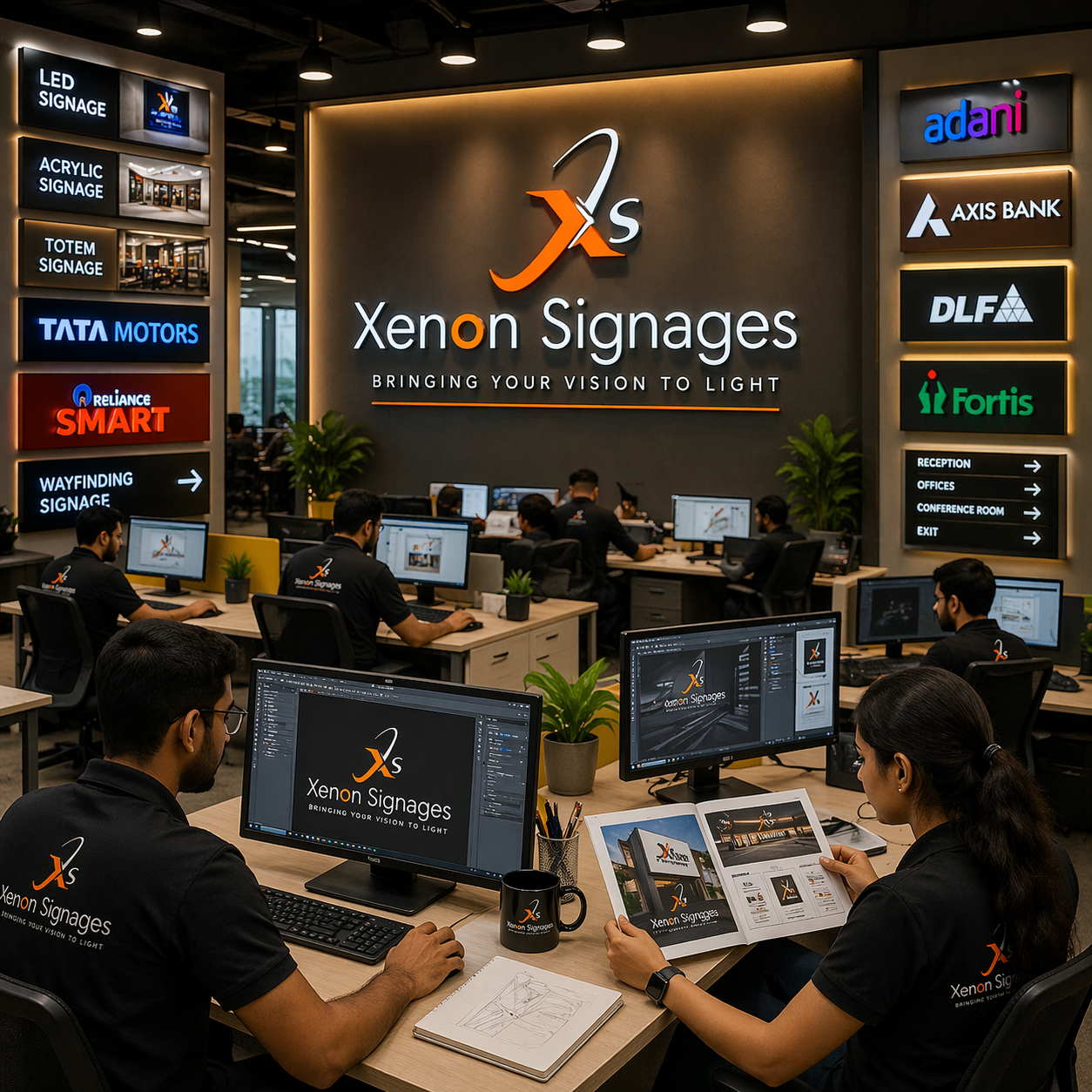
Xenon Signages, Custom Indoor/Outdoor Signage Board Manufacturer in Delhi #signage #digitalsignage #Architectural
For more info, visit: https://www.xenonsignages.com/signage-board.php
Architectural signage in 2026 is no longer just about displaying names or directions. It has evolved into a critical part of branding, user experience, sustainability, and smart building design. Modern signage is becoming immersive, intelligent, environmentally conscious, and deeply integrated with architecture itself. Businesses, architects, and developers are now treating signage as part of the built environment rather than an afterthought.
1. Seamless Integration with Architecture
One of the biggest trends in 2026 is the integration of signage directly into architectural planning. Instead of attaching signs after construction, designers are embedding them into facades, landscaping, entryways, and structural materials from the beginning of the project.
This approach creates:
Cleaner visual aesthetics
Stronger brand identity
Better harmony between signage and building materials
Enhanced property value
Materials such as brushed aluminum, corten steel, stone, timber, and textured acrylic are increasingly used to match modern architectural finishes. Monument signs and directional systems now feel like extensions of the building itself.
2. Sustainable and Eco-Friendly Signage
Sustainability has become a defining force in signage design. Companies and property developers are demanding environmentally responsible materials and energy-efficient systems.
Popular sustainable trends include:
Recycled metal and acrylic materials
Solar-powered illuminated signs
Low-energy LED lighting
FSC-certified wood products
Modular signage systems that reduce waste
Green signage also aligns with the rise of net-zero and eco-conscious buildings. Many brands now use signage to communicate their sustainability commitments visually.
3. Digital and Interactive Signage
Intelligent digital systems are rapidly replacing static signs. Interactive displays, touch-enabled directories, and AI-powered information screens are becoming standard in commercial buildings, retail centers, airports, and hospitals.
Key developments include:
Real-time content updates
Smart wayfinding systems
QR code integration
Mobile-connected signage
AI-driven personalized messaging
Digital signage is now viewed as a communication infrastructure rather than simple advertising. Businesses want flexible systems that can adapt instantly to changing needs.
4. Immersive and Experiential Signage
Experiential design is reshaping architectural signage. In 2026, signage is expected to create memorable visual experiences rather than simply convey information.
Emerging innovations include:
Large-format LED video walls
3D anamorphic displays
Projection mapping
Responsive lighting systems
Multi-sensory environments combining sound and visuals
Retail and hospitality sectors are especially embracing immersive signage to attract visitors and encourage social media engagement. Buildings are increasingly turning entrances and facades into dynamic storytelling spaces.
5. Human-Centered and Biophilic Design
Architectural trends are shifting away from cold minimalism toward warmer, more human-centered environments. Signage is following the same direction.
This trend emphasizes:
Natural textures and finishes
Organic forms and soft edges
Warm color palettes
Nature-inspired typography
Integration of greenery and lighting
Biophilic signage creates spaces that feel calming, welcoming, and emotionally engaging. Designers are focusing more on how signage affects mood and user comfort.
Conclusion
The architectural signage industry in 2026 is defined by the convergence of design, technology, sustainability, and human experience. Signage is becoming smarter, greener, more immersive, and more integrated into architecture than ever before. From AI-powered digital systems to biophilic materials and experiential installations, modern signage is helping shape how people interact with buildings and spaces.
As architecture continues evolving toward connected and sustainable environments, signage will play an even larger role in creating memorable, functional, and emotionally engaging experiences.
Xenon Signages, Custom Indoor/Outdoor Signage Board Manufacturer in Delhi #signage #digitalsignage #Architectural
For more info, visit: https://www.xenonsignages.com/signage-board.php
Top Trends in Architectural Signage for 2026
Architectural signage in 2026 is no longer just about displaying names or directions. It has evolved into a critical part of branding, user experience, sustainability, and smart building design. Modern signage is becoming immersive, intelligent, environmentally conscious, and deeply integrated with architecture itself. Businesses, architects, and developers are now treating signage as part of the built environment rather than an afterthought.
1. Seamless Integration with Architecture
One of the biggest trends in 2026 is the integration of signage directly into architectural planning. Instead of attaching signs after construction, designers are embedding them into facades, landscaping, entryways, and structural materials from the beginning of the project.
This approach creates:
Cleaner visual aesthetics
Stronger brand identity
Better harmony between signage and building materials
Enhanced property value
Materials such as brushed aluminum, corten steel, stone, timber, and textured acrylic are increasingly used to match modern architectural finishes. Monument signs and directional systems now feel like extensions of the building itself.
2. Sustainable and Eco-Friendly Signage
Sustainability has become a defining force in signage design. Companies and property developers are demanding environmentally responsible materials and energy-efficient systems.
Popular sustainable trends include:
Recycled metal and acrylic materials
Solar-powered illuminated signs
Low-energy LED lighting
FSC-certified wood products
Modular signage systems that reduce waste
Green signage also aligns with the rise of net-zero and eco-conscious buildings. Many brands now use signage to communicate their sustainability commitments visually.
3. Digital and Interactive Signage
Intelligent digital systems are rapidly replacing static signs. Interactive displays, touch-enabled directories, and AI-powered information screens are becoming standard in commercial buildings, retail centers, airports, and hospitals.
Key developments include:
Real-time content updates
Smart wayfinding systems
QR code integration
Mobile-connected signage
AI-driven personalized messaging
Digital signage is now viewed as a communication infrastructure rather than simple advertising. Businesses want flexible systems that can adapt instantly to changing needs.
4. Immersive and Experiential Signage
Experiential design is reshaping architectural signage. In 2026, signage is expected to create memorable visual experiences rather than simply convey information.
Emerging innovations include:
Large-format LED video walls
3D anamorphic displays
Projection mapping
Responsive lighting systems
Multi-sensory environments combining sound and visuals
Retail and hospitality sectors are especially embracing immersive signage to attract visitors and encourage social media engagement. Buildings are increasingly turning entrances and facades into dynamic storytelling spaces.
5. Human-Centered and Biophilic Design
Architectural trends are shifting away from cold minimalism toward warmer, more human-centered environments. Signage is following the same direction.
This trend emphasizes:
Natural textures and finishes
Organic forms and soft edges
Warm color palettes
Nature-inspired typography
Integration of greenery and lighting
Biophilic signage creates spaces that feel calming, welcoming, and emotionally engaging. Designers are focusing more on how signage affects mood and user comfort.
Conclusion
The architectural signage industry in 2026 is defined by the convergence of design, technology, sustainability, and human experience. Signage is becoming smarter, greener, more immersive, and more integrated into architecture than ever before. From AI-powered digital systems to biophilic materials and experiential installations, modern signage is helping shape how people interact with buildings and spaces.
As architecture continues evolving toward connected and sustainable environments, signage will play an even larger role in creating memorable, functional, and emotionally engaging experiences.
Xenon Signages, Custom Indoor/Outdoor Signage Board Manufacturer in Delhi #signage #digitalsignage #Architectural
For more info, visit: https://www.xenonsignages.com/signage-board.php
0 Kommentare
·0 Anteile
·6KB Ansichten
·0 Vorschau