• Concrete Design Mix Ratio: The Key to High-Performance Construction

    In modern construction, strength and durability depend not just on the materials used but also on how they are proportioned. This is where Concrete Design Mix Ratio plays a crucial role. Unlike traditional nominal mixes that follow fixed ratios, design mix concrete is scientifically engineered to achieve specific performance requirements.

    A design mix is prepared based on factors such as target strength, durability, workability, environmental exposure, and project specifications. Engineers determine the exact proportions of cement, aggregates, water, and admixtures through laboratory testing and mix design calculations.

    What is a Concrete Design Mix?

    A concrete design mix is a customized concrete formulation developed to achieve:

    Required Compressive Strength

    Better Durability

    Improved Workability

    Reduced Material Waste

    Cost Optimization

    Long-Term Structural Performance

    Unlike nominal mixes such as M10 (1:3:6) or M20 (1:1.5:3), design mixes do not follow fixed ratios. Instead, proportions are calculated based on engineering requirements and material properties.

    Components of Design Mix Concrete

    Cement – Provides binding strength

    Fine Aggregate – Improves workability

    Coarse Aggregate – Contributes to structural strength

    Water – Controls hydration and consistency

    Admixtures – Enhance performance characteristics

    The water-cement ratio is one of the most critical factors influencing concrete strength and durability.

    Advantages of Design Mix Concrete
    Higher Strength

    Optimized proportions help achieve target compressive strength more accurately.

    Better Durability

    Improved resistance to environmental conditions and long-term wear.

    Cost Efficiency

    Efficient material utilization reduces unnecessary cement consumption.

    Consistent Quality

    Controlled batching and testing ensure reliable performance.

    Sustainability

    Reduced material wastage and optimized resource usage support green construction practices.

    Importance in Ready Mix Concrete

    Modern Ready Mix Concrete (RMC) plants rely heavily on design mix technology. Automated batching systems ensure precise material measurement and consistent quality across every batch.

    Design mixes are especially important for:

    Industrial Construction

    Commercial Buildings

    Residential Projects

    Infrastructure Development

    Roads and Bridges

    High-performance concrete grades such as M25, M30, M40, M60, and above are typically produced using design mix methods rather than fixed nominal ratios.

    Supporting Industrial Construction

    Industrial projects often require concrete capable of handling heavy loads, machinery vibrations, chemical exposure, and demanding operational conditions. Design mix concrete helps meet these requirements while improving structural reliability and service life.

    Aparna RMC utilizes advanced design mix techniques and ready-mix concrete technology to deliver customized concrete solutions for residential, commercial, and industrial construction projects.

    Read More:
    https://www.aparnarmc.com/everything-you-need-to-know-about-ready-mix-concrete/


    #ConcreteDesignMixRatio #ConcreteMixDesign #ReadyMixConcrete #AparnaRMC #ConcreteTechnology #CivilEngineering #ConstructionIndustry #BuildingMaterials #IndustrialConstruction #CommercialConstruction #ResidentialConstruction #InfrastructureDevelopment #HighPerformanceConcrete #SmartConstruction #SustainableConstruction
    Concrete Design Mix Ratio: The Key to High-Performance Construction In modern construction, strength and durability depend not just on the materials used but also on how they are proportioned. This is where Concrete Design Mix Ratio plays a crucial role. Unlike traditional nominal mixes that follow fixed ratios, design mix concrete is scientifically engineered to achieve specific performance requirements. A design mix is prepared based on factors such as target strength, durability, workability, environmental exposure, and project specifications. Engineers determine the exact proportions of cement, aggregates, water, and admixtures through laboratory testing and mix design calculations. What is a Concrete Design Mix? A concrete design mix is a customized concrete formulation developed to achieve: ✅ Required Compressive Strength ✅ Better Durability ✅ Improved Workability ✅ Reduced Material Waste ✅ Cost Optimization ✅ Long-Term Structural Performance Unlike nominal mixes such as M10 (1:3:6) or M20 (1:1.5:3), design mixes do not follow fixed ratios. Instead, proportions are calculated based on engineering requirements and material properties. Components of Design Mix Concrete 🧱 Cement – Provides binding strength 🏖️ Fine Aggregate – Improves workability 🪨 Coarse Aggregate – Contributes to structural strength 💧 Water – Controls hydration and consistency ⚗️ Admixtures – Enhance performance characteristics The water-cement ratio is one of the most critical factors influencing concrete strength and durability. Advantages of Design Mix Concrete Higher Strength Optimized proportions help achieve target compressive strength more accurately. Better Durability Improved resistance to environmental conditions and long-term wear. Cost Efficiency Efficient material utilization reduces unnecessary cement consumption. Consistent Quality Controlled batching and testing ensure reliable performance. Sustainability Reduced material wastage and optimized resource usage support green construction practices. Importance in Ready Mix Concrete Modern Ready Mix Concrete (RMC) plants rely heavily on design mix technology. Automated batching systems ensure precise material measurement and consistent quality across every batch. Design mixes are especially important for: 🏭 Industrial Construction 🏢 Commercial Buildings 🏠 Residential Projects 🌉 Infrastructure Development 🛣️ Roads and Bridges High-performance concrete grades such as M25, M30, M40, M60, and above are typically produced using design mix methods rather than fixed nominal ratios. Supporting Industrial Construction Industrial projects often require concrete capable of handling heavy loads, machinery vibrations, chemical exposure, and demanding operational conditions. Design mix concrete helps meet these requirements while improving structural reliability and service life. Aparna RMC utilizes advanced design mix techniques and ready-mix concrete technology to deliver customized concrete solutions for residential, commercial, and industrial construction projects. Read More: https://www.aparnarmc.com/everything-you-need-to-know-about-ready-mix-concrete/ #ConcreteDesignMixRatio #ConcreteMixDesign #ReadyMixConcrete #AparnaRMC #ConcreteTechnology #CivilEngineering #ConstructionIndustry #BuildingMaterials #IndustrialConstruction #CommercialConstruction #ResidentialConstruction #InfrastructureDevelopment #HighPerformanceConcrete #SmartConstruction #SustainableConstruction
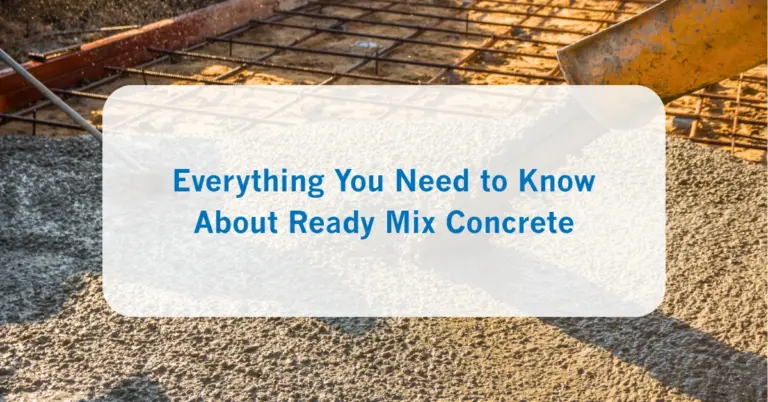
    Everything You Need to Know About Ready Mix Concrete
    www.aparnarmc.com
    Whether you’re building a small house or a large infrastructure project, one question always comes up: “Which concrete should I use?
    0 التعليقات ·0 المشاركات ·3كيلو بايت مشاهدة ·0 معاينة

  • Mix Proportion of Concrete: Understanding the Right Balance for Strong Construction

    The strength, durability, and performance of concrete depend largely on its Mix Proportion of Concrete. A proper mix proportion ensures that cement, sand, aggregates, water, and admixtures work together to achieve the desired strength and workability for a specific construction project.

    Concrete mix proportion refers to the ratio of materials used in concrete production. Different construction applications require different mix designs depending on load requirements, environmental conditions, and durability expectations.

    Key Components of Concrete Mix

    Cement – Acts as the binding material

    Fine Aggregate (Sand) – Fills voids and improves workability

    Coarse Aggregate – Provides strength and volume

    Water – Initiates the hydration process

    Admixtures – Enhance specific performance characteristics

    Common Concrete Mix Proportions

    Traditional nominal mix ratios include:

    M10 → 1 : 3 : 6
    M15 → 1 : 2 : 4
    M20 → 1 : 1.5 : 3

    However, modern construction increasingly relies on design mix concrete, where proportions are scientifically calculated based on strength, durability, and project requirements rather than fixed ratios.

    Why Proper Mix Proportion Matters

    Improved Strength

    Better Durability

    Enhanced Workability

    Reduced Cracking

    Lower Material Waste

    Cost-Effective Construction

    A well-designed concrete mix helps structures withstand environmental exposure, heavy loads, and long service life requirements.

    Ready Mix Concrete and Mix Design

    Modern Ready Mix Concrete (RMC) plants use advanced mix design techniques to ensure consistency and quality. Automated batching systems precisely measure every ingredient, reducing human error and improving performance.

    Unlike traditional site mixing, ready-mix concrete provides:

    Consistent Quality
    Faster Construction
    Accurate Material Proportioning
    Better Resource Utilization
    Improved Structural Performance
    Importance in Industrial Construction

    Industrial projects require concrete capable of handling heavy machinery loads, high traffic, chemical exposure, and demanding operational conditions. Proper mix proportioning becomes even more critical in such environments.

    High-performance concrete mixes used in industrial construction are designed to provide:

    High Load-Bearing Capacity

    Long-Term Durability

    Chemical Resistance

    Reduced Maintenance Requirements

    Improved Structural Reliability

    Aparna RMC emphasizes advanced ready-mix concrete solutions for industrial construction through carefully engineered mix designs that optimize performance, durability, and sustainability.

    Whether you're constructing a residential building, commercial complex, or industrial facility, selecting the right concrete mix proportion is essential for ensuring long-lasting structural integrity.

    Read More:
    https://www.aparnarmc.com/ready-mix-concrete-for-industrial-construction/


    #MixProportionOfConcrete #ConcreteMixDesign #ReadyMixConcrete #AparnaRMC #ConcreteTechnology #CivilEngineering #ConstructionIndustry #BuildingMaterials #IndustrialConstruction #CommercialConstruction #ResidentialConstruction #InfrastructureDevelopment #HighPerformanceConcrete #SmartConstruction #SustainableConstruction
    Mix Proportion of Concrete: Understanding the Right Balance for Strong Construction The strength, durability, and performance of concrete depend largely on its Mix Proportion of Concrete. A proper mix proportion ensures that cement, sand, aggregates, water, and admixtures work together to achieve the desired strength and workability for a specific construction project. Concrete mix proportion refers to the ratio of materials used in concrete production. Different construction applications require different mix designs depending on load requirements, environmental conditions, and durability expectations. Key Components of Concrete Mix 🧱 Cement – Acts as the binding material 🏖️ Fine Aggregate (Sand) – Fills voids and improves workability 🪨 Coarse Aggregate – Provides strength and volume 💧 Water – Initiates the hydration process ⚗️ Admixtures – Enhance specific performance characteristics Common Concrete Mix Proportions Traditional nominal mix ratios include: M10 → 1 : 3 : 6 M15 → 1 : 2 : 4 M20 → 1 : 1.5 : 3 However, modern construction increasingly relies on design mix concrete, where proportions are scientifically calculated based on strength, durability, and project requirements rather than fixed ratios. Why Proper Mix Proportion Matters ✅ Improved Strength ✅ Better Durability ✅ Enhanced Workability ✅ Reduced Cracking ✅ Lower Material Waste ✅ Cost-Effective Construction A well-designed concrete mix helps structures withstand environmental exposure, heavy loads, and long service life requirements. Ready Mix Concrete and Mix Design Modern Ready Mix Concrete (RMC) plants use advanced mix design techniques to ensure consistency and quality. Automated batching systems precisely measure every ingredient, reducing human error and improving performance. Unlike traditional site mixing, ready-mix concrete provides: Consistent Quality Faster Construction Accurate Material Proportioning Better Resource Utilization Improved Structural Performance Importance in Industrial Construction Industrial projects require concrete capable of handling heavy machinery loads, high traffic, chemical exposure, and demanding operational conditions. Proper mix proportioning becomes even more critical in such environments. High-performance concrete mixes used in industrial construction are designed to provide: 🏭 High Load-Bearing Capacity 🏭 Long-Term Durability 🏭 Chemical Resistance 🏭 Reduced Maintenance Requirements 🏭 Improved Structural Reliability Aparna RMC emphasizes advanced ready-mix concrete solutions for industrial construction through carefully engineered mix designs that optimize performance, durability, and sustainability. Whether you're constructing a residential building, commercial complex, or industrial facility, selecting the right concrete mix proportion is essential for ensuring long-lasting structural integrity. Read More: https://www.aparnarmc.com/ready-mix-concrete-for-industrial-construction/ #MixProportionOfConcrete #ConcreteMixDesign #ReadyMixConcrete #AparnaRMC #ConcreteTechnology #CivilEngineering #ConstructionIndustry #BuildingMaterials #IndustrialConstruction #CommercialConstruction #ResidentialConstruction #InfrastructureDevelopment #HighPerformanceConcrete #SmartConstruction #SustainableConstruction
    Industrial
    www.aparnarmc.com
    Aparna RMC offers custom ready-mix concrete for industrial needs—durable, digitally tracked, and delivered on time, every time.
    0 التعليقات ·0 المشاركات ·2كيلو بايت مشاهدة ·0 معاينة
  • RMC Concrete: Understanding Concrete Grades and Their Applications

    Not all concrete is the same. One of the most important factors in construction is choosing the right RMC Concrete grade for the project. The strength, durability, and long-term performance of a structure depend heavily on selecting the correct concrete grade.

    Ready Mix Concrete (RMC) is manufactured in controlled batching plants using precise proportions of cement, aggregates, water, and admixtures. This process ensures consistent quality and reliable performance across construction projects.

    Concrete grades are typically identified as M10, M15, M20, M25, M30, M35, M40, and higher. The number represents the compressive strength of the concrete after 28 days of curing. Understanding these grades helps builders and engineers choose the right material for specific structural requirements.

    Common RMC Concrete Grades and Their Uses

    M10 & M15

    Pathways
    Pavements
    Small foundations
    Non-structural work

    M20

    Residential floors
    Driveways
    Garages
    Standard reinforced concrete structures

    M25 & M30

    Residential buildings
    Commercial structures
    Columns and beams
    Structural slabs

    M35 & M40

    Heavy-duty commercial projects
    Structural piling
    Foundations
    Industrial construction

    M45 and Above

    High-rise buildings
    Bridges
    Dams
    Airports
    Large infrastructure projects

    These grades are selected based on load-bearing requirements, environmental exposure, and project specifications. Higher grades generally provide greater strength and durability for demanding applications.

    One of the biggest advantages of RMC Concrete is consistency. Unlike manual site mixing, ready-mix concrete is produced using automated batching systems that reduce human error and improve quality control. This helps contractors achieve better construction outcomes while reducing material wastage and project delays.

    Modern construction projects increasingly rely on ready-mix concrete because it delivers predictable strength, faster construction, and improved sustainability. From residential homes to massive infrastructure developments, choosing the correct concrete grade remains a critical step in building safe and durable structures.

    Learn more here:

    RMC Concrete: https://www.aparnarmc.com/guide-to-different-grades-of-ready-mix-concrete-and-their-applications/

    Hashtags

    #RMCConcrete #ReadyMixConcrete #ConcreteGrades #CivilEngineering #ConstructionIndustry #BuildingMaterials #ConcreteTechnology #StructuralEngineering #CommercialConstruction #ResidentialConstruction #InfrastructureDevelopment #HighStrengthConcrete #ConstructionInnovation #SmartConstruction #AparnaRMC
    RMC Concrete: Understanding Concrete Grades and Their Applications Not all concrete is the same. One of the most important factors in construction is choosing the right RMC Concrete grade for the project. The strength, durability, and long-term performance of a structure depend heavily on selecting the correct concrete grade. Ready Mix Concrete (RMC) is manufactured in controlled batching plants using precise proportions of cement, aggregates, water, and admixtures. This process ensures consistent quality and reliable performance across construction projects. Concrete grades are typically identified as M10, M15, M20, M25, M30, M35, M40, and higher. The number represents the compressive strength of the concrete after 28 days of curing. Understanding these grades helps builders and engineers choose the right material for specific structural requirements. Common RMC Concrete Grades and Their Uses 🏗️ M10 & M15 Pathways Pavements Small foundations Non-structural work 🏠 M20 Residential floors Driveways Garages Standard reinforced concrete structures 🏢 M25 & M30 Residential buildings Commercial structures Columns and beams Structural slabs 🌉 M35 & M40 Heavy-duty commercial projects Structural piling Foundations Industrial construction 🏙️ M45 and Above High-rise buildings Bridges Dams Airports Large infrastructure projects These grades are selected based on load-bearing requirements, environmental exposure, and project specifications. Higher grades generally provide greater strength and durability for demanding applications. One of the biggest advantages of RMC Concrete is consistency. Unlike manual site mixing, ready-mix concrete is produced using automated batching systems that reduce human error and improve quality control. This helps contractors achieve better construction outcomes while reducing material wastage and project delays. Modern construction projects increasingly rely on ready-mix concrete because it delivers predictable strength, faster construction, and improved sustainability. From residential homes to massive infrastructure developments, choosing the correct concrete grade remains a critical step in building safe and durable structures. Learn more here: RMC Concrete: https://www.aparnarmc.com/guide-to-different-grades-of-ready-mix-concrete-and-their-applications/ Hashtags #RMCConcrete #ReadyMixConcrete #ConcreteGrades #CivilEngineering #ConstructionIndustry #BuildingMaterials #ConcreteTechnology #StructuralEngineering #CommercialConstruction #ResidentialConstruction #InfrastructureDevelopment #HighStrengthConcrete #ConstructionInnovation #SmartConstruction #AparnaRMC
    Guide to Different Grades of Ready-Mix Concrete and Their Applications
    www.aparnarmc.com
    A complete guide to RMC grades from M10 to M45+, covering mix ratios, strength, and applications for smarter construction decisions.
    0 التعليقات ·0 المشاركات ·3كيلو بايت مشاهدة ·0 معاينة

  • Why Acid Resistant Tiles Are Trending in 2026: A Complete Guide

    In today's industrial construction, it is required to have more durable and stable protective materials. A surface that withstands the very harsh acidic conditions consistently is required in chemical processing industries. Hence, acid resistant tiles are gaining a lot of acceptability in 2026. These tiles are ideal in tough industrial environments. They are used by more manufacturing plants, labs, and processing facilities.

    Read more : https://refmonindustries.wixsite.com/refractories/post/complete-guide-to-acid-resistant-tiles
    Why Acid Resistant Tiles Are Trending in 2026: A Complete Guide In today's industrial construction, it is required to have more durable and stable protective materials. A surface that withstands the very harsh acidic conditions consistently is required in chemical processing industries. Hence, acid resistant tiles are gaining a lot of acceptability in 2026. These tiles are ideal in tough industrial environments. They are used by more manufacturing plants, labs, and processing facilities. Read more : https://refmonindustries.wixsite.com/refractories/post/complete-guide-to-acid-resistant-tiles
    0 التعليقات ·0 المشاركات ·930 مشاهدة ·0 معاينة
  • Leading civil engineering consultants for infrastructure development solutions

    Leading civil engineering consultants delivering infrastructure planning design and execution services Star Associates Pmc Pvt. Ltd. providing expert solutions for residential commercial and industrial construction projects India trusted quality engineering consultancy services experts solutions

    https://starassociatespmc.com/
    Leading civil engineering consultants for infrastructure development solutions Leading civil engineering consultants delivering infrastructure planning design and execution services Star Associates Pmc Pvt. Ltd. providing expert solutions for residential commercial and industrial construction projects India trusted quality engineering consultancy services experts solutions https://starassociatespmc.com/
    0 التعليقات ·0 المشاركات ·1كيلو بايت مشاهدة ·0 معاينة