• HACCP Certification: Building a Safer and More Trusted Food System

    Introduction to HACCP Certification

    HACCP (Hazard Analysis and Critical Control Points) certification is a globally recognized food safety system designed to identify, evaluate, and control hazards throughout the food production process. Rather than relying only on end-product testing, HACCP focuses on prevention, ensuring that biological, chemical, and physical risks are controlled at every critical stage. For food businesses of all sizes—restaurants, manufacturers, processors, and distributors—HACCP certification demonstrates a strong commitment to producing safe and high-quality food.

    Why HACCP Certification Matters

    Food safety is no longer optional; it is a legal and commercial requirement in many countries. HACCP certification helps organizations comply with national and international food safety regulations while reducing the risk of contamination, foodborne illnesses, and costly recalls. By implementing HACCP principles, businesses gain better process control, minimize waste, and protect their brand reputation. Most importantly, HACCP builds consumer trust by showing that food safety is managed systematically and responsibly.

    The Seven Principles of HACCP

    At the core of HACCP certification are seven structured principles. These include conducting a hazard analysis, identifying critical control points (CCPs), establishing critical limits, monitoring procedures, corrective actions, verification processes, and proper documentation. Together, these principles create a proactive food safety management system that addresses risks before they become serious problems. This structured approach makes HACCP adaptable to different types of food operations, from small kitchens to large industrial facilities.

    Who Needs HACCP Certification

    HACCP certification is essential for any organization involved in food handling, production, storage, or distribution. This includes food manufacturers, catering services, restaurants, hotels, supermarkets, and exporters. Many retailers and international buyers require HACCP certification as a minimum standard before entering into business agreements. For companies looking to expand into global markets, HACCP often acts as a gateway certification.

    Benefits of HACCP Certification for Businesses

    Achieving HACCP certification offers long-term benefits beyond compliance. It improves internal processes, enhances staff awareness of food safety responsibilities, and reduces operational risks. Certified organizations often experience fewer incidents, improved efficiency, and greater confidence during regulatory inspections. Additionally, HACCP certification strengthens a company’s competitive position by signaling reliability and professionalism to customers and partners.

    Conclusion

    HACCP certification is a powerful tool for ensuring food safety, regulatory compliance, and business credibility. By focusing on prevention and continuous control, it helps organizations protect consumers while improving operational performance. In an increasingly safety-conscious market, HACCP certification is not just a requirement—it is a strategic investment in trust, quality, and long-term success.

    Readmore: https://iasiso-europe.com/uk/haccp-certification-in-united-kingdom/
    HACCP Certification: Building a Safer and More Trusted Food System Introduction to HACCP Certification HACCP (Hazard Analysis and Critical Control Points) certification is a globally recognized food safety system designed to identify, evaluate, and control hazards throughout the food production process. Rather than relying only on end-product testing, HACCP focuses on prevention, ensuring that biological, chemical, and physical risks are controlled at every critical stage. For food businesses of all sizes—restaurants, manufacturers, processors, and distributors—HACCP certification demonstrates a strong commitment to producing safe and high-quality food. Why HACCP Certification Matters Food safety is no longer optional; it is a legal and commercial requirement in many countries. HACCP certification helps organizations comply with national and international food safety regulations while reducing the risk of contamination, foodborne illnesses, and costly recalls. By implementing HACCP principles, businesses gain better process control, minimize waste, and protect their brand reputation. Most importantly, HACCP builds consumer trust by showing that food safety is managed systematically and responsibly. The Seven Principles of HACCP At the core of HACCP certification are seven structured principles. These include conducting a hazard analysis, identifying critical control points (CCPs), establishing critical limits, monitoring procedures, corrective actions, verification processes, and proper documentation. Together, these principles create a proactive food safety management system that addresses risks before they become serious problems. This structured approach makes HACCP adaptable to different types of food operations, from small kitchens to large industrial facilities. Who Needs HACCP Certification HACCP certification is essential for any organization involved in food handling, production, storage, or distribution. This includes food manufacturers, catering services, restaurants, hotels, supermarkets, and exporters. Many retailers and international buyers require HACCP certification as a minimum standard before entering into business agreements. For companies looking to expand into global markets, HACCP often acts as a gateway certification. Benefits of HACCP Certification for Businesses Achieving HACCP certification offers long-term benefits beyond compliance. It improves internal processes, enhances staff awareness of food safety responsibilities, and reduces operational risks. Certified organizations often experience fewer incidents, improved efficiency, and greater confidence during regulatory inspections. Additionally, HACCP certification strengthens a company’s competitive position by signaling reliability and professionalism to customers and partners. Conclusion HACCP certification is a powerful tool for ensuring food safety, regulatory compliance, and business credibility. By focusing on prevention and continuous control, it helps organizations protect consumers while improving operational performance. In an increasingly safety-conscious market, HACCP certification is not just a requirement—it is a strategic investment in trust, quality, and long-term success. Readmore: https://iasiso-europe.com/uk/haccp-certification-in-united-kingdom/
    HACCP Certification - Integrated Assessment Services UK
    iasiso-europe.com
    HACCP certification ensures that a company's food processing procedures are safe from hazards. IAS provides the lowest HACCP certification cost in the UK.
    0 Kommentare ·0 Anteile ·2KB Ansichten ·0 Vorschau
  • HACCP Certification: Ensuring Food Safety and Consumer Trust

    Structured Food Safety Management – HACCP certification provides a systematic approach to identifying, evaluating, and controlling hazards in food production and handling.

    Prevents Contamination and Health Risks – By monitoring critical control points, organizations can minimize biological, chemical, and physical risks in the food supply chain.

    Regulatory Compliance – Certification ensures that businesses comply with national and international food safety laws and standards, reducing the risk of fines or shutdowns.

    Enhances Customer Confidence – HACCP demonstrates a company’s commitment to food safety, boosting trust among consumers, retailers, and suppliers.

    Improves Operational Efficiency – Implementing HACCP processes promotes better workflow, clear responsibilities, and consistent quality, leading to fewer errors and safer products.

    Readmore: https://iasiso-europe.com/dutch/haccp-certificering-in-nederland/
    HACCP Certification: Ensuring Food Safety and Consumer Trust Structured Food Safety Management – HACCP certification provides a systematic approach to identifying, evaluating, and controlling hazards in food production and handling. Prevents Contamination and Health Risks – By monitoring critical control points, organizations can minimize biological, chemical, and physical risks in the food supply chain. Regulatory Compliance – Certification ensures that businesses comply with national and international food safety laws and standards, reducing the risk of fines or shutdowns. Enhances Customer Confidence – HACCP demonstrates a company’s commitment to food safety, boosting trust among consumers, retailers, and suppliers. Improves Operational Efficiency – Implementing HACCP processes promotes better workflow, clear responsibilities, and consistent quality, leading to fewer errors and safer products. Readmore: https://iasiso-europe.com/dutch/haccp-certificering-in-nederland/
    0 Kommentare ·0 Anteile ·754 Ansichten ·0 Vorschau
  • Certification ISO 22000: A Complete Framework for Safer and More Reliable Food Safety Management

    What ISO 22000 Certification Means

    The certification ISO 22000 is an internationally recognized standard designed to help organizations manage food safety hazards throughout the entire supply chain. It brings structure and reliability to processes by integrating principles of HACCP with broader management system requirements. Whether a company works in production, processing, packaging, distribution, or even food-related services, ISO 22000 provides a solid foundation for delivering safe products consistently and confidently.

    Why Food Businesses Pursue ISO 22000

    Companies seek certification ISO 22000 to demonstrate a clear commitment to food safety and regulatory compliance. With rising consumer expectations and stricter global regulations, businesses must prove that their products are safe from biological, chemical, and physical hazards. This certification enhances credibility, builds trust with retailers and consumers, and opens access to international markets. It also strengthens internal culture by encouraging teams to take food safety responsibilities more seriously.

    What the ISO 22000 Standard Covers

    The ISO 22000 framework touches on essential aspects such as risk analysis, operational controls, traceability, communication, and continual improvement. It requires organizations to identify potential hazards at every stage of the food chain and establish preventive measures. The standard also promotes better coordination across departments—production, quality, procurement, and logistics—ensuring everyone works toward the same food safety goals. With clear documentation and structured procedures, companies can manage risks more effectively.

    Key Benefits of ISO 22000 Certification

    Earning certification ISO 22000 brings noticeable benefits to any food-related business. It reduces the likelihood of contamination, recalls, and legal issues, protecting both the company and its customers. The certification improves overall process efficiency by minimizing errors and standardizing practices. It also boosts reputation, making it easier to collaborate with suppliers and gain trust from major distributors. For growing businesses, ISO 22000 becomes a strategic asset that differentiates them in a competitive sector.

    Conclusion

    The certification ISO 22000 is a powerful tool for any organization committed to delivering safe and high-quality food products. By adopting its structured approach to risk control and system management, companies strengthen both their operations and their brand. In a market where food safety is non-negotiable, ISO 22000 offers a reliable way to protect consumers, meet global expectations, and build a resilient business for the future.

    Readmore: https://iasiso-europe.com/french/iso-22000-certification-en-france/
    Certification ISO 22000: A Complete Framework for Safer and More Reliable Food Safety Management What ISO 22000 Certification Means The certification ISO 22000 is an internationally recognized standard designed to help organizations manage food safety hazards throughout the entire supply chain. It brings structure and reliability to processes by integrating principles of HACCP with broader management system requirements. Whether a company works in production, processing, packaging, distribution, or even food-related services, ISO 22000 provides a solid foundation for delivering safe products consistently and confidently. Why Food Businesses Pursue ISO 22000 Companies seek certification ISO 22000 to demonstrate a clear commitment to food safety and regulatory compliance. With rising consumer expectations and stricter global regulations, businesses must prove that their products are safe from biological, chemical, and physical hazards. This certification enhances credibility, builds trust with retailers and consumers, and opens access to international markets. It also strengthens internal culture by encouraging teams to take food safety responsibilities more seriously. What the ISO 22000 Standard Covers The ISO 22000 framework touches on essential aspects such as risk analysis, operational controls, traceability, communication, and continual improvement. It requires organizations to identify potential hazards at every stage of the food chain and establish preventive measures. The standard also promotes better coordination across departments—production, quality, procurement, and logistics—ensuring everyone works toward the same food safety goals. With clear documentation and structured procedures, companies can manage risks more effectively. Key Benefits of ISO 22000 Certification Earning certification ISO 22000 brings noticeable benefits to any food-related business. It reduces the likelihood of contamination, recalls, and legal issues, protecting both the company and its customers. The certification improves overall process efficiency by minimizing errors and standardizing practices. It also boosts reputation, making it easier to collaborate with suppliers and gain trust from major distributors. For growing businesses, ISO 22000 becomes a strategic asset that differentiates them in a competitive sector. Conclusion The certification ISO 22000 is a powerful tool for any organization committed to delivering safe and high-quality food products. By adopting its structured approach to risk control and system management, companies strengthen both their operations and their brand. In a market where food safety is non-negotiable, ISO 22000 offers a reliable way to protect consumers, meet global expectations, and build a resilient business for the future. Readmore: https://iasiso-europe.com/french/iso-22000-certification-en-france/
    Certification ISO 22000 | Gestion de la sécurité alimentaire
    iasiso-europe.com
    Obtenez la certification ISO 22000 avec IAS en France pour produire des aliments sûrs et de haute qualité pour vos clients ! Postuler aujourd'hui!
    0 Kommentare ·0 Anteile ·885 Ansichten ·0 Vorschau
  • Certification CE: The Essential Passport for Safe and Compliant Products in the European Market

    What CE Certification Really Means

    The Certification CE is a mandatory conformity mark that shows a product meets the essential safety, health, and environmental requirements set by the European Union. It’s often seen on electronics, toys, machinery, medical devices, and dozens of other product categories. Essentially, when a product carries the CE mark, it signals that it can be legally sold across all EU and EEA countries. For businesses, it works like a passport—simple to recognize but crucial for market access.

    Why Companies Need CE Certification

    Organizations seek Certification CE because it removes barriers to trade and ensures consumer confidence. Without it, many products simply cannot be placed on the European market. Beyond regulatory compliance, the CE mark communicates that a product has been assessed against strict EU directives. Companies that adopt this certification gain credibility, reduce the risk of recalls, and strengthen their professional reputation. It also reassures customers that the product they’re buying is safe and trustworthy.

    How CE Certification Works

    The process for Certification CE depends on the product type, but it usually starts with identifying the relevant EU directives—such as the Low Voltage Directive, Toy Safety Directive, or Machinery Directive. Manufacturers must assess risks, conduct technical testing, compile a technical file, and sometimes involve a Notified Body for third-party evaluation. After ensuring full compliance, the manufacturer issues a Declaration of Conformity and affixes the CE mark. It’s a structured, detailed process that ensures safety isn’t left to chance.

    Benefits of Carrying the CE Mark

    The advantages of Certification CE extend well beyond market access. It encourages better product design, reduces liability risks, and enhances consumer trust. Companies often notice improved internal quality control because the certification demands well-documented processes and technical records. The CE mark also simplifies selling across European borders, reducing administrative burdens. For growing businesses, it opens doors to new markets and supports long-term commercial stability.

    Conclusion

    The Certification CE is more than a label—it’s a commitment to safety, reliability, and compliance with some of the world’s strictest regulations. By securing this certification, companies strengthen their market position, protect consumers, and build products that meet high European standards. For any manufacturer aiming to expand into the EU, CE certification isn’t just important; it’s indispensable.

    Readmore: https://iasiso-europe.com/french/certification-marquage-ce-en-france/
    Certification CE: The Essential Passport for Safe and Compliant Products in the European Market What CE Certification Really Means The Certification CE is a mandatory conformity mark that shows a product meets the essential safety, health, and environmental requirements set by the European Union. It’s often seen on electronics, toys, machinery, medical devices, and dozens of other product categories. Essentially, when a product carries the CE mark, it signals that it can be legally sold across all EU and EEA countries. For businesses, it works like a passport—simple to recognize but crucial for market access. Why Companies Need CE Certification Organizations seek Certification CE because it removes barriers to trade and ensures consumer confidence. Without it, many products simply cannot be placed on the European market. Beyond regulatory compliance, the CE mark communicates that a product has been assessed against strict EU directives. Companies that adopt this certification gain credibility, reduce the risk of recalls, and strengthen their professional reputation. It also reassures customers that the product they’re buying is safe and trustworthy. How CE Certification Works The process for Certification CE depends on the product type, but it usually starts with identifying the relevant EU directives—such as the Low Voltage Directive, Toy Safety Directive, or Machinery Directive. Manufacturers must assess risks, conduct technical testing, compile a technical file, and sometimes involve a Notified Body for third-party evaluation. After ensuring full compliance, the manufacturer issues a Declaration of Conformity and affixes the CE mark. It’s a structured, detailed process that ensures safety isn’t left to chance. Benefits of Carrying the CE Mark The advantages of Certification CE extend well beyond market access. It encourages better product design, reduces liability risks, and enhances consumer trust. Companies often notice improved internal quality control because the certification demands well-documented processes and technical records. The CE mark also simplifies selling across European borders, reducing administrative burdens. For growing businesses, it opens doors to new markets and supports long-term commercial stability. Conclusion The Certification CE is more than a label—it’s a commitment to safety, reliability, and compliance with some of the world’s strictest regulations. By securing this certification, companies strengthen their market position, protect consumers, and build products that meet high European standards. For any manufacturer aiming to expand into the EU, CE certification isn’t just important; it’s indispensable. Readmore: https://iasiso-europe.com/french/certification-marquage-ce-en-france/
    Certification CE | Conformité Européenne - IAS France
    iasiso-europe.com
    La certification CE fournit un sceau d'approbation pour un produit destiné à la vente sur le marché européen. Postulez maintenant avec IAS en France!
    0 Kommentare ·0 Anteile ·1KB Ansichten ·0 Vorschau
  • ISO 13485 Certification: Ensuring Quality and Safety in Medical Device Manufacturing

    Understanding ISO 13485 Certification

    ISO 13485 certification is the globally recognized standard for Quality Management Systems (QMS) specific to medical devices and related services. It outlines the requirements organizations must meet to design, manufacture, install, and service medical devices that consistently meet regulatory and customer expectations. Built on a foundation of risk management, product traceability, and compliance, ISO 13485 ensures that every stage of the device lifecycle—from concept to delivery—reflects strict quality and safety controls. Companies achieving this certification demonstrate their commitment to producing reliable medical devices that protect patient health and safety.

    Why ISO 13485 Certification Is Important

    In the medical device industry, even the smallest error can lead to serious consequences. ISO 13485 certification establishes a structured framework that reduces the likelihood of defects, enhances product reliability, and ensures regulatory compliance across international markets. It helps organizations meet requirements from regulatory authorities such as the FDA, EMA, and other global bodies. Certification is often mandatory for manufacturers seeking to sell medical devices in many regions. Beyond compliance, ISO 13485 builds customer confidence and strengthens the organization’s credibility in a highly regulated and competitive industry.

    Key Benefits of ISO 13485 Certification

    Obtaining ISO 13485 certification rewards organizations with numerous advantages. It enhances process efficiency by clearly defining roles, responsibilities, and quality procedures. Risk management becomes more systematic, ensuring potential issues are identified and controlled early in the production cycle. The certification also improves product traceability, essential for effective recalls and regulatory reporting. Additionally, it expands market access by meeting international regulatory expectations, making it easier for manufacturers to distribute their products globally. Enhanced documentation, improved supplier control, and higher customer trust further contribute to long-term business success.

    How Companies Achieve ISO 13485 Certification

    The certification process begins with a detailed gap analysis to compare the company’s existing system with ISO 13485 requirements. Next, organizations implement the necessary improvements, such as strengthening documentation, enhancing risk management practices, upgrading quality controls, and training employees. Internal audits are conducted to verify the system’s effectiveness. Finally, an accredited certification body performs an external audit to assess compliance. Once the organization meets all requirements, it is awarded ISO 13485 certification, marking its commitment to quality, safety, and regulatory excellence.

    Readmore: https://iasiso-europe.com/french/iso-13485-certification-en-france/
    ISO 13485 Certification: Ensuring Quality and Safety in Medical Device Manufacturing Understanding ISO 13485 Certification ISO 13485 certification is the globally recognized standard for Quality Management Systems (QMS) specific to medical devices and related services. It outlines the requirements organizations must meet to design, manufacture, install, and service medical devices that consistently meet regulatory and customer expectations. Built on a foundation of risk management, product traceability, and compliance, ISO 13485 ensures that every stage of the device lifecycle—from concept to delivery—reflects strict quality and safety controls. Companies achieving this certification demonstrate their commitment to producing reliable medical devices that protect patient health and safety. Why ISO 13485 Certification Is Important In the medical device industry, even the smallest error can lead to serious consequences. ISO 13485 certification establishes a structured framework that reduces the likelihood of defects, enhances product reliability, and ensures regulatory compliance across international markets. It helps organizations meet requirements from regulatory authorities such as the FDA, EMA, and other global bodies. Certification is often mandatory for manufacturers seeking to sell medical devices in many regions. Beyond compliance, ISO 13485 builds customer confidence and strengthens the organization’s credibility in a highly regulated and competitive industry. Key Benefits of ISO 13485 Certification Obtaining ISO 13485 certification rewards organizations with numerous advantages. It enhances process efficiency by clearly defining roles, responsibilities, and quality procedures. Risk management becomes more systematic, ensuring potential issues are identified and controlled early in the production cycle. The certification also improves product traceability, essential for effective recalls and regulatory reporting. Additionally, it expands market access by meeting international regulatory expectations, making it easier for manufacturers to distribute their products globally. Enhanced documentation, improved supplier control, and higher customer trust further contribute to long-term business success. How Companies Achieve ISO 13485 Certification The certification process begins with a detailed gap analysis to compare the company’s existing system with ISO 13485 requirements. Next, organizations implement the necessary improvements, such as strengthening documentation, enhancing risk management practices, upgrading quality controls, and training employees. Internal audits are conducted to verify the system’s effectiveness. Finally, an accredited certification body performs an external audit to assess compliance. Once the organization meets all requirements, it is awarded ISO 13485 certification, marking its commitment to quality, safety, and regulatory excellence. Readmore: https://iasiso-europe.com/french/iso-13485-certification-en-france/
    Certification ISO 13485 | QMS pour Dispositifs Médicaux
    iasiso-europe.com
    La certification ISO 13485 renforce la crédibilité des fabricants de dispositifs médicaux en garantissant qu'ils produisent des dispositifs médicaux sûrs.
    0 Kommentare ·0 Anteile ·858 Ansichten ·0 Vorschau
  • Obtain DMF Compliance for Medical Devices with Corpseed Experts
    https://www.corpseed.com/service/cdsco-device-master-file-dmf
    Having a compliant and full Device Master File (DMF) is the first step in ensuring your medical device meets regulatory compliance. Corpseed helps manufacturers complete, review, and submit DMF documentation all at once—all to get into the market faster.

    Our professionals will prepare your DMF using everything from technical documents to a risk profile, to a quality system, which ensures compliance with the requirements and expectations of CDSCO, ISO, and global regulatory frameworks.

    With Corpseed, you get:
    ✔ End-to-end DMF preparation
    ✔ Professional regulatory guidance
    ✔ Error-free documentation
    ✔ Quicker delivery and compliance
    #devicemasterfile
    #medicaldevice
    #registration
    #certificate
    Obtain DMF Compliance for Medical Devices with Corpseed Experts https://www.corpseed.com/service/cdsco-device-master-file-dmf Having a compliant and full Device Master File (DMF) is the first step in ensuring your medical device meets regulatory compliance. Corpseed helps manufacturers complete, review, and submit DMF documentation all at once—all to get into the market faster. Our professionals will prepare your DMF using everything from technical documents to a risk profile, to a quality system, which ensures compliance with the requirements and expectations of CDSCO, ISO, and global regulatory frameworks. With Corpseed, you get: ✔ End-to-end DMF preparation ✔ Professional regulatory guidance ✔ Error-free documentation ✔ Quicker delivery and compliance #devicemasterfile #medicaldevice #registration #certificate
    CDSCO Device Master File (DMF) India | DMF Requirements & Submission Guide
    www.corpseed.com
    Learn Device Master File India requirements, components, eligibility, standards, and the CDSCO Device Master File submission process for medical devices in simple words.
    0 Kommentare ·0 Anteile ·1KB Ansichten ·0 Vorschau
  • ISO 13485 Certification: Ensuring Quality and Safety in Medical Device Manufacturing

    Introduction to ISO 13485 Certification:
    ISO 13485 certification is an internationally recognized standard that outlines the requirements for a Quality Management System (QMS) specifically designed for the medical device industry. This certification supports organizations in demonstrating their ability to consistently meet customer expectations and regulatory requirements related to medical devices and related services. It covers the entire product lifecycle, including design, development, production, installation, and servicing. By implementing ISO 13485, companies can enhance risk management, improve traceability, and ensure the safety and performance of their products. The certification is essential for manufacturers, suppliers, and distributors who aim to maintain high levels of reliability and compliance in a highly regulated sector.

    Core Components of ISO 13485 Quality Management:
    ISO 13485 focuses on several critical components that promote product quality and patient safety. These include documenting processes, implementing rigorous design controls, establishing effective supplier management, and maintaining robust production and monitoring systems. The standard emphasizes risk-based thinking throughout the entire product lifecycle, helping organizations prevent defects and ensure consistent performance. It also requires companies to maintain clear records, conduct internal audits, and implement corrective and preventive actions to address potential issues. Employee training and competency play a significant role as well, ensuring that staff understand and follow quality procedures. By integrating these elements into daily operations, organizations can reduce errors, improve efficiency, and enhance the reliability of their medical devices.

    Benefits of ISO 13485 Certification for Organizations:
    Achieving ISO 13485 certification provides numerous advantages for businesses operating in the medical device industry. It increases credibility and trust among customers, regulators, and international partners by demonstrating a strong commitment to quality and safety. Certification also supports access to global markets, as many countries require compliance with ISO 13485 for regulatory approval. Organizations benefit from improved efficiency through structured processes, reduced risks, and fewer product defects. Additionally, the certification strengthens supplier relationships and enhances overall customer satisfaction by ensuring consistent, high-quality product performance. Employees also gain confidence from working within a well-defined and reliable management system.

    Conclusion:
    ISO 13485 certification is a vital standard for organizations involved in the medical device sector, helping them maintain product quality, regulatory compliance, and patient safety. By implementing a robust Quality Management System, companies can manage risks more effectively, improve operational processes, and enhance customer trust. The certification not only drives continuous improvement but also supports long-term success in a competitive and highly regulated industry. Through certificering ISO 13485, organizations ensure that their medical devices meet the highest standards of safety, performance, and reliability.

    Read more: https://iasiso-europe.com/dutch/iso-13485-certificering-in-nederland/
    ISO 13485 Certification: Ensuring Quality and Safety in Medical Device Manufacturing Introduction to ISO 13485 Certification: ISO 13485 certification is an internationally recognized standard that outlines the requirements for a Quality Management System (QMS) specifically designed for the medical device industry. This certification supports organizations in demonstrating their ability to consistently meet customer expectations and regulatory requirements related to medical devices and related services. It covers the entire product lifecycle, including design, development, production, installation, and servicing. By implementing ISO 13485, companies can enhance risk management, improve traceability, and ensure the safety and performance of their products. The certification is essential for manufacturers, suppliers, and distributors who aim to maintain high levels of reliability and compliance in a highly regulated sector. Core Components of ISO 13485 Quality Management: ISO 13485 focuses on several critical components that promote product quality and patient safety. These include documenting processes, implementing rigorous design controls, establishing effective supplier management, and maintaining robust production and monitoring systems. The standard emphasizes risk-based thinking throughout the entire product lifecycle, helping organizations prevent defects and ensure consistent performance. It also requires companies to maintain clear records, conduct internal audits, and implement corrective and preventive actions to address potential issues. Employee training and competency play a significant role as well, ensuring that staff understand and follow quality procedures. By integrating these elements into daily operations, organizations can reduce errors, improve efficiency, and enhance the reliability of their medical devices. Benefits of ISO 13485 Certification for Organizations: Achieving ISO 13485 certification provides numerous advantages for businesses operating in the medical device industry. It increases credibility and trust among customers, regulators, and international partners by demonstrating a strong commitment to quality and safety. Certification also supports access to global markets, as many countries require compliance with ISO 13485 for regulatory approval. Organizations benefit from improved efficiency through structured processes, reduced risks, and fewer product defects. Additionally, the certification strengthens supplier relationships and enhances overall customer satisfaction by ensuring consistent, high-quality product performance. Employees also gain confidence from working within a well-defined and reliable management system. Conclusion: ISO 13485 certification is a vital standard for organizations involved in the medical device sector, helping them maintain product quality, regulatory compliance, and patient safety. By implementing a robust Quality Management System, companies can manage risks more effectively, improve operational processes, and enhance customer trust. The certification not only drives continuous improvement but also supports long-term success in a competitive and highly regulated industry. Through certificering ISO 13485, organizations ensure that their medical devices meet the highest standards of safety, performance, and reliability. Read more: https://iasiso-europe.com/dutch/iso-13485-certificering-in-nederland/
    ISO 13485 certificering | QMS voor medische apparaten
    iasiso-europe.com
    Behaal ISO 13485 certificering bij IAS in Nederland om de veiligheid en kwaliteit van uw medische hulpmiddelen te waarborgen. Solliciteer nu gratis!
    0 Kommentare ·0 Anteile ·2KB Ansichten ·0 Vorschau
  • GMP Certification for Ensuring Quality and Safety in Manufacturing

    Introduction to GMP Certification

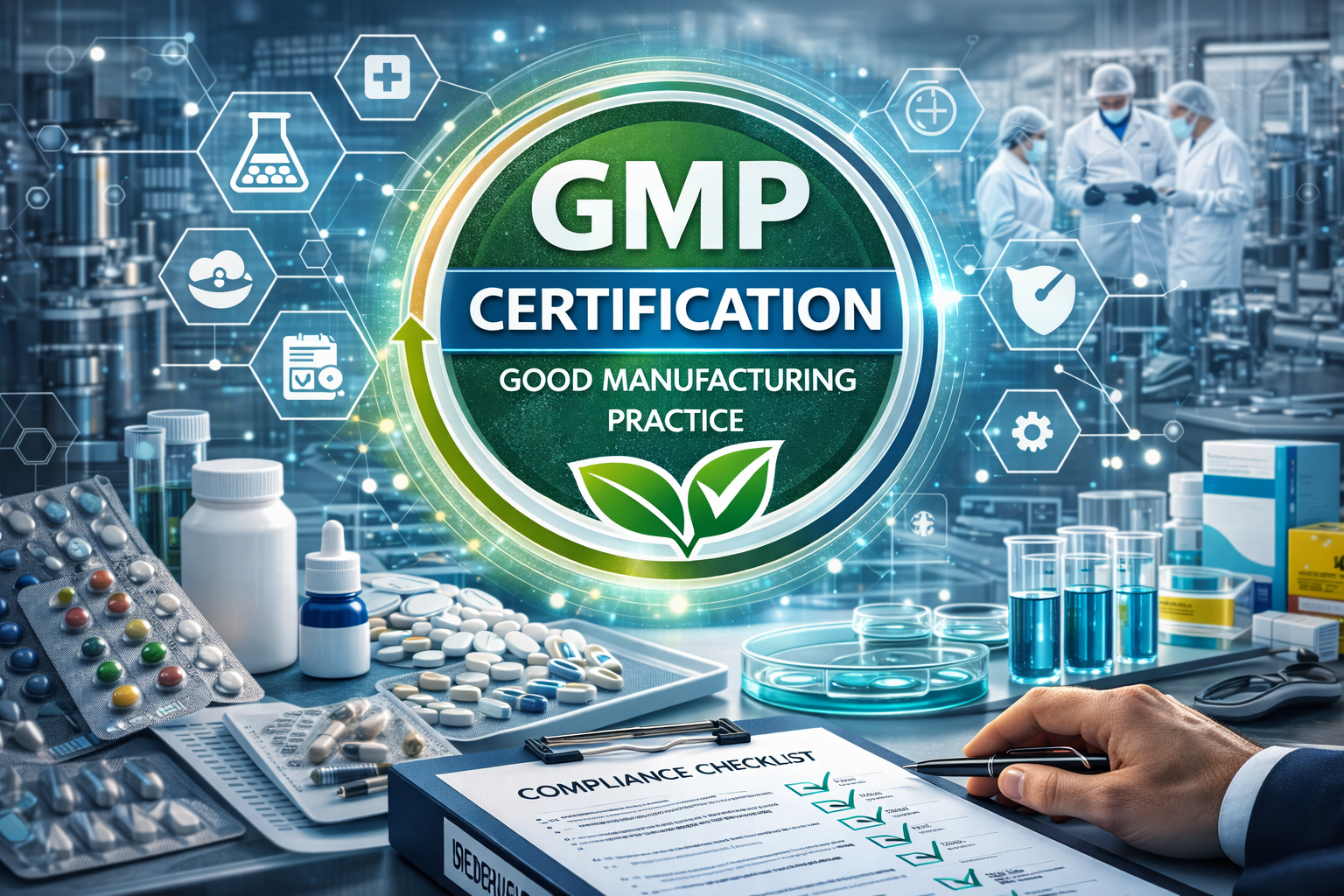
    Good Manufacturing Practice (GMP) certification is a globally recognized standard that ensures products are consistently produced and controlled according to strict quality criteria. It is essential for industries such as pharmaceuticals, food, cosmetics, and medical devices, where product safety and reliability are critical. GMP certification demonstrates that an organization follows proper procedures, maintains clean and controlled environments, and ensures the overall integrity of its production processes. By adhering to these guidelines, companies protect consumers, comply with regulations, and strengthen their brand reputation.

    Key Requirements of GMP Certification

    GMP certification requires organizations to implement a detailed set of guidelines covering all aspects of production. These include facility cleanliness, equipment calibration, employee hygiene, documentation control, and raw material handling. The standard emphasizes the importance of preventing contamination, cross-contamination, and errors during manufacturing. Proper labeling, packaging, and storage are also essential components. Organizations must maintain detailed records and conduct internal inspections to demonstrate compliance. These requirements ensure that products meet high-quality standards and remain safe for consumers.

    Implementing GMP in Organizations

    Implementing GMP involves establishing clear procedures, training employees, and maintaining strict control over the production environment. Organizations must begin by reviewing their current processes and identifying gaps. This includes improving facility layout, upgrading equipment, enhancing employee qualifications, and developing standardized operating procedures. Regular monitoring, inspections, and testing help maintain compliance throughout the manufacturing cycle. Implementing GMP also requires strong documentation practices to track every step of production. This systematic approach ensures consistency, reduces risks, and supports long-term quality improvement.

    Benefits of GMP Certification

    GMP certification offers significant advantages for companies that prioritize quality and safety. It helps organizations meet national and international regulations, making it easier to enter global markets. Certification also enhances consumer confidence, as customers trust products manufactured under controlled and monitored conditions. Additionally, GMP reduces production errors, waste, and product recalls, ultimately lowering operational costs. By improving efficiency and minimizing risks, GMP certification contributes to a stronger business reputation and increased competitiveness.

    Maintaining GMP Certification

    Maintaining GMP certification requires continuous commitment to quality. Organizations must conduct regular internal audits, update documentation, and train staff to ensure ongoing compliance. Any changes in processes, equipment, or materials must be assessed for their impact on product quality. Periodic inspections by certification bodies help verify that standards are consistently met. Maintaining certification demonstrates a company’s dedication to long-term excellence and regulatory compliance.

    Conclusion

    GMP certification is a vital framework for ensuring product safety, quality, and consistency across various industries. By implementing structured processes, maintaining strict controls, and prioritizing continual improvement, organizations can deliver reliable products that meet regulatory and consumer expectations. The certification enhances operational efficiency, builds customer trust, and supports global market access. Ultimately, GMP certification reflects a company’s commitment to excellence, responsibility, and high-quality manufacturing practices.

    Read more: https://iasiso-europe.com/french/cgmp-certification-en-france/
    GMP Certification for Ensuring Quality and Safety in Manufacturing Introduction to GMP Certification Good Manufacturing Practice (GMP) certification is a globally recognized standard that ensures products are consistently produced and controlled according to strict quality criteria. It is essential for industries such as pharmaceuticals, food, cosmetics, and medical devices, where product safety and reliability are critical. GMP certification demonstrates that an organization follows proper procedures, maintains clean and controlled environments, and ensures the overall integrity of its production processes. By adhering to these guidelines, companies protect consumers, comply with regulations, and strengthen their brand reputation. Key Requirements of GMP Certification GMP certification requires organizations to implement a detailed set of guidelines covering all aspects of production. These include facility cleanliness, equipment calibration, employee hygiene, documentation control, and raw material handling. The standard emphasizes the importance of preventing contamination, cross-contamination, and errors during manufacturing. Proper labeling, packaging, and storage are also essential components. Organizations must maintain detailed records and conduct internal inspections to demonstrate compliance. These requirements ensure that products meet high-quality standards and remain safe for consumers. Implementing GMP in Organizations Implementing GMP involves establishing clear procedures, training employees, and maintaining strict control over the production environment. Organizations must begin by reviewing their current processes and identifying gaps. This includes improving facility layout, upgrading equipment, enhancing employee qualifications, and developing standardized operating procedures. Regular monitoring, inspections, and testing help maintain compliance throughout the manufacturing cycle. Implementing GMP also requires strong documentation practices to track every step of production. This systematic approach ensures consistency, reduces risks, and supports long-term quality improvement. Benefits of GMP Certification GMP certification offers significant advantages for companies that prioritize quality and safety. It helps organizations meet national and international regulations, making it easier to enter global markets. Certification also enhances consumer confidence, as customers trust products manufactured under controlled and monitored conditions. Additionally, GMP reduces production errors, waste, and product recalls, ultimately lowering operational costs. By improving efficiency and minimizing risks, GMP certification contributes to a stronger business reputation and increased competitiveness. Maintaining GMP Certification Maintaining GMP certification requires continuous commitment to quality. Organizations must conduct regular internal audits, update documentation, and train staff to ensure ongoing compliance. Any changes in processes, equipment, or materials must be assessed for their impact on product quality. Periodic inspections by certification bodies help verify that standards are consistently met. Maintaining certification demonstrates a company’s dedication to long-term excellence and regulatory compliance. Conclusion GMP certification is a vital framework for ensuring product safety, quality, and consistency across various industries. By implementing structured processes, maintaining strict controls, and prioritizing continual improvement, organizations can deliver reliable products that meet regulatory and consumer expectations. The certification enhances operational efficiency, builds customer trust, and supports global market access. Ultimately, GMP certification reflects a company’s commitment to excellence, responsibility, and high-quality manufacturing practices. Read more: https://iasiso-europe.com/french/cgmp-certification-en-france/
    Certification GMP | Bonnes Pratiques de Fabrication - IAS
    iasiso-europe.com
    La certification GMP valide qu'une organisation a mis en place de bonnes pratiques de fabrication pour assurer la sécurité et la qualité des produits.
    0 Kommentare ·0 Anteile ·2KB Ansichten ·0 Vorschau
  • The global human capital management market was valued at USD 27.39 billion in 2024 and is expected to grow at a CAGR of 8.5% during the forecast period.

    The global human capital management (HCM) market is witnessing significant growth as organizations across industries increasingly focus on optimizing workforce efficiency, improving employee engagement, and enhancing talent management strategies. As businesses navigate digital transformation, human capital has emerged as a critical asset driving innovation, productivity, and long-term competitiveness. Human capital management systems are now central to organizational success, enabling enterprises to streamline HR processes, enhance decision-making, and create a more agile and data-driven workforce environment.

    Market Overview
    Human capital management refers to the comprehensive set of practices and solutions designed to manage and develop an organization’s workforce. It encompasses a wide range of functions, including recruitment, onboarding, payroll management, performance evaluation, learning and development, succession planning, and employee engagement.

    The HCM market has evolved rapidly with the integration of digital technologies such as cloud-based HR solutions, artificial intelligence (AI), data analytics, and machine learning (ML). These technologies are transforming traditional HR systems into intelligent, connected platforms that enhance workforce visibility, improve employee experience, and enable real-time decision-making.

    The growing need for workforce analytics and the increasing emphasis on employee well-being have further accelerated the adoption of HCM solutions. In a dynamic business landscape characterized by hybrid work models and globalized teams, organizations are turning to digital HR platforms to enhance collaboration and productivity. Moreover, regulatory compliance, diversity and inclusion initiatives, and workforce retention challenges are influencing the global demand for advanced HCM systems.

    In addition, cloud deployment models are driving accessibility and scalability in HCM systems, allowing organizations of all sizes to benefit from centralized workforce management. As the global workforce becomes more distributed and digitally connected, the HCM market is expected to remain a cornerstone of enterprise transformation strategies.

    Browse More Insights:https://www.polarismarketresearch.com/industry-analysis/human-capital-management-market
    The global human capital management market was valued at USD 27.39 billion in 2024 and is expected to grow at a CAGR of 8.5% during the forecast period. The global human capital management (HCM) market is witnessing significant growth as organizations across industries increasingly focus on optimizing workforce efficiency, improving employee engagement, and enhancing talent management strategies. As businesses navigate digital transformation, human capital has emerged as a critical asset driving innovation, productivity, and long-term competitiveness. Human capital management systems are now central to organizational success, enabling enterprises to streamline HR processes, enhance decision-making, and create a more agile and data-driven workforce environment. Market Overview Human capital management refers to the comprehensive set of practices and solutions designed to manage and develop an organization’s workforce. It encompasses a wide range of functions, including recruitment, onboarding, payroll management, performance evaluation, learning and development, succession planning, and employee engagement. The HCM market has evolved rapidly with the integration of digital technologies such as cloud-based HR solutions, artificial intelligence (AI), data analytics, and machine learning (ML). These technologies are transforming traditional HR systems into intelligent, connected platforms that enhance workforce visibility, improve employee experience, and enable real-time decision-making. The growing need for workforce analytics and the increasing emphasis on employee well-being have further accelerated the adoption of HCM solutions. In a dynamic business landscape characterized by hybrid work models and globalized teams, organizations are turning to digital HR platforms to enhance collaboration and productivity. Moreover, regulatory compliance, diversity and inclusion initiatives, and workforce retention challenges are influencing the global demand for advanced HCM systems. In addition, cloud deployment models are driving accessibility and scalability in HCM systems, allowing organizations of all sizes to benefit from centralized workforce management. As the global workforce becomes more distributed and digitally connected, the HCM market is expected to remain a cornerstone of enterprise transformation strategies. Browse More Insights:https://www.polarismarketresearch.com/industry-analysis/human-capital-management-market
    Human Capital Management Market Size Research Report, 2034
    www.polarismarketresearch.com
    The global human capital management market size is anticipated to grow from USD 27.39 billion in 2024 to USD 61.73 billion by 2034, achieving a CAGR of 8.5%.
    0 Kommentare ·0 Anteile ·2KB Ansichten ·0 Vorschau
  • Ensure food quality, safety, and compliance with expert food sampling and analysis services by EKO Testing Labs. Our advanced laboratory uses cutting-edge technology and certified methods to deliver accurate and reliable test results. From raw materials to finished food products, we help industries maintain quality standards and regulatory compliance. Visit EKO Testing Labs
    to explore our comprehensive testing solutions and safeguard consumer health with trusted food analysis services in India.

    https://ekopro.in/food-sampling-analysis/
    Ensure food quality, safety, and compliance with expert food sampling and analysis services by EKO Testing Labs. Our advanced laboratory uses cutting-edge technology and certified methods to deliver accurate and reliable test results. From raw materials to finished food products, we help industries maintain quality standards and regulatory compliance. Visit EKO Testing Labs to explore our comprehensive testing solutions and safeguard consumer health with trusted food analysis services in India. https://ekopro.in/food-sampling-analysis/
    Food and Drugs/Cosmetics Laboratory Services in India
    ekopro.in
    EKO Testing Labs: Trusted Food Testing and Drugs/Cosmetics Laboratory in India. Ensure product safety with accurate analysis. Expert results for quality assurance.
    0 Kommentare ·0 Anteile ·2KB Ansichten ·0 Vorschau
  • Compliance Made Easy: Office 365 Compliance Management for IT Teams

    For IT teams looking to preserve security, regulatory compliance, and operational effectiveness in cloud-based environments, effective Office 365 Compliance Management is crucial. By combining Azure Managed Services and Microsoft Purview Compliance Support, a proactive approach to compliance is ensured, risk is decreased, and IT operations are streamlined. Read More - https://managedms365services.wordpress.com/2025/09/16/compliance-made-easy-office-365-compliance-management-for-it-teams/
    Compliance Made Easy: Office 365 Compliance Management for IT Teams For IT teams looking to preserve security, regulatory compliance, and operational effectiveness in cloud-based environments, effective Office 365 Compliance Management is crucial. By combining Azure Managed Services and Microsoft Purview Compliance Support, a proactive approach to compliance is ensured, risk is decreased, and IT operations are streamlined. Read More - https://managedms365services.wordpress.com/2025/09/16/compliance-made-easy-office-365-compliance-management-for-it-teams/
    Compliance Made Easy: Office 365 Compliance Management for IT Teams
    managedms365services.wordpress.com
    Regulatory compliance is a major concern for companies of all sizes in the rapidly evolving digital landscape of today. In order to maintain smooth operations, organisations must manage a complicat…
    0 Kommentare ·0 Anteile ·816 Ansichten ·0 Vorschau