• RoHS Certification: A Complete Guide


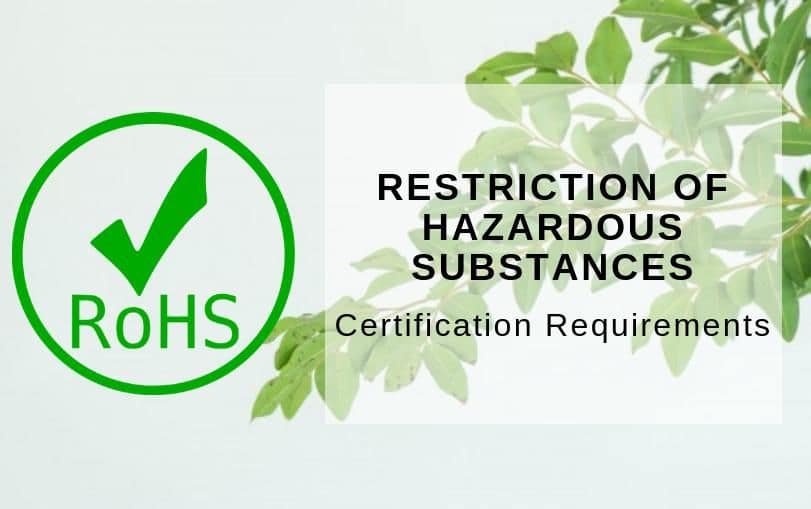
    RoHS certification is an essential requirement for manufacturers and exporters of electrical and electronic products. It ensures that products are free from hazardous substances and are safe for both consumers and the environment. Businesses aiming to enter global markets, especially in Europe, must comply with RoHS regulations to meet legal and environmental standards.

    What Is RoHS Certification?

    Restriction of Hazardous Substances Directive (RoHS) is a regulation introduced by the European Union that restricts the use of specific hazardous materials found in electrical and electronic equipment. RoHS certification confirms that a product complies with these restrictions and does not contain harmful substances beyond permitted limits.

    The directive primarily limits substances such as lead (Pb), mercury (Hg), cadmium (Cd), hexavalent chromium (Cr6+), polybrominated biphenyls (PBB), and polybrominated diphenyl ethers (PBDE).

    Why RoHS Certification Is Important

    RoHS certification plays a crucial role in protecting human health and the environment. Hazardous substances used in electronics can pose serious risks during manufacturing, usage, and disposal. By complying with RoHS standards, companies reduce environmental pollution and improve product safety.

    Additionally, RoHS compliance is mandatory for selling electronic products in the European market. Without certification, businesses may face legal penalties, product recalls, or restrictions on market entry.

    Scope of RoHS Certification

    RoHS applies to a wide range of electrical and electronic equipment, including:

    Household appliances
    IT and telecommunications equipment
    Consumer electronics
    Lighting products
    Medical devices
    Monitoring and control instruments

    Manufacturers, importers, and distributors involved in these product categories must ensure compliance with RoHS requirements.

    RoHS Certification Process

    The process of obtaining RoHS certification involves several steps:

    Product Assessment: Identify materials and components used in the product.
    Testing and Analysis: Conduct laboratory testing to detect restricted substances.
    Documentation: Prepare technical files, including test reports and compliance declarations.
    Declaration of Conformity (DoC): Issue a formal statement confirming compliance.
    CE Marking: Affix the CE mark to indicate conformity with EU regulations.

    Working with accredited testing laboratories and certification bodies ensures a smooth certification process.

    Benefits of RoHS Certification

    Obtaining RoHS certification offers several advantages:

    Market Access: Enables entry into European and international markets
    Environmental Protection: Reduces harmful waste and pollution
    Brand Reputation: Builds trust with customers and stakeholders
    Legal Compliance: Avoids fines and regulatory issues
    Competitive Advantage: Demonstrates commitment to sustainability
    Who Needs RoHS Certification?

    RoHS certification is required for:

    Manufacturers of electrical and electronic equipment
    Exporters targeting European markets
    Importers and distributors handling electronic products
    Businesses aiming to improve environmental compliance
    Conclusion

    RoHS certification is a critical standard for ensuring the safety and sustainability of electronic products. By complying with the Restriction of Hazardous Substances Directive, businesses not only meet legal requirements but also contribute to a cleaner and safer environment. Investing in RoHS compliance enhances global market opportunities and strengthens a company’s commitment to responsible manufacturing.

    website: https://iasiso-africa.com/rohs-certification-in-nigeria/
    RoHS Certification: A Complete Guide RoHS certification is an essential requirement for manufacturers and exporters of electrical and electronic products. It ensures that products are free from hazardous substances and are safe for both consumers and the environment. Businesses aiming to enter global markets, especially in Europe, must comply with RoHS regulations to meet legal and environmental standards. What Is RoHS Certification? Restriction of Hazardous Substances Directive (RoHS) is a regulation introduced by the European Union that restricts the use of specific hazardous materials found in electrical and electronic equipment. RoHS certification confirms that a product complies with these restrictions and does not contain harmful substances beyond permitted limits. The directive primarily limits substances such as lead (Pb), mercury (Hg), cadmium (Cd), hexavalent chromium (Cr6+), polybrominated biphenyls (PBB), and polybrominated diphenyl ethers (PBDE). Why RoHS Certification Is Important RoHS certification plays a crucial role in protecting human health and the environment. Hazardous substances used in electronics can pose serious risks during manufacturing, usage, and disposal. By complying with RoHS standards, companies reduce environmental pollution and improve product safety. Additionally, RoHS compliance is mandatory for selling electronic products in the European market. Without certification, businesses may face legal penalties, product recalls, or restrictions on market entry. Scope of RoHS Certification RoHS applies to a wide range of electrical and electronic equipment, including: Household appliances IT and telecommunications equipment Consumer electronics Lighting products Medical devices Monitoring and control instruments Manufacturers, importers, and distributors involved in these product categories must ensure compliance with RoHS requirements. RoHS Certification Process The process of obtaining RoHS certification involves several steps: Product Assessment: Identify materials and components used in the product. Testing and Analysis: Conduct laboratory testing to detect restricted substances. Documentation: Prepare technical files, including test reports and compliance declarations. Declaration of Conformity (DoC): Issue a formal statement confirming compliance. CE Marking: Affix the CE mark to indicate conformity with EU regulations. Working with accredited testing laboratories and certification bodies ensures a smooth certification process. Benefits of RoHS Certification Obtaining RoHS certification offers several advantages: Market Access: Enables entry into European and international markets Environmental Protection: Reduces harmful waste and pollution Brand Reputation: Builds trust with customers and stakeholders Legal Compliance: Avoids fines and regulatory issues Competitive Advantage: Demonstrates commitment to sustainability Who Needs RoHS Certification? RoHS certification is required for: Manufacturers of electrical and electronic equipment Exporters targeting European markets Importers and distributors handling electronic products Businesses aiming to improve environmental compliance Conclusion RoHS certification is a critical standard for ensuring the safety and sustainability of electronic products. By complying with the Restriction of Hazardous Substances Directive, businesses not only meet legal requirements but also contribute to a cleaner and safer environment. Investing in RoHS compliance enhances global market opportunities and strengthens a company’s commitment to responsible manufacturing. website: https://iasiso-africa.com/rohs-certification-in-nigeria/

    RoHS Certification | RoHS Compliance - IAS Nigeria
    iasiso-africa.com
    Achieve RoHS Certification with IAS in Nigeria to ensure your products can be sold in Europe and meets the health and safety requirements. Apply today!
    0 Comentários ·0 Compartilhamentos ·902 Visualizações ·0 Anterior
  • CCA Wire Price Trend: Global Market Analysis, Demand Drivers, and Future Outlook

    The CCA Wire Price Trend is an important part of the global electrical materials market. CCA wire, also known as Copper Clad Aluminum wire, is widely used in electrical wiring, telecommunications, power transmission, automotive systems, and consumer electronics.....Read more.....https://www.price-watch.ai/copper-clad-aluminium-wire-prices/
    CCA Wire Price Trend: Global Market Analysis, Demand Drivers, and Future Outlook The CCA Wire Price Trend is an important part of the global electrical materials market. CCA wire, also known as Copper Clad Aluminum wire, is widely used in electrical wiring, telecommunications, power transmission, automotive systems, and consumer electronics.....Read more.....https://www.price-watch.ai/copper-clad-aluminium-wire-prices/
    0 Comentários ·0 Compartilhamentos ·345 Visualizações ·0 Anterior
  • Neodymium Price Trend: Global Market Analysis, Demand Drivers, and Future Outlook

    The Neodymium Price Trend is an important part of the global rare earth metals market. Neodymium is a highly valuable rare earth element mainly used in permanent magnets, electric vehicles, wind turbines, consumer electronics, medical devices, and industrial machinery. It is known for its strong magnetic properties, making it essential for high-performance technologies. Because of its strategic importance and limited supply, businesses closely monitor the Neodymium price trend to understand market movements and manage procurement strategies.....Read more.....https://www.price-watch.ai/neodymium-prices/
    Neodymium Price Trend: Global Market Analysis, Demand Drivers, and Future Outlook The Neodymium Price Trend is an important part of the global rare earth metals market. Neodymium is a highly valuable rare earth element mainly used in permanent magnets, electric vehicles, wind turbines, consumer electronics, medical devices, and industrial machinery. It is known for its strong magnetic properties, making it essential for high-performance technologies. Because of its strategic importance and limited supply, businesses closely monitor the Neodymium price trend to understand market movements and manage procurement strategies.....Read more.....https://www.price-watch.ai/neodymium-prices/
    0 Comentários ·0 Compartilhamentos ·328 Visualizações ·0 Anterior
  • RoHS Certification: Ensuring Safer Electronics for Global Markets

    Introduction to RoHS Certification

    European Union introduced RoHS Certification to control the use of hazardous substances in electrical and electronic products. RoHS stands for Restriction of Hazardous Substances, and it plays a major role in improving environmental safety and protecting human health. The regulation restricts the use of dangerous materials such as lead, mercury, cadmium, hexavalent chromium, and certain flame retardants in electronic equipment.

    Today, RoHS Certification is recognized globally because many countries and international buyers expect manufacturers to comply with these environmental standards. Companies involved in electronics manufacturing, importing, exporting, assembly, and distribution often require RoHS compliance to access international markets and strengthen customer trust. From smartphones and laptops to industrial machinery and household appliances, RoHS impacts a wide range of products used every day.

    Importance of RoHS Certification for Businesses

    RoHS Certification helps businesses demonstrate their commitment to environmental responsibility and product safety. Modern consumers are increasingly aware of sustainability issues, and organizations that follow eco-friendly manufacturing practices gain a competitive advantage in the marketplace. Compliance with RoHS standards also helps reduce environmental pollution caused by electronic waste.

    For manufacturers, RoHS Certification supports smoother entry into global trade markets, especially in regions where environmental regulations are strict. Many retailers, distributors, and government agencies prefer working with suppliers that meet RoHS requirements. Without compliance, businesses may face shipment delays, legal penalties, product recalls, or restrictions on selling products internationally.

    Another important advantage is improved brand reputation. Companies that prioritize safe materials and environmentally responsible production often attract more customers and business partners. RoHS compliance also encourages better supply chain management because organizations must verify that raw materials and components meet regulatory standards.

    Industries That Need RoHS Certification

    RoHS Certification is highly relevant for industries connected to electronics and electrical equipment. Manufacturers of consumer electronics, medical devices, telecommunications equipment, automotive electronics, lighting products, and industrial machinery commonly require compliance. Companies producing cables, printed circuit boards, semiconductors, batteries, and electronic accessories also benefit from RoHS implementation.

    As global regulations continue to evolve, many industries now consider RoHS compliance a standard business requirement rather than an optional certification. Export-oriented businesses especially depend on RoHS Certification to maintain uninterrupted international trade operations.

    RoHS Certification Process

    The RoHS Certification process generally begins with evaluating the materials and components used in manufacturing. Organizations review their products to identify whether restricted hazardous substances are present above allowable limits. Testing laboratories may conduct chemical analysis to confirm compliance with RoHS standards.

    After testing and verification, businesses prepare technical documentation that demonstrates conformity with RoHS requirements. This documentation may include material declarations, supplier certifications, product specifications, and laboratory test reports. Once all requirements are satisfied, the organization can declare RoHS compliance for its products.

    Regular monitoring and supplier management are essential to maintaining certification. Businesses must ensure that future production batches continue to meet RoHS standards and that suppliers consistently provide compliant materials.

    Conclusion

    RoHS Certification has become an essential requirement in the modern electronics industry. It helps businesses improve environmental sustainability, enhance product safety, and strengthen access to international markets. By reducing hazardous substances in electronic products, RoHS contributes to a cleaner environment and safer consumer experiences. Organizations that achieve RoHS compliance not only meet regulatory expectations but also build long-term credibility and trust in the global marketplace.

    Web: https://ias-malaysia.com/rohs-certification-in-malaysia/
    RoHS Certification: Ensuring Safer Electronics for Global Markets Introduction to RoHS Certification European Union introduced RoHS Certification to control the use of hazardous substances in electrical and electronic products. RoHS stands for Restriction of Hazardous Substances, and it plays a major role in improving environmental safety and protecting human health. The regulation restricts the use of dangerous materials such as lead, mercury, cadmium, hexavalent chromium, and certain flame retardants in electronic equipment. Today, RoHS Certification is recognized globally because many countries and international buyers expect manufacturers to comply with these environmental standards. Companies involved in electronics manufacturing, importing, exporting, assembly, and distribution often require RoHS compliance to access international markets and strengthen customer trust. From smartphones and laptops to industrial machinery and household appliances, RoHS impacts a wide range of products used every day. Importance of RoHS Certification for Businesses RoHS Certification helps businesses demonstrate their commitment to environmental responsibility and product safety. Modern consumers are increasingly aware of sustainability issues, and organizations that follow eco-friendly manufacturing practices gain a competitive advantage in the marketplace. Compliance with RoHS standards also helps reduce environmental pollution caused by electronic waste. For manufacturers, RoHS Certification supports smoother entry into global trade markets, especially in regions where environmental regulations are strict. Many retailers, distributors, and government agencies prefer working with suppliers that meet RoHS requirements. Without compliance, businesses may face shipment delays, legal penalties, product recalls, or restrictions on selling products internationally. Another important advantage is improved brand reputation. Companies that prioritize safe materials and environmentally responsible production often attract more customers and business partners. RoHS compliance also encourages better supply chain management because organizations must verify that raw materials and components meet regulatory standards. Industries That Need RoHS Certification RoHS Certification is highly relevant for industries connected to electronics and electrical equipment. Manufacturers of consumer electronics, medical devices, telecommunications equipment, automotive electronics, lighting products, and industrial machinery commonly require compliance. Companies producing cables, printed circuit boards, semiconductors, batteries, and electronic accessories also benefit from RoHS implementation. As global regulations continue to evolve, many industries now consider RoHS compliance a standard business requirement rather than an optional certification. Export-oriented businesses especially depend on RoHS Certification to maintain uninterrupted international trade operations. RoHS Certification Process The RoHS Certification process generally begins with evaluating the materials and components used in manufacturing. Organizations review their products to identify whether restricted hazardous substances are present above allowable limits. Testing laboratories may conduct chemical analysis to confirm compliance with RoHS standards. After testing and verification, businesses prepare technical documentation that demonstrates conformity with RoHS requirements. This documentation may include material declarations, supplier certifications, product specifications, and laboratory test reports. Once all requirements are satisfied, the organization can declare RoHS compliance for its products. Regular monitoring and supplier management are essential to maintaining certification. Businesses must ensure that future production batches continue to meet RoHS standards and that suppliers consistently provide compliant materials. Conclusion RoHS Certification has become an essential requirement in the modern electronics industry. It helps businesses improve environmental sustainability, enhance product safety, and strengthen access to international markets. By reducing hazardous substances in electronic products, RoHS contributes to a cleaner environment and safer consumer experiences. Organizations that achieve RoHS compliance not only meet regulatory expectations but also build long-term credibility and trust in the global marketplace. Web: https://ias-malaysia.com/rohs-certification-in-malaysia/
    RoHS Certification
    ias-malaysia.com
    Companies that achieve ROHS Certification ensure that their products are compliant with the Restriction of Hazardous Substances EU Directive. Apply now!
    0 Comentários ·0 Compartilhamentos ·3KB Visualizações ·0 Anterior
  • Embedded Hardware Solutions

    At Jenex Tech, we pride ourselves on our cutting-edge R&D capabilities, robust engineering processes, and commitment to quality. Our solutions enable businesses to enhance their products, optimize operational efficiency, and accelerate time-to-market. Whether it’s for industrial automation, consumer electronics, telecommunications, or healthcare applications, Jenex Tech offers comprehensive hardware solutions that drive innovation and success.

    https://www.jenextech.com/embedded-hardware-solutions/
    Embedded Hardware Solutions At Jenex Tech, we pride ourselves on our cutting-edge R&D capabilities, robust engineering processes, and commitment to quality. Our solutions enable businesses to enhance their products, optimize operational efficiency, and accelerate time-to-market. Whether it’s for industrial automation, consumer electronics, telecommunications, or healthcare applications, Jenex Tech offers comprehensive hardware solutions that drive innovation and success. https://www.jenextech.com/embedded-hardware-solutions/
    Embedded Hardware Solutions
    www.jenextech.com
    Jenex Tech delivers powerful Embedded Hardware Solutions to build smart, reliable, and innovative products for industries worldwide. Partner with us today!
    0 Comentários ·0 Compartilhamentos ·882 Visualizações ·0 Anterior
  • Embedded Firmware Solutions

    Jenex Tech specializes in delivering cutting-edge embedded firmware solutions tailored to meet the dynamic needs of diverse industries. Our expertise lies in designing, developing, and deploying robust firmware that powers a wide range of embedded systems, from consumer electronics to industrial automation. With a focus on reliability, efficiency, and innovation, Jenex Tech ensures seamless integration and optimal performance of hardware components.

    https://www.jenextech.com/embedded-firmware-solutions/
    Embedded Firmware Solutions Jenex Tech specializes in delivering cutting-edge embedded firmware solutions tailored to meet the dynamic needs of diverse industries. Our expertise lies in designing, developing, and deploying robust firmware that powers a wide range of embedded systems, from consumer electronics to industrial automation. With a focus on reliability, efficiency, and innovation, Jenex Tech ensures seamless integration and optimal performance of hardware components. https://www.jenextech.com/embedded-firmware-solutions/
    Embedded Firmware Solutions
    www.jenextech.com
    Partner with the best IoT solution providers at Jenex Tech. We deliver powerful, scalable IoT solutions to connect your world and drive innovation globally.
    0 Comentários ·0 Compartilhamentos ·452 Visualizações ·0 Anterior
  • Embedded Product Solutions

    Jenex Tech specializes in delivering cutting-edge Embedded Product Solutions designed to meet the diverse needs of modern industries. Our portfolio includes a comprehensive range of embedded systems and software solutions tailored for various applications, from consumer electronics to industrial automation, automotive, healthcare, and beyond.

    https://www.jenextech.com/embedded-product-solutions/
    Embedded Product Solutions Jenex Tech specializes in delivering cutting-edge Embedded Product Solutions designed to meet the diverse needs of modern industries. Our portfolio includes a comprehensive range of embedded systems and software solutions tailored for various applications, from consumer electronics to industrial automation, automotive, healthcare, and beyond. https://www.jenextech.com/embedded-product-solutions/
    Embedded Product Solutions
    www.jenextech.com
    Jenex Tech offers reliable Embedded Product Solutions to power smart, efficient, and future-ready devices across industries worldwide. Partner with us today!
    0 Comentários ·0 Compartilhamentos ·557 Visualizações ·0 Anterior
  • https://www.databridgemarketresearch.com/reports/middle-east-and-africa-consumer-electronics-packaging-market
    https://www.databridgemarketresearch.com/reports/middle-east-and-africa-consumer-electronics-packaging-market
    www.databridgemarketresearch.com
    Middle East and Africa Consumer Electronics Packaging Market stood at USD 3.81 Billion in 2025 and is forecasted to hit USD 9.38 Billion by 2033, progressing at a CAGR of 11.9% (2026–2033).
    0 Comentários ·0 Compartilhamentos ·2KB Visualizações ·0 Anterior
  • Certificazione RoHS: Compliance and Environmental Responsibility in Electronics Manufacturing

    Introduction to RoHS Certification

    Certificazione RoHS refers to compliance with the Restriction of Hazardous Substances Directive, a European Union regulation that limits the use of specific hazardous materials in electrical and electronic equipment (EEE). The primary objective of RoHS is to reduce environmental impact and protect human health by restricting substances such as lead, mercury, cadmium, hexavalent chromium, and certain brominated flame retardants. For manufacturers, importers, and distributors placing products on the European market, RoHS compliance is a legal obligation. Beyond regulatory necessity, achieving RoHS certification demonstrates a company’s commitment to environmental responsibility and sustainable production practices.

    Scope and Applicability of the RoHS Directive

    The RoHS Directive applies to a wide range of electrical and electronic products, including consumer electronics, IT equipment, lighting devices, medical instruments, industrial machinery, and telecommunications products. Any product that depends on electric currents or electromagnetic fields to function may fall within its scope.

    To achieve certificazione RoHS, organizations must carefully evaluate whether their products are covered under the directive. The regulation establishes maximum concentration values for restricted substances in homogeneous materials. This means that every component, part, or material within the product must meet the defined limits. As a result, compliance requires detailed analysis of product composition and close collaboration with suppliers.

    Steps to Achieve RoHS Compliance

    The process of obtaining certificazione RoHS begins with a thorough assessment of materials and components used in manufacturing. Companies must collect supplier declarations, review material data sheets, and, when necessary, conduct laboratory testing to verify substance concentrations. Testing is typically performed using specialized analytical techniques to ensure accuracy and reliability.

    Once compliance is confirmed, manufacturers must prepare technical documentation demonstrating conformity. This documentation includes product descriptions, design information, risk assessments, and test reports. A Declaration of Conformity (DoC) must then be issued, confirming that the product meets all applicable RoHS requirements. In many cases, the CE marking is affixed to the product to indicate compliance with relevant European directives, including RoHS.

    Although third-party certification is not always mandatory, many organizations choose independent verification to strengthen credibility and minimize compliance risks.

    Benefits of RoHS Certification

    Certificazione RoHS offers several strategic advantages. First, it ensures legal access to the European market, helping companies avoid penalties, product recalls, or trade restrictions. Compliance is often a prerequisite for partnerships with global distributors and retailers.

    Second, RoHS certification enhances corporate reputation. Consumers and business clients increasingly value environmentally responsible practices. Demonstrating compliance with environmental regulations reinforces trust and supports brand positioning in competitive markets.

    Operationally, RoHS encourages improved supply chain transparency. Companies must establish effective communication and documentation systems with suppliers to ensure ongoing conformity. This process often leads to stronger quality control and better risk management practices.

    Maintaining Ongoing Compliance

    RoHS compliance is not a one-time activity. Regulatory updates and changes in product design may require continuous monitoring and reassessment. Organizations must maintain accurate documentation and regularly review supplier information to ensure sustained conformity. Integrating RoHS management into broader quality or environmental management systems can streamline oversight and reduce compliance challenges.

    Conclusion

    Certificazione RoHS represents both a regulatory requirement and a strategic commitment to sustainable manufacturing. By restricting hazardous substances in electronic products, the directive promotes environmental protection and safer waste management practices. For organizations, achieving and maintaining RoHS compliance strengthens market access, enhances brand credibility, and supports long-term business sustainability in a globally regulated marketplace.

    Web: https://iasiso-europe.com/italy/certificazione-rohs-in-italia/
    Certificazione RoHS: Compliance and Environmental Responsibility in Electronics Manufacturing Introduction to RoHS Certification Certificazione RoHS refers to compliance with the Restriction of Hazardous Substances Directive, a European Union regulation that limits the use of specific hazardous materials in electrical and electronic equipment (EEE). The primary objective of RoHS is to reduce environmental impact and protect human health by restricting substances such as lead, mercury, cadmium, hexavalent chromium, and certain brominated flame retardants. For manufacturers, importers, and distributors placing products on the European market, RoHS compliance is a legal obligation. Beyond regulatory necessity, achieving RoHS certification demonstrates a company’s commitment to environmental responsibility and sustainable production practices. Scope and Applicability of the RoHS Directive The RoHS Directive applies to a wide range of electrical and electronic products, including consumer electronics, IT equipment, lighting devices, medical instruments, industrial machinery, and telecommunications products. Any product that depends on electric currents or electromagnetic fields to function may fall within its scope. To achieve certificazione RoHS, organizations must carefully evaluate whether their products are covered under the directive. The regulation establishes maximum concentration values for restricted substances in homogeneous materials. This means that every component, part, or material within the product must meet the defined limits. As a result, compliance requires detailed analysis of product composition and close collaboration with suppliers. Steps to Achieve RoHS Compliance The process of obtaining certificazione RoHS begins with a thorough assessment of materials and components used in manufacturing. Companies must collect supplier declarations, review material data sheets, and, when necessary, conduct laboratory testing to verify substance concentrations. Testing is typically performed using specialized analytical techniques to ensure accuracy and reliability. Once compliance is confirmed, manufacturers must prepare technical documentation demonstrating conformity. This documentation includes product descriptions, design information, risk assessments, and test reports. A Declaration of Conformity (DoC) must then be issued, confirming that the product meets all applicable RoHS requirements. In many cases, the CE marking is affixed to the product to indicate compliance with relevant European directives, including RoHS. Although third-party certification is not always mandatory, many organizations choose independent verification to strengthen credibility and minimize compliance risks. Benefits of RoHS Certification Certificazione RoHS offers several strategic advantages. First, it ensures legal access to the European market, helping companies avoid penalties, product recalls, or trade restrictions. Compliance is often a prerequisite for partnerships with global distributors and retailers. Second, RoHS certification enhances corporate reputation. Consumers and business clients increasingly value environmentally responsible practices. Demonstrating compliance with environmental regulations reinforces trust and supports brand positioning in competitive markets. Operationally, RoHS encourages improved supply chain transparency. Companies must establish effective communication and documentation systems with suppliers to ensure ongoing conformity. This process often leads to stronger quality control and better risk management practices. Maintaining Ongoing Compliance RoHS compliance is not a one-time activity. Regulatory updates and changes in product design may require continuous monitoring and reassessment. Organizations must maintain accurate documentation and regularly review supplier information to ensure sustained conformity. Integrating RoHS management into broader quality or environmental management systems can streamline oversight and reduce compliance challenges. Conclusion Certificazione RoHS represents both a regulatory requirement and a strategic commitment to sustainable manufacturing. By restricting hazardous substances in electronic products, the directive promotes environmental protection and safer waste management practices. For organizations, achieving and maintaining RoHS compliance strengthens market access, enhances brand credibility, and supports long-term business sustainability in a globally regulated marketplace. Web: https://iasiso-europe.com/italy/certificazione-rohs-in-italia/
    Certificazione RoHS | Conformità RoHS - IAS Italia
    iasiso-europe.com
    Ottieni la certificazione RoHS con IAS in Italia per garantire che i tuoi prodotti soddisfino i requisiti della Direttiva RoHS. Candidati oggi!
    0 Comentários ·0 Compartilhamentos ·5KB Visualizações ·0 Anterior
  • Precision Glass Molding Market to Reach USD 6.38 Billion by 2030, Fueled by Optical Technology Demand

    Precision glass molding market was estimated at USD 1.02 billion in 2023. According to a new industry analysis, the market is projected to reach USD 6.38 billion by 2030, exhibiting an exceptional compound annual growth rate (CAGR) of 30.00% during the forecast period. This accelerated growth is primarily driven by increasing integration in automotive advanced driver-assistance systems, expanding adoption in consumer electronics, and growing demand for high-performance optical components across multiple technology sectors.

    Purchase the Complete Market Analysis: https://www.24chemicalresearch.com/reports/287122/global-precision-glass-molding-forecast-market-2025-2032-786
    Precision Glass Molding Market to Reach USD 6.38 Billion by 2030, Fueled by Optical Technology Demand Precision glass molding market was estimated at USD 1.02 billion in 2023. According to a new industry analysis, the market is projected to reach USD 6.38 billion by 2030, exhibiting an exceptional compound annual growth rate (CAGR) of 30.00% during the forecast period. This accelerated growth is primarily driven by increasing integration in automotive advanced driver-assistance systems, expanding adoption in consumer electronics, and growing demand for high-performance optical components across multiple technology sectors. Purchase the Complete Market Analysis: https://www.24chemicalresearch.com/reports/287122/global-precision-glass-molding-forecast-market-2025-2032-786
    Precision Glass Molding Market, Global Outlook and Forecast 2025-2032
    www.24chemicalresearch.com
    Precision Glass Molding Global Precision Glass Molding market was valued at USD 1016 million in 2023 and is projected to reach USD 6375.25 million by 2030, at a CAGR of 30.00% during the forecast period.
    0 Comentários ·0 Compartilhamentos ·2KB Visualizações ·0 Anterior
  • The global magnetic sensors market is witnessing significant growth driven by rapid advancements in sensing technology, increasing demand for automation, and expanding applications across automotive, industrial, and consumer electronics sectors. Magnetic sensors are crucial components used to detect changes in magnetic fields and convert them into electrical signals. Their ability to perform contactless measurements makes them essential for applications requiring precision, safety, and reliability.

    As industries move toward digitalization and smart automation, magnetic sensors have become vital in various systems such as position detection, current sensing, speed measurement, and proximity sensing. The rising trend of electric vehicles, renewable energy integration, and Industry 4.0 is further accelerating the adoption of advanced magnetic sensing technologies worldwide.

    Market Overview
    Magnetic sensors play a fundamental role in modern electronics, enabling real-time monitoring and control in multiple applications. These sensors detect magnetic field strength, direction, or flux density and translate this information into readable electrical signals for data processing systems. They are widely utilized in automotive safety systems, consumer gadgets, industrial machinery, and healthcare equipment.

    The increasing focus on miniaturization and energy efficiency has driven innovation in Hall Effect sensors, magnetoresistive sensors, fluxgate sensors, and anisotropic magnetoresistance (AMR) technologies. Hall Effect sensors, in particular, are highly popular due to their versatility, durability, and compatibility with integrated circuits. Meanwhile, magnetoresistive sensors are gaining traction in high-precision applications, especially in electric vehicles, robotics, and aerospace systems.

    Growing adoption of automation and smart devices has enhanced the demand for accurate magnetic field measurement. Furthermore, government initiatives promoting electric mobility and renewable energy solutions are boosting the usage of magnetic sensors for current detection and energy management. These sensors are also integral to security systems, medical imaging, and industrial robotics, where performance and precision are paramount.

    However, market players face challenges related to pricing pressure, temperature stability, and sensitivity limitations. Despite these challenges, continuous innovation in sensor materials and integration with microelectromechanical systems (MEMS) is expanding the scope of the magnetic sensors industry.

    Browse More Insights:https://www.polarismarketresearch.com/industry-analysis/magnetic-sensors-market

    The global magnetic sensors market is witnessing significant growth driven by rapid advancements in sensing technology, increasing demand for automation, and expanding applications across automotive, industrial, and consumer electronics sectors. Magnetic sensors are crucial components used to detect changes in magnetic fields and convert them into electrical signals. Their ability to perform contactless measurements makes them essential for applications requiring precision, safety, and reliability. As industries move toward digitalization and smart automation, magnetic sensors have become vital in various systems such as position detection, current sensing, speed measurement, and proximity sensing. The rising trend of electric vehicles, renewable energy integration, and Industry 4.0 is further accelerating the adoption of advanced magnetic sensing technologies worldwide. Market Overview Magnetic sensors play a fundamental role in modern electronics, enabling real-time monitoring and control in multiple applications. These sensors detect magnetic field strength, direction, or flux density and translate this information into readable electrical signals for data processing systems. They are widely utilized in automotive safety systems, consumer gadgets, industrial machinery, and healthcare equipment. The increasing focus on miniaturization and energy efficiency has driven innovation in Hall Effect sensors, magnetoresistive sensors, fluxgate sensors, and anisotropic magnetoresistance (AMR) technologies. Hall Effect sensors, in particular, are highly popular due to their versatility, durability, and compatibility with integrated circuits. Meanwhile, magnetoresistive sensors are gaining traction in high-precision applications, especially in electric vehicles, robotics, and aerospace systems. Growing adoption of automation and smart devices has enhanced the demand for accurate magnetic field measurement. Furthermore, government initiatives promoting electric mobility and renewable energy solutions are boosting the usage of magnetic sensors for current detection and energy management. These sensors are also integral to security systems, medical imaging, and industrial robotics, where performance and precision are paramount. However, market players face challenges related to pricing pressure, temperature stability, and sensitivity limitations. Despite these challenges, continuous innovation in sensor materials and integration with microelectromechanical systems (MEMS) is expanding the scope of the magnetic sensors industry. Browse More Insights:https://www.polarismarketresearch.com/industry-analysis/magnetic-sensors-market
    Magnetic Sensor Market Size Report, 2025 - 2034
    www.polarismarketresearch.com
    The global magnetic sensor market size to rise from USD 3.83 bn in 2024 is to climb USD 7.20 bn in 2034, increasing at a CAGR of 6.5% between 2025 and 2034.
    0 Comentários ·0 Compartilhamentos ·9KB Visualizações ·0 Anterior