• CE Certification: Ensuring Product Safety and Compliance in the European Market

    CE Marking, often referred to as CE certification, is a mandatory conformity marking required for many products sold within the European Union and the European Economic Area. The CE mark indicates that a product meets the essential safety, health, and environmental protection requirements established by European regulations. Manufacturers use this marking to demonstrate that their products comply with applicable EU directives before they are placed on the European market.

    What is CE Certification?

    The CE Marking is not a quality mark but a declaration by the manufacturer that the product complies with all relevant European legislation. It allows products to move freely within the European market without additional national approvals.

    Products that commonly require CE certification include medical devices, electrical equipment, machinery, toys, construction products, and personal protective equipment. The CE mark ensures that these products meet strict safety and performance requirements before they reach consumers.

    Importance of CE Certification

    Obtaining CE Marking provides several important benefits for manufacturers and businesses. One of the primary advantages is access to the European market. Without the CE mark, many products cannot legally be sold in EU countries.

    Another benefit is increased consumer trust. The CE marking indicates that a product has been assessed for safety and compliance, giving customers confidence in its reliability. It also helps manufacturers demonstrate compliance with European regulations and avoid legal penalties or product recalls.

    CE certification also improves a company’s global reputation. Many businesses outside Europe seek CE marking because it shows that their products meet internationally recognized safety standards.

    CE Certification Process

    The process of obtaining CE Marking typically involves several steps. First, manufacturers must identify the applicable EU directives and standards related to their product. These directives define the safety and performance requirements that must be met.

    Next, the manufacturer conducts a conformity assessment to verify that the product meets the necessary requirements. This may include product testing, risk analysis, and preparation of technical documentation. In some cases, an independent testing organization called a Notified Body must evaluate the product before certification.

    Once compliance is confirmed, the manufacturer prepares a Declaration of Conformity and affixes the CE mark to the product. This declaration states that the product meets all relevant EU regulations.

    Industries That Require CE Certification

    Many industries require CE Marking to sell products in Europe. These include electronics, medical devices, construction materials, industrial machinery, telecommunications equipment, and consumer products. Companies in these sectors must ensure their products meet the necessary standards before entering the market.

    Conclusion

    CE Marking plays a crucial role in ensuring product safety and regulatory compliance within the European Union. By obtaining CE certification, manufacturers can legally market their products across European countries, improve customer trust, and demonstrate their commitment to meeting strict safety and environmental requirements. This certification is an essential step for businesses seeking to expand into international markets and maintain high product quality standards.

    website: https://iasiso-asia.com/VN/ce-marking-certification-in-vietnam/
    CE Certification: Ensuring Product Safety and Compliance in the European Market CE Marking, often referred to as CE certification, is a mandatory conformity marking required for many products sold within the European Union and the European Economic Area. The CE mark indicates that a product meets the essential safety, health, and environmental protection requirements established by European regulations. Manufacturers use this marking to demonstrate that their products comply with applicable EU directives before they are placed on the European market. What is CE Certification? The CE Marking is not a quality mark but a declaration by the manufacturer that the product complies with all relevant European legislation. It allows products to move freely within the European market without additional national approvals. Products that commonly require CE certification include medical devices, electrical equipment, machinery, toys, construction products, and personal protective equipment. The CE mark ensures that these products meet strict safety and performance requirements before they reach consumers. Importance of CE Certification Obtaining CE Marking provides several important benefits for manufacturers and businesses. One of the primary advantages is access to the European market. Without the CE mark, many products cannot legally be sold in EU countries. Another benefit is increased consumer trust. The CE marking indicates that a product has been assessed for safety and compliance, giving customers confidence in its reliability. It also helps manufacturers demonstrate compliance with European regulations and avoid legal penalties or product recalls. CE certification also improves a company’s global reputation. Many businesses outside Europe seek CE marking because it shows that their products meet internationally recognized safety standards. CE Certification Process The process of obtaining CE Marking typically involves several steps. First, manufacturers must identify the applicable EU directives and standards related to their product. These directives define the safety and performance requirements that must be met. Next, the manufacturer conducts a conformity assessment to verify that the product meets the necessary requirements. This may include product testing, risk analysis, and preparation of technical documentation. In some cases, an independent testing organization called a Notified Body must evaluate the product before certification. Once compliance is confirmed, the manufacturer prepares a Declaration of Conformity and affixes the CE mark to the product. This declaration states that the product meets all relevant EU regulations. Industries That Require CE Certification Many industries require CE Marking to sell products in Europe. These include electronics, medical devices, construction materials, industrial machinery, telecommunications equipment, and consumer products. Companies in these sectors must ensure their products meet the necessary standards before entering the market. Conclusion CE Marking plays a crucial role in ensuring product safety and regulatory compliance within the European Union. By obtaining CE certification, manufacturers can legally market their products across European countries, improve customer trust, and demonstrate their commitment to meeting strict safety and environmental requirements. This certification is an essential step for businesses seeking to expand into international markets and maintain high product quality standards. website: https://iasiso-asia.com/VN/ce-marking-certification-in-vietnam/
    CE Certification | CE Marking Certification - IAS Vietnam
    iasiso-asia.com
    CE Mark Certification is beneficial to organizations that want to market their products in Europe. Apply now with IAS and get a free consultation!
    0 Comments ·0 Shares ·204 Views ·0 Reviews
  • Invoidea establishes itself as the jewelry website design company for elegant online stores
    Invoidea serves as the jewelry website design company that designs visually stunning websites for jewelry brands. It showcases high-quality product galleries, secure eCommerce functionality, and luxury-inspired layouts to enhance customer trust and brand appeal.
    https://invoidea.com/jewelry-website-design-company

    Invoidea establishes itself as the jewelry website design company for elegant online stores Invoidea serves as the jewelry website design company that designs visually stunning websites for jewelry brands. It showcases high-quality product galleries, secure eCommerce functionality, and luxury-inspired layouts to enhance customer trust and brand appeal. https://invoidea.com/jewelry-website-design-company
    invoidea.com
    We are a leading Jewelry Website Design Company in India, offering Jewelry Web Development at the cheapest prices for jewelry stores, makers, and brands.
    0 Comments ·0 Shares ·240 Views ·0 Reviews
  • ISO Certification in Iraq: Enhancing Business Standards and Global Recognition

    ISO certification in Iraq helps organizations improve their management systems, maintain consistent quality, and meet international business standards. Many companies across industries such as oil and gas, construction, manufacturing, healthcare, and food production pursue ISO certification to enhance operational efficiency and gain credibility in both local and international markets. Implementing ISO standards enables businesses to adopt structured processes, improve productivity, and build trust with customers and stakeholders.

    What is ISO Certification?

    ISO certification in iraq confirms that a company follows internationally recognized standards for managing processes, quality, safety, or information security. These standards provide guidelines for creating effective management systems that ensure consistent performance and continuous improvement. Organizations that achieve ISO certification demonstrate their commitment to delivering reliable products and services while maintaining compliance with global best practices.

    Popular ISO Standards in Iraq

    Several ISO standards are widely implemented by organizations in Iraq depending on their industry requirements:

    ISO 9001 – Quality Management System

    ISO 14001 – Environmental Management System

    ISO 45001 – Occupational Health and Safety Management System

    ISO 27001 – Information Security Management System

    ISO 22000 – Food Safety Management System

    These certifications help organizations standardize their processes, improve performance, and comply with international expectations.

    Benefits of ISO Certification in Iraq

    Obtaining ISO certification offers several advantages for Iraqi businesses.

    1. Improved Operational Efficiency
    ISO standards require companies to define processes, monitor performance, and eliminate inefficiencies, which helps improve productivity and reduce operational errors.

    2. Better Market Opportunities
    Many government and private sector tenders prefer or require ISO-certified companies, particularly in industries such as construction, infrastructure, and oil and gas.

    3. Increased Customer Confidence
    Certification demonstrates that a company follows recognized quality and safety standards, which strengthens trust among customers, partners, and investors.

    4. Access to International Markets
    ISO certification aligns companies with global standards, making it easier to collaborate with international clients and expand into new markets.

    5. Improved Risk Management
    ISO frameworks encourage organizations to identify potential risks and implement preventive measures, helping maintain stable operations.

    ISO Certification Process in Iraq

    The process for obtaining ISO certification usually includes the following steps:

    Gap Analysis – Evaluate existing processes and identify areas for improvement.

    System Implementation – Develop policies and procedures according to ISO requirements.

    Employee Training – Train staff to understand and follow the management system.

    Internal Audit – Conduct internal reviews to ensure compliance.

    Certification Audit – An accredited certification body performs an external audit.

    Certification Issued – The organization receives ISO certification after successful evaluation.

    Depending on the organization’s size and readiness, the certification process may take around 45–90 days.

    Conclusion

    ISO certification in Iraq plays an important role in helping organizations improve quality, enhance efficiency, and build international credibility. By implementing standards such as ISO 9001, ISO 14001, and ISO 45001, businesses can strengthen their management systems, gain customer trust, and compete effectively in both local and global markets.

    website:https://iasiso-gulf.com/iso-certification/
    ISO Certification in Iraq: Enhancing Business Standards and Global Recognition ISO certification in Iraq helps organizations improve their management systems, maintain consistent quality, and meet international business standards. Many companies across industries such as oil and gas, construction, manufacturing, healthcare, and food production pursue ISO certification to enhance operational efficiency and gain credibility in both local and international markets. Implementing ISO standards enables businesses to adopt structured processes, improve productivity, and build trust with customers and stakeholders. What is ISO Certification? ISO certification in iraq confirms that a company follows internationally recognized standards for managing processes, quality, safety, or information security. These standards provide guidelines for creating effective management systems that ensure consistent performance and continuous improvement. Organizations that achieve ISO certification demonstrate their commitment to delivering reliable products and services while maintaining compliance with global best practices. Popular ISO Standards in Iraq Several ISO standards are widely implemented by organizations in Iraq depending on their industry requirements: ISO 9001 – Quality Management System ISO 14001 – Environmental Management System ISO 45001 – Occupational Health and Safety Management System ISO 27001 – Information Security Management System ISO 22000 – Food Safety Management System These certifications help organizations standardize their processes, improve performance, and comply with international expectations. Benefits of ISO Certification in Iraq Obtaining ISO certification offers several advantages for Iraqi businesses. 1. Improved Operational Efficiency ISO standards require companies to define processes, monitor performance, and eliminate inefficiencies, which helps improve productivity and reduce operational errors. 2. Better Market Opportunities Many government and private sector tenders prefer or require ISO-certified companies, particularly in industries such as construction, infrastructure, and oil and gas. 3. Increased Customer Confidence Certification demonstrates that a company follows recognized quality and safety standards, which strengthens trust among customers, partners, and investors. 4. Access to International Markets ISO certification aligns companies with global standards, making it easier to collaborate with international clients and expand into new markets. 5. Improved Risk Management ISO frameworks encourage organizations to identify potential risks and implement preventive measures, helping maintain stable operations. ISO Certification Process in Iraq The process for obtaining ISO certification usually includes the following steps: Gap Analysis – Evaluate existing processes and identify areas for improvement. System Implementation – Develop policies and procedures according to ISO requirements. Employee Training – Train staff to understand and follow the management system. Internal Audit – Conduct internal reviews to ensure compliance. Certification Audit – An accredited certification body performs an external audit. Certification Issued – The organization receives ISO certification after successful evaluation. Depending on the organization’s size and readiness, the certification process may take around 45–90 days. Conclusion ISO certification in Iraq plays an important role in helping organizations improve quality, enhance efficiency, and build international credibility. By implementing standards such as ISO 9001, ISO 14001, and ISO 45001, businesses can strengthen their management systems, gain customer trust, and compete effectively in both local and global markets. website:https://iasiso-gulf.com/iso-certification/
    ISO Certification | ISO Certification In Iraq - IAS
    iasiso-gulf.com
    Achieve ISO certification with IAS! We offer the most affordable ISO Certification Services in the market! E-mail: enquiry@iascertification.com to apply!
    0 Comments ·0 Shares ·619 Views ·0 Reviews
  • ISO 9001 Certification: Building a Strong Quality Management System

    Introduction to ISO 9001 Certification

    ISO 9001 certification is the world’s most recognized standard for Quality Management Systems (QMS). It provides organizations with a structured framework to consistently deliver products and services that meet customer expectations and regulatory requirements. The standard is developed and published by the International Organization for Standardization (ISO), an independent international organization responsible for creating globally accepted standards.

    ISO 9001 is applicable to businesses of all sizes and industries, from manufacturing and healthcare to IT and service providers. Its flexible structure allows organizations to adapt the requirements to their specific operational needs while maintaining compliance with international best practices.

    Core Principles of ISO 9001

    ISO 9001 certification is built upon seven quality management principles that guide organizations toward sustainable success:

    Customer Focus – Understanding and meeting customer needs to enhance satisfaction.

    Leadership – Establishing a clear vision and direction within the organization.

    Engagement of People – Encouraging employee involvement and accountability.

    Process Approach – Managing activities as interconnected processes for efficiency.

    Improvement – Continuously enhancing performance and quality standards.

    Evidence-Based Decision Making – Using data and analysis to drive decisions.

    Relationship Management – Building strong relationships with suppliers and stakeholders.

    These principles help organizations create a culture of quality and accountability across all departments.

    Requirements of ISO 9001 Certification

    To achieve ISO 9001 certification, an organization must establish and maintain a documented Quality Management System. Key requirements include:

    Defining the organizational context and identifying interested parties

    Establishing a quality policy and measurable objectives

    Implementing risk-based thinking to address potential challenges

    Managing resources effectively, including human capital and infrastructure

    Monitoring, measuring, and analyzing performance

    Conducting internal audits and management reviews

    The standard follows the Plan-Do-Check-Act (PDCA) cycle, promoting systematic planning, implementation, evaluation, and continuous improvement.

    The Certification Process

    The ISO 9001 certification process typically involves several stages. First, the organization conducts a gap analysis to identify areas that need improvement. Next, it develops and implements the QMS documentation, including procedures and records.

    After implementation, internal audits are performed to ensure compliance with ISO 9001 requirements. Once the organization is ready, an accredited certification body conducts an external audit in two stages: a documentation review and an on-site assessment. If the organization meets all requirements, it is awarded ISO 9001 certification, which is generally valid for three years with annual surveillance audits.

    Benefits of ISO 9001 Certification

    ISO 9001 certification provides numerous advantages. It enhances operational efficiency by streamlining processes and reducing waste. It also improves customer satisfaction by ensuring consistent product and service quality.

    From a business perspective, certification increases credibility and strengthens market reputation. Many organizations require ISO 9001 certification as a prerequisite for supplier partnerships or participation in tenders. Additionally, it supports international expansion by aligning operations with globally recognized standards.

    Continuous Improvement and Long-Term Success

    ISO 9001 certification is not a one-time achievement but an ongoing commitment to excellence. Organizations must continuously monitor performance, address nonconformities, and seek improvement opportunities.

    In today’s competitive global environment, ISO 9001 certification serves as a strategic tool for driving quality, efficiency, and customer trust. By implementing a robust Quality Management System, organizations position themselves for sustainable growth and long-term success.

    Web: https://iasiso-europe.com/french/iso-9001-certification-en-france/
    ISO 9001 Certification: Building a Strong Quality Management System Introduction to ISO 9001 Certification ISO 9001 certification is the world’s most recognized standard for Quality Management Systems (QMS). It provides organizations with a structured framework to consistently deliver products and services that meet customer expectations and regulatory requirements. The standard is developed and published by the International Organization for Standardization (ISO), an independent international organization responsible for creating globally accepted standards. ISO 9001 is applicable to businesses of all sizes and industries, from manufacturing and healthcare to IT and service providers. Its flexible structure allows organizations to adapt the requirements to their specific operational needs while maintaining compliance with international best practices. Core Principles of ISO 9001 ISO 9001 certification is built upon seven quality management principles that guide organizations toward sustainable success: Customer Focus – Understanding and meeting customer needs to enhance satisfaction. Leadership – Establishing a clear vision and direction within the organization. Engagement of People – Encouraging employee involvement and accountability. Process Approach – Managing activities as interconnected processes for efficiency. Improvement – Continuously enhancing performance and quality standards. Evidence-Based Decision Making – Using data and analysis to drive decisions. Relationship Management – Building strong relationships with suppliers and stakeholders. These principles help organizations create a culture of quality and accountability across all departments. Requirements of ISO 9001 Certification To achieve ISO 9001 certification, an organization must establish and maintain a documented Quality Management System. Key requirements include: Defining the organizational context and identifying interested parties Establishing a quality policy and measurable objectives Implementing risk-based thinking to address potential challenges Managing resources effectively, including human capital and infrastructure Monitoring, measuring, and analyzing performance Conducting internal audits and management reviews The standard follows the Plan-Do-Check-Act (PDCA) cycle, promoting systematic planning, implementation, evaluation, and continuous improvement. The Certification Process The ISO 9001 certification process typically involves several stages. First, the organization conducts a gap analysis to identify areas that need improvement. Next, it develops and implements the QMS documentation, including procedures and records. After implementation, internal audits are performed to ensure compliance with ISO 9001 requirements. Once the organization is ready, an accredited certification body conducts an external audit in two stages: a documentation review and an on-site assessment. If the organization meets all requirements, it is awarded ISO 9001 certification, which is generally valid for three years with annual surveillance audits. Benefits of ISO 9001 Certification ISO 9001 certification provides numerous advantages. It enhances operational efficiency by streamlining processes and reducing waste. It also improves customer satisfaction by ensuring consistent product and service quality. From a business perspective, certification increases credibility and strengthens market reputation. Many organizations require ISO 9001 certification as a prerequisite for supplier partnerships or participation in tenders. Additionally, it supports international expansion by aligning operations with globally recognized standards. Continuous Improvement and Long-Term Success ISO 9001 certification is not a one-time achievement but an ongoing commitment to excellence. Organizations must continuously monitor performance, address nonconformities, and seek improvement opportunities. In today’s competitive global environment, ISO 9001 certification serves as a strategic tool for driving quality, efficiency, and customer trust. By implementing a robust Quality Management System, organizations position themselves for sustainable growth and long-term success. Web: https://iasiso-europe.com/french/iso-9001-certification-en-france/
    Certification ISO 9001 | Management de la Qualité - IAS
    iasiso-europe.com
    Obtenez la certification ISO 9001 avec IAS en France pour vous assurer que votre entreprise adopte les meilleures pratiques de management de la qualité !
    0 Comments ·0 Shares ·1K Views ·0 Reviews
  • Best Digital Marketing Agencies for Insurance Companies South Tyrol | Alev Digital

    Boost your insurance business with targeted digital marketing strategies from Alev Digital. Discover how the best digital marketing agencies for insurance companies South Tyrol use SEO, content marketing, and digital advertising to generate high-quality leads, build customer trust, and improve conversions.
    https://alevdigital.com/industries/insurance-marketing-agency/
    Best Digital Marketing Agencies for Insurance Companies South Tyrol | Alev Digital Boost your insurance business with targeted digital marketing strategies from Alev Digital. Discover how the best digital marketing agencies for insurance companies South Tyrol use SEO, content marketing, and digital advertising to generate high-quality leads, build customer trust, and improve conversions. https://alevdigital.com/industries/insurance-marketing-agency/
    Insurance Marketing Agency
    alevdigital.com
    Our insurance marketing agency drives digital marketing success for brokers—delivering top results in health insurance, lead generation, and SEO services.
    0 Comments ·0 Shares ·806 Views ·0 Reviews
  • ISO Certification in Kuwait: Elevate Your Business Standards

    In a global business environment, adhering to international standards is essential for credibility, efficiency, and customer trust. ISO certification in Kuwait enables organizations to implement structured management systems that meet internationally recognized benchmarks. From quality and environmental management to information security and occupational health, ISO certification covers a wide range of standards to help businesses improve operations and competitiveness.

    What is ISO Certification?

    ISO certification is a formal recognition that an organization’s management systems comply with standards set by the International Organization for Standardization (ISO). These standards, such as ISO 9001 (Quality Management), ISO 14001 (Environmental Management), ISO 45001 (Occupational Health & Safety), and ISO 27001 (Information Security), provide a framework for consistent processes, risk management, and continuous improvement.

    Benefits of ISO Certification in Kuwait

    1. Improved Operational Efficiency:
    Implementing ISO standards ensures processes are streamlined, reducing errors and operational costs while boosting productivity.

    2. Enhanced Customer Confidence:
    Certification demonstrates a commitment to quality and reliability, which builds trust with clients, partners, and stakeholders.

    3. Competitive Advantage:
    ISO-certified organizations are often preferred in tenders, contracts, and international markets, giving them a strategic edge over non-certified competitors.

    4. Regulatory Compliance:
    Many ISO standards align with legal and regulatory requirements, helping businesses in Kuwait avoid penalties and meet industry obligations.

    5. Continuous Improvement:
    ISO frameworks emphasize monitoring, assessment, and corrective actions, allowing organizations to identify gaps and enhance performance over time.

    The Certification Process

    Obtaining ISO certification in Kuwait generally involves the following steps:

    Gap Analysis: Evaluate current processes against ISO requirements to identify areas for improvement.

    Implementation: Document and implement management systems according to the chosen ISO standard.

    Internal Audit: Conduct internal audits to ensure readiness and compliance before the external review.

    External Audit: An accredited certification body evaluates the organization’s systems against ISO standards.

    Certification: Successful audits result in official ISO certification, typically valid for three years with annual surveillance audits to maintain compliance.

    Choosing the Right ISO Certification Body

    Selecting an accredited and reputable certification body is crucial for credible results. Look for organizations recognized internationally that offer guidance, transparent processes, and professional support throughout the certification journey.

    Conclusion

    ISO certification in Kuwait is more than a formal recognition; it is a strategic investment in operational excellence, customer trust, and business growth. Whether your organization focuses on quality, environmental management, occupational health, or information security, ISO certification provides a structured framework for continuous improvement and compliance. By achieving ISO certification, companies in Kuwait can enhance efficiency, strengthen their market position, and demonstrate a commitment to internationally recognized standards.

    website: https://iasiso-gulf.com/KW/iso-certification/
    ISO Certification in Kuwait: Elevate Your Business Standards In a global business environment, adhering to international standards is essential for credibility, efficiency, and customer trust. ISO certification in Kuwait enables organizations to implement structured management systems that meet internationally recognized benchmarks. From quality and environmental management to information security and occupational health, ISO certification covers a wide range of standards to help businesses improve operations and competitiveness. What is ISO Certification? ISO certification is a formal recognition that an organization’s management systems comply with standards set by the International Organization for Standardization (ISO). These standards, such as ISO 9001 (Quality Management), ISO 14001 (Environmental Management), ISO 45001 (Occupational Health & Safety), and ISO 27001 (Information Security), provide a framework for consistent processes, risk management, and continuous improvement. Benefits of ISO Certification in Kuwait 1. Improved Operational Efficiency: Implementing ISO standards ensures processes are streamlined, reducing errors and operational costs while boosting productivity. 2. Enhanced Customer Confidence: Certification demonstrates a commitment to quality and reliability, which builds trust with clients, partners, and stakeholders. 3. Competitive Advantage: ISO-certified organizations are often preferred in tenders, contracts, and international markets, giving them a strategic edge over non-certified competitors. 4. Regulatory Compliance: Many ISO standards align with legal and regulatory requirements, helping businesses in Kuwait avoid penalties and meet industry obligations. 5. Continuous Improvement: ISO frameworks emphasize monitoring, assessment, and corrective actions, allowing organizations to identify gaps and enhance performance over time. The Certification Process Obtaining ISO certification in Kuwait generally involves the following steps: Gap Analysis: Evaluate current processes against ISO requirements to identify areas for improvement. Implementation: Document and implement management systems according to the chosen ISO standard. Internal Audit: Conduct internal audits to ensure readiness and compliance before the external review. External Audit: An accredited certification body evaluates the organization’s systems against ISO standards. Certification: Successful audits result in official ISO certification, typically valid for three years with annual surveillance audits to maintain compliance. Choosing the Right ISO Certification Body Selecting an accredited and reputable certification body is crucial for credible results. Look for organizations recognized internationally that offer guidance, transparent processes, and professional support throughout the certification journey. Conclusion ISO certification in Kuwait is more than a formal recognition; it is a strategic investment in operational excellence, customer trust, and business growth. Whether your organization focuses on quality, environmental management, occupational health, or information security, ISO certification provides a structured framework for continuous improvement and compliance. By achieving ISO certification, companies in Kuwait can enhance efficiency, strengthen their market position, and demonstrate a commitment to internationally recognized standards. website: https://iasiso-gulf.com/KW/iso-certification/
    ISO Certification | ISO Certification In Kuwait - IAS
    iasiso-gulf.com
    Achieve ISO Certification in Kuwait with IAS to enhance your business processes and provide quality products and services to your customers! Apply today!
    0 Comments ·0 Shares ·967 Views ·0 Reviews
  • The pace of change in the ecommerce industry is accelerating. Contrary to the past when online retail was mainly about the product sales, by 2026, it will be more focused on providing smooth customer experiences, earning customer trust, and being at the forefront of technology and consumer behaviour changes.

    Read More: https://hasster.com/blogs/312023/Top-Ecommerce-Challenges-in-2026-Strategies-for-Thriving-in-a
    The pace of change in the ecommerce industry is accelerating. Contrary to the past when online retail was mainly about the product sales, by 2026, it will be more focused on providing smooth customer experiences, earning customer trust, and being at the forefront of technology and consumer behaviour changes. Read More: https://hasster.com/blogs/312023/Top-Ecommerce-Challenges-in-2026-Strategies-for-Thriving-in-a
    Top Ecommerce Challenges in 2026: Strategies for Thriving in a...
    hasster.com
    The pace of change in the ecommerce industry is accelerating. Contrary to the past when online retail was mainly about the product sales, by 2026, it will be more focused on providing smooth customer experiences, earning customer trust, and being at the forefront of technology and consumer...
    0 Comments ·0 Shares ·637 Views ·0 Reviews
  • ISO certification is a mark of credibility that shows an organization meets internationally recognized standards for quality, safety, efficiency, or consistency.

    What Is ISO Certification?

    ISO certification is a mark of credibility that shows an organization meets internationally recognized standards for quality, safety, efficiency, or consistency. The term “ISO” stands for the International Organization for Standardization, an independent, non-governmental body that develops standards to ensure products, services, and systems are reliable and of good quality across the world.

    ISO itself does not certify companies. Instead, it creates standards, and independent certification bodies audit organizations to verify whether they comply with those standards. When a company successfully passes an audit, it is said to be “ISO certified” to a specific standard, such as ISO 9001 or ISO 14001.

    Purpose of ISO Standards

    The main purpose of ISO standards is to create consistency and trust in global markets. Businesses across different countries can follow the same guidelines, making international trade smoother and safer. ISO standards help organizations improve performance, reduce errors, manage risks, and increase customer satisfaction.

    These standards are developed by experts from industry, government, and consumer groups, ensuring they reflect real-world needs and best practices.

    Common Types of ISO Certification

    There are thousands of ISO standards, but some are more widely used than others:

    ISO 9001 (Quality Management System): Focuses on meeting customer requirements and enhancing customer satisfaction through continuous improvement.

    ISO 14001 (Environmental Management System): Helps organizations minimize environmental impact and comply with environmental regulations.

    ISO 45001 (Occupational Health and Safety): Aims to reduce workplace injuries and create safer working conditions.

    ISO 27001 (Information Security Management): Protects sensitive data and manages information security risks.

    ISO 22000 (Food Safety Management): Ensures food safety throughout the supply chain.

    Each certification addresses a specific area of management and can be applied to organizations of any size or industry.

    How ISO Certification Works

    The ISO certification process typically involves several steps. First, an organization selects the appropriate ISO standard based on its business goals. Next, it reviews current processes and makes necessary improvements to meet the standard’s requirements. Documentation, employee training, and internal audits are key parts of this stage.

    After preparation, an accredited certification body conducts an external audit. If the organization meets all requirements, it receives ISO certification. Certification is usually valid for three years, with regular surveillance audits to ensure continued compliance.

    Benefits of ISO Certification

    ISO certification offers many advantages. It improves operational efficiency by standardizing processes and reducing waste. Certified organizations often experience higher customer trust, as ISO certification signals commitment to quality and professionalism.

    Additionally, ISO certification can provide a competitive advantage. Many clients, especially government agencies and large corporations, prefer or require ISO-certified suppliers. It also helps organizations comply with legal and regulatory requirements and supports continuous improvement.

    Is ISO Certification Mandatory?

    ISO certification is generally voluntary, not mandatory. However, in certain industries or markets, it may be required to do business with specific clients or to enter international markets. Even when not required, many organizations pursue ISO certification to strengthen internal systems and enhance their reputation.

    Conclusion

    ISO certification is a powerful tool for organizations seeking to improve quality, safety, efficiency, and credibility. what is iso certification By adhering to internationally recognized standards, businesses demonstrate their commitment to excellence and continuous improvement. Whether a small startup or a large multinational company, ISO certification can play a key role in building trust, improving performance, and achieving long-term success

    https://iasiso-gulf.com/BH/blog/what-is-iso-certification/
    ISO certification is a mark of credibility that shows an organization meets internationally recognized standards for quality, safety, efficiency, or consistency. What Is ISO Certification? ISO certification is a mark of credibility that shows an organization meets internationally recognized standards for quality, safety, efficiency, or consistency. The term “ISO” stands for the International Organization for Standardization, an independent, non-governmental body that develops standards to ensure products, services, and systems are reliable and of good quality across the world. ISO itself does not certify companies. Instead, it creates standards, and independent certification bodies audit organizations to verify whether they comply with those standards. When a company successfully passes an audit, it is said to be “ISO certified” to a specific standard, such as ISO 9001 or ISO 14001. Purpose of ISO Standards The main purpose of ISO standards is to create consistency and trust in global markets. Businesses across different countries can follow the same guidelines, making international trade smoother and safer. ISO standards help organizations improve performance, reduce errors, manage risks, and increase customer satisfaction. These standards are developed by experts from industry, government, and consumer groups, ensuring they reflect real-world needs and best practices. Common Types of ISO Certification There are thousands of ISO standards, but some are more widely used than others: ISO 9001 (Quality Management System): Focuses on meeting customer requirements and enhancing customer satisfaction through continuous improvement. ISO 14001 (Environmental Management System): Helps organizations minimize environmental impact and comply with environmental regulations. ISO 45001 (Occupational Health and Safety): Aims to reduce workplace injuries and create safer working conditions. ISO 27001 (Information Security Management): Protects sensitive data and manages information security risks. ISO 22000 (Food Safety Management): Ensures food safety throughout the supply chain. Each certification addresses a specific area of management and can be applied to organizations of any size or industry. How ISO Certification Works The ISO certification process typically involves several steps. First, an organization selects the appropriate ISO standard based on its business goals. Next, it reviews current processes and makes necessary improvements to meet the standard’s requirements. Documentation, employee training, and internal audits are key parts of this stage. After preparation, an accredited certification body conducts an external audit. If the organization meets all requirements, it receives ISO certification. Certification is usually valid for three years, with regular surveillance audits to ensure continued compliance. Benefits of ISO Certification ISO certification offers many advantages. It improves operational efficiency by standardizing processes and reducing waste. Certified organizations often experience higher customer trust, as ISO certification signals commitment to quality and professionalism. Additionally, ISO certification can provide a competitive advantage. Many clients, especially government agencies and large corporations, prefer or require ISO-certified suppliers. It also helps organizations comply with legal and regulatory requirements and supports continuous improvement. Is ISO Certification Mandatory? ISO certification is generally voluntary, not mandatory. However, in certain industries or markets, it may be required to do business with specific clients or to enter international markets. Even when not required, many organizations pursue ISO certification to strengthen internal systems and enhance their reputation. Conclusion ISO certification is a powerful tool for organizations seeking to improve quality, safety, efficiency, and credibility. what is iso certification By adhering to internationally recognized standards, businesses demonstrate their commitment to excellence and continuous improvement. Whether a small startup or a large multinational company, ISO certification can play a key role in building trust, improving performance, and achieving long-term success https://iasiso-gulf.com/BH/blog/what-is-iso-certification/
    What Is ISO Certification? | A Beginner's Guide - IAS
    iasiso-gulf.com
    Wondering what ISO certification is? It verifies that a business has implemented a management system according to ISO standard requirements.
    0 Comments ·0 Shares ·2K Views ·0 Reviews
  • Website Development Company in Noida

    A powerful website acts as a foundation for digital operations, lead generation, and customer trust. Website Development Company in Noida services focus on secure coding, scalable architecture, and performance optimization for diverse business needs. Each solution is tailored using modern technologies to ensure reliability, speed, and seamless integrations. Local expertise in Noida’s business landscape enables efficient handling of industry-specific requirements. Companies seeking dependable development partners choose Bytelogic Technologies for robust, future-ready websites that support growth, functionality, and operational efficiency.
    Visit: https://bytelogicindia.com/best-website-development-services-company-noida/
    Website Development Company in Noida A powerful website acts as a foundation for digital operations, lead generation, and customer trust. Website Development Company in Noida services focus on secure coding, scalable architecture, and performance optimization for diverse business needs. Each solution is tailored using modern technologies to ensure reliability, speed, and seamless integrations. Local expertise in Noida’s business landscape enables efficient handling of industry-specific requirements. Companies seeking dependable development partners choose Bytelogic Technologies for robust, future-ready websites that support growth, functionality, and operational efficiency. Visit: https://bytelogicindia.com/best-website-development-services-company-noida/
    website development services in noida
    bytelogicindia.com
    Bytelogic Technologies offers exceptional web development services in Noida. We build websites that are tailored to your brand and business goals.
    0 Comments ·0 Shares ·1K Views ·0 Reviews
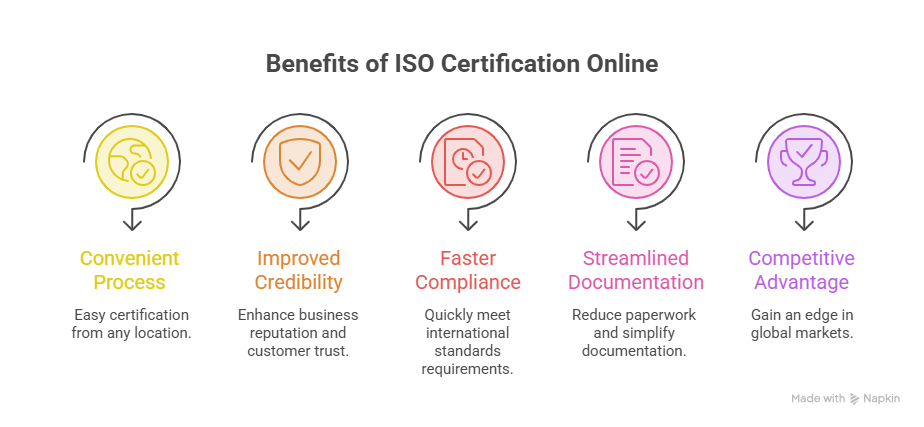
  • Key Points About ISO Certification

    1. Standardization of Processes
    ISO certification ensures that an organization’s processes, products, or services meet internationally recognized standards, promoting consistency, efficiency, and quality.

    2. Regulatory and Legal Compliance
    Being ISO-certified demonstrates adherence to applicable laws, regulations, and industry standards, reducing risks of non-compliance and legal issues.

    3. Risk Management and Continuous Improvement
    ISO standards encourage organizations to identify risks, implement preventive measures, and continuously improve processes to enhance overall performance.

    4. Enhanced Customer Trust and Satisfaction
    ISO certification shows a commitment to quality, safety, and reliability, building credibility and strengthening customer confidence.

    5. Global Market Access and Competitive Advantage
    ISO-certified organizations gain easier access to international markets, improve competitiveness, and differentiate themselves from non-certified competitors.

    Readmore: https://iasiso-europe.com/dutch/blog/iso-certificering-in-nederland/
    Key Points About ISO Certification 1. Standardization of Processes ISO certification ensures that an organization’s processes, products, or services meet internationally recognized standards, promoting consistency, efficiency, and quality. 2. Regulatory and Legal Compliance Being ISO-certified demonstrates adherence to applicable laws, regulations, and industry standards, reducing risks of non-compliance and legal issues. 3. Risk Management and Continuous Improvement ISO standards encourage organizations to identify risks, implement preventive measures, and continuously improve processes to enhance overall performance. 4. Enhanced Customer Trust and Satisfaction ISO certification shows a commitment to quality, safety, and reliability, building credibility and strengthening customer confidence. 5. Global Market Access and Competitive Advantage ISO-certified organizations gain easier access to international markets, improve competitiveness, and differentiate themselves from non-certified competitors. Readmore: https://iasiso-europe.com/dutch/blog/iso-certificering-in-nederland/
    0 Comments ·0 Shares ·979 Views ·0 Reviews
  • Product and Service Vendor Login – Manage Your Business on Dohoneydolist

    Dohoneydolist offers a simple and secure product and service vendor login to help businesses manage their online presence with ease. Once logged in, vendors can update profiles, add products or services, track customer inquiries, and respond to leads in real time. The platform is designed to save time while improving visibility and customer trust. Whether you sell products or provide services, Dohoneydolist gives you one dashboard to control everything. Log in to Dohoneydolist today and take charge of your business growth with better exposure, smarter lead management, and seamless customer connections.

    https://dohoneydolist.com/
    Product and Service Vendor Login – Manage Your Business on Dohoneydolist Dohoneydolist offers a simple and secure product and service vendor login to help businesses manage their online presence with ease. Once logged in, vendors can update profiles, add products or services, track customer inquiries, and respond to leads in real time. The platform is designed to save time while improving visibility and customer trust. Whether you sell products or provide services, Dohoneydolist gives you one dashboard to control everything. Log in to Dohoneydolist today and take charge of your business growth with better exposure, smarter lead management, and seamless customer connections. https://dohoneydolist.com/
    dohoneydolist.com
    Dohoneydolist offers top-notch electrical and plumbing services in California, ensuring reliable, efficient solutions for your home or business!
    0 Comments ·0 Shares ·1K Views ·0 Reviews
  • Buy Sikh turban online

    Looking to buy premium Sikh turbans online? At Sardar Pagri House Traders, we offer a wide selection of high-quality Sikh turbans, Patkas, and turban fabrics that combine tradition with comfort. Whether you need soft, breathable fabric for daily wear or a royal turban for your wedding, we’ve got you covered. Choose from trusted fabrics like Full Voile, Rubia Voile, Heavy Rubia, Malmal F74, and Supreme Voile — available in vibrant colors and multiple lengths.
    Trusted since 1969, we deliver turbans across India with fast shipping and generations of customer trust. Buy Sikh turbans online now and wear your heritage with pride.

    https://sardarpagrihousetraders.in/product-category/sikh-turbans/
    Buy Sikh turban online Looking to buy premium Sikh turbans online? At Sardar Pagri House Traders, we offer a wide selection of high-quality Sikh turbans, Patkas, and turban fabrics that combine tradition with comfort. Whether you need soft, breathable fabric for daily wear or a royal turban for your wedding, we’ve got you covered. Choose from trusted fabrics like Full Voile, Rubia Voile, Heavy Rubia, Malmal F74, and Supreme Voile — available in vibrant colors and multiple lengths. Trusted since 1969, we deliver turbans across India with fast shipping and generations of customer trust. Buy Sikh turbans online now and wear your heritage with pride. https://sardarpagrihousetraders.in/product-category/sikh-turbans/
    0 Comments ·0 Shares ·1K Views ·0 Reviews
More Results