• HACCP Certification: Ensuring Food Safety Through Preventive Risk Management

    Understanding HACCP Certification

    HACCP certification is a globally recognized system designed to ensure food safety by identifying, evaluating, and controlling hazards throughout the food production process. Unlike traditional quality control methods that rely on end-product testing, HACCP focuses on prevention, making it a more effective approach to managing food safety risks.

    HACCP certification is applicable to all sectors of the food industry, including farming, processing, manufacturing, packaging, distribution, and food service. It provides a systematic framework that helps organizations identify potential biological, chemical, and physical hazards and implement controls to prevent contamination. This proactive approach ensures that food products are safe for consumption and meet regulatory requirements.

    The Importance of Food Safety Management

    Food safety is a critical concern for both consumers and businesses. Contaminated food can lead to serious health issues, product recalls, legal consequences, and damage to brand reputation. HACCP certification helps organizations establish a robust food safety management system that minimizes these risks.

    By implementing HACCP principles, businesses can ensure consistent product quality and protect consumer health. It also enhances trust among customers, regulators, and stakeholders, as certification demonstrates a commitment to maintaining high safety standards. In today’s global food supply chain, such assurance is essential for maintaining competitiveness and credibility.

    The Core Principles of HACCP

    HACCP is based on seven key principles that guide organizations in managing food safety risks. These principles include conducting a hazard analysis, identifying critical control points, establishing critical limits, monitoring procedures, corrective actions, verification processes, and documentation.

    The hazard analysis is the foundation of the system, where organizations identify potential risks at each stage of production. Critical control points are specific stages where controls can be applied to prevent or eliminate hazards. Establishing critical limits ensures that these controls are effective, while monitoring and corrective actions help maintain consistency.

    Verification procedures confirm that the system is working as intended, and proper documentation ensures traceability and accountability. Together, these principles create a comprehensive framework for managing food safety.

    Benefits of HACCP Certification

    HACCP certification offers numerous benefits for food businesses. It enhances food safety by reducing the risk of contamination and ensuring compliance with regulatory requirements. This leads to improved consumer confidence and brand reputation.

    Certification also improves operational efficiency by identifying potential issues early and preventing costly errors. By focusing on prevention rather than correction, organizations can reduce waste and minimize production disruptions. Additionally, HACCP certification can open doors to new markets, as many countries and clients require compliance with recognized food safety standards.

    For businesses involved in international trade, HACCP certification serves as a globally accepted benchmark that facilitates market access and strengthens partnerships with global customers.

    The Certification Process

    The process of obtaining HACCP certification begins with a thorough assessment of the organization’s current food safety practices. This is followed by the development and implementation of a HACCP plan tailored to the specific operations.

    Employee training is essential to ensure that all staff understand their roles in maintaining food safety. Organizations must establish monitoring procedures, maintain detailed records, and conduct regular internal audits to evaluate system effectiveness.

    An external certification body then performs an audit to verify compliance with HACCP principles. Once certified, organizations must maintain their system through continuous monitoring and periodic reviews to ensure ongoing effectiveness.

    Conclusion

    HACCP certification is a vital tool for organizations in the food industry seeking to ensure safety, quality, and compliance. By adopting a preventive approach to food safety management, businesses can protect consumers, enhance their reputation, and achieve long-term success in a competitive global market.

    Web: https://ias-malaysia.com/haccp-certification-in-malaysia/
    HACCP Certification: Ensuring Food Safety Through Preventive Risk Management Understanding HACCP Certification HACCP certification is a globally recognized system designed to ensure food safety by identifying, evaluating, and controlling hazards throughout the food production process. Unlike traditional quality control methods that rely on end-product testing, HACCP focuses on prevention, making it a more effective approach to managing food safety risks. HACCP certification is applicable to all sectors of the food industry, including farming, processing, manufacturing, packaging, distribution, and food service. It provides a systematic framework that helps organizations identify potential biological, chemical, and physical hazards and implement controls to prevent contamination. This proactive approach ensures that food products are safe for consumption and meet regulatory requirements. The Importance of Food Safety Management Food safety is a critical concern for both consumers and businesses. Contaminated food can lead to serious health issues, product recalls, legal consequences, and damage to brand reputation. HACCP certification helps organizations establish a robust food safety management system that minimizes these risks. By implementing HACCP principles, businesses can ensure consistent product quality and protect consumer health. It also enhances trust among customers, regulators, and stakeholders, as certification demonstrates a commitment to maintaining high safety standards. In today’s global food supply chain, such assurance is essential for maintaining competitiveness and credibility. The Core Principles of HACCP HACCP is based on seven key principles that guide organizations in managing food safety risks. These principles include conducting a hazard analysis, identifying critical control points, establishing critical limits, monitoring procedures, corrective actions, verification processes, and documentation. The hazard analysis is the foundation of the system, where organizations identify potential risks at each stage of production. Critical control points are specific stages where controls can be applied to prevent or eliminate hazards. Establishing critical limits ensures that these controls are effective, while monitoring and corrective actions help maintain consistency. Verification procedures confirm that the system is working as intended, and proper documentation ensures traceability and accountability. Together, these principles create a comprehensive framework for managing food safety. Benefits of HACCP Certification HACCP certification offers numerous benefits for food businesses. It enhances food safety by reducing the risk of contamination and ensuring compliance with regulatory requirements. This leads to improved consumer confidence and brand reputation. Certification also improves operational efficiency by identifying potential issues early and preventing costly errors. By focusing on prevention rather than correction, organizations can reduce waste and minimize production disruptions. Additionally, HACCP certification can open doors to new markets, as many countries and clients require compliance with recognized food safety standards. For businesses involved in international trade, HACCP certification serves as a globally accepted benchmark that facilitates market access and strengthens partnerships with global customers. The Certification Process The process of obtaining HACCP certification begins with a thorough assessment of the organization’s current food safety practices. This is followed by the development and implementation of a HACCP plan tailored to the specific operations. Employee training is essential to ensure that all staff understand their roles in maintaining food safety. Organizations must establish monitoring procedures, maintain detailed records, and conduct regular internal audits to evaluate system effectiveness. An external certification body then performs an audit to verify compliance with HACCP principles. Once certified, organizations must maintain their system through continuous monitoring and periodic reviews to ensure ongoing effectiveness. Conclusion HACCP certification is a vital tool for organizations in the food industry seeking to ensure safety, quality, and compliance. By adopting a preventive approach to food safety management, businesses can protect consumers, enhance their reputation, and achieve long-term success in a competitive global market. Web: https://ias-malaysia.com/haccp-certification-in-malaysia/
    HACCP Certification
    ias-malaysia.com
    HACCP Certification is the 'gold standard' for food safety and quality worldwide. Call us at 60 19-399 9853 to know more about HACCP in Malaysia!
    0 Комментарии ·0 Поделились ·974 Просмотры ·0 предпросмотр

  • Best Food Delivery App Development Company – Invoidea

    Invoidea is a food delivery app development company delivering reliable and scalable solutions for modern businesses. Feature rich apps with real time tracking, secure payments, and easy ordering help improve customer experience, streamline delivery operations, and support consistent growth in the online food industry.
    For more info, visit: https://invoidea.com/food-delivery-app-development-company
    Best Food Delivery App Development Company – Invoidea Invoidea is a food delivery app development company delivering reliable and scalable solutions for modern businesses. Feature rich apps with real time tracking, secure payments, and easy ordering help improve customer experience, streamline delivery operations, and support consistent growth in the online food industry. For more info, visit: https://invoidea.com/food-delivery-app-development-company
    Food Delivery App Development Company in India - Invoidea
    invoidea.com
    We are a leading Food Delivery App Development Company that offers the best Food Ordering App Development Services in India for building innovative apps.
    0 Комментарии ·0 Поделились ·679 Просмотры ·0 предпросмотр
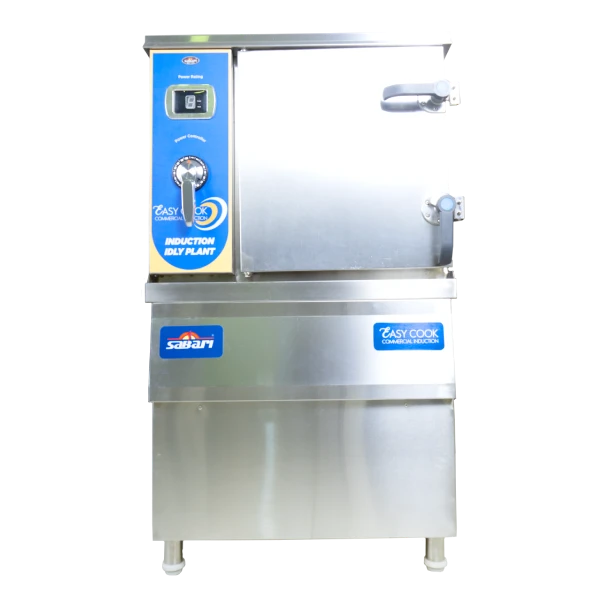
  • Induction Idly Plant Manufacturers

    Sabari Kitchen is a trusted Induction Idly Plant Manufacturers, delivering innovative and energy-efficient solutions for commercial kitchens. Our induction idly plants are designed for high-volume production with uniform steaming, faster cooking, and reduced power consumption. Built with premium stainless steel and advanced induction technology, Sabari Kitchen ensures durability, hygiene, and consistent idly quality. Ideal for hotels, catering services, canteens, and large food production units, our systems help streamline operations and improve productivity. With a focus on reliability, easy maintenance, and modern design, Sabari Kitchen provides customized idly plant solutions that meet the growing demands of the food industry while maintaining superior cooking performance.

    https://www.sabarikitchen.com/electric-idly-steamer.php
    Induction Idly Plant Manufacturers Sabari Kitchen is a trusted Induction Idly Plant Manufacturers, delivering innovative and energy-efficient solutions for commercial kitchens. Our induction idly plants are designed for high-volume production with uniform steaming, faster cooking, and reduced power consumption. Built with premium stainless steel and advanced induction technology, Sabari Kitchen ensures durability, hygiene, and consistent idly quality. Ideal for hotels, catering services, canteens, and large food production units, our systems help streamline operations and improve productivity. With a focus on reliability, easy maintenance, and modern design, Sabari Kitchen provides customized idly plant solutions that meet the growing demands of the food industry while maintaining superior cooking performance. https://www.sabarikitchen.com/electric-idly-steamer.php
    Electric Conveyor Pizza Oven Manufacturers | Conveyor Pizza Oven
    www.sabarikitchen.com
    Manufacturer & Supplier of Commercial Vegetable Cutter Machines. Our chopper features adjustable cutting sizes for slicing, dicing, shredding, and processing various vegetables efficiently.
    0 Комментарии ·0 Поделились ·1Кб Просмотры ·0 предпросмотр
  • Certification ISO 22000: Ensuring Excellence in Food Safety Management

    Introduction to ISO 22000

    Certification ISO 22000 is a globally recognized standard that defines the requirements for a Food Safety Management System (FSMS). Developed by the International Organization for Standardization, ISO 22000 helps organizations ensure that food products are safe for consumption at every stage of the supply chain. The standard applies to all entities involved in the food chain, including producers, processors, transporters, storage facilities, packaging companies, retailers, and even equipment manufacturers. By obtaining ISO 22000 certification, organizations demonstrate their commitment to food safety, regulatory compliance, and continuous improvement.

    Core Principles of ISO 22000

    The requirements of ISO 22000 combine the principles of Hazard Analysis and Critical Control Points (HACCP) with a structured management system approach. The standard is built around interactive communication, system management, prerequisite programs (PRPs), and HACCP principles. It requires organizations to identify potential food safety hazards—biological, chemical, or physical—and implement control measures to prevent, eliminate, or reduce risks to acceptable levels. Risk-based thinking is integrated into the management system to ensure proactive prevention rather than reactive correction. Leadership involvement and clear communication across the food chain are also critical elements of effective implementation.

    The Certification Process

    The process of achieving certification ISO 22000 begins with a gap analysis to assess current food safety practices against the standard’s requirements. Organizations then establish or update their Food Safety Management System, including defining food safety policies, setting objectives, conducting hazard analysis, and implementing operational controls. Employees receive training to ensure awareness and competence in food safety procedures. Once the system is implemented, an internal audit is conducted to verify compliance and identify areas for improvement. A third-party accredited certification body then performs a two-stage audit: first reviewing documentation and then evaluating on-site implementation. If all requirements are met, certification is granted, typically valid for three years with annual surveillance audits.

    Benefits of ISO 22000 Certification

    Certification ISO 22000 offers numerous advantages for organizations operating in the food industry. It enhances consumer confidence by demonstrating a structured and internationally recognized approach to food safety. The standard reduces the risk of contamination, product recalls, and foodborne illnesses, protecting both public health and brand reputation. Certification also improves operational efficiency by standardizing processes and strengthening traceability systems. In competitive markets, ISO 22000 certification often serves as a prerequisite for partnerships with retailers, distributors, and international clients. Additionally, it supports compliance with legal and regulatory requirements, reducing the likelihood of fines or trade barriers.

    Who Should Pursue ISO 22000 Certification?

    ISO 22000 certification is suitable for any organization involved directly or indirectly in the food chain. This includes primary producers, food manufacturers, catering services, logistics providers, and packaging suppliers. Small and medium-sized enterprises benefit from improved risk management and market credibility, while multinational companies use the standard to harmonize food safety practices across global operations. Regardless of size or sector, organizations committed to delivering safe and high-quality food products can benefit significantly from certification ISO 22000.

    Conclusion

    Certification ISO 22000 is a powerful framework for ensuring food safety and building trust within the global food industry. By implementing a robust Food Safety Management System, organizations not only comply with international standards but also protect consumers and strengthen their competitive position. Embracing ISO 22000 is a strategic step toward sustainable growth, operational excellence, and long-term success in the food sector.

    Web: https://iasiso-europe.com/french/iso-22000-certification-en-france/
    Certification ISO 22000: Ensuring Excellence in Food Safety Management Introduction to ISO 22000 Certification ISO 22000 is a globally recognized standard that defines the requirements for a Food Safety Management System (FSMS). Developed by the International Organization for Standardization, ISO 22000 helps organizations ensure that food products are safe for consumption at every stage of the supply chain. The standard applies to all entities involved in the food chain, including producers, processors, transporters, storage facilities, packaging companies, retailers, and even equipment manufacturers. By obtaining ISO 22000 certification, organizations demonstrate their commitment to food safety, regulatory compliance, and continuous improvement. Core Principles of ISO 22000 The requirements of ISO 22000 combine the principles of Hazard Analysis and Critical Control Points (HACCP) with a structured management system approach. The standard is built around interactive communication, system management, prerequisite programs (PRPs), and HACCP principles. It requires organizations to identify potential food safety hazards—biological, chemical, or physical—and implement control measures to prevent, eliminate, or reduce risks to acceptable levels. Risk-based thinking is integrated into the management system to ensure proactive prevention rather than reactive correction. Leadership involvement and clear communication across the food chain are also critical elements of effective implementation. The Certification Process The process of achieving certification ISO 22000 begins with a gap analysis to assess current food safety practices against the standard’s requirements. Organizations then establish or update their Food Safety Management System, including defining food safety policies, setting objectives, conducting hazard analysis, and implementing operational controls. Employees receive training to ensure awareness and competence in food safety procedures. Once the system is implemented, an internal audit is conducted to verify compliance and identify areas for improvement. A third-party accredited certification body then performs a two-stage audit: first reviewing documentation and then evaluating on-site implementation. If all requirements are met, certification is granted, typically valid for three years with annual surveillance audits. Benefits of ISO 22000 Certification Certification ISO 22000 offers numerous advantages for organizations operating in the food industry. It enhances consumer confidence by demonstrating a structured and internationally recognized approach to food safety. The standard reduces the risk of contamination, product recalls, and foodborne illnesses, protecting both public health and brand reputation. Certification also improves operational efficiency by standardizing processes and strengthening traceability systems. In competitive markets, ISO 22000 certification often serves as a prerequisite for partnerships with retailers, distributors, and international clients. Additionally, it supports compliance with legal and regulatory requirements, reducing the likelihood of fines or trade barriers. Who Should Pursue ISO 22000 Certification? ISO 22000 certification is suitable for any organization involved directly or indirectly in the food chain. This includes primary producers, food manufacturers, catering services, logistics providers, and packaging suppliers. Small and medium-sized enterprises benefit from improved risk management and market credibility, while multinational companies use the standard to harmonize food safety practices across global operations. Regardless of size or sector, organizations committed to delivering safe and high-quality food products can benefit significantly from certification ISO 22000. Conclusion Certification ISO 22000 is a powerful framework for ensuring food safety and building trust within the global food industry. By implementing a robust Food Safety Management System, organizations not only comply with international standards but also protect consumers and strengthen their competitive position. Embracing ISO 22000 is a strategic step toward sustainable growth, operational excellence, and long-term success in the food sector. Web: https://iasiso-europe.com/french/iso-22000-certification-en-france/
    Certification ISO 22000 | Gestion de la sécurité alimentaire
    iasiso-europe.com
    Obtenez la certification ISO 22000 avec IAS en France pour produire des aliments sûrs et de haute qualité pour vos clients ! Postuler aujourd'hui!
    0 Комментарии ·0 Поделились ·3Кб Просмотры ·0 предпросмотр
  • ISO 22000 Certification: Ensuring Excellence in Food Safety Management
    What Is ISO 22000 Certification?

    ISO 22000 certification confirms that an organization has implemented a Food Safety Management System (FSMS) that complies with the requirements of ISO 22000. Developed by the International Organization for Standardization, this internationally recognized standard provides a structured framework for identifying, controlling, and preventing food safety hazards across the entire supply chain. It integrates the principles of Hazard Analysis and Critical Control Points (HACCP) with a management system approach, ensuring food safety is systematically managed rather than treated as a one-time inspection process. ISO 22000 applies to all organizations in the food chain, including producers, processors, manufacturers, transporters, packaging companies, storage providers, and retailers.

    Why ISO 22000 Certification Is Important

    Food safety is a global concern, and any failure can result in serious health risks, financial losses, and reputational damage. ISO 22000 certification demonstrates that a company has implemented preventive controls to manage biological, chemical, and physical hazards effectively. It builds trust among customers, regulators, suppliers, and business partners by showing a clear commitment to food safety and compliance. In many markets, certification enhances access to international trade opportunities and strengthens competitiveness. More importantly, it creates confidence that products are consistently produced and handled under controlled and safe conditions.

    Core Requirements of ISO 22000

    ISO 22000 requires organizations to establish a comprehensive food safety management system built on several key elements. These include interactive communication throughout the food chain, systematic management processes, prerequisite programs (PRPs), and a thorough hazard analysis. Organizations must identify potential hazards, evaluate associated risks, and implement control measures such as critical control points (CCPs). Clear documentation, defined responsibilities, employee training, and emergency preparedness are also mandatory components. The standard emphasizes risk-based thinking and continuous improvement, ensuring that food safety measures evolve in response to changing operational and regulatory conditions.

    The Certification Process

    The journey to ISO 22000 certification typically begins with a gap analysis to assess current food safety practices against the standard’s requirements. Organizations then develop policies, procedures, and monitoring systems aligned with ISO 22000. Staff training ensures employees understand food safety responsibilities and compliance expectations. Once the system is fully implemented, an accredited certification body conducts a two-stage audit. The first stage reviews documentation and preparedness, while the second stage evaluates on-site implementation and effectiveness. If all requirements are met, certification is granted. Surveillance audits are conducted annually to maintain compliance, with recertification required every three years.

    Benefits for Food Businesses

    ISO 22000 certification provides both operational and strategic advantages. It improves internal efficiency by standardizing processes and reducing the likelihood of contamination or product recalls. Traceability systems enhance transparency and accountability throughout the supply chain. Certification also strengthens brand reputation and increases customer confidence, particularly in highly regulated markets. Many retailers and distributors prefer suppliers with recognized food safety certifications, making ISO 22000 a valuable competitive asset.

    Supporting Sustainable Growth and Consumer Trust

    ISO 22000 certification is more than a regulatory requirement—it is a strategic investment in long-term business resilience. By embedding food safety into everyday operations, organizations protect public health while safeguarding their brand integrity. In a world where consumers demand transparency and accountability, ISO 22000 provides a reliable framework for consistent quality and safety. Ultimately, it supports sustainable growth, regulatory compliance, and enduring trust within the global food industry.

    Web: https://iasiso-europe.com/french/iso-22000-certification-en-france/
    ISO 22000 Certification: Ensuring Excellence in Food Safety Management What Is ISO 22000 Certification? ISO 22000 certification confirms that an organization has implemented a Food Safety Management System (FSMS) that complies with the requirements of ISO 22000. Developed by the International Organization for Standardization, this internationally recognized standard provides a structured framework for identifying, controlling, and preventing food safety hazards across the entire supply chain. It integrates the principles of Hazard Analysis and Critical Control Points (HACCP) with a management system approach, ensuring food safety is systematically managed rather than treated as a one-time inspection process. ISO 22000 applies to all organizations in the food chain, including producers, processors, manufacturers, transporters, packaging companies, storage providers, and retailers. Why ISO 22000 Certification Is Important Food safety is a global concern, and any failure can result in serious health risks, financial losses, and reputational damage. ISO 22000 certification demonstrates that a company has implemented preventive controls to manage biological, chemical, and physical hazards effectively. It builds trust among customers, regulators, suppliers, and business partners by showing a clear commitment to food safety and compliance. In many markets, certification enhances access to international trade opportunities and strengthens competitiveness. More importantly, it creates confidence that products are consistently produced and handled under controlled and safe conditions. Core Requirements of ISO 22000 ISO 22000 requires organizations to establish a comprehensive food safety management system built on several key elements. These include interactive communication throughout the food chain, systematic management processes, prerequisite programs (PRPs), and a thorough hazard analysis. Organizations must identify potential hazards, evaluate associated risks, and implement control measures such as critical control points (CCPs). Clear documentation, defined responsibilities, employee training, and emergency preparedness are also mandatory components. The standard emphasizes risk-based thinking and continuous improvement, ensuring that food safety measures evolve in response to changing operational and regulatory conditions. The Certification Process The journey to ISO 22000 certification typically begins with a gap analysis to assess current food safety practices against the standard’s requirements. Organizations then develop policies, procedures, and monitoring systems aligned with ISO 22000. Staff training ensures employees understand food safety responsibilities and compliance expectations. Once the system is fully implemented, an accredited certification body conducts a two-stage audit. The first stage reviews documentation and preparedness, while the second stage evaluates on-site implementation and effectiveness. If all requirements are met, certification is granted. Surveillance audits are conducted annually to maintain compliance, with recertification required every three years. Benefits for Food Businesses ISO 22000 certification provides both operational and strategic advantages. It improves internal efficiency by standardizing processes and reducing the likelihood of contamination or product recalls. Traceability systems enhance transparency and accountability throughout the supply chain. Certification also strengthens brand reputation and increases customer confidence, particularly in highly regulated markets. Many retailers and distributors prefer suppliers with recognized food safety certifications, making ISO 22000 a valuable competitive asset. Supporting Sustainable Growth and Consumer Trust ISO 22000 certification is more than a regulatory requirement—it is a strategic investment in long-term business resilience. By embedding food safety into everyday operations, organizations protect public health while safeguarding their brand integrity. In a world where consumers demand transparency and accountability, ISO 22000 provides a reliable framework for consistent quality and safety. Ultimately, it supports sustainable growth, regulatory compliance, and enduring trust within the global food industry. Web: https://iasiso-europe.com/french/iso-22000-certification-en-france/
    Certification ISO 22000 | Gestion de la sécurité alimentaire
    iasiso-europe.com
    Obtenez la certification ISO 22000 avec IAS en France pour produire des aliments sûrs et de haute qualité pour vos clients ! Postuler aujourd'hui!
    0 Комментарии ·0 Поделились ·3Кб Просмотры ·0 предпросмотр
  • Ensuring Food Safety Excellence with ISO 22000 Certification

    Introduction to ISO 22000 Certification

    ISO 22000 certification is the globally recognized standard for Food Safety Management Systems (FSMS). It provides a comprehensive framework that helps organizations across the food supply chain identify, control, and eliminate food safety hazards. Whether you are involved in food production, processing, distribution, or packaging, ISO 22000 ensures that your operations maintain safe practices from farm to fork. Achieving this certification demonstrates your commitment to delivering safe, high-quality food products to consumers worldwide.

    Why ISO 22000 Certification Is Important

    Food safety is a critical concern for consumers, regulators, and businesses. ISO 22000 certification helps organizations reduce risks associated with contamination, spoilage, and foodborne illnesses. It ensures compliance with international regulations and aligns with the principles of HACCP (Hazard Analysis and Critical Control Points). For businesses, ISO 22000 builds trust with customers, strengthens brand reputation, and facilitates access to global markets where high food safety standards are essential. Ultimately, it enhances operational efficiency and reduces costly food safety incidents.

    Key Requirements of ISO 22000

    The ISO 22000 standard integrates food safety management with a process-based approach, focusing on hazard analysis, prerequisite programs, and critical control points. It requires organizations to develop clear food safety policies, establish measurable objectives, and maintain detailed documentation. The standard also emphasizes communication across the food chain, competence of personnel, traceability systems, and emergency response procedures. These requirements help ensure that food safety risks are systematically identified, monitored, and controlled at every stage of production.

    Steps to Achieve ISO 22000 Certification

    The certification journey begins with understanding the requirements of the standard and conducting a gap analysis to identify areas for improvement. Organizations then develop or strengthen their FSMS, implement necessary controls, and train employees on food safety responsibilities. Internal audits are conducted to verify compliance before undergoing an external certification audit by an accredited body. After certification is granted, ongoing audits and continuous improvement activities are essential to maintain compliance and enhance system performance.

    Conclusion: A Strategic Advantage in the Food Industry

    ISO 22000 certification is more than a regulatory requirement—it is a competitive advantage for organizations committed to excellence in food safety. By adopting this standard, companies reduce risks, improve customer confidence, and operate more efficiently. Whether you are a food manufacturer, distributor, or service provider, ISO 22000 provides the foundation needed to deliver safe, reliable products and succeed in an increasingly regulated global marketplace.

    Readmore: https://iasiso-europe.com/french/iso-22000-certification-en-france/
    Ensuring Food Safety Excellence with ISO 22000 Certification Introduction to ISO 22000 Certification ISO 22000 certification is the globally recognized standard for Food Safety Management Systems (FSMS). It provides a comprehensive framework that helps organizations across the food supply chain identify, control, and eliminate food safety hazards. Whether you are involved in food production, processing, distribution, or packaging, ISO 22000 ensures that your operations maintain safe practices from farm to fork. Achieving this certification demonstrates your commitment to delivering safe, high-quality food products to consumers worldwide. Why ISO 22000 Certification Is Important Food safety is a critical concern for consumers, regulators, and businesses. ISO 22000 certification helps organizations reduce risks associated with contamination, spoilage, and foodborne illnesses. It ensures compliance with international regulations and aligns with the principles of HACCP (Hazard Analysis and Critical Control Points). For businesses, ISO 22000 builds trust with customers, strengthens brand reputation, and facilitates access to global markets where high food safety standards are essential. Ultimately, it enhances operational efficiency and reduces costly food safety incidents. Key Requirements of ISO 22000 The ISO 22000 standard integrates food safety management with a process-based approach, focusing on hazard analysis, prerequisite programs, and critical control points. It requires organizations to develop clear food safety policies, establish measurable objectives, and maintain detailed documentation. The standard also emphasizes communication across the food chain, competence of personnel, traceability systems, and emergency response procedures. These requirements help ensure that food safety risks are systematically identified, monitored, and controlled at every stage of production. Steps to Achieve ISO 22000 Certification The certification journey begins with understanding the requirements of the standard and conducting a gap analysis to identify areas for improvement. Organizations then develop or strengthen their FSMS, implement necessary controls, and train employees on food safety responsibilities. Internal audits are conducted to verify compliance before undergoing an external certification audit by an accredited body. After certification is granted, ongoing audits and continuous improvement activities are essential to maintain compliance and enhance system performance. Conclusion: A Strategic Advantage in the Food Industry ISO 22000 certification is more than a regulatory requirement—it is a competitive advantage for organizations committed to excellence in food safety. By adopting this standard, companies reduce risks, improve customer confidence, and operate more efficiently. Whether you are a food manufacturer, distributor, or service provider, ISO 22000 provides the foundation needed to deliver safe, reliable products and succeed in an increasingly regulated global marketplace. Readmore: https://iasiso-europe.com/french/iso-22000-certification-en-france/
    Certification ISO 22000 | Gestion de la sécurité alimentaire
    iasiso-europe.com
    Obtenez la certification ISO 22000 avec IAS en France pour produire des aliments sûrs et de haute qualité pour vos clients ! Postuler aujourd'hui!
    0 Комментарии ·0 Поделились ·2Кб Просмотры ·0 предпросмотр