


9 Types of Concrete That Are Changing Modern Construction
When most people think of concrete, they imagine the standard grey material used in buildings and roads. However, modern construction uses many specialized concrete types designed for specific applications. From sustainable structures to decorative landscapes, today's concrete solutions offer much more than strength alone.
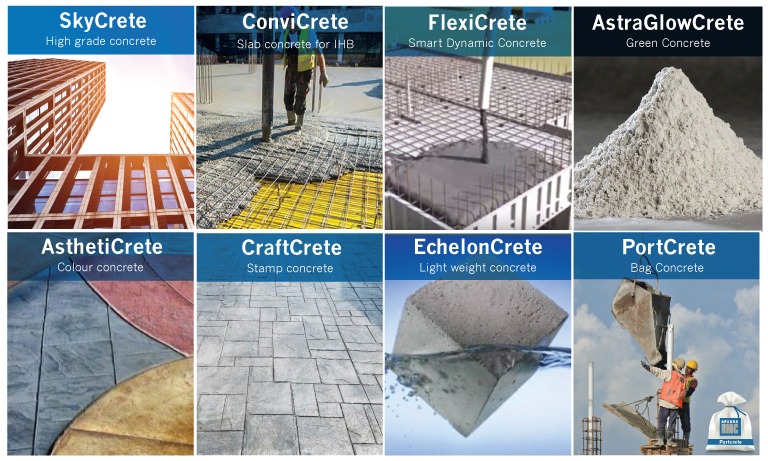
One of the most widely used options is High-Grade Concrete, engineered for projects that require exceptional strength and durability. It is commonly used in bridges, industrial structures, and large infrastructure developments.
As sustainability becomes a priority, High Volume Fly Ash/GGBS Concrete is gaining popularity. By incorporating industrial by-products, this concrete helps reduce environmental impact while improving durability.
Construction is no longer only about performance. Coloured Concrete and Stamped Concrete allow architects and designers to create visually appealing spaces that mimic natural stone, brick, or wood while maintaining the durability of concrete.
For projects where reducing structural weight is important, Lightweight Concrete offers an effective solution. It provides good insulation properties while lowering the overall load on the structure, making it suitable for modern buildings.
Industrial environments often require stronger flooring systems. Slab Concrete for Heavy-Duty Flooring is specifically designed to withstand heavy machinery, high traffic, and demanding operational conditions.
Another innovation is Self-Compacting Concrete (SCC). This advanced concrete flows easily into complex formwork without mechanical vibration, improving efficiency and delivering a smoother finish.
To enhance crack resistance and durability, many projects now use Steel Fiber Reinforced Concrete (SFRC). The addition of steel fibers improves tensile strength and long-term performance, especially in demanding environments.
The construction industry continues to evolve with new concrete technologies focused on sustainability, efficiency, and performance. Choosing the right concrete type can significantly impact a project's durability, cost, and environmental footprint. Understanding these specialized options helps builders, engineers, and property owners make better construction decisions.
Read more about Types of Concrete: https://www.aparnarmc.com/9-types-of-concrete-you-didnt-know-existed/
#TypesOfConcrete #ReadyMixConcrete #ConstructionIndustry #CivilEngineering #ConcreteTechnology #SustainableConstruction #GreenConcrete #LightweightConcrete #StampedConcrete #SelfCompactingConcrete #FiberReinforcedConcrete #BuildingMaterials #InfrastructureDevelopment #ConstructionInnovation #ModernConstruction
When most people think of concrete, they imagine the standard grey material used in buildings and roads. However, modern construction uses many specialized concrete types designed for specific applications. From sustainable structures to decorative landscapes, today's concrete solutions offer much more than strength alone.
One of the most widely used options is High-Grade Concrete, engineered for projects that require exceptional strength and durability. It is commonly used in bridges, industrial structures, and large infrastructure developments.
As sustainability becomes a priority, High Volume Fly Ash/GGBS Concrete is gaining popularity. By incorporating industrial by-products, this concrete helps reduce environmental impact while improving durability.
Construction is no longer only about performance. Coloured Concrete and Stamped Concrete allow architects and designers to create visually appealing spaces that mimic natural stone, brick, or wood while maintaining the durability of concrete.
For projects where reducing structural weight is important, Lightweight Concrete offers an effective solution. It provides good insulation properties while lowering the overall load on the structure, making it suitable for modern buildings.
Industrial environments often require stronger flooring systems. Slab Concrete for Heavy-Duty Flooring is specifically designed to withstand heavy machinery, high traffic, and demanding operational conditions.
Another innovation is Self-Compacting Concrete (SCC). This advanced concrete flows easily into complex formwork without mechanical vibration, improving efficiency and delivering a smoother finish.
To enhance crack resistance and durability, many projects now use Steel Fiber Reinforced Concrete (SFRC). The addition of steel fibers improves tensile strength and long-term performance, especially in demanding environments.
The construction industry continues to evolve with new concrete technologies focused on sustainability, efficiency, and performance. Choosing the right concrete type can significantly impact a project's durability, cost, and environmental footprint. Understanding these specialized options helps builders, engineers, and property owners make better construction decisions.
Read more about Types of Concrete: https://www.aparnarmc.com/9-types-of-concrete-you-didnt-know-existed/
#TypesOfConcrete #ReadyMixConcrete #ConstructionIndustry #CivilEngineering #ConcreteTechnology #SustainableConstruction #GreenConcrete #LightweightConcrete #StampedConcrete #SelfCompactingConcrete #FiberReinforcedConcrete #BuildingMaterials #InfrastructureDevelopment #ConstructionInnovation #ModernConstruction
9 Types of Concrete That Are Changing Modern Construction
When most people think of concrete, they imagine the standard grey material used in buildings and roads. However, modern construction uses many specialized concrete types designed for specific applications. From sustainable structures to decorative landscapes, today's concrete solutions offer much more than strength alone.
One of the most widely used options is High-Grade Concrete, engineered for projects that require exceptional strength and durability. It is commonly used in bridges, industrial structures, and large infrastructure developments.
As sustainability becomes a priority, High Volume Fly Ash/GGBS Concrete is gaining popularity. By incorporating industrial by-products, this concrete helps reduce environmental impact while improving durability.
Construction is no longer only about performance. Coloured Concrete and Stamped Concrete allow architects and designers to create visually appealing spaces that mimic natural stone, brick, or wood while maintaining the durability of concrete.
For projects where reducing structural weight is important, Lightweight Concrete offers an effective solution. It provides good insulation properties while lowering the overall load on the structure, making it suitable for modern buildings.
Industrial environments often require stronger flooring systems. Slab Concrete for Heavy-Duty Flooring is specifically designed to withstand heavy machinery, high traffic, and demanding operational conditions.
Another innovation is Self-Compacting Concrete (SCC). This advanced concrete flows easily into complex formwork without mechanical vibration, improving efficiency and delivering a smoother finish.
To enhance crack resistance and durability, many projects now use Steel Fiber Reinforced Concrete (SFRC). The addition of steel fibers improves tensile strength and long-term performance, especially in demanding environments.
The construction industry continues to evolve with new concrete technologies focused on sustainability, efficiency, and performance. Choosing the right concrete type can significantly impact a project's durability, cost, and environmental footprint. Understanding these specialized options helps builders, engineers, and property owners make better construction decisions.
Read more about Types of Concrete: https://www.aparnarmc.com/9-types-of-concrete-you-didnt-know-existed/
#TypesOfConcrete #ReadyMixConcrete #ConstructionIndustry #CivilEngineering #ConcreteTechnology #SustainableConstruction #GreenConcrete #LightweightConcrete #StampedConcrete #SelfCompactingConcrete #FiberReinforcedConcrete #BuildingMaterials #InfrastructureDevelopment #ConstructionInnovation #ModernConstruction
0 Comentários
·0 Compartilhamentos
·358 Visualizações
·0 Anterior