• #Electrical #wiring really plays a crucial role in every residential and commercial building. From powering everyday household appliances to supporting large industrial systems, the correct #cable ensures safety, efficiency, and long-term reliability.

    Read More: https://github.com/Standardized-Types-of-Cables/
    #Electrical #wiring really plays a crucial role in every residential and commercial building. From powering everyday household appliances to supporting large industrial systems, the correct #cable ensures safety, efficiency, and long-term reliability. Read More: https://github.com/Standardized-Types-of-Cables/
    Standardized Types of Cables
    github.com
    Standardized Types of Cables has one repository available. Follow their code on GitHub.
    0 Comments ·0 Shares ·969 Views ·0 Reviews
  • RoHS Certification: A Complete Guide


    RoHS certification is an essential requirement for manufacturers and exporters of electrical and electronic products. It ensures that products are free from hazardous substances and are safe for both consumers and the environment. Businesses aiming to enter global markets, especially in Europe, must comply with RoHS regulations to meet legal and environmental standards.

    What Is RoHS Certification?

    Restriction of Hazardous Substances Directive (RoHS) is a regulation introduced by the European Union that restricts the use of specific hazardous materials found in electrical and electronic equipment. RoHS certification confirms that a product complies with these restrictions and does not contain harmful substances beyond permitted limits.

    The directive primarily limits substances such as lead (Pb), mercury (Hg), cadmium (Cd), hexavalent chromium (Cr6+), polybrominated biphenyls (PBB), and polybrominated diphenyl ethers (PBDE).

    Why RoHS Certification Is Important

    RoHS certification plays a crucial role in protecting human health and the environment. Hazardous substances used in electronics can pose serious risks during manufacturing, usage, and disposal. By complying with RoHS standards, companies reduce environmental pollution and improve product safety.

    Additionally, RoHS compliance is mandatory for selling electronic products in the European market. Without certification, businesses may face legal penalties, product recalls, or restrictions on market entry.

    Scope of RoHS Certification

    RoHS applies to a wide range of electrical and electronic equipment, including:

    Household appliances
    IT and telecommunications equipment
    Consumer electronics
    Lighting products
    Medical devices
    Monitoring and control instruments

    Manufacturers, importers, and distributors involved in these product categories must ensure compliance with RoHS requirements.

    RoHS Certification Process

    The process of obtaining RoHS certification involves several steps:

    Product Assessment: Identify materials and components used in the product.
    Testing and Analysis: Conduct laboratory testing to detect restricted substances.
    Documentation: Prepare technical files, including test reports and compliance declarations.
    Declaration of Conformity (DoC): Issue a formal statement confirming compliance.
    CE Marking: Affix the CE mark to indicate conformity with EU regulations.

    Working with accredited testing laboratories and certification bodies ensures a smooth certification process.

    Benefits of RoHS Certification

    Obtaining RoHS certification offers several advantages:

    Market Access: Enables entry into European and international markets
    Environmental Protection: Reduces harmful waste and pollution
    Brand Reputation: Builds trust with customers and stakeholders
    Legal Compliance: Avoids fines and regulatory issues
    Competitive Advantage: Demonstrates commitment to sustainability
    Who Needs RoHS Certification?

    RoHS certification is required for:

    Manufacturers of electrical and electronic equipment
    Exporters targeting European markets
    Importers and distributors handling electronic products
    Businesses aiming to improve environmental compliance
    Conclusion

    RoHS certification is a critical standard for ensuring the safety and sustainability of electronic products. By complying with the Restriction of Hazardous Substances Directive, businesses not only meet legal requirements but also contribute to a cleaner and safer environment. Investing in RoHS compliance enhances global market opportunities and strengthens a company’s commitment to responsible manufacturing.

    website: https://iasiso-africa.com/rohs-certification-in-nigeria/
    RoHS Certification: A Complete Guide RoHS certification is an essential requirement for manufacturers and exporters of electrical and electronic products. It ensures that products are free from hazardous substances and are safe for both consumers and the environment. Businesses aiming to enter global markets, especially in Europe, must comply with RoHS regulations to meet legal and environmental standards. What Is RoHS Certification? Restriction of Hazardous Substances Directive (RoHS) is a regulation introduced by the European Union that restricts the use of specific hazardous materials found in electrical and electronic equipment. RoHS certification confirms that a product complies with these restrictions and does not contain harmful substances beyond permitted limits. The directive primarily limits substances such as lead (Pb), mercury (Hg), cadmium (Cd), hexavalent chromium (Cr6+), polybrominated biphenyls (PBB), and polybrominated diphenyl ethers (PBDE). Why RoHS Certification Is Important RoHS certification plays a crucial role in protecting human health and the environment. Hazardous substances used in electronics can pose serious risks during manufacturing, usage, and disposal. By complying with RoHS standards, companies reduce environmental pollution and improve product safety. Additionally, RoHS compliance is mandatory for selling electronic products in the European market. Without certification, businesses may face legal penalties, product recalls, or restrictions on market entry. Scope of RoHS Certification RoHS applies to a wide range of electrical and electronic equipment, including: Household appliances IT and telecommunications equipment Consumer electronics Lighting products Medical devices Monitoring and control instruments Manufacturers, importers, and distributors involved in these product categories must ensure compliance with RoHS requirements. RoHS Certification Process The process of obtaining RoHS certification involves several steps: Product Assessment: Identify materials and components used in the product. Testing and Analysis: Conduct laboratory testing to detect restricted substances. Documentation: Prepare technical files, including test reports and compliance declarations. Declaration of Conformity (DoC): Issue a formal statement confirming compliance. CE Marking: Affix the CE mark to indicate conformity with EU regulations. Working with accredited testing laboratories and certification bodies ensures a smooth certification process. Benefits of RoHS Certification Obtaining RoHS certification offers several advantages: Market Access: Enables entry into European and international markets Environmental Protection: Reduces harmful waste and pollution Brand Reputation: Builds trust with customers and stakeholders Legal Compliance: Avoids fines and regulatory issues Competitive Advantage: Demonstrates commitment to sustainability Who Needs RoHS Certification? RoHS certification is required for: Manufacturers of electrical and electronic equipment Exporters targeting European markets Importers and distributors handling electronic products Businesses aiming to improve environmental compliance Conclusion RoHS certification is a critical standard for ensuring the safety and sustainability of electronic products. By complying with the Restriction of Hazardous Substances Directive, businesses not only meet legal requirements but also contribute to a cleaner and safer environment. Investing in RoHS compliance enhances global market opportunities and strengthens a company’s commitment to responsible manufacturing. website: https://iasiso-africa.com/rohs-certification-in-nigeria/

    RoHS Certification | RoHS Compliance - IAS Nigeria
    iasiso-africa.com
    Achieve RoHS Certification with IAS in Nigeria to ensure your products can be sold in Europe and meets the health and safety requirements. Apply today!
    0 Comments ·0 Shares ·5K Views ·0 Reviews
  • RoHS Certification: Ensuring Safer Electronics for Global Markets

    Introduction to RoHS Certification

    European Union introduced RoHS Certification to control the use of hazardous substances in electrical and electronic products. RoHS stands for Restriction of Hazardous Substances, and it plays a major role in improving environmental safety and protecting human health. The regulation restricts the use of dangerous materials such as lead, mercury, cadmium, hexavalent chromium, and certain flame retardants in electronic equipment.

    Today, RoHS Certification is recognized globally because many countries and international buyers expect manufacturers to comply with these environmental standards. Companies involved in electronics manufacturing, importing, exporting, assembly, and distribution often require RoHS compliance to access international markets and strengthen customer trust. From smartphones and laptops to industrial machinery and household appliances, RoHS impacts a wide range of products used every day.

    Importance of RoHS Certification for Businesses

    RoHS Certification helps businesses demonstrate their commitment to environmental responsibility and product safety. Modern consumers are increasingly aware of sustainability issues, and organizations that follow eco-friendly manufacturing practices gain a competitive advantage in the marketplace. Compliance with RoHS standards also helps reduce environmental pollution caused by electronic waste.

    For manufacturers, RoHS Certification supports smoother entry into global trade markets, especially in regions where environmental regulations are strict. Many retailers, distributors, and government agencies prefer working with suppliers that meet RoHS requirements. Without compliance, businesses may face shipment delays, legal penalties, product recalls, or restrictions on selling products internationally.

    Another important advantage is improved brand reputation. Companies that prioritize safe materials and environmentally responsible production often attract more customers and business partners. RoHS compliance also encourages better supply chain management because organizations must verify that raw materials and components meet regulatory standards.

    Industries That Need RoHS Certification

    RoHS Certification is highly relevant for industries connected to electronics and electrical equipment. Manufacturers of consumer electronics, medical devices, telecommunications equipment, automotive electronics, lighting products, and industrial machinery commonly require compliance. Companies producing cables, printed circuit boards, semiconductors, batteries, and electronic accessories also benefit from RoHS implementation.

    As global regulations continue to evolve, many industries now consider RoHS compliance a standard business requirement rather than an optional certification. Export-oriented businesses especially depend on RoHS Certification to maintain uninterrupted international trade operations.

    RoHS Certification Process

    The RoHS Certification process generally begins with evaluating the materials and components used in manufacturing. Organizations review their products to identify whether restricted hazardous substances are present above allowable limits. Testing laboratories may conduct chemical analysis to confirm compliance with RoHS standards.

    After testing and verification, businesses prepare technical documentation that demonstrates conformity with RoHS requirements. This documentation may include material declarations, supplier certifications, product specifications, and laboratory test reports. Once all requirements are satisfied, the organization can declare RoHS compliance for its products.

    Regular monitoring and supplier management are essential to maintaining certification. Businesses must ensure that future production batches continue to meet RoHS standards and that suppliers consistently provide compliant materials.

    Conclusion

    RoHS Certification has become an essential requirement in the modern electronics industry. It helps businesses improve environmental sustainability, enhance product safety, and strengthen access to international markets. By reducing hazardous substances in electronic products, RoHS contributes to a cleaner environment and safer consumer experiences. Organizations that achieve RoHS compliance not only meet regulatory expectations but also build long-term credibility and trust in the global marketplace.

    Web: https://ias-malaysia.com/rohs-certification-in-malaysia/
    RoHS Certification: Ensuring Safer Electronics for Global Markets Introduction to RoHS Certification European Union introduced RoHS Certification to control the use of hazardous substances in electrical and electronic products. RoHS stands for Restriction of Hazardous Substances, and it plays a major role in improving environmental safety and protecting human health. The regulation restricts the use of dangerous materials such as lead, mercury, cadmium, hexavalent chromium, and certain flame retardants in electronic equipment. Today, RoHS Certification is recognized globally because many countries and international buyers expect manufacturers to comply with these environmental standards. Companies involved in electronics manufacturing, importing, exporting, assembly, and distribution often require RoHS compliance to access international markets and strengthen customer trust. From smartphones and laptops to industrial machinery and household appliances, RoHS impacts a wide range of products used every day. Importance of RoHS Certification for Businesses RoHS Certification helps businesses demonstrate their commitment to environmental responsibility and product safety. Modern consumers are increasingly aware of sustainability issues, and organizations that follow eco-friendly manufacturing practices gain a competitive advantage in the marketplace. Compliance with RoHS standards also helps reduce environmental pollution caused by electronic waste. For manufacturers, RoHS Certification supports smoother entry into global trade markets, especially in regions where environmental regulations are strict. Many retailers, distributors, and government agencies prefer working with suppliers that meet RoHS requirements. Without compliance, businesses may face shipment delays, legal penalties, product recalls, or restrictions on selling products internationally. Another important advantage is improved brand reputation. Companies that prioritize safe materials and environmentally responsible production often attract more customers and business partners. RoHS compliance also encourages better supply chain management because organizations must verify that raw materials and components meet regulatory standards. Industries That Need RoHS Certification RoHS Certification is highly relevant for industries connected to electronics and electrical equipment. Manufacturers of consumer electronics, medical devices, telecommunications equipment, automotive electronics, lighting products, and industrial machinery commonly require compliance. Companies producing cables, printed circuit boards, semiconductors, batteries, and electronic accessories also benefit from RoHS implementation. As global regulations continue to evolve, many industries now consider RoHS compliance a standard business requirement rather than an optional certification. Export-oriented businesses especially depend on RoHS Certification to maintain uninterrupted international trade operations. RoHS Certification Process The RoHS Certification process generally begins with evaluating the materials and components used in manufacturing. Organizations review their products to identify whether restricted hazardous substances are present above allowable limits. Testing laboratories may conduct chemical analysis to confirm compliance with RoHS standards. After testing and verification, businesses prepare technical documentation that demonstrates conformity with RoHS requirements. This documentation may include material declarations, supplier certifications, product specifications, and laboratory test reports. Once all requirements are satisfied, the organization can declare RoHS compliance for its products. Regular monitoring and supplier management are essential to maintaining certification. Businesses must ensure that future production batches continue to meet RoHS standards and that suppliers consistently provide compliant materials. Conclusion RoHS Certification has become an essential requirement in the modern electronics industry. It helps businesses improve environmental sustainability, enhance product safety, and strengthen access to international markets. By reducing hazardous substances in electronic products, RoHS contributes to a cleaner environment and safer consumer experiences. Organizations that achieve RoHS compliance not only meet regulatory expectations but also build long-term credibility and trust in the global marketplace. Web: https://ias-malaysia.com/rohs-certification-in-malaysia/
    RoHS Certification
    ias-malaysia.com
    Companies that achieve ROHS Certification ensure that their products are compliant with the Restriction of Hazardous Substances EU Directive. Apply now!
    0 Comments ·0 Shares ·8K Views ·0 Reviews
  • A BIS Certificate is one of the most important quality certifications for products sold in India. It confirms that a product follows Indian safety and quality standards set by the Bureau of Indian Standards (BIS). Whether you are a manufacturer, importer, or business owner, obtaining a BIS certification can improve customer trust and help you legally sell products in the Indian market.
    Today, many industries such as electronics, steel, cement, chemicals, toys, and household appliances require mandatory BIS approval before selling products in India. Businesses are also searching for ways to complete the bis certificate online process quickly and efficiently.
    https://bis-certifications.com/what-is-bis-certificate-indian-bis
    A BIS Certificate is one of the most important quality certifications for products sold in India. It confirms that a product follows Indian safety and quality standards set by the Bureau of Indian Standards (BIS). Whether you are a manufacturer, importer, or business owner, obtaining a BIS certification can improve customer trust and help you legally sell products in the Indian market. Today, many industries such as electronics, steel, cement, chemicals, toys, and household appliances require mandatory BIS approval before selling products in India. Businesses are also searching for ways to complete the bis certificate online process quickly and efficiently. https://bis-certifications.com/what-is-bis-certificate-indian-bis
    0 Comments ·0 Shares ·2K Views ·0 Reviews
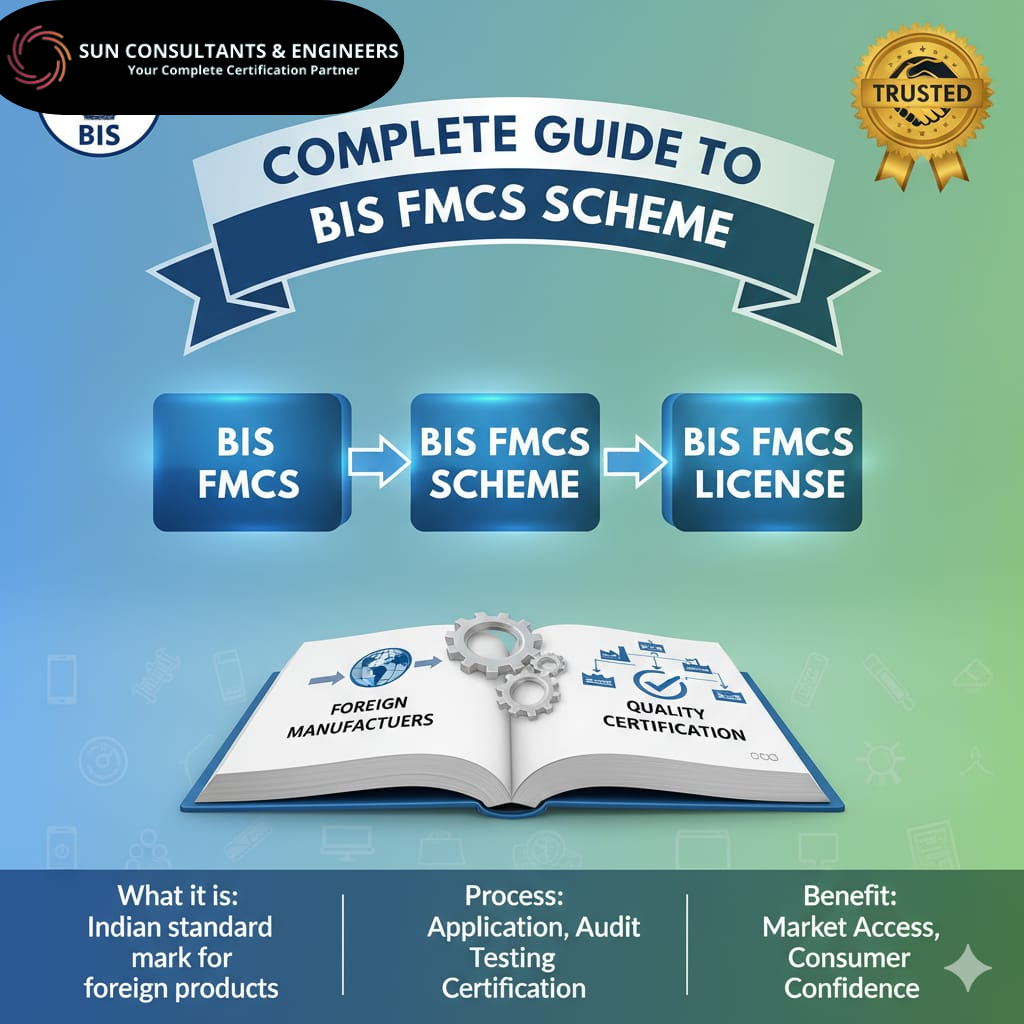
  • BIS FMCS stands for Foreign Manufacturers Certification Scheme, a program introduced by BIS to allow overseas manufacturers to use the ISI mark on their products. Under this scheme, foreign companies can obtain BIS Certification for Foreign Manufacturer and legally sell their products in India. The scheme ensures that products manufactured outside India comply with Indian Standards (IS) before entering the market. It is mandatory for several product categories such as electronics, cement, chemicals, and household appliances.
    https://bis-certifications.com/a-guide-to-bis-certification-for-foreign-manufacturers-indian-bis
    BIS FMCS stands for Foreign Manufacturers Certification Scheme, a program introduced by BIS to allow overseas manufacturers to use the ISI mark on their products. Under this scheme, foreign companies can obtain BIS Certification for Foreign Manufacturer and legally sell their products in India. The scheme ensures that products manufactured outside India comply with Indian Standards (IS) before entering the market. It is mandatory for several product categories such as electronics, cement, chemicals, and household appliances. https://bis-certifications.com/a-guide-to-bis-certification-for-foreign-manufacturers-indian-bis
    0 Comments ·0 Shares ·2K Views ·0 Reviews