• Firmographic Data Emerges as a Strategic Engine for Modern B2B Teams

    B2B organizations are increasingly turning to Vereigen Media’s insights on firmographic data to sharpen targeting and drive measurable revenue outcomes. As competition intensifies across industries, businesses are relying on deeper company-level intelligence to refine segmentation, personalize outreach, and improve campaign performance across the buyer journey.
    Firmographic data, which includes attributes such as company size, industry, location, revenue, and organizational structure, has become a foundational element for marketing and sales teams. By leveraging this information, organizations can better understand their ideal customer profiles and allocate resources more efficiently. The growing reliance on data-driven strategies underscores how critical firmographics have become in modern B2B decision-making.
    How Firmographic Intelligence Drives Smarter Targeting
    One of the most significant advantages of firmographic data lies in its ability to enhance precision targeting. Marketing teams can segment audiences based on company characteristics and tailor messaging that resonates with specific business needs. This approach not only improves engagement but also shortens sales cycles by focusing efforts on high-value prospects.
    Sales teams also benefit from firmographic insights by prioritizing leads that align closely with their ideal customer profile. With better visibility into organizational structures and growth indicators, teams can craft more relevant outreach strategies and strengthen relationships with potential buyers.
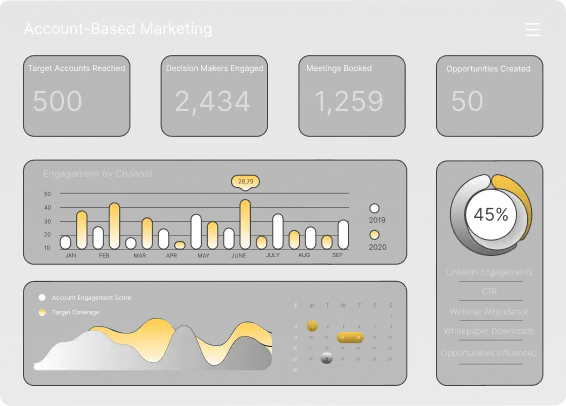
    Beyond targeting, firmographic data plays a crucial role in account-based marketing initiatives. It enables organizations to identify key accounts, personalize campaigns at scale, and measure success more effectively. As B2B buying committees grow more complex, having accurate company-level intelligence ensures that outreach remains relevant to each stakeholder involved in the decision process.
    Building a Data-Driven Foundation for Revenue Growth
    Organizations that integrate firmographic data into their broader analytics ecosystem often see improved alignment between marketing and sales. Shared insights create a unified view of target accounts, enabling teams to collaborate more effectively and track performance against common goals.
    Additionally, firmographic intelligence supports better forecasting and strategic planning. By analyzing trends across industries and company segments, businesses can identify emerging opportunities and adjust their go-to-market strategies accordingly. This level of insight is particularly valuable in dynamic markets where customer needs evolve rapidly.
    As data privacy and compliance requirements continue to expand, companies are also focusing on maintaining high-quality, ethically sourced firmographic datasets. Reliable data governance practices help ensure accuracy while building trust with prospects and customers.
    Ultimately, firmographic data has evolved from a basic segmentation tool into a strategic asset that powers personalization, improves pipeline quality, and strengthens long-term customer relationships. For B2B teams seeking sustainable growth, investing in robust firmographic intelligence is becoming less of an option and more of a necessity.
    Conclusion
    Firmographic data has moved far beyond its traditional role as a simple segmentation tool. Today, it serves as a b2b demand generation strategy engine that powers smarter targeting, deeper personalization, and stronger alignment between revenue teams. Organizations that embed firmographic intelligence into their core operations gain clearer visibility into their markets, make more informed decisions, and build more resilient pipelines.
    As B2B ecosystems grow increasingly complex, the importance of accurate, actionable company-level insights will only continue to rise. Companies that invest in robust firmographic strategies supported by reliable data governance and cross-functional collaboration position themselves to adapt faster, engage more effectively, and sustain long-term growth. In an era defined by precision and relevance, firmographic intelligence is no longer optional; it is a cornerstone of modern B2B success.
    Firmographic Data Emerges as a Strategic Engine for Modern B2B Teams B2B organizations are increasingly turning to Vereigen Media’s insights on firmographic data to sharpen targeting and drive measurable revenue outcomes. As competition intensifies across industries, businesses are relying on deeper company-level intelligence to refine segmentation, personalize outreach, and improve campaign performance across the buyer journey. Firmographic data, which includes attributes such as company size, industry, location, revenue, and organizational structure, has become a foundational element for marketing and sales teams. By leveraging this information, organizations can better understand their ideal customer profiles and allocate resources more efficiently. The growing reliance on data-driven strategies underscores how critical firmographics have become in modern B2B decision-making. How Firmographic Intelligence Drives Smarter Targeting One of the most significant advantages of firmographic data lies in its ability to enhance precision targeting. Marketing teams can segment audiences based on company characteristics and tailor messaging that resonates with specific business needs. This approach not only improves engagement but also shortens sales cycles by focusing efforts on high-value prospects. Sales teams also benefit from firmographic insights by prioritizing leads that align closely with their ideal customer profile. With better visibility into organizational structures and growth indicators, teams can craft more relevant outreach strategies and strengthen relationships with potential buyers. Beyond targeting, firmographic data plays a crucial role in account-based marketing initiatives. It enables organizations to identify key accounts, personalize campaigns at scale, and measure success more effectively. As B2B buying committees grow more complex, having accurate company-level intelligence ensures that outreach remains relevant to each stakeholder involved in the decision process. Building a Data-Driven Foundation for Revenue Growth Organizations that integrate firmographic data into their broader analytics ecosystem often see improved alignment between marketing and sales. Shared insights create a unified view of target accounts, enabling teams to collaborate more effectively and track performance against common goals. Additionally, firmographic intelligence supports better forecasting and strategic planning. By analyzing trends across industries and company segments, businesses can identify emerging opportunities and adjust their go-to-market strategies accordingly. This level of insight is particularly valuable in dynamic markets where customer needs evolve rapidly. As data privacy and compliance requirements continue to expand, companies are also focusing on maintaining high-quality, ethically sourced firmographic datasets. Reliable data governance practices help ensure accuracy while building trust with prospects and customers. Ultimately, firmographic data has evolved from a basic segmentation tool into a strategic asset that powers personalization, improves pipeline quality, and strengthens long-term customer relationships. For B2B teams seeking sustainable growth, investing in robust firmographic intelligence is becoming less of an option and more of a necessity. Conclusion Firmographic data has moved far beyond its traditional role as a simple segmentation tool. Today, it serves as a b2b demand generation strategy engine that powers smarter targeting, deeper personalization, and stronger alignment between revenue teams. Organizations that embed firmographic intelligence into their core operations gain clearer visibility into their markets, make more informed decisions, and build more resilient pipelines. As B2B ecosystems grow increasingly complex, the importance of accurate, actionable company-level insights will only continue to rise. Companies that invest in robust firmographic strategies supported by reliable data governance and cross-functional collaboration position themselves to adapt faster, engage more effectively, and sustain long-term growth. In an era defined by precision and relevance, firmographic intelligence is no longer optional; it is a cornerstone of modern B2B success.
    0 Σχόλια ·0 Μοιράστηκε ·993 Views ·0 Προεπισκόπηση
  • Technographic Data Explained: A Complete Guide for B2B Teams
    In today’s competitive landscape, technographic data has become a critical resource for modern B2B organizations. By understanding the technologies companies use, teams can build smarter campaigns, refine targeting, and improve sales outcomes. This guide explores how technographic data works, why it matters, and how B2B teams can leverage it effectively.
    What Is Technographic Data?
    Technographic data refers to information about the technologies a company uses to run its operations. It reveals insights into software, hardware, and digital tools within an organization. This intelligence helps marketers and sales teams understand a prospect’s technology environment.
    Unlike basic firmographic or demographic insights, technographic data focuses on real technology adoption. It shows how organizations operate and what solutions they may need next. As a result, teams can move beyond assumptions and base decisions on actual usage patterns.
    Technographic insights also help identify compatibility between solutions. This allows businesses to position their offerings as seamless additions to a prospect’s existing stack.
    Why Technographic Data Matters for B2B Teams
    Modern B2B buyers expect personalized experiences and relevant messaging. Technographic segmentation enables teams to tailor outreach based on technology maturity and needs.
    Organizations gain visibility into a prospect’s ecosystem, including tools and integrations. This helps teams craft value propositions that address real challenges. Consequently, campaigns become more targeted and effective.
    Technographic intelligence also supports account-based marketing initiatives. Teams can prioritize high-value accounts that align with their ideal customer profile. This approach improves conversion rates and accelerates deal cycles.
    Key Benefits of Using Technographic Data
    One of the biggest advantages is improved targeting accuracy. Teams can identify prospects that are most likely to benefit from their solutions. This reduces wasted outreach and improves marketing efficiency.
    Another benefit is stronger sales alignment. With shared technology insights, marketing and sales teams can coordinate messaging and engagement strategies. This ensures consistent communication throughout the buyer journey.
    Technographic data also helps uncover competitive opportunities. By analyzing technology usage, companies can identify gaps or inefficiencies in a prospect’s stack. They can then position their solutions as improvements.
    Finally, it supports market expansion strategies. Businesses can identify industries adopting specific technologies and tailor offerings accordingly.
    Technographic Data vs Other B2B Data Types
    B2B organizations rely on multiple data types to understand their audience. Firmographic data describes company attributes such as size and industry. Demographic data focuses on individuals within an organization.
    Technographic data complements these insights by adding technology context. Together, these datasets create a comprehensive view of prospects. This holistic perspective enables more precise segmentation and messaging.
    How B2B Teams Use Technographic Data
    Marketing teams use technographic insights to personalize campaigns and content. They can highlight integrations, use cases, and benefits relevant to a prospect’s stack. This increases engagement and builds credibility.
    Sales teams leverage the data to prioritize accounts and prepare tailored pitches. Knowing which tools a prospect uses helps reps anticipate objections and demonstrate compatibility.
    Product teams also benefit by identifying trends in technology adoption. These insights guide roadmap decisions and partnership opportunities.
    Best Practices for Implementing Technographic Data
    To maximize value, organizations should integrate technographic data into their CRM and marketing platforms. This ensures insights are accessible across teams.
    Data quality is equally important. Regular updates help maintain accuracy as technology environments change frequently.
    Teams should also combine technographic insights with intent and behavioral data. This creates a richer understanding of buyer readiness and priorities.
    The Future of Technographic Intelligence
    As digital transformation accelerates, technographic intelligence will play an even larger role in b2b demand generation. Advances in AI and data analytics will enable deeper insights and predictive capabilities.
    Organizations that invest in technographic data today will gain a competitive edge. They will be better positioned to anticipate customer needs and deliver relevant solutions.
    Technographic Data Explained: A Complete Guide for B2B Teams In today’s competitive landscape, technographic data has become a critical resource for modern B2B organizations. By understanding the technologies companies use, teams can build smarter campaigns, refine targeting, and improve sales outcomes. This guide explores how technographic data works, why it matters, and how B2B teams can leverage it effectively. What Is Technographic Data? Technographic data refers to information about the technologies a company uses to run its operations. It reveals insights into software, hardware, and digital tools within an organization. This intelligence helps marketers and sales teams understand a prospect’s technology environment. Unlike basic firmographic or demographic insights, technographic data focuses on real technology adoption. It shows how organizations operate and what solutions they may need next. As a result, teams can move beyond assumptions and base decisions on actual usage patterns. Technographic insights also help identify compatibility between solutions. This allows businesses to position their offerings as seamless additions to a prospect’s existing stack. Why Technographic Data Matters for B2B Teams Modern B2B buyers expect personalized experiences and relevant messaging. Technographic segmentation enables teams to tailor outreach based on technology maturity and needs. Organizations gain visibility into a prospect’s ecosystem, including tools and integrations. This helps teams craft value propositions that address real challenges. Consequently, campaigns become more targeted and effective. Technographic intelligence also supports account-based marketing initiatives. Teams can prioritize high-value accounts that align with their ideal customer profile. This approach improves conversion rates and accelerates deal cycles. Key Benefits of Using Technographic Data One of the biggest advantages is improved targeting accuracy. Teams can identify prospects that are most likely to benefit from their solutions. This reduces wasted outreach and improves marketing efficiency. Another benefit is stronger sales alignment. With shared technology insights, marketing and sales teams can coordinate messaging and engagement strategies. This ensures consistent communication throughout the buyer journey. Technographic data also helps uncover competitive opportunities. By analyzing technology usage, companies can identify gaps or inefficiencies in a prospect’s stack. They can then position their solutions as improvements. Finally, it supports market expansion strategies. Businesses can identify industries adopting specific technologies and tailor offerings accordingly. Technographic Data vs Other B2B Data Types B2B organizations rely on multiple data types to understand their audience. Firmographic data describes company attributes such as size and industry. Demographic data focuses on individuals within an organization. Technographic data complements these insights by adding technology context. Together, these datasets create a comprehensive view of prospects. This holistic perspective enables more precise segmentation and messaging. How B2B Teams Use Technographic Data Marketing teams use technographic insights to personalize campaigns and content. They can highlight integrations, use cases, and benefits relevant to a prospect’s stack. This increases engagement and builds credibility. Sales teams leverage the data to prioritize accounts and prepare tailored pitches. Knowing which tools a prospect uses helps reps anticipate objections and demonstrate compatibility. Product teams also benefit by identifying trends in technology adoption. These insights guide roadmap decisions and partnership opportunities. Best Practices for Implementing Technographic Data To maximize value, organizations should integrate technographic data into their CRM and marketing platforms. This ensures insights are accessible across teams. Data quality is equally important. Regular updates help maintain accuracy as technology environments change frequently. Teams should also combine technographic insights with intent and behavioral data. This creates a richer understanding of buyer readiness and priorities. The Future of Technographic Intelligence As digital transformation accelerates, technographic intelligence will play an even larger role in b2b demand generation. Advances in AI and data analytics will enable deeper insights and predictive capabilities. Organizations that invest in technographic data today will gain a competitive edge. They will be better positioned to anticipate customer needs and deliver relevant solutions.
    0 Σχόλια ·0 Μοιράστηκε ·2χλμ. Views ·0 Προεπισκόπηση
  • Digital Prospo is a B2B growth and lead generation agency that helps companies connect with the right decision-makers and generate continuous sales opportunities. They focus on data-driven marketing, connecting businesses with prospects that match their ideal customer profile. Digital Prospo offers greater conversion rates and predictable sales pipelines through targeted research, individualized marketing, and multichannel strategies.

    OUR CORE SERVICES:

    Appointment Setting: Book qualifying meetings with decision-makers.
    Cold Email Outreach: Use tailored emails to generate leads.
    LinkedIn Lead Generation: Connect with key prospects on LinkedIn.
    Account-Based Marketing (ABM) focuses on high-value companies and stakeholders.

    Visit our site for more info: https://digitalprospo.com/
    Digital Prospo is a B2B growth and lead generation agency that helps companies connect with the right decision-makers and generate continuous sales opportunities. They focus on data-driven marketing, connecting businesses with prospects that match their ideal customer profile. Digital Prospo offers greater conversion rates and predictable sales pipelines through targeted research, individualized marketing, and multichannel strategies. OUR CORE SERVICES: Appointment Setting: Book qualifying meetings with decision-makers. Cold Email Outreach: Use tailored emails to generate leads. LinkedIn Lead Generation: Connect with key prospects on LinkedIn. Account-Based Marketing (ABM) focuses on high-value companies and stakeholders. Visit our site for more info: https://digitalprospo.com/
    0 Σχόλια ·0 Μοιράστηκε ·556 Views ·0 Προεπισκόπηση
  • Boost B2B Sales with a Targeted CTO Email List

    A CTO email list is a successful B2B marketing and sales tool that allows you to establish direct connections with Chief Technology Officers, the important decision-makers in charge of infrastructure-related product investments, IT planning, and digital transformation. A certified CTO mailing list helps you to connect with technology experts in sectors including IT, SaaS, healthcare, finance, manufacturing, and e-commerce, rather than wasting time on cold outreach and unqualified prospects.

    Correct contact information, company profiles, and business data are all included in a high-quality CTO email database, allowing you to customize campaigns and increase response rates. You are free to begin email marketing, telemarketing, and account-based marketing campaigns that increase conversions and speed up sales cycles with 99% email deliverability, frequent updates, and secure data processes.

    Visit our website: https://www.datamaelumat.com/australia-business-email-list/
    Boost B2B Sales with a Targeted CTO Email List A CTO email list is a successful B2B marketing and sales tool that allows you to establish direct connections with Chief Technology Officers, the important decision-makers in charge of infrastructure-related product investments, IT planning, and digital transformation. A certified CTO mailing list helps you to connect with technology experts in sectors including IT, SaaS, healthcare, finance, manufacturing, and e-commerce, rather than wasting time on cold outreach and unqualified prospects. Correct contact information, company profiles, and business data are all included in a high-quality CTO email database, allowing you to customize campaigns and increase response rates. You are free to begin email marketing, telemarketing, and account-based marketing campaigns that increase conversions and speed up sales cycles with 99% email deliverability, frequent updates, and secure data processes. Visit our website: https://www.datamaelumat.com/australia-business-email-list/
    0 Σχόλια ·0 Μοιράστηκε ·3χλμ. Views ·0 Προεπισκόπηση