Technographic Data Explained: A Complete Guide for B2B Teams
In today’s competitive landscape, technographic data has become a critical resource for modern B2B organizations. By understanding the technologies companies use, teams can build smarter campaigns, refine targeting, and improve sales outcomes. This guide explores how technographic data works, why it matters, and how B2B teams can leverage it effectively.
What Is Technographic Data?
Technographic data refers to information about the technologies a company uses to run its operations. It reveals insights into software, hardware, and digital tools within an organization. This intelligence helps marketers and sales teams understand a prospect’s technology environment.
Unlike basic firmographic or demographic insights, technographic data focuses on real technology adoption. It shows how organizations operate and what solutions they may need next. As a result, teams can move beyond assumptions and base decisions on actual usage patterns.
Technographic insights also help identify compatibility between solutions. This allows businesses to position their offerings as seamless additions to a prospect’s existing stack.
Why Technographic Data Matters for B2B Teams
Modern B2B buyers expect personalized experiences and relevant messaging. Technographic segmentation enables teams to tailor outreach based on technology maturity and needs.
Organizations gain visibility into a prospect’s ecosystem, including tools and integrations. This helps teams craft value propositions that address real challenges. Consequently, campaigns become more targeted and effective.
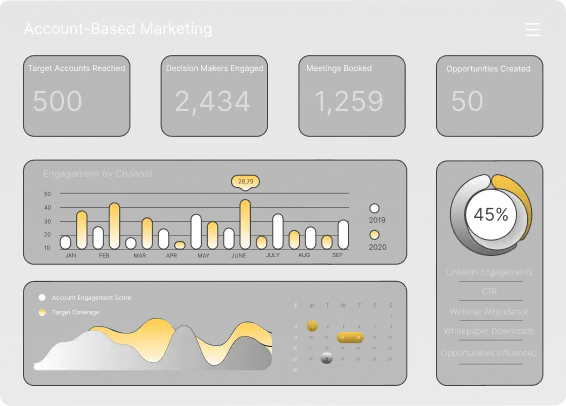
Technographic intelligence also supports account-based marketing initiatives. Teams can prioritize high-value accounts that align with their ideal customer profile. This approach improves conversion rates and accelerates deal cycles.
Key Benefits of Using Technographic Data
One of the biggest advantages is improved targeting accuracy. Teams can identify prospects that are most likely to benefit from their solutions. This reduces wasted outreach and improves marketing efficiency.
Another benefit is stronger sales alignment. With shared technology insights, marketing and sales teams can coordinate messaging and engagement strategies. This ensures consistent communication throughout the buyer journey.
Technographic data also helps uncover competitive opportunities. By analyzing technology usage, companies can identify gaps or inefficiencies in a prospect’s stack. They can then position their solutions as improvements.
Finally, it supports market expansion strategies. Businesses can identify industries adopting specific technologies and tailor offerings accordingly.
Technographic Data vs Other B2B Data Types
B2B organizations rely on multiple data types to understand their audience. Firmographic data describes company attributes such as size and industry. Demographic data focuses on individuals within an organization.
Technographic data complements these insights by adding technology context. Together, these datasets create a comprehensive view of prospects. This holistic perspective enables more precise segmentation and messaging.
How B2B Teams Use Technographic Data
Marketing teams use technographic insights to personalize campaigns and content. They can highlight integrations, use cases, and benefits relevant to a prospect’s stack. This increases engagement and builds credibility.
Sales teams leverage the data to prioritize accounts and prepare tailored pitches. Knowing which tools a prospect uses helps reps anticipate objections and demonstrate compatibility.
Product teams also benefit by identifying trends in technology adoption. These insights guide roadmap decisions and partnership opportunities.
Best Practices for Implementing Technographic Data
To maximize value, organizations should integrate technographic data into their CRM and marketing platforms. This ensures insights are accessible across teams.
Data quality is equally important. Regular updates help maintain accuracy as technology environments change frequently.
Teams should also combine technographic insights with intent and behavioral data. This creates a richer understanding of buyer readiness and priorities.
The Future of Technographic Intelligence
As digital transformation accelerates, technographic intelligence will play an even larger role in b2b demand generation. Advances in AI and data analytics will enable deeper insights and predictive capabilities.
Organizations that invest in technographic data today will gain a competitive edge. They will be better positioned to anticipate customer needs and deliver relevant solutions.
Technographic Data Explained: A Complete Guide for B2B Teams
In today’s competitive landscape, technographic data has become a critical resource for modern B2B organizations. By understanding the technologies companies use, teams can build smarter campaigns, refine targeting, and improve sales outcomes. This guide explores how technographic data works, why it matters, and how B2B teams can leverage it effectively.
What Is Technographic Data?
Technographic data refers to information about the technologies a company uses to run its operations. It reveals insights into software, hardware, and digital tools within an organization. This intelligence helps marketers and sales teams understand a prospect’s technology environment.
Unlike basic firmographic or demographic insights, technographic data focuses on real technology adoption. It shows how organizations operate and what solutions they may need next. As a result, teams can move beyond assumptions and base decisions on actual usage patterns.
Technographic insights also help identify compatibility between solutions. This allows businesses to position their offerings as seamless additions to a prospect’s existing stack.
Why Technographic Data Matters for B2B Teams
Modern B2B buyers expect personalized experiences and relevant messaging. Technographic segmentation enables teams to tailor outreach based on technology maturity and needs.
Organizations gain visibility into a prospect’s ecosystem, including tools and integrations. This helps teams craft value propositions that address real challenges. Consequently, campaigns become more targeted and effective.
Technographic intelligence also supports account-based marketing initiatives. Teams can prioritize high-value accounts that align with their ideal customer profile. This approach improves conversion rates and accelerates deal cycles.
Key Benefits of Using Technographic Data
One of the biggest advantages is improved targeting accuracy. Teams can identify prospects that are most likely to benefit from their solutions. This reduces wasted outreach and improves marketing efficiency.
Another benefit is stronger sales alignment. With shared technology insights, marketing and sales teams can coordinate messaging and engagement strategies. This ensures consistent communication throughout the buyer journey.
Technographic data also helps uncover competitive opportunities. By analyzing technology usage, companies can identify gaps or inefficiencies in a prospect’s stack. They can then position their solutions as improvements.
Finally, it supports market expansion strategies. Businesses can identify industries adopting specific technologies and tailor offerings accordingly.
Technographic Data vs Other B2B Data Types
B2B organizations rely on multiple data types to understand their audience. Firmographic data describes company attributes such as size and industry. Demographic data focuses on individuals within an organization.
Technographic data complements these insights by adding technology context. Together, these datasets create a comprehensive view of prospects. This holistic perspective enables more precise segmentation and messaging.
How B2B Teams Use Technographic Data
Marketing teams use technographic insights to personalize campaigns and content. They can highlight integrations, use cases, and benefits relevant to a prospect’s stack. This increases engagement and builds credibility.
Sales teams leverage the data to prioritize accounts and prepare tailored pitches. Knowing which tools a prospect uses helps reps anticipate objections and demonstrate compatibility.
Product teams also benefit by identifying trends in technology adoption. These insights guide roadmap decisions and partnership opportunities.
Best Practices for Implementing Technographic Data
To maximize value, organizations should integrate technographic data into their CRM and marketing platforms. This ensures insights are accessible across teams.
Data quality is equally important. Regular updates help maintain accuracy as technology environments change frequently.
Teams should also combine technographic insights with intent and behavioral data. This creates a richer understanding of buyer readiness and priorities.
The Future of Technographic Intelligence
As digital transformation accelerates, technographic intelligence will play an even larger role in b2b demand generation. Advances in AI and data analytics will enable deeper insights and predictive capabilities.
Organizations that invest in technographic data today will gain a competitive edge. They will be better positioned to anticipate customer needs and deliver relevant solutions.