# Fandeez Business Solutions: Trusted Tax Consultancy and Accounting Services in Dubai, UAE
Navigating **VAT compliance**, **corporate tax filing**, and day-to-day **bookkeeping** can be one of the biggest headaches for a growing business in the UAE. [Fandeez Business Solutions](https://fandeez.com/) has spent over seven years helping companies across Dubai and the wider Emirates stay compliant while keeping their finances under control.
## Who Is Fandeez Business Solutions?
Fandeez is a **Dubai-based tax consultancy and accounting firm** offering a full suite of financial services for startups, SMEs, and multinational businesses. The company is headquartered at Ground Floor, Lake Apartments, Green Community Village, DIP, Building 4, Dubai, and holds a strong 5.0 rating based on client reviews.
Their core promise is simple: give businesses access to experienced **UAE tax experts** for less than the cost of hiring a full-time junior accountant.
## Core Services
Fandeez offers a wide range of **UAE tax and accounting services**, including:
- **[Corporate Tax](https://fandeez.com/accounting-tax-services-uae/corporate-tax/)** — registration, filing, and advisory support to stay compliant with UAE corporate tax law introduced for financial years starting on or after June 1, 2023.
- **[VAT Management](https://fandeez.com/accounting-tax-services-uae/vat-management/)** — VAT registration, quarterly return filing, and consultancy for businesses subject to the UAE's 5% Value Added Tax.
- **[Excise Tax](https://fandeez.com/accounting-tax-services-uae/excise-tax/)** — registration, calculation, reporting, and refund support for businesses dealing in excisable goods.
- **[Bookkeeping and Accounting](https://fandeez.com/accounting-tax-services-uae/bookkeeping-and-accounting/)** — outsourced financial record-keeping so businesses avoid the cost of an in-house accounting team.
- **[Auditing Services](https://fandeez.com/accounting-tax-services-uae/internal-external-auditing-services-uae/)** — internal and external audits to support financial transparency and regulatory compliance.
- **[Business Advisory Services](https://fandeez.com/accounting-tax-services-uae/business-advisory-service/)** — strategic guidance on structuring, growth, and financial planning.
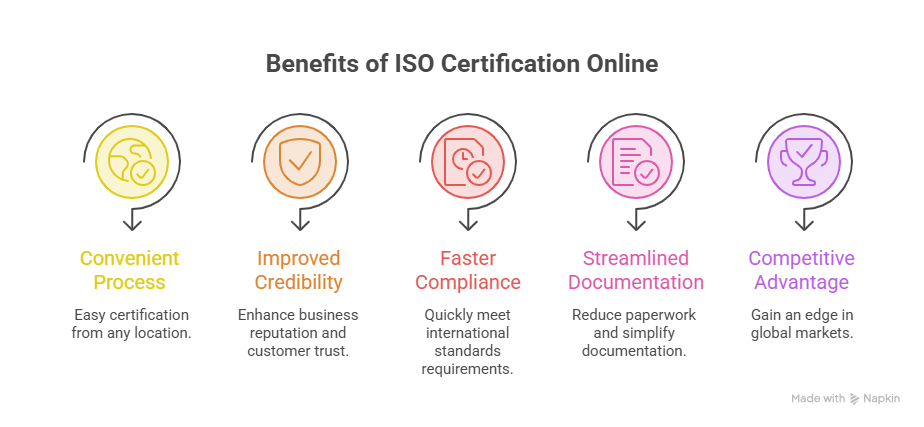
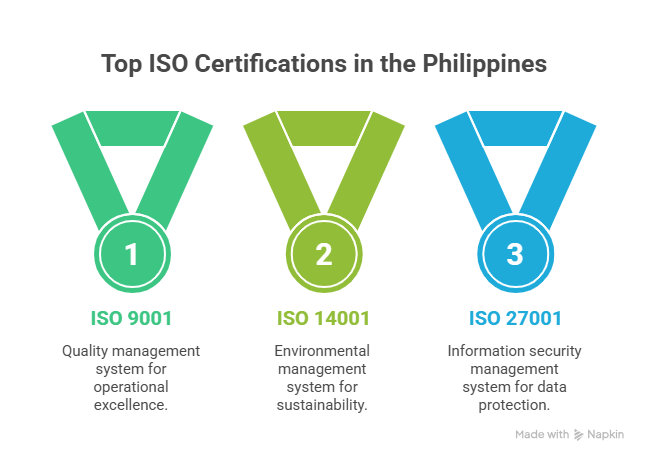
- **Trade financing**, **feasibility reporting**, and **ISO certification** support round out their offering for companies at different stages of growth.
Pricing starts as low as AED 300–500 per month depending on the service package, with full details on their [pricing page](https://fandeez.com/pricing/).
## Why Businesses Choose Fandeez
A few things set Fandeez apart in a crowded field of **UAE tax consultants**:
1. **Cost-effective alternative to in-house hiring** — clients get a full team of tax and accounting professionals without the overhead of a salaried employee.
2. **FTA compliance expertise** — the firm keeps clients aligned with requirements set by the UAE's [Federal Tax Authority (FTA)](https://tax.gov.ae/en/), covering VAT, excise tax, and corporate tax obligations.
3. **Industry-specific guidance** — Fandeez works with freelancers, limited companies, limited liability partnerships, and professional service firms alike.
4. **Transparent communication** — clients report clear, responsive support throughout the engagement, reflected in testimonials from companies like Green Figure Technique (GFT).
## Staying Current with UAE Tax Regulations
Because tax law in the UAE continues to evolve — particularly around **corporate tax** since its 2023 rollout — Fandeez regularly publishes guidance on its [blog](https://fandeez.com/blog/), covering topics like VAT return filing and business tax filing requirements. For the authoritative source on tax law and official filing procedures, businesses can also refer directly to the [Federal Tax Authority's official portal](https://tax.gov.ae/en/), which manages VAT, excise tax, and corporate tax administration nationwide.
## Get in Touch
- **Website:** [https://fandeez.com/](https://fandeez.com/)
- **Email:** contact@fandeez.com / info@fandeez.com
- **Phone:** +971 4 262 0555 / +971 54 372 5355
- **WhatsApp:** [Book a consultation](https://wa.me/971543725355)
- **Address:** Ground Floor, Lake Apartments, Green Community Village, DIP, Building 4, Dubai, UAE
**Social media:** [Facebook](https://www.facebook.com/fandeez) · [LinkedIn](https://www.linkedin.com/company/fandeez-business-solutions/) · [X (Twitter)](https://x.com/FandeezTax) · [YouTube](https://www.youtube.com/@FandeezBusinessSolutions) · [TikTok](https://www.tiktok.com/@fandeezbusinesssolutions)
---
*This overview is intended as general informational content. For specific tax advice tailored to your business, consult directly with Fandeez or a licensed UAE tax advisor.*
Navigating **VAT compliance**, **corporate tax filing**, and day-to-day **bookkeeping** can be one of the biggest headaches for a growing business in the UAE. [Fandeez Business Solutions](https://fandeez.com/) has spent over seven years helping companies across Dubai and the wider Emirates stay compliant while keeping their finances under control.
## Who Is Fandeez Business Solutions?
Fandeez is a **Dubai-based tax consultancy and accounting firm** offering a full suite of financial services for startups, SMEs, and multinational businesses. The company is headquartered at Ground Floor, Lake Apartments, Green Community Village, DIP, Building 4, Dubai, and holds a strong 5.0 rating based on client reviews.
Their core promise is simple: give businesses access to experienced **UAE tax experts** for less than the cost of hiring a full-time junior accountant.
## Core Services
Fandeez offers a wide range of **UAE tax and accounting services**, including:
- **[Corporate Tax](https://fandeez.com/accounting-tax-services-uae/corporate-tax/)** — registration, filing, and advisory support to stay compliant with UAE corporate tax law introduced for financial years starting on or after June 1, 2023.
- **[VAT Management](https://fandeez.com/accounting-tax-services-uae/vat-management/)** — VAT registration, quarterly return filing, and consultancy for businesses subject to the UAE's 5% Value Added Tax.
- **[Excise Tax](https://fandeez.com/accounting-tax-services-uae/excise-tax/)** — registration, calculation, reporting, and refund support for businesses dealing in excisable goods.
- **[Bookkeeping and Accounting](https://fandeez.com/accounting-tax-services-uae/bookkeeping-and-accounting/)** — outsourced financial record-keeping so businesses avoid the cost of an in-house accounting team.
- **[Auditing Services](https://fandeez.com/accounting-tax-services-uae/internal-external-auditing-services-uae/)** — internal and external audits to support financial transparency and regulatory compliance.
- **[Business Advisory Services](https://fandeez.com/accounting-tax-services-uae/business-advisory-service/)** — strategic guidance on structuring, growth, and financial planning.
- **Trade financing**, **feasibility reporting**, and **ISO certification** support round out their offering for companies at different stages of growth.
Pricing starts as low as AED 300–500 per month depending on the service package, with full details on their [pricing page](https://fandeez.com/pricing/).
## Why Businesses Choose Fandeez
A few things set Fandeez apart in a crowded field of **UAE tax consultants**:
1. **Cost-effective alternative to in-house hiring** — clients get a full team of tax and accounting professionals without the overhead of a salaried employee.
2. **FTA compliance expertise** — the firm keeps clients aligned with requirements set by the UAE's [Federal Tax Authority (FTA)](https://tax.gov.ae/en/), covering VAT, excise tax, and corporate tax obligations.
3. **Industry-specific guidance** — Fandeez works with freelancers, limited companies, limited liability partnerships, and professional service firms alike.
4. **Transparent communication** — clients report clear, responsive support throughout the engagement, reflected in testimonials from companies like Green Figure Technique (GFT).
## Staying Current with UAE Tax Regulations
Because tax law in the UAE continues to evolve — particularly around **corporate tax** since its 2023 rollout — Fandeez regularly publishes guidance on its [blog](https://fandeez.com/blog/), covering topics like VAT return filing and business tax filing requirements. For the authoritative source on tax law and official filing procedures, businesses can also refer directly to the [Federal Tax Authority's official portal](https://tax.gov.ae/en/), which manages VAT, excise tax, and corporate tax administration nationwide.
## Get in Touch
- **Website:** [https://fandeez.com/](https://fandeez.com/)
- **Email:** contact@fandeez.com / info@fandeez.com
- **Phone:** +971 4 262 0555 / +971 54 372 5355
- **WhatsApp:** [Book a consultation](https://wa.me/971543725355)
- **Address:** Ground Floor, Lake Apartments, Green Community Village, DIP, Building 4, Dubai, UAE
**Social media:** [Facebook](https://www.facebook.com/fandeez) · [LinkedIn](https://www.linkedin.com/company/fandeez-business-solutions/) · [X (Twitter)](https://x.com/FandeezTax) · [YouTube](https://www.youtube.com/@FandeezBusinessSolutions) · [TikTok](https://www.tiktok.com/@fandeezbusinesssolutions)
---
*This overview is intended as general informational content. For specific tax advice tailored to your business, consult directly with Fandeez or a licensed UAE tax advisor.*
# Fandeez Business Solutions: Trusted Tax Consultancy and Accounting Services in Dubai, UAE
Navigating **VAT compliance**, **corporate tax filing**, and day-to-day **bookkeeping** can be one of the biggest headaches for a growing business in the UAE. [Fandeez Business Solutions](https://fandeez.com/) has spent over seven years helping companies across Dubai and the wider Emirates stay compliant while keeping their finances under control.
## Who Is Fandeez Business Solutions?
Fandeez is a **Dubai-based tax consultancy and accounting firm** offering a full suite of financial services for startups, SMEs, and multinational businesses. The company is headquartered at Ground Floor, Lake Apartments, Green Community Village, DIP, Building 4, Dubai, and holds a strong 5.0 rating based on client reviews.
Their core promise is simple: give businesses access to experienced **UAE tax experts** for less than the cost of hiring a full-time junior accountant.
## Core Services
Fandeez offers a wide range of **UAE tax and accounting services**, including:
- **[Corporate Tax](https://fandeez.com/accounting-tax-services-uae/corporate-tax/)** — registration, filing, and advisory support to stay compliant with UAE corporate tax law introduced for financial years starting on or after June 1, 2023.
- **[VAT Management](https://fandeez.com/accounting-tax-services-uae/vat-management/)** — VAT registration, quarterly return filing, and consultancy for businesses subject to the UAE's 5% Value Added Tax.
- **[Excise Tax](https://fandeez.com/accounting-tax-services-uae/excise-tax/)** — registration, calculation, reporting, and refund support for businesses dealing in excisable goods.
- **[Bookkeeping and Accounting](https://fandeez.com/accounting-tax-services-uae/bookkeeping-and-accounting/)** — outsourced financial record-keeping so businesses avoid the cost of an in-house accounting team.
- **[Auditing Services](https://fandeez.com/accounting-tax-services-uae/internal-external-auditing-services-uae/)** — internal and external audits to support financial transparency and regulatory compliance.
- **[Business Advisory Services](https://fandeez.com/accounting-tax-services-uae/business-advisory-service/)** — strategic guidance on structuring, growth, and financial planning.
- **Trade financing**, **feasibility reporting**, and **ISO certification** support round out their offering for companies at different stages of growth.
Pricing starts as low as AED 300–500 per month depending on the service package, with full details on their [pricing page](https://fandeez.com/pricing/).
## Why Businesses Choose Fandeez
A few things set Fandeez apart in a crowded field of **UAE tax consultants**:
1. **Cost-effective alternative to in-house hiring** — clients get a full team of tax and accounting professionals without the overhead of a salaried employee.
2. **FTA compliance expertise** — the firm keeps clients aligned with requirements set by the UAE's [Federal Tax Authority (FTA)](https://tax.gov.ae/en/), covering VAT, excise tax, and corporate tax obligations.
3. **Industry-specific guidance** — Fandeez works with freelancers, limited companies, limited liability partnerships, and professional service firms alike.
4. **Transparent communication** — clients report clear, responsive support throughout the engagement, reflected in testimonials from companies like Green Figure Technique (GFT).
## Staying Current with UAE Tax Regulations
Because tax law in the UAE continues to evolve — particularly around **corporate tax** since its 2023 rollout — Fandeez regularly publishes guidance on its [blog](https://fandeez.com/blog/), covering topics like VAT return filing and business tax filing requirements. For the authoritative source on tax law and official filing procedures, businesses can also refer directly to the [Federal Tax Authority's official portal](https://tax.gov.ae/en/), which manages VAT, excise tax, and corporate tax administration nationwide.
## Get in Touch
- **Website:** [https://fandeez.com/](https://fandeez.com/)
- **Email:** contact@fandeez.com / info@fandeez.com
- **Phone:** +971 4 262 0555 / +971 54 372 5355
- **WhatsApp:** [Book a consultation](https://wa.me/971543725355)
- **Address:** Ground Floor, Lake Apartments, Green Community Village, DIP, Building 4, Dubai, UAE
**Social media:** [Facebook](https://www.facebook.com/fandeez) · [LinkedIn](https://www.linkedin.com/company/fandeez-business-solutions/) · [X (Twitter)](https://x.com/FandeezTax) · [YouTube](https://www.youtube.com/@FandeezBusinessSolutions) · [TikTok](https://www.tiktok.com/@fandeezbusinesssolutions)
---
*This overview is intended as general informational content. For specific tax advice tailored to your business, consult directly with Fandeez or a licensed UAE tax advisor.*

0 Комментарии
·0 Поделились
·3Кб Просмотры
·0 предпросмотр