How to Become an Airline Pilot in India: College Majors, Training Process, Costs, and Real Airline Challenges
Many students dream about becoming airline pilots, but very few understand how the aviation industry actually works. Questions about college majors, pilot fears, emergency handling, training costs, and airline preparation are extremely common among aspiring pilots in India.
The reality is that becoming a commercial pilot is not just about flying aircraft. It involves technical training, discipline, medical fitness, decision-making skills, and long-term financial planning.
What Is the Most Common College Major for Aspiring Airline Pilots?
The most common college major for aspiring pilots is Aviation or Aeronautical Science because these programs are directly related to flying, navigation, meteorology, aviation law, and airline operations.
However, many airline pilots actually come from different educational backgrounds such as:
- Engineering
- Physics
- Mathematics
- Commerce
- Business Administration
- Computer Science
In India, airlines mainly focus on:
- DGCA licenses
- Flight hours
- Medical fitness
- Technical knowledge
- Simulator performance
This means students from non-aviation backgrounds can still become successful airline pilots.
Even Arts and Commerce students can enter aviation after completing Physics and Mathematics separately through recognized boards like NIOS.
What Is the Process of Becoming a Commercial Pilot in India?
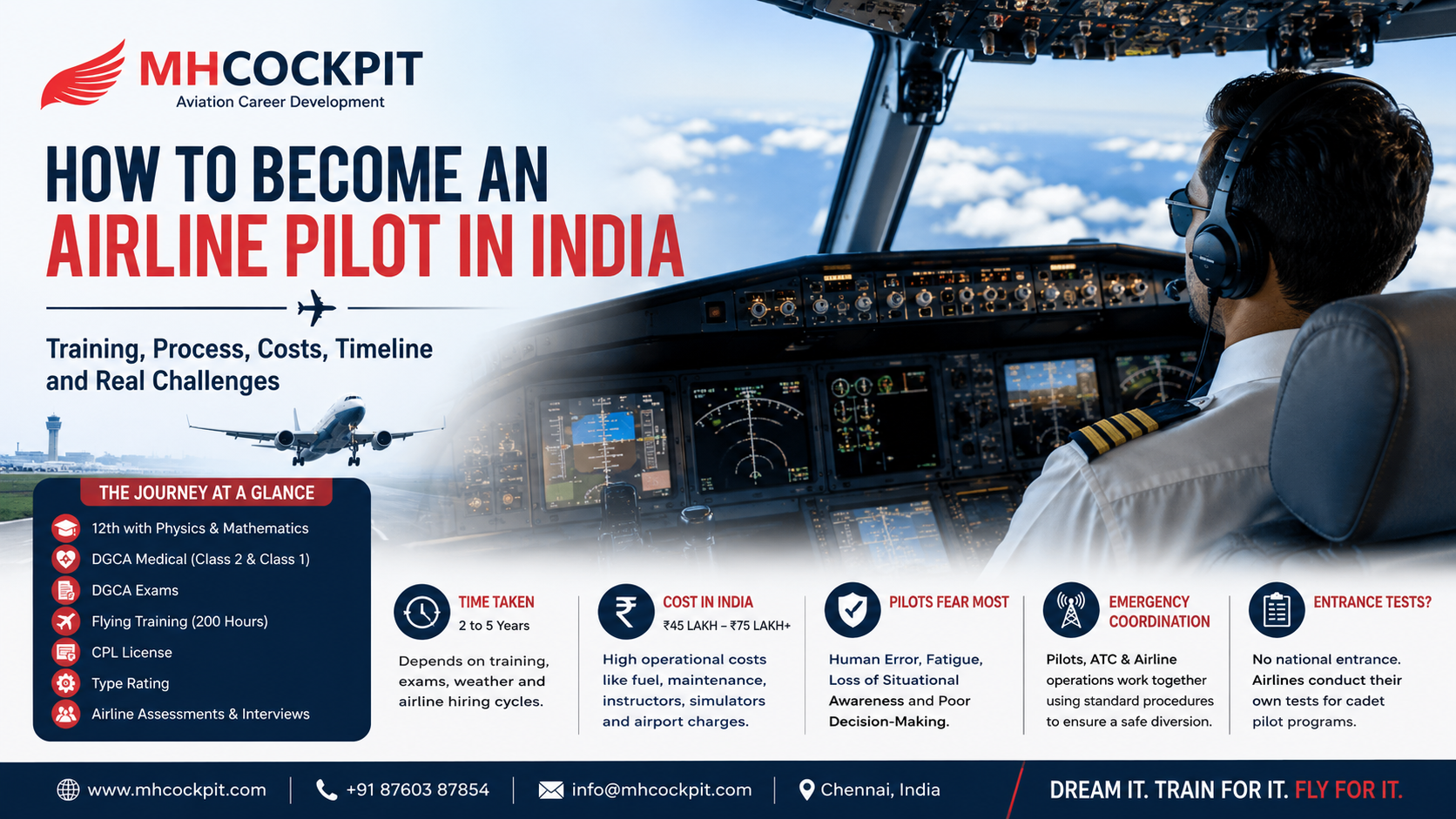
The process of becoming a commercial pilot in India follows a structured DGCA-regulated pathway.
Step 1: Complete 12th Standard
Students must complete:
- 10+2 education
- Physics and Mathematics as compulsory subjects
Step 2: Clear DGCA Medicals
Students need:
- DGCA Class 2 Medical
- DGCA Class 1 Medical
These medicals check:
- Vision
- Hearing
- General fitness
- ECG
- Neurological health
- Color blindness
Step 3: Apply for DGCA Computer Number
This acts as the student’s aviation examination ID.
Step 4: Clear DGCA Ground Exams
Students prepare for subjects including:
- Air Navigation
- Meteorology
- Air Regulations
- Technical General
- RTR(A)
Step 5: Join a DGCA-Approved Flying School
Flying training includes:
- Simulator training
- Solo flying
- Cross-country flying
- Instrument flying
- Night flying
Step 6: Complete Flying Hours
To obtain a CPL, students generally require:
- Around 200 flying hours
Step 7: Type Rating
After CPL completion, many pilots train on aircraft such as:
- Airbus A320
- Boeing 737
Step 8: Airline Interviews and Assessments
Airline selection often includes:
- Aptitude tests
- Psychometric evaluations
- Group discussions
- Simulator checks
- Technical interviews
Airlines such as IndiGo and Air India regularly conduct cadet pilot recruitment programs.
How Long Does It Take to Become an Airline Pilot?
The timeline depends on:
- Exam clearances
- Weather conditions
- Aircraft availability
- Hiring cycles
- Flight school efficiency
Most students take:
- 2 to 5 years
to become airline-ready pilots.
A typical breakdown looks like this:
- Ground school: 6 months to 1 year
- CPL flying training: 12 to 24 months
- Type rating and airline preparation: 4 to 8 months
Some students finish faster, while others face delays because aviation training depends heavily on aircraft scheduling and weather.
Why Is Pilot Training So Expensive?
Pilot training is expensive because aircraft operations themselves are expensive.
The major cost factors include:
Aircraft Fuel
Training aircraft consume aviation fuel during:
- Circuits
- Navigation exercises
- Instrument practice
- Solo flights
Aircraft Maintenance
Aircraft require:
- Frequent inspections
- Engine maintenance
- Avionics checks
- DGCA compliance inspections
Flight Instructors
Students pay for:
- Flight instruction
- Simulator guidance
- Safety supervision
- Pre-flight and post-flight briefings
Airport and Operational Charges
Flying schools also pay:
- Landing fees
- Parking charges
- Navigation fees
- Airport operational costs
Type Rating Costs
Aircraft-specific training on jets like the Airbus A320 can itself cost several lakhs.
Because of all these expenses, pilot training in India can range between:
- ₹45 lakh to ₹75 lakh or more
depending on the training route and location.
What Do Airline Pilots Fear the Most?
Many passengers assume pilots fear turbulence, but experienced airline pilots are trained to handle turbulence regularly.
What pilots actually focus on more seriously includes:
- Fatigue
- Human error
- Loss of situational awareness
- Poor cockpit communication
- Rapidly changing weather
- Technical failures during critical phases of flight
Modern aviation training focuses heavily on minimizing small mistakes before they become major problems.
This is why airlines conduct continuous:
- Simulator training
- Emergency drills
- CRM (Crew Resource Management) exercises
- Decision-making evaluations
How Do Pilots and ATC Coordinate During Emergencies?
During an in-flight emergency, pilots, Air Traffic Control (ATC), and airline operations teams work together using highly standardized procedures.
The process usually includes:
Immediate Communication
Pilots contact ATC using phrases such as:
- “PAN PAN”
- “MAYDAY”
Traffic Prioritization
ATC immediately:
- Clears nearby traffic
- Provides direct routing
- Gives priority landing clearance
Diversion Planning
Pilots and ATC evaluate:
- Weather
- Runway length
- Medical facilities
- Airport emergency capability
- Aircraft condition
Airline Operations Support
The airline’s operations control center coordinates:
- Maintenance teams
- Ground staff
- Passenger support
- Engineering assistance
Emergency Services Preparation
Before landing, airports prepare:
- Fire services
- Medical teams
- Rescue vehicles
This structured coordination system is one of the biggest reasons commercial aviation remains extremely safe worldwide.
Final Thoughts
Becoming an airline pilot in India requires patience, discipline, financial planning, and strong technical preparation. While the process can be demanding, aviation continues to attract students who are passionate about flying and airline careers.
Many aspiring pilots today also seek professional guidance before starting CPL training to better understand DGCA exams, cadet pathways, airline interviews, and aviation career planning. In Chennai, MH Cockpit is one of the aviation guidance institutes that students often refer to for understanding airline preparation, DGCA pathways, and cadet pilot programs before entering commercial flight training.
الأقسام
إقرأ المزيد
Arctic Culture on Screen Arctic Comedy "North of North" Brings Inuit Culture to Global Audiences In the far reaches of Canada's northern territories lies Ice Cove, Nunavut - a fictional Arctic community that serves as the backdrop for the groundbreaking comedy series "North of North." This remote setting offers viewers a rare glimpse into the breathtaking polar landscapes and close-knit...

The diamond couples jewlery may be a girls' best friend but other gems are taking over the number one spot. Morganite happens to be one of them. This peachy and pink stone is naturally romantic. It's also relatively affordable. This is only a small part of why morganite became popular in the world of fine jewelry. In fact, it has replaced the diamond as the most sought after stone in...

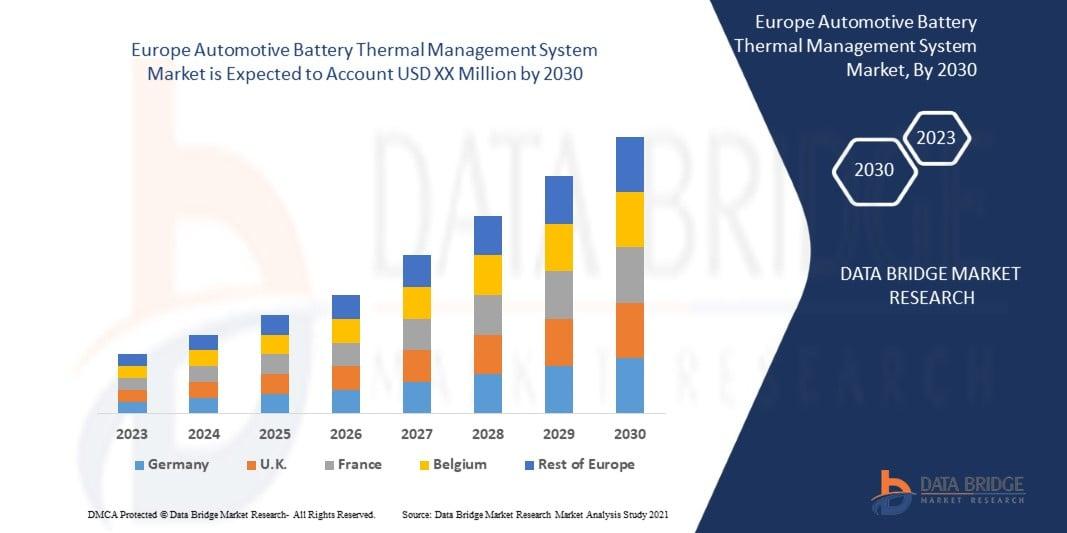
"Europe Automotive Battery Thermal Management System Market Summary: According to the latest report published by Data Bridge Market Research, the Europe Automotive Battery Thermal Management System Market Data Bridge Market Research analyses that the Europe automotive battery thermal management system market will grow at a CAGR of 23.8% during the forecast period of 2023 to 2030. The...
KK55: A Secure and User-Friendly Online Entertainment Platform Understanding Your Needs You are requesting a fully positive, easy-to-read, and original article that explains an online entertainment platform clearly. The article should be suitable for search engine indexing, written in simple English, structured with clear headings, and must not mention technical heading labels. Below is...

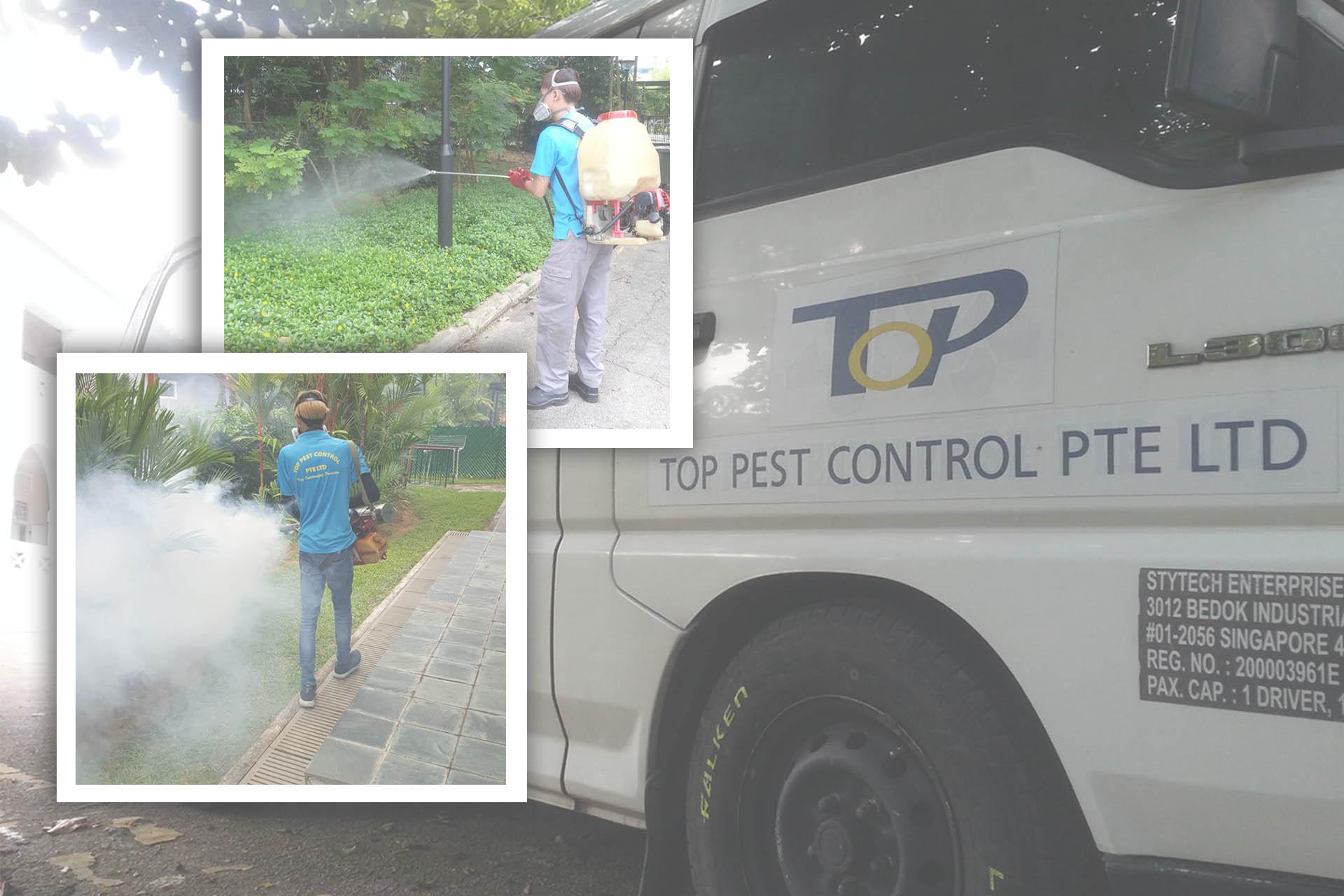
If you are searching for pest control Singapore, trusted pest control services Singapore, or a professional pest control company in Singapore, you’ve come to the right place. At Top Pest Control Singapore, we specialize in delivering safe, effective, and affordable solutions to keep your home and business pest-free. Professional Pest Control Services in Singapore From ants, cockroaches,...