


The Most Reliable Source for High-Quality Refurbished Tech: A Complete Buyer’s Guide
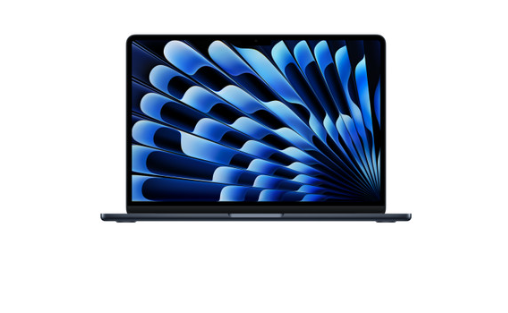
Let’s be honest—buying brand-new gadgets every year is a habit that can leave your bank account feeling pretty light. We’ve all been there, staring at the latest flagship phone or a sleek laptop, wondering if we really need to drop a month's rent on a piece of silicon. This is where the world of "refurbished" comes in to save the day. But I get it; there’s always that little voice in the back of your head asking, "Is this actually going to work, or am I buying someone else's headache?"
Finding a trusted seller of refurbished tech doesn't have to be a gamble. In fact, if you know what to look for, you can snag premium devices that look and perform exactly like they just came off the factory line, but for a fraction of the cost. In this guide, I’m going to walk you through how to navigate the market like a pro, ensuring you get the best value without the risk.
Understanding What "Refurbished" Really Means
The word "refurbished" often gets a bad rap, mostly because people confuse it with "used." There is a massive difference. While a used device is sold "as-is" by some guy on a local marketplace, a refurbished device has been returned, inspected, cleaned, and repaired by professionals.
Think of it as a certified pre-owned car. It might have had a previous life, but it’s been through a rigorous "physical" to ensure it meets specific standards. Often, these gadgets were simply "open-box" returns where the original buyer changed their mind after two days.
Why You Should Consider Refurbished Over Brand New
The most obvious perk is the price tag. You can often find refurbished apple macbooks or high-end smartphones at 30% to 50% off the retail price. But it’s not just about the money.
By choosing refurbished, you’re also doing the planet a massive favor. Electronic waste is a growing crisis, and extending the life of a perfectly good computer or phone keeps it out of a landfill. It’s a win-win: you get a powerhouse machine, and the Earth gets one less piece of plastic to deal with.
Where to Find a Trusted Seller of Professional Electronics
Not all sellers are created equal. If you’re looking for refurbished computers, you want to stick to vendors that offer transparency. A trusted seller will always provide a detailed grading system (like Grade A, B, or C) so you know exactly what the cosmetic condition of the device is before you click "buy."
Check for reviews—not just the ones on their website, but third-party sites too. Look for mentions of customer service and how they handle returns. If a seller is ducking questions about their testing process, run the other way.
The Checklist for Buying Refurbished Apple iPhones
Apple products hold their value incredibly well, which makes refurbished apple iphones a hot commodity. When shopping for an iPhone, pay close attention to the battery health. A reputable refurbisher will ensure the battery has at least 80% to 90% of its original capacity.
Also, make sure the device is "unlocked." There’s nothing worse than getting a beautiful phone only to find out it’s tied to a carrier you don’t use. Always verify that the iCloud lock has been removed; otherwise, you’ll be staring at a very expensive paperweight.
How to Spot Top-Rated Suppliers of Refurbished Laptops
When you're hunting for refurbished laptops, performance is king. You want a supplier that doesn't just wipe the screen but actually checks the internals. This includes testing the RAM, the SSD speed, and ensuring the cooling fans aren't clogged with three years of dust.
Reliable suppliers often provide "stress test" results if asked. They should be proud of the work they’ve put into the machine. If you’re buying for work or school, reliability is non-negotiable, so stick to names that have a proven track record in the industry.
The Importance of a Solid Warranty
If a seller doesn't offer a warranty, they don't trust their own product. Period. A standard for the industry is at least a 6-month warranty, though many top-tier sellers offer a full year. This covers you against any internal hardware failures that might pop up after a few weeks of use. It gives you that peace of mind that usually only comes with a brand-new purchase.
Decoding the Grading System
الأقسام
إقرأ المزيد
The United States holds a prominent position in the infusion devices market due to the high prevalence of chronic diseases, strong healthcare spending, and widespread adoption of advanced medical technologies. Growing demand for accurate drug delivery systems, increasing use of home healthcare services, and ongoing technological innovations in infusion pumps continue to support market growth...

Alexistogel dikenal sebagai salah satu platform togel online yang menyediakan berbagai layanan lengkap untuk para pemain, termasuk live draw cambodia, Paito Cambodia, dan Result Cambodia. Layanan ini dirancang agar pengguna dapat mengakses informasi dengan cepat dan akurat, sehingga pengalaman bermain menjadi lebih nyaman dan terorganisir. Dengan hadirnya data lengkap setiap hari, pemain dapat...
Modern power transmission systems demand products that combine strength, efficiency, and long-term reliability. An acsr conductor is one of the most trusted solutions for overhead power lines, delivering excellent mechanical performance while maintaining high electrical conductivity. HBNfpower is committed to providing premium-quality conductor solutions that meet the evolving needs of utility...

A Salesforce Dashboard is a visual display of key performance indicators (KPIs) and data from multiple Salesforce reports on a single screen, using charts, graphs, and tables. Admins often need to clone Salesforce dashboards to create customized views and ensure consistent reporting across orgs. However, manually recreating Salesforce dashboards often leads to a high probability of errors...

On line games are grouped based on classifications centered on their software, manager, day, figure of business, function, place, category, engineering, license, party and so on. The most popular kinds of online games come underneath the classification predicated on genre.Everyone likes to enjoy activities and specially when it is maybe not bound by time, money or space. These activities are in...
