How to Choose the Right Potting Bench for Your Space and Gardening Style
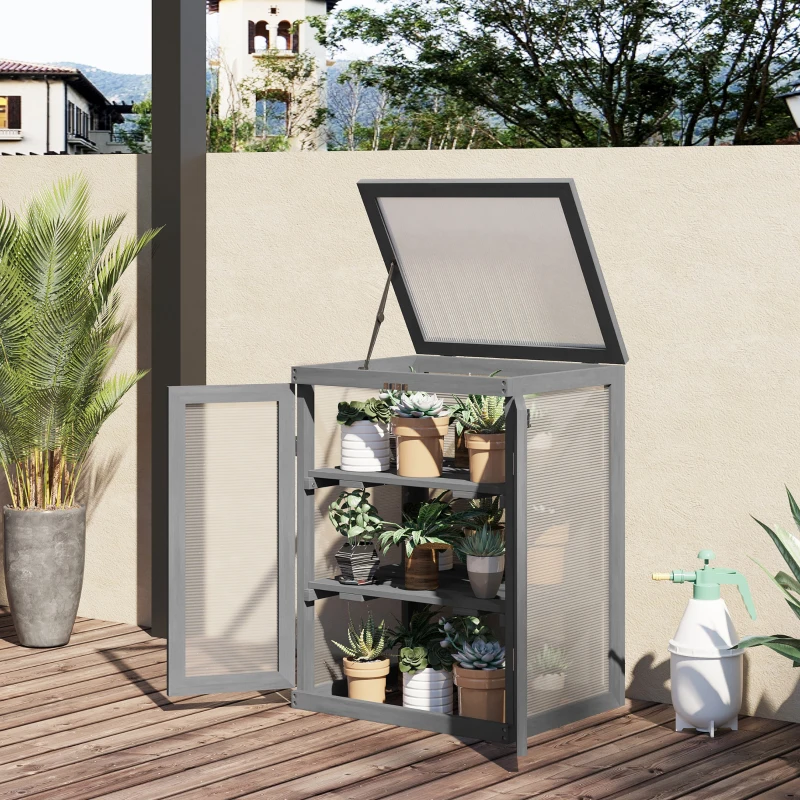
A potting bench is one of those bits of kit that sounds like a luxury until you've got one, and then you wonder how you ever managed without. It saves your back, keeps your patio from looking like a compost explosion, and gives all your bits and bobs a proper home.
Picking the right potting bench comes down to being honest about your space, your gardening habits, and what you'll actually use it for.
Start with Your Space
Before you get swept up by a potting bench that looks the part, get the tape measure out. A potting bench needs room around it, not just for itself. You want space to stand comfortably, swing a bag of compost about, and leave a barrow or bucket nearby.
Match the potting bench to your patch:
-
Large garden or allotment: A freestanding potting bench with lower shelves and overhead storage will earn its keep
-
Small patio or courtyard: Go for slimline potting benches that don't dominate the space
-
Balcony or tight spot: Wall-mounted or fold-down potting benches tuck away when not in use
-
Greenhouse: Look for narrower depths so you've still got room to move
And mind the height. Most decent potting benches sit around 85-90cm at the work surface, but if you're tall, hunt out something higher or you'll be hunched over and grumbling within ten minutes.
Match It to Your Gardening Style
Your gardening habits matter more than people let on. A casual pot-planter needs a very different potting bench from someone running seed trays and cuttings on the go.
For casual potting and bedding plants
A simple potting bench with a galvanised top and one shelf does the job nicely. Nothing fancy needed.
For seed sowing and propagation
Look for a potting bench with:
-
A slatted lower shelf for drainage and air flow
-
Plenty of surface area to spread trays
-
Hooks or rails for hanging tools
-
A back board to stop seeds and labels going walkabout
For veg growers and serious gardeners
You'll be shifting heavier trays and bags of compost, so prioritise sturdiness. A potting bench with a reinforced frame and a thick work surface is worth holding out for.
Material Matters
Potting benches come in three main materials: Wood, metal, and a mix of both. Each has its quirks.
Wood
Timber potting benches, usually fir or pine, look the part and feel warm to work on. They need treating with a wood preserver every year or two, especially in our damp climate. Cedar and oak potting benches are pricier but hold up better without much fuss.
Galvanised steel or zinc-topped
Practically bomb-proof. Compost wipes off, they don't rot, and these potting benches take a battering from the weather. The look's a bit utilitarian, though plenty of folk like the rustic-industrial vibe.
Plastic and resin
The cheapest type of potting bench and fine for light use, but they can go brittle in the cold and wobble under heavier loads. Don't expect heirloom quality.
Features Worth Having
A few extras genuinely make a difference to how often you'll actually use your potting bench:
-
Removable galvanised tray: Catches compost and saves endless sweeping
-
Lower shelf: Non-negotiable, in my book, for compost bags, pots, and watering cans
-
Drawers: Brilliant for seed packets, labels, and string
-
Hooks along the back rail: Keeps secateurs, dibbers, and trowels within easy reach
-
Built-in sink or basin: A proper game-changer for washing pots and rinsing roots if your potting bench has the space
A Few Practical Tips
Pop your potting bench somewhere sheltered if you can. Under a pergola, against a sunny wall, or in a greenhouse all work nicely. It'll last longer and you'll actually use it when the weather's iffy.
Check the ground is level too. A wobbly potting bench is a daily annoyance you can do without.
And don't overbuy. A modest potting bench you use every week beats a magnificent one that's too big for your garden and ends up as glorified shelving.
Your Garden's New Best Mate
Get the right potting bench and it becomes the heart of your gardening, the spot where the proper graft happens. Be honest about your space, your style, and how much you'll really use it. Do that, and you'll end up with a potting bench that earns its keep season after season.
Категории
Больше
Guniting services are becoming essential in modern construction and repair projects where concrete needs restoration, strengthening, or protective layering. The method involves applying concrete or mortar under high pressure through a nozzle to create a dense, strong, and durable surface. Whether it is repairing structural cracks, waterproofing old surfaces, or strengthening bridges and...

"Executive Summary Spain Pro AV (Audio-Visual) Market Market Size and Share Analysis Report CAGR Value The demand for the Pro AV (Audio-Visual) has been growing and will also grow in the future. Data Bridge Market Research analyses that the Spain Pro AV (Audio-Visual) market will grow at a CAGR of 6.5% from 2022 to 2029. Spain Pro AV (Audio-Visual) Market Market report objective...

Laser cleaning technology has revolutionized surface treatment, and the backpack laser cleaning machine from LaserStripper takes this innovation to the next level. Compact, mobile, and highly effective, it combines industrial-grade performance with the convenience of portability, making it ideal for professionals who need flexibility without sacrificing power or precision. Compact Power in a...

Introduction Corporate Tax Filing in Dubai has become one of the most important financial responsibilities for businesses across the UAE. With the introduction of Corporate Tax regulations, companies must now ensure accurate reporting, proper documentation, and timely tax submissions. Managing tax obligations without professional support can increase the risk of errors, penalties, and...

Cloud computing has become one of the most important technologies in modern IT infrastructure. Businesses around the world are moving their applications, data, and services to the cloud to improve scalability, security, and performance. Among the leading cloud platforms, Google Cloud Platform (GCP) is widely used by companies for building and managing cloud-based applications. Because of this...