The Gatekeepers of the Modern World: The Access Control Software Industry

In an era of escalating physical and digital threats, the ability to control who can go where and when is a cornerstone of modern security. This is the fundamental purpose of the access control software market, a critical and rapidly evolving sector of the global security industry. This market is focused on providing the intelligent "brain" behind the physical security infrastructure, managing and enforcing the rules that govern entry to buildings, restricted areas, and sensitive assets. The Access Control Software Market industry provides the centralized command-and-control platform that links user identities with physical credentials (like key cards or mobile phones) and electronic door hardware (like card readers and electric locks). This software is responsible for maintaining a database of users, assigning specific access privileges, and recording a detailed audit trail of every access event. It is the invisible yet essential technology that secures everything from corporate offices and data centers to hospitals, airports, and university campuses, ensuring the safety of people, the protection of assets, and the integrity of operations.
The core function of access control software is to answer the fundamental security question: "Are you who you say you are, and are you allowed to be here?" It accomplishes this by managing a sophisticated set of rules and permissions. The process begins with enrolling a user into the system and issuing them a credential. This could be a traditional plastic card with an embedded RFID chip or proximity coil, or, increasingly, a digital credential stored securely on a smartphone. The software then allows an administrator to assign specific access levels to that user. For example, a regular employee might be granted 24/7 access to the main entrance and their specific office floor but be denied access to the data center or the executive suite. A contractor might be granted access only to a specific project area and only during business hours on weekdays. When the user presents their credential to a reader at a door, the reader sends the credential information to a control panel, which communicates with the central software to verify the user's permissions in real-time. If the credentials and permissions are valid, the software sends a signal to unlock the door.
The industry ecosystem is a multi-layered value chain involving hardware manufacturers, software developers, and system integrators. At the hardware level are the companies that produce the physical components of the system: the card readers, electronic locks, biometric scanners (for fingerprint or facial recognition), and the intelligent control panels that are typically installed near the doors. Major players in this space include giants like HID Global, Allegion, and Assa Abloy. The software developers create the management platforms that orchestrate the entire system. This includes both the hardware manufacturers, who often develop software specifically designed to work with their own hardware, and independent software companies who create open-platform solutions designed to integrate with hardware from a variety of manufacturers. The final and crucial layer is the network of security system integrators. These are the local and regional companies that design, install, and service the complete access control system for the end customer, selecting the appropriate hardware and software to meet the specific security needs and budget of the facility.
The evolution of the access control software industry has been marked by a significant shift from closed, proprietary systems to open, integrated platforms. In the past, an organization was often locked into a single vendor for all their hardware and software components. This created a lack of flexibility and made it difficult to integrate the access control system with other building management and security systems. Today, the industry is moving rapidly towards open standards and IP-based architecture. Modern access control software is designed to communicate over standard TCP/IP networks and often uses open protocols to integrate with hardware from different manufacturers. This allows for much greater flexibility and enables deep integration with other systems, such as video surveillance (so that a camera can automatically record video when a door is forced open), intruder alarms, and even HR systems (to automatically provision or de-provision access when an employee is hired or terminated). This trend towards open, connected platforms is transforming access control from a standalone security silo into a key component of a holistic, intelligent building strategy.
Top Trending Reports:
Catégories
Lire la suite
Stay safe online with these essential strategies and free tools. Modern browsers like Chrome and Firefox come with built-in security features, but adding an extension like Web of Trust (WOT) provides crowd-sourced safety ratings for any website you visit. For an extra layer of defense, consider a sandboxing tool. This creates a secure, isolated environment to run untrusted programs, preventing...

Polaris Market Research recently introduced the latest update on According to the research report, the global animal feed phytase market was valued at USD 517.36 million in 2022 and is expected to reach USD 962.07 million by 2032, to grow at a CAGR of 6.4% during the forecast period. that provides an extensive outlook of the market, analyzing key growth opportunities, challenges, risk...

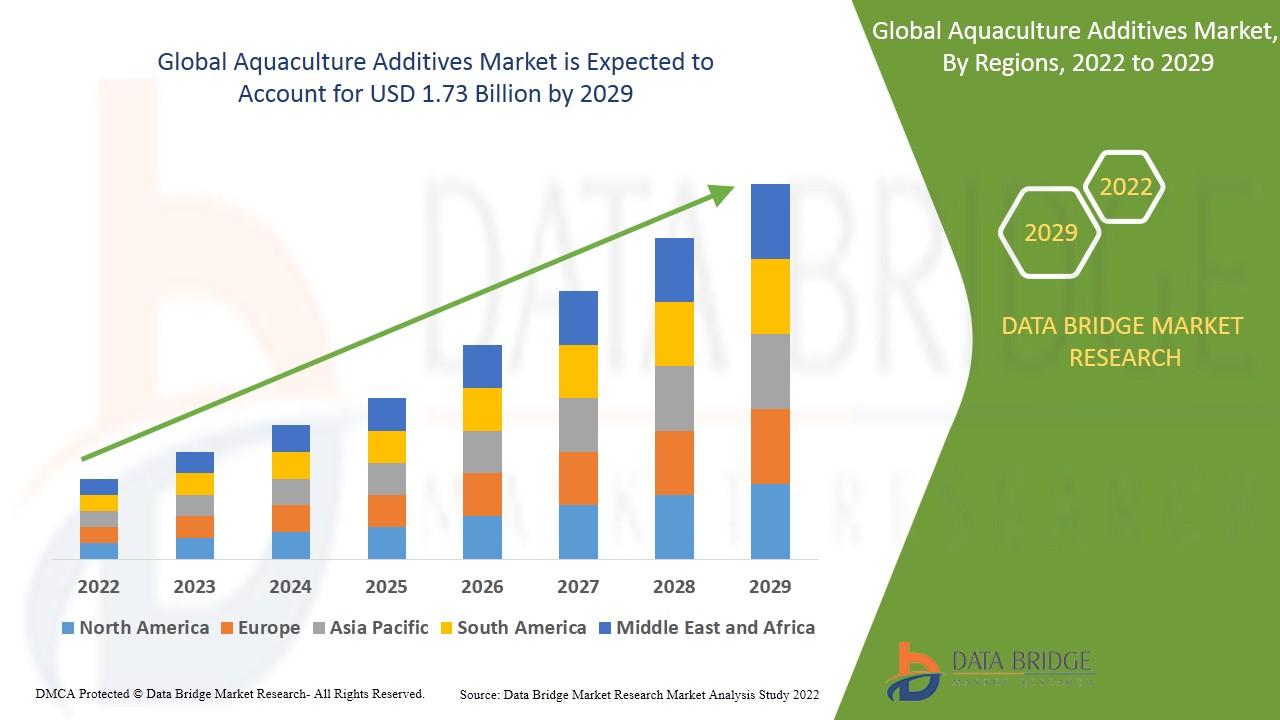
"Detailed Analysis of Executive Summary Aquaculture Additives Market Size and Share CAGR Value Global aquaculture additives market size was valued at USD 1.40 billion in 2024 and is projected to reach USD 1.97 billion by 2032, with a CAGR of 1.23% during the forecast period of 2025 to 2032. With this Aquaculture Additives Market report, businesses can get details about market drivers...
Expert System Overview In Whiteout Survival, experts introduce an essential dimension of long-term advancement. They provide significant advantages that enhance combat effectiveness, city development, event outcomes, and alliance participation. Upon unlocking experts, players will find this system crucial for maximizing event rewards and improving overall account performance as the game...

In a digital age where personal websites often feel cold and transactional, shanilevni.com offers something genuinely refreshing a window into the soul of an artist who believes that creativity is not just a career, but a calling. The website dedicated to Shani Levni, an Israeli multidisciplinary artist born in Tel Aviv in 1990, paints a vivid portrait of a woman whose life's work sits at...