


Demand Gen vs Lead Gen: Understanding the Key Differences for Business Growth

Businesses looking to accelerate growth often focus on two important marketing strategies: demand generation and lead generation. While these terms are frequently used together, they serve different purposes within the customer journey. Understanding the difference between demand gen vs lead gen helps companies build stronger marketing campaigns, improve customer engagement, and increase conversions.
An effective marketing strategy begins with creating awareness and building trust among potential buyers. Companies that invest in a strong demand generation solution can educate audiences, increase brand visibility, and create interest before prospects are ready to purchase. This approach helps businesses establish long term relationships while supporting sustainable growth.
Understanding Demand Gen vs Lead Gen
When discussing demand gen vs lead gen, it is important to understand that demand generation focuses on attracting and educating potential customers at the top of the funnel. Lead generation, on the other hand, is designed to capture contact information from interested prospects and move them further into the sales pipeline.
Demand generation is a broader strategy that aims to build awareness and generate interest in a company’s products or services. It includes content marketing, webinars, social media campaigns, email marketing, podcasts, and educational resources that help audiences understand industry challenges and solutions. The main goal is to position the business as a trusted authority while nurturing potential customers over time.
Lead generation is more focused on converting interested visitors into qualified leads. This process often includes landing pages, gated content, contact forms, free trials, and downloadable resources. Once prospects share their information, businesses can follow up through personalized campaigns and sales outreach.
One major difference between demand generation and lead generation lies in their objectives. Demand generation creates awareness and interest, while lead generation captures prospects who are already showing buying intent. Without demand generation, companies may struggle to attract the right audience. Without lead generation, businesses may fail to convert interested prospects into sales opportunities.
Another key distinction is how success is measured. Demand generation campaigns are commonly evaluated using metrics such as website traffic, audience engagement, content reach, and brand awareness. Lead generation campaigns are typically measured through conversion rates, form submissions, qualified leads, and revenue opportunities.
For modern B2B marketing, both strategies are essential. Demand generation helps businesses build credibility and attract high quality audiences, while lead generation turns that interest into measurable business outcomes. Companies that combine both approaches often experience stronger pipeline growth and better customer retention.
A successful strategy should align with the buyer journey. During the awareness stage, businesses should focus on educational content and audience engagement. As prospects move closer to making a purchase decision, lead generation tactics can guide them toward taking action.
Businesses should also ensure close collaboration between marketing and sales teams. Shared goals, consistent messaging, and data driven insights help improve lead quality and support better conversion rates. Using customer data and behavioral insights can further improve campaign targeting and personalization.
In today’s competitive digital landscape, understanding demand gen vs lead gen is critical for achieving long term growth. Both strategies play valuable roles in attracting, nurturing, and converting potential customers. By balancing awareness building efforts with targeted lead capture tactics, businesses can strengthen their sales pipeline, improve customer relationships, and drive sustainable success.
Categorias
Leia Mais
Executive Summary Kosher Food Market : The global kosher food market size was valued at USD 21.29 billion in 2023, is projected to reach USD 28.47 billion by 2031, with a CAGR of 3.7% during the forecast period 2024 to 2031. A credible Kosher Food Market report provides with the relevant information about the niche and saves lot of time that may otherwise get wasted for decision...

The Smart Vehicle Market is experiencing substantial growth, fueled by rapid advancements in connected vehicle technologies, increasing adoption of autonomous driving systems, and growing consumer demand for safer, more efficient transportation solutions. According to market estimates, the Global Smart Vehicle Market is projected to witness strong expansion between 2025 and 2035,...

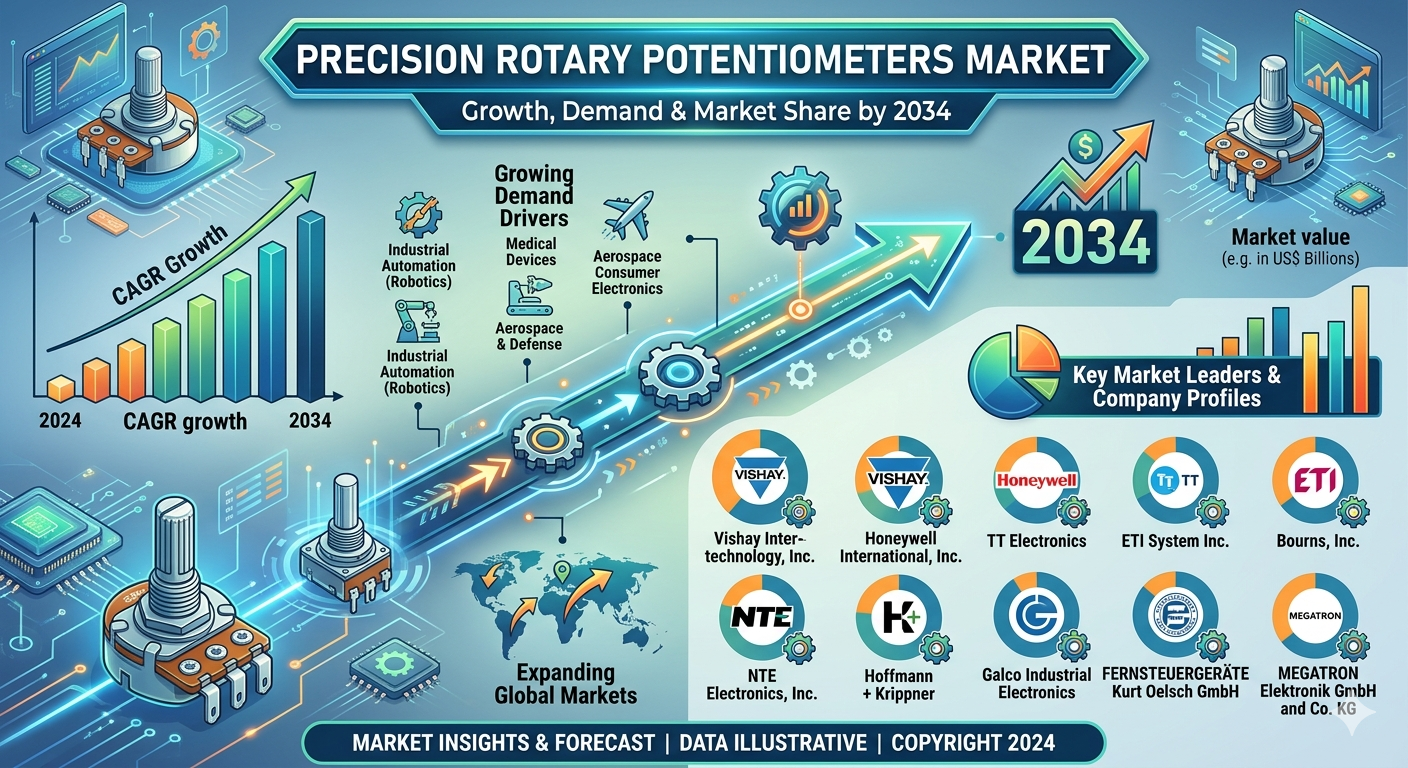
The increasing demand for high-accuracy electronic control systems across industrial automation, aerospace, automotive, and medical applications is accelerating the adoption of precision rotary potentiometers worldwide. These components play a critical role in measuring angular displacement and delivering precise control in advanced electronic systems. Industries are increasingly focusing on...
SBOBET: A Trusted Name in Asian Handicap Sports, Casino, and Games Introduction to a Global Sports and Gaming Platform sbobet is widely known as a reliable and well-established online platform for sports betting, casino entertainment, and digital games. With a strong focus on Asian Handicap markets, it has earned respect from sports fans around the world. The platform is designed to...
The United States Metal Casting accounts for a significant share of the North American market, supported by a well-established manufacturing base and strong demand from automotive, aerospace, defense, heavy equipment, and industrial machinery applications. Increasing adoption of precision casting technologies, growing investments in smart manufacturing, and rising demand for lightweight,...