Deconstructing the Anatomy of a Comprehensive and Modern Dark Fiber Solution

A modern Dark Fiber Market Solution is a unique offering in the telecommunications world because it is fundamentally a transaction for a physical asset, not a managed service. The core of the solution is the provision of one or more dedicated, unused strands of single-mode optical fiber that run between two or more specific locations defined by the customer. These locations are typically data centers, corporate headquarters, or cell towers. The provider's primary responsibility is to deliver and maintain the physical integrity of this fiber path. This includes ensuring the fiber cable is physically intact, performing any necessary repairs in the event of a fiber cut (often backed by a strict Service Level Agreement or SLA for repair times), and providing secure access for the customer at designated termination points, usually within a data center's "meet-me room" or a demarcation point at an enterprise building. The solution is, in essence, a real estate deal for a private, physical right-of-way for light to travel between two points.
Upon leasing the dark fiber, the responsibility for making it operational shifts entirely to the customer. This is the key difference between a dark fiber solution and a lit service. The customer must provide their own optical equipment to "light up" the fiber. This equipment is the "active" part of the solution. At a minimum, this involves placing a "transponder" or an optical transceiver at each end of the fiber link. This device takes the electrical data signal from a router or a switch and converts it into a specific wavelength of light to be sent down the fiber, and vice-versa at the other end. For customers with more significant bandwidth needs, the solution involves deploying a Dense Wavelength Division Multiplexing (DWDM) system. A DWDM system is a sophisticated piece of equipment that acts as a prism for light, allowing multiple, different colored wavelengths of light, each carrying a separate data stream, to be transmitted simultaneously over the single dark fiber strand, dramatically multiplying its capacity.
The contractual agreement is a critical component of the dark fiber solution. These are not simple monthly service agreements; they are complex, long-term contracts. The two primary forms are a long-term lease and an Indefeasible Right of Use (IRU). An IRU is the most common model for large-scale users. It is typically a 15 to 25-year contract that grants the customer exclusive, unrestricted use of the fiber strands for the duration of the term. It usually involves a large, one-time upfront payment (a capital expenditure), followed by a small, recurring annual fee to cover the ongoing operational and maintenance costs (O&M) of the physical cable route, which is handled by the fiber provider. A lease is a more traditional operational expenditure model, with recurring monthly or annual payments for a shorter term, typically ranging from 3 to 10 years. The choice of contract defines the financial structure and the long-term nature of the solution.
Finally, a complete dark fiber solution requires an ongoing network management and monitoring component, which is also the responsibility of the customer. Once the fiber is lit, the customer must manage their own optical network. This involves monitoring the performance of their optical equipment, managing the different wavelengths on their DWDM system, and planning for future capacity upgrades. While the dark fiber provider is responsible for fixing a physical break in the cable, the customer is responsible for diagnosing and resolving any issues with their own equipment. This is why the typical customer for a dark fiber solution is a sophisticated organization, such as a cloud provider or a large enterprise, that has its own skilled team of network engineers and optical experts who are capable of designing, deploying, and managing their own private optical network. The solution provides the ultimate freedom and control, but it also comes with the ultimate responsibility.
Explore More Like This in Our Regional Reports:
Canada 5G Mm Wave Technology Market
Categorii
Citeste mai mult
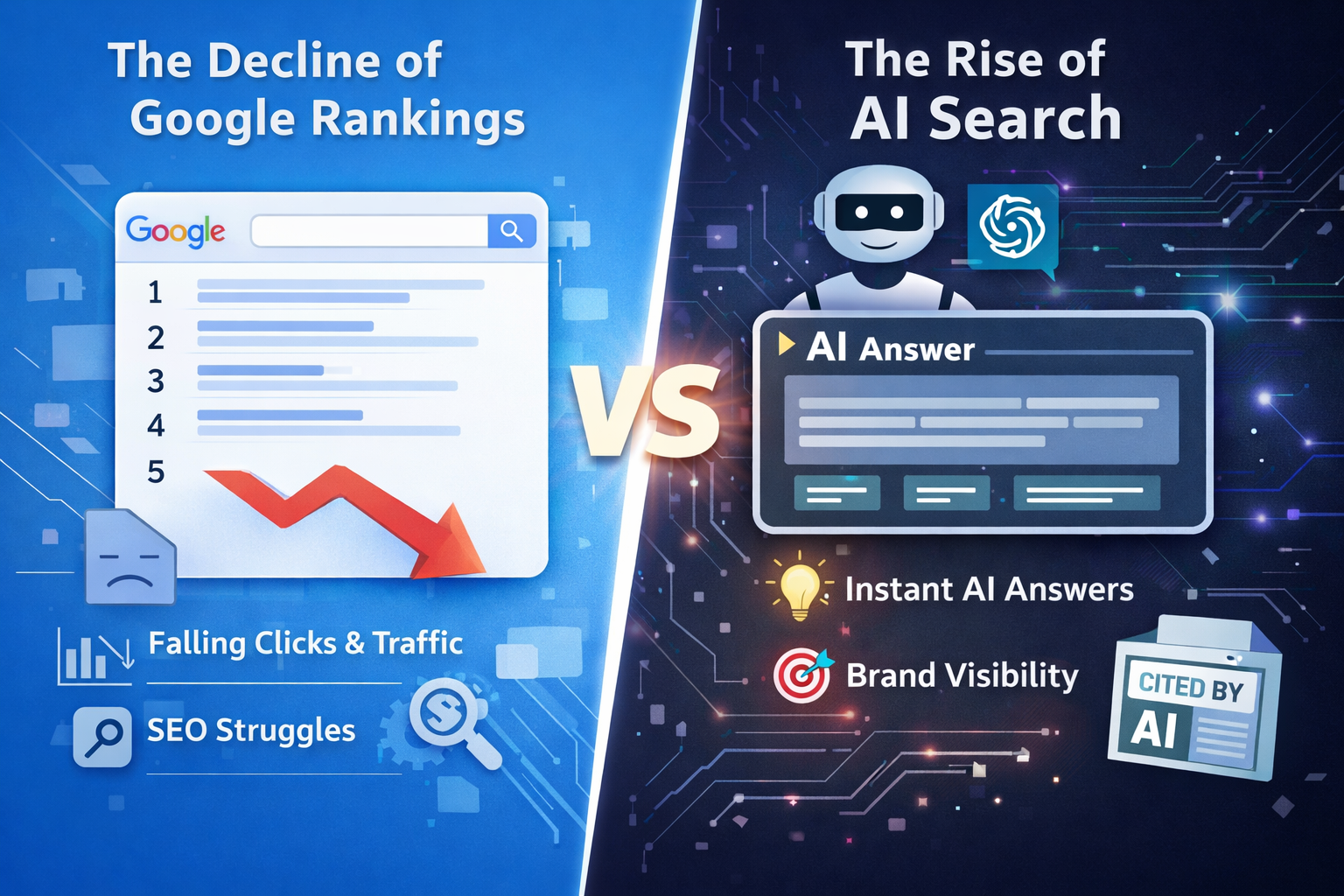
Why Google Rankings Are Becoming Obsolete in the Age of ChatGPT For over two decades, digital marketing revolved around one central goal: ranking on Google. Businesses invested heavily in SEO strategies, backlinks, and keyword optimization to secure top positions on search engine results pages. But that era is rapidly changing. Today, a new paradigm is emerging—one where Google rankings...
Shopping carts play a vital role in retail environments, directly influencing customer convenience and store efficiency. A well-designed cart ensures smooth mobility, durability, and ease of use, which enhances the overall shopping experience. Retailers often overlook the importance of investing in high-quality carts, but poor-quality options can lead to frequent repairs and customer...

Easy and Trusted WGU Introduction-to-IT Exam Prep for Fast Results Many students feel confused before WGU Introduction-to-IT exams. They study many books but still feel unsure. This wastes time and energy. Good WGU Introduction to IT certification exam preparation material helps fix this problem in a simple way. It keeps your study clear and focused from day one. You...

Maintaining balanced blood sugar is essential for energy, focus, and overall wellness. Daily glucose fluctuations can lead to fatigue, cravings, and discomfort. GlycoFree™ is a natural dietary supplement designed for adults in the UK to support steady blood sugar, energy, and metabolism, helping users feel stable and active throughout the day. With its gentle yet effective...

Benefits of Using Certification Exam Preparation Material Certification exams help people grow in their careers. They help you get better jobs. They also help you earn more money. Many students want to pass the CSA exam on the first attempt. This exam is offered by ServiceNow. However, exam preparation can feel difficult. There are many books to read and many topics to cover. This is why using...