


How High Traffic Flooring Industrial Systems Prevent Expensive Concrete Repairs

Every time a forklift rolls across an unprotected concrete floor, it deposits a small amount of stress into the slab. Over hundreds of thousands of cycles, that stress accumulates into cracks, surface failures, and eventually the kind of structural damage that requires costly emergency repairs or full slab replacement. The mathematics are straightforward: prevent the damage early, and you avoid the much larger expense later.
This is the core value proposition of engineered resinous flooring systems. They are not just coatings. They are protective systems that extend the useful life of your concrete substrate by shielding it from the physical and chemical forces that cause premature failure in high-traffic industrial environments.
The Hidden Cost of Deferred Maintenance
Deferred floor maintenance is one of the most expensive habits a facility can develop. What starts as minor surface dusting or hairline cracking is easy to ignore when operations are busy. But each passing week of unprotected use deepens the damage, increases repair costs, and eventually creates safety hazards that trigger regulatory scrutiny.
Concrete repair in an active industrial facility is disruptive and expensive. Sections of the floor must be taken out of service, existing damage must be removed, and repair materials must be applied and cured before traffic can resume. All of this happens while your operation is trying to maintain throughput. Investing in high traffic flooring industrial systems before damage occurs eliminates all of this disruption.
Epoxy: Strength That Prevents Surface Failure
Industrial epoxy systems create a high-density surface layer that distributes point loads across a wider area of the concrete substrate. This load distribution significantly reduces the concentrated stress that causes surface cracking under forklift and pallet traffic. The result is a slab that experiences dramatically less micro-cracking over time, even under continuous heavy use.
Epoxy also seals the concrete against chemical penetration, preventing the internal chemical attack that weakens the calcium silicate matrix and reduces long-term compressive strength. Sealed concrete retains its structural integrity far longer than unprotected concrete exposed to the same chemical environment.
How Urethane Cement Addresses Thermal Cracking
Thermal cracking is a specific and common failure mode in facilities with significant temperature variation. When concrete expands and contracts with temperature changes, a rigid surface system that cannot accommodate this movement will crack at stress points. These cracks allow moisture and chemicals to penetrate, and the cycle of damage accelerates.
Urethane cement prevents thermal cracking by maintaining slight flexibility within the cured system. This flexibility allows the surface to move with the concrete substrate rather than resisting the movement and fracturing. For cold storage facilities, food processing plants, and outdoor-influenced warehouse environments, urethane cement extends floor life dramatically compared to rigid alternatives.
The Rapid-Cure Advantage for Active Facilities
For facilities where every hour of downtime has a measurable cost, advanced resin systems provide rapid-cure performance that minimizes the operational impact of flooring installation. These systems achieve traffic-bearing strength in a fraction of the time required by traditional epoxy, allowing sections of a warehouse to return to service the same day installation is completed.
High traffic warehouse floor systems using advanced resins are particularly valuable in phased renovation projects, where the goal is to replace the entire floor surface without ever shutting down warehouse operations completely. The material's fast cure time is the key enabler of this approach.
Surface Preparation: The Repair Prevention Investment
Proper substrate preparation before any resinous system is applied is the most important factor in preventing premature failure. A resinous system that delaminations because of poor surface preparation requires immediate repair, turning a one-time installation cost into an ongoing maintenance expense.
Shot blasting creates the mechanical bond profile that allows resinous materials to adhere at a level that resists the shear forces generated by heavy forklift traffic. Without this profile, adhesion is superficial, and delamination under traffic is essentially inevitable within the first few years of service.
Common Warning Signs That Your Floor Needs Attention
Knowing when to act is as important as knowing what to do. Watch for these warning signs that your industrial floor is approaching a critical threshold:
-
Fine dust appearing on the floor surface under normal traffic
-
Hairline cracks developing along forklift pathways
-
Visible spalling or chipping near dock doors and high-impact areas
-
Chemical staining that penetrates the surface rather than wiping clean
-
Surface texture that has smoothed to a polished, slippery finish
Any of these signs indicates that unprotected concrete is degrading and that the window for cost-effective protective intervention is closing. Acting promptly at this stage avoids the far more costly repairs that follow complete surface failure.
Lifecycle Planning for Industrial Floors
Smart facility management treats floors as long-term assets that require lifecycle planning rather than reactive maintenance. A properly selected and installed resinous system can deliver fifteen to twenty years of high-performance service with minimal maintenance requirements in a typical industrial environment.
Planning for this lifecycle from the beginning involves selecting the right system for the specific demands of the facility, ensuring professional installation with proper substrate preparation, and conducting periodic inspections to identify any areas that may need minor maintenance before they develop into larger problems.
Conclusion
The most expensive industrial floor is the one that fails prematurely and requires emergency repair or replacement. Investing in the right high traffic flooring industrial system, installed over a properly prepared substrate, is the most effective way to prevent that outcome. The cost of protection is always a fraction of the cost of repair, and the operational disruption avoided is an additional return on investment that compounds over the life of the floor system.
Categorie
Leggi tutto
Aggarwal Nursing Home gynecologist is essential for women's health, not merely a choice. Aggarwal Nursing Home is a reputable name that stands out if you're looking for the top best gynecologist narela because of its skilled medical staff, cutting-edge facilities, and caring treatment. The clinic has grown to be a top choice for people looking for dependable and individualized care because of...

According to the latest report published by Data Bridge Market Research, the Substation Automation Market Data Bridge Market Research analyses that the substation automation market value, which was USD 41,666.72 million in 2021, is expected to reach the value of USD 67,419.49 million by 2029, at a CAGR of 6.20% during the forecast period 2022-2029. This Substation...
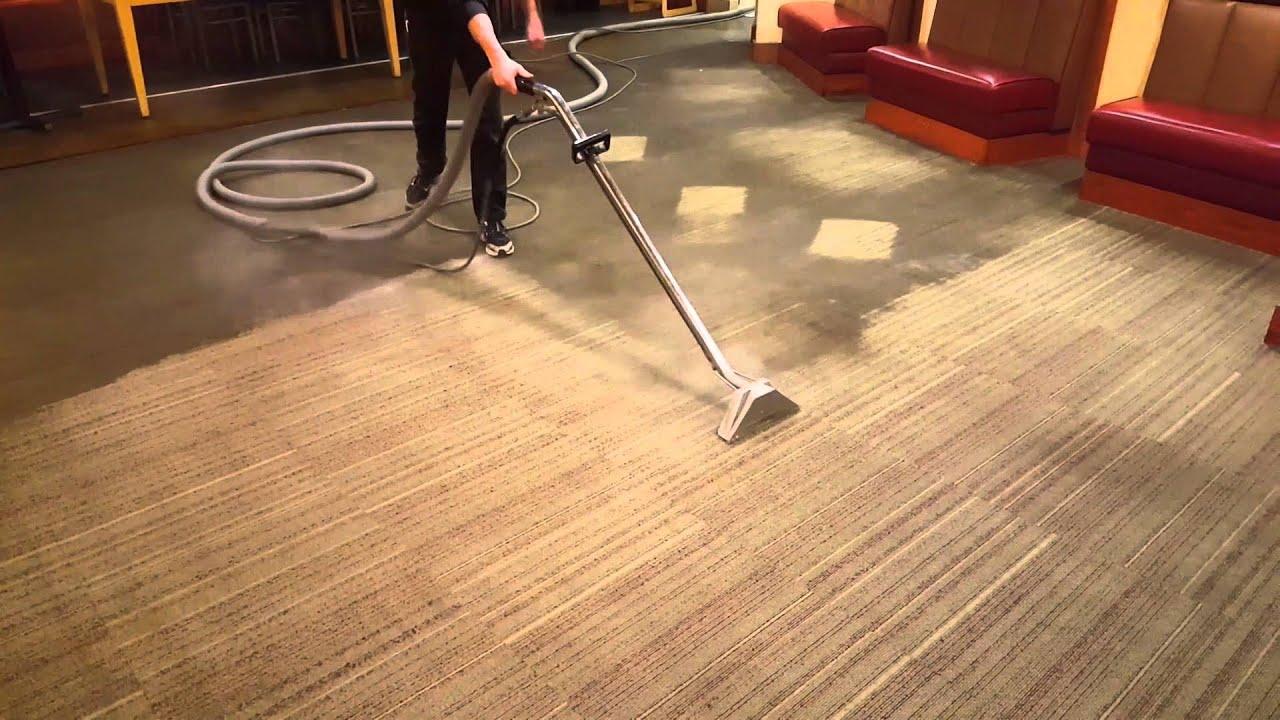
Let us be honest—everyone loves a good deal. There is a genuine satisfaction in finding quality service at a price that respects your budget. But when it comes to carpet cleaning, the pursuit of savings can sometimes lead homeowners down a risky path. Too often, the cheapest quote comes with hidden fees, rushed work, or disappointing results that leave carpets wet for days or stains...
Life sciences companies operate in one of the most heavily regulated, scientifically demanding markets in the world. A therapy that took a decade and billions of dollars to develop can still fail commercially if the launch plan misses how physicians actually prescribe, how payers actually reimburse, or how field teams actually sell. That gap between scientific merit and commercial execution is...

188v online casino is designed to provide a smooth and enjoyable experience for players of all levels. From the moment users enter the platform, they are welcomed by a clean and user-friendly interface that makes navigation simple and stress-free. Everything is clearly arranged, allowing players to find games, promotions, and account features quickly without confusion. The platform works...