Baking RPL Australia: Get Your Commercial Baking Skills Recognised

Many experienced bakers build their skills through years of practical work in bakeries, commercial kitchens, hotels, cafés, supermarkets, wholesale bakeries or overseas baking workplaces.
You may already know how to prepare doughs, manage proofing, use bakery equipment, bake bread, produce cakes, make pastries, follow formulas and work under commercial production pressure.
If you have this experience but do not hold a formal Australian baking qualification, Baking RPL may help you have your skills assessed.
Recognition of Prior Learning, known as RPL, allows experienced workers to have their existing skills compared with the requirements of an Australian baking qualification.
What Is Baking RPL?
Baking RPL is an assessment process for people who have gained baking skills through employment, self-employment, previous training or overseas experience.
Your skills are reviewed against a relevant Australian baking qualification. If your competency can already be demonstrated, you may not need to complete the full course from the beginning.
However, Baking RPL is not based only on your job title or years in a bakery. You must show that your skills are current, reliable and suitable for the qualification pathway.
Who May Be Suitable for Baking RPL?
Baking RPL may suit people who regularly prepare, bake and finish bakery products in commercial or business settings.
This may include:
-
Experienced bakers
-
Bread bakers
-
Bakery workers
-
Bakery production workers
-
Supermarket bakery workers
-
Cake and pastry production workers
-
Self-employed baking business owners
-
Overseas-experienced bakers
-
Workers with incomplete baking studies
Basic home baking or hobby baking is usually not enough unless it is linked to a real business, regular orders and verifiable production records.
Certificate III or Certificate IV in Baking RPL
The right pathway depends on your product range, responsibility level, recent experience and evidence.
Certificate III in Baking RPL
Certificate III in Baking RPL may suit experienced bakers who can demonstrate hands-on bakery production skills.
This may include:
-
Preparing ingredients
-
Following bakery formulas
-
Using bakery equipment
-
Producing bread products
-
Producing cakes, pastries and biscuits
-
Following workplace procedures
-
Maintaining food-safety standards
-
Working to commercial production expectations
Certificate IV in Baking RPL
Certificate IV in Baking RPL may suit experienced bakers with broader responsibility in production, quality control, timing or workplace processes.
This may include:
-
Advanced bakery production
-
Managing production timing
-
Checking product consistency
-
Handling product faults
-
Supporting junior staff
-
Working with limited supervision
-
Coordinating workplace procedures
Do not choose Certificate IV only because it sounds higher. The pathway should match your actual duties and evidence.
Baking Skills That May Be Assessed
A Baking RPL assessment may review how you work in a commercial baking environment.
Skills may include:
-
Scaling ingredients
-
Following bakery formulas
-
Mixing doughs and batters
-
Preparing bread products
-
Producing sweet yeast goods
-
Baking cakes and puddings
-
Producing biscuits and cookies
-
Preparing pastry products
-
Using mixers, proofers and ovens
-
Following food-safety procedures
-
Managing production timing
-
Checking quality and consistency
You do not need to specialise in every bakery product, but you must show the required competencies for your selected pathway.
Evidence Required for Baking RPL
Your evidence should show the baking work you personally completed in a commercial or business environment.
Useful evidence may include:
-
Employer references
-
Employment contracts
-
Payslips
-
Position descriptions
-
Bakery rosters
-
Production records
-
Recipe records
-
Bakery formulas
-
Product photos
-
Work videos
-
Food-safety records
-
Stock records
-
Order records
-
Training records
-
Supervisor references
-
Customer reviews
-
Equipment evidence
Strong evidence should show more than finished baked products. It should help confirm what you produced, how it was made, which equipment you used and how your work met commercial bakery standards.
Self-Employed Baker Evidence
Self-employed bakers and bakery business owners can apply for RPL, but business registration alone is not enough.
Useful evidence may include:
-
ABN records
-
Business registration
-
Product menus
-
Customer orders
-
Client invoices
-
Supplier accounts
-
Ingredient purchases
-
Food-safety documents
-
Production photos
-
Customer reviews
-
Business photos
-
Insurance records
Your business records should connect to the bakery products you personally made and the production responsibilities you handled.
Overseas Baking Experience
Overseas baking experience may be considered if it is relevant, recent and verifiable.
Useful evidence may include:
-
Employer references
-
Employment contracts
-
Salary or tax records
-
Bakery production records
-
Product photos and videos
-
Supervisor contacts
-
Previous training records
-
Business records
-
Certified translations, if required
Additional assessment may be required if equipment, food-safety systems or production methods differ from Australian commercial bakery standards.
Common Baking RPL Evidence Gaps
Some applicants have real baking experience but cannot yet demonstrate the full qualification requirements.
Common gaps include:
-
Home baking only
-
Bread production only
-
Cake decorating only
-
Finished photos only
-
No food-safety records
-
No equipment evidence
-
No production records
-
Limited product range
-
No supervisor or customer verification
-
Only one repeated bakery task
A gap does not automatically mean you are unsuitable. The assessor may request further evidence, technical questions, reference verification, practical assessment or gap training.
Baking RPL, Patisserie RPL and Cookery RPL
These pathways are not the same.
Baking RPL usually focuses on bakery production, bread, cakes, pastries, biscuits, dough handling, proofing, ovens and commercial baking processes.
Patisserie RPL may focus more on desserts, cakes, pastries, chocolate, sugar work and plated patisserie products.
Commercial Cookery RPL focuses on preparing and cooking meals in commercial kitchen environments.
The correct pathway depends on the work you actually perform, not only your workplace title.
How Does the Baking RPL Assessment Work?
Step 1: Experience Review
Your baking roles, product range, previous training and workplace responsibilities are reviewed.
Step 2: Qualification Mapping
Your experience is compared with the requirements of Certificate III or Certificate IV in Baking.
Step 3: Evidence Assessment
The assessor checks whether your evidence is current, relevant and sufficient. It must connect to work you personally performed.
Step 4: Skills Verification
Technical questions, referee checks, workplace observation or practical assessment may be used where documents cannot confirm competency.
Step 5: Assessment Outcome
The Registered Training Organisation makes the final decision. More evidence, assessment or gap training may be required where a requirement has not been demonstrated.
Why Choose Think RPL?
Think RPL helps experienced bakers understand the Baking RPL process before formal assessment begins.
Support may include:
-
Baking experience review
-
Certificate III or Certificate IV pathway guidance
-
Product-range review
-
Evidence checklist preparation
-
Self-employed evidence support
-
Overseas evidence guidance
-
Portfolio organisation
-
RTO coordination
-
Gap identification support
Think RPL does not issue qualifications. Formal assessment and qualification issuance are completed by the assessing Registered Training Organisation.
Final Thoughts
Baking RPL may be suitable for experienced bakers who have practical commercial baking skills but no formal Australian qualification.
However, it is not automatic.
You need relevant experience, strong evidence and a pathway that matches your actual product range, equipment use and production responsibilities.
If your baking experience is genuine and can be demonstrated properly, RPL may help you receive formal recognition for the skills you already have.
Start with a free Baking RPL skills assessment to find out whether your bakery experience may be suitable for formal recognition.
Think RPL provides RPL pathway guidance, evidence support and assessment coordination. Final competency decisions and qualification issuance are completed by the assessing Registered Training Organisation. RPL does not guarantee employment, migration outcomes or visa approval.
Kategoriler
Read More
According to the latest report published by Data Bridge Market Research, the Malocclusion Market CAGR Value The global malocclusion market size was valued at USD 30.52 billion in 2025 and is expected to reach USD 52.71 billion by 2033, at a CAGR of 7.07% during the forecast period The wide ranging Malocclusion Market report provides an...

The Smart Door Lock Market Size is witnessing rapid growth as consumers increasingly adopt smart home technologies to enhance security, convenience, and connectivity. The market was valued at USD 3.28 billion in 2025 and is projected to reach USD 21.85 billion by 2035, growing at a CAGR of 20.88% during the forecast period 2026–2035. Smart door locks are advanced security devices that...

Good skin care health is essential for maintaining not only your appearance but also your overall well-being. Your skin is the largest organ of your body, and it acts as a protective barrier against environmental damage, pollution, and harmful bacteria. When your skin is healthy, it looks glowing, smooth, and fresh. But when it is not cared for properly, it can become dry, dull, or irritated....

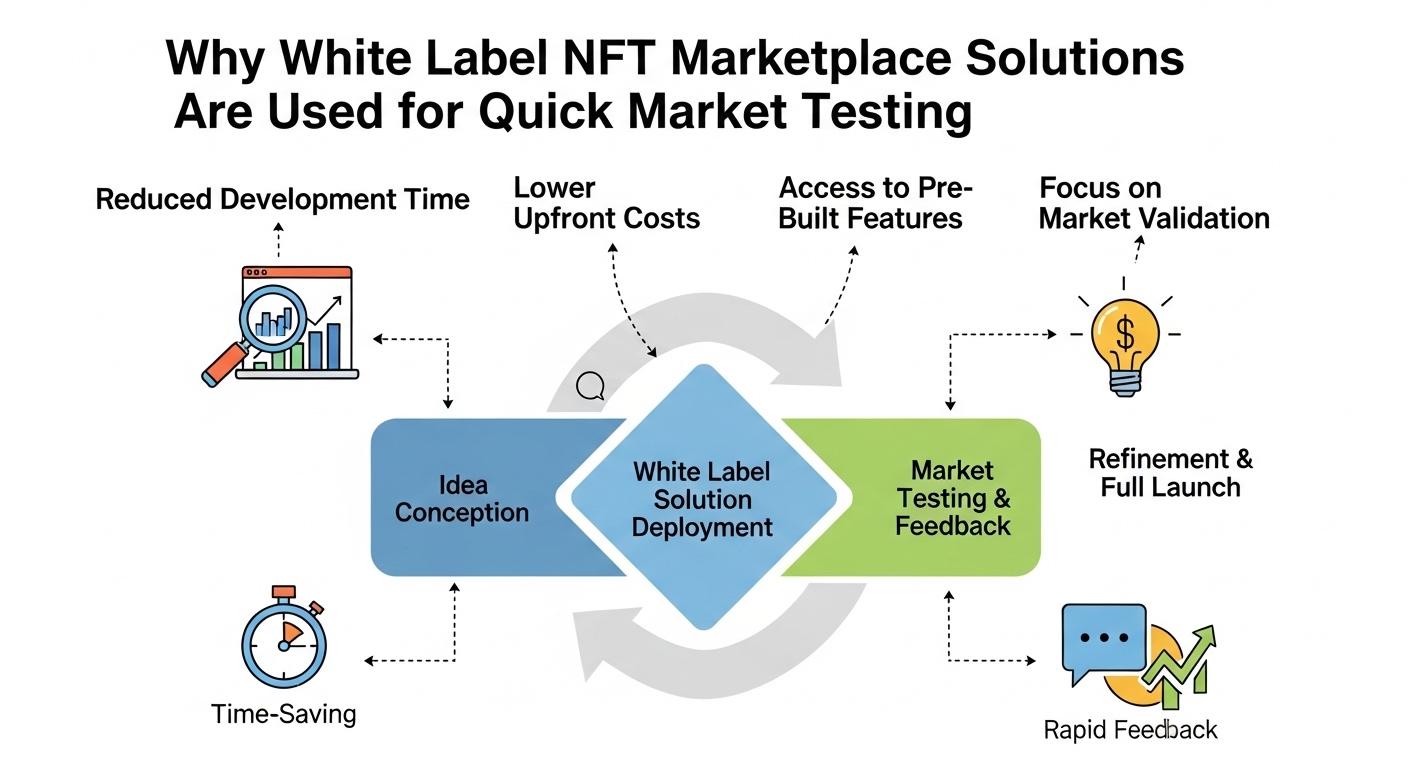
Testing a market idea in the NFT space is not just about launching a platform—it’s about validating assumptions quickly, gathering real user feedback, and adjusting direction before committing significant resources. Traditional development approaches often slow this process down because they require building full systems before any real-world validation can occur. White Label NFT...
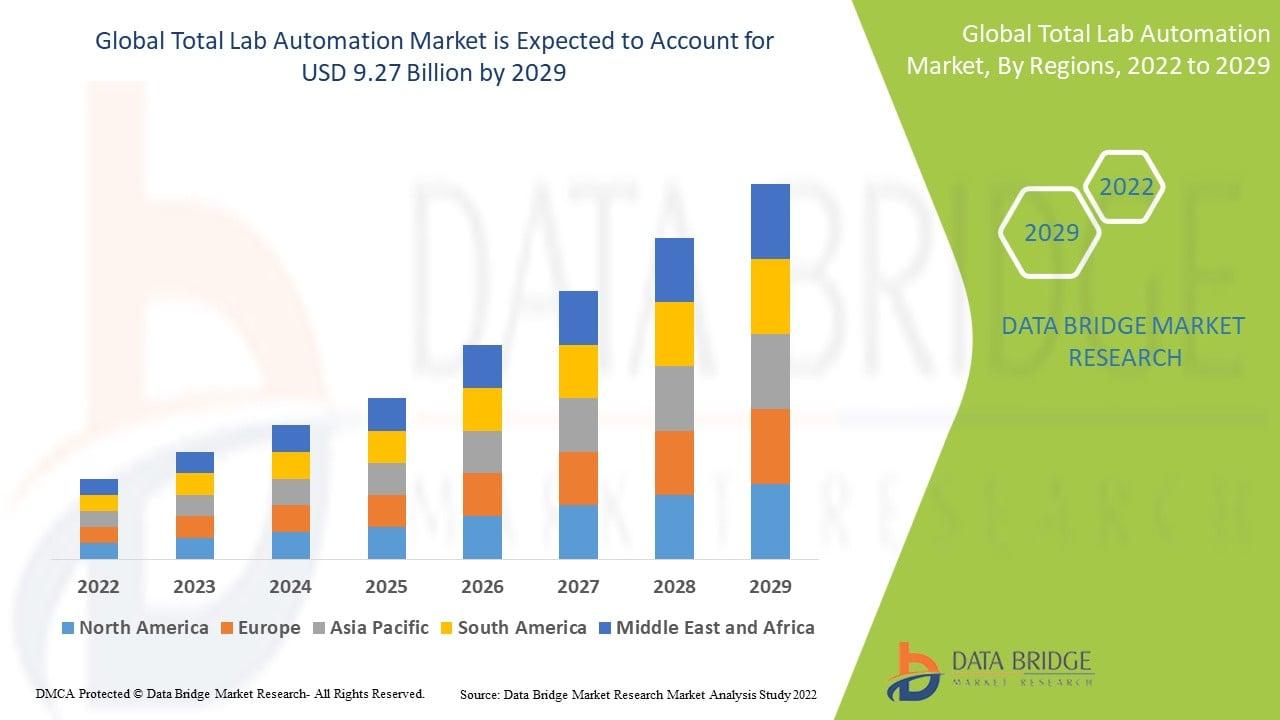
According to the latest report published by Data Bridge Market Research, the Total Lab Automation Market The global total lab automation market in the forecast period 2022-2029. The expected CAGR of global total lab automation market is tend to be around 7.60% in the mentioned forecast period. This Total Lab Automation Market research report also estimates potential market for new...