Clinical Labs Guide: How to Choose Reliable Testing Services, Fast Results & Advanced Laboratory Solutions

Clinical laboratories play a critical role in modern healthcare by providing accurate diagnostic testing, monitoring diseases, supporting preventive care, and helping physicians make informed treatment decisions. From routine blood work and at-home testing kits to advanced genetic analysis, clinical labs have become more accessible and technology-driven than ever.
Patients today want convenience, affordability, and fast turnaround times, while healthcare organizations and laboratories need reliable systems to manage growing testing volumes, compliance requirements, and reporting workflows.
Whether you are looking for the best clinical labs for home testing, comparing blood test pricing, searching for labs that accept insurance, or exploring laboratory information management systems (LIS), this guide explains everything you need to know.
For established laboratories, solutions like Aspyra CyberLAB® LIS help automate laboratory workflows, improve efficiency, connect with healthcare networks, and streamline everything from order capture to results reporting.
What Are Clinical Labs?
Clinical laboratories are healthcare facilities that analyze biological samples such as:
-
Blood
-
Urine
-
Saliva
-
Tissue samples
-
Genetic material
These laboratories perform diagnostic tests that help detect medical conditions, monitor treatments, and support preventive healthcare.
Common clinical laboratory services include:
| Laboratory Service | Purpose |
|---|---|
| Blood testing | Checks cholesterol, glucose, hormones, infections, and overall health |
| Molecular testing | Detects genetic markers and infectious diseases |
| Pathology testing | Examines tissues and cells |
| Genetic testing | Identifies inherited conditions and disease risks |
| Drug testing | Detects medication or substance presence |
| COVID-19 testing | Identifies active infection |
Modern clinical laboratories rely heavily on technology to maintain accuracy, manage workflows, and deliver results efficiently.
What Are the Top Clinical Labs Available for At-Home Testing?
At-home testing has grown significantly because patients prefer convenient healthcare options without visiting traditional facilities.
Some leading clinical lab providers offering consumer-focused testing options include:
1. Quest Diagnostics
Quest Diagnostics is one of the largest diagnostic testing providers in the United States. It provides routine blood testing, wellness testing, and consumer-accessible laboratory services.
Popular services include:
-
Routine blood panels
-
Wellness testing
-
Hormone testing
-
Cholesterol testing
-
Diabetes screening
2. Labcorp
Labcorp provides diagnostic testing services across the US, including specialty testing and consumer laboratory solutions.
Common tests include:
-
Blood chemistry panels
-
Vitamin testing
-
Infectious disease testing
-
Genetic screening
-
Specialty diagnostics
3. Everlywell
Everlywell offers at-home testing kits where consumers collect samples at home and send them to certified laboratories.
Popular categories include:
-
Women's health tests
-
Food sensitivity tests
-
Vitamin tests
-
Hormone testing
4. LetsGetChecked
LetsGetChecked provides home collection testing options for:
-
Sexual health screening
-
Hormone testing
-
Wellness monitoring
-
Disease screening
How to Find a Reliable Clinical Lab for Routine Blood Work?
Choosing the right clinical laboratory is important because test accuracy affects healthcare decisions.
Consider these factors:
1. Check Laboratory Accreditation
Reliable laboratories should maintain certifications and quality standards such as:
-
CLIA certification
-
CAP accreditation
-
Quality management systems
These standards help ensure accurate testing processes.
2. Review Available Tests
A good clinical lab should offer a broad testing menu, including:
-
Complete blood count (CBC)
-
Metabolic panels
-
Lipid testing
-
Thyroid testing
-
Vitamin testing
-
Specialized diagnostics
3. Evaluate Turnaround Times
Ask:
-
How quickly are results delivered?
-
Are urgent tests available?
-
Does the lab provide online reporting?
4. Check Healthcare Integration
Modern laboratories should support:
-
Electronic medical record (EMR) connectivity
-
Secure patient portals
-
Automated reporting
For laboratory organizations, Aspyra CyberLAB LIS supports connectivity with EMRs, insurers, instruments, and healthcare networks to improve operational efficiency.
Which Clinical Lab Services Offer the Fastest Turnaround Times in the US?
Turnaround time depends on the type of test.
| Test Type | Typical Turnaround |
|---|---|
| Basic blood work | Same day to 48 hours |
| COVID molecular testing | Several hours to several days |
| Routine chemistry panels | 1–2 days |
| Genetic testing | Several days to weeks |
| Specialized pathology | Days to weeks |
Factors affecting turnaround time:
-
Sample transportation
-
Laboratory workload
-
Test complexity
-
Automation level
-
Quality verification procedures
High-volume laboratories often depend on advanced laboratory information systems to maintain predictable workflows and faster reporting.
What Are the Top Laboratory Information Management Systems?
A Laboratory Information System (LIS) helps laboratories manage:
-
Patient information
-
Test orders
-
Specimen tracking
-
Results reporting
-
Billing workflows
-
Compliance documentation
Popular LIS solutions include:
| LIS Platform | Best For |
|---|---|
| Aspyra CyberLAB LIS | Established clinical, reference, and hospital laboratories |
| Epic Beaker | Large healthcare systems |
| Cerner Millennium PathNet | Enterprise hospitals |
| Sunquest LIS | Clinical and reference laboratories |
| MEDITECH Expanse Laboratory | Hospitals using MEDITECH ecosystem |
| CGM LABDAQ | Physician office and smaller laboratories |
| Orchard/Clinisys | Diagnostic laboratories |
Aspyra CyberLAB LIS is designed for established clinical laboratories requiring reliable automation, workflow flexibility, reporting capabilities, and integration with healthcare systems.
Where Can I Find Clinical Labs That Accept Insurance for Blood Tests?
Most major clinical laboratories accept insurance plans depending on:
-
Your insurance provider
-
Test type
-
Physician order
-
Medical necessity requirements
Common insurance-friendly laboratory providers include:
-
Quest Diagnostics
-
Labcorp
-
Hospital-based laboratories
-
Local accredited clinical labs
Before testing, patients should confirm:
-
Whether the laboratory accepts their insurance.
-
Whether the test requires prior authorization.
-
Their estimated out-of-pocket cost.
Compare Pricing for Common Blood Tests Without Insurance
Prices vary depending on location, provider, and testing method.
Approximate self-pay ranges:
| Blood Test | Estimated Cost Without Insurance |
|---|---|
| Complete Blood Count (CBC) | $10–$50 |
| Basic Metabolic Panel | $15–$60 |
| Lipid Panel | $20–$80 |
| Thyroid Test (TSH) | $20–$100 |
| Vitamin D Test | $40–$150 |
| Hormone Testing | $50–$200+ |
Consumers often compare direct-to-consumer testing services because prices can vary significantly between providers. Online communities frequently discuss differences between direct lab pricing options and traditional laboratory billing models.
How Do Clinical Labs Handle COVID-19 Testing and Reporting?
Clinical laboratories process COVID-19 tests using molecular and antigen testing methods.
The workflow generally includes:
Sample Collection
Samples may include:
-
Nasal swabs
-
Saliva samples
-
Respiratory specimens
Laboratory Analysis
The laboratory performs:
-
Sample preparation
-
Testing procedures
-
Quality control checks
Reporting
Results are delivered through:
-
Patient portals
-
Healthcare providers
-
Electronic health record systems
Efficient reporting requires strong laboratory workflow automation and secure data exchange.
Where Can I Get Specialized Genetic Testing Services?
Specialized genetic testing is available through:
-
Clinical genetic laboratories
-
Hospital laboratories
-
Specialty diagnostic companies
-
Academic medical centers
Common genetic tests include:
| Test Type | Purpose |
|---|---|
| Carrier screening | Identifies inherited conditions |
| Pharmacogenomic testing | Shows medication response differences |
| Cancer genetics | Identifies hereditary cancer risks |
| Rare disease testing | Detects uncommon genetic disorders |
| Prenatal genetics | Screens fetal genetic conditions |
What Clinical Labs Specialize in Genetic Testing Services?
Several laboratory organizations specialize in genetic diagnostics:
Large Diagnostic Laboratories
They provide:
-
Hereditary disease testing
-
Oncology genetics
-
Prenatal screening
-
Pharmacogenomics
Specialty Genetic Laboratories
These focus on:
-
Rare diseases
-
Precision medicine
-
Research-based diagnostics
When selecting a genetic testing laboratory, consider:
-
Accreditation
-
Test validation
-
Medical review process
-
Genetic counseling availability
-
Data privacy policies
Why Clinical Labs Need Advanced Laboratory Information Systems
As testing demand increases, laboratories need technology that improves:
-
Accuracy
-
Speed
-
Compliance
-
Reporting
-
Workflow automation
A modern LIS helps laboratories:
Automate Order Processing
Reduce manual entry errors and improve efficiency.
Improve Results Reporting
Deliver accurate reports faster.
Connect Healthcare Systems
Integrate with:
-
EMRs
-
Instruments
-
Billing systems
-
Insurance networks
Support Compliance
Maintain:
-
Audit trails
-
Data security
-
Regulatory documentation
Aspyra CyberLAB LIS supports clinical, hospital, and reference laboratories with automated workflows, flexible reporting, and reliable connectivity.
Frequently Asked Questions About Clinical Labs
Are at-home laboratory tests accurate?
Many at-home tests can provide reliable results when processed through accredited laboratories. However, abnormal results should always be reviewed with a healthcare professional.
How long do clinical lab results take?
Routine blood tests often return within 24–48 hours, while specialized tests may require several days or weeks.
Do clinical labs accept insurance?
Many major laboratories accept insurance, but coverage depends on your healthcare plan and the specific test.
What is LIS software in a clinical laboratory?
A Laboratory Information System (LIS) manages laboratory operations including orders, specimens, results, reporting, and integrations.
Why do laboratories use LIS platforms?
LIS solutions help reduce errors, improve turnaround times, automate workflows, and support regulatory compliance.
Final Thoughts
Clinical laboratories are becoming more accessible through at-home testing, digital reporting, and advanced diagnostic technologies. Whether patients need routine blood work, genetic testing, or specialized diagnostics, choosing a reliable laboratory ensures better healthcare outcomes.
For laboratories managing complex workflows, investing in a proven Laboratory Information System (LIS) is essential. Solutions like Aspyra CyberLAB LIS help clinical laboratories improve efficiency, maintain reliable operations, and deliver accurate results in modern healthcare environments.
Learn more about Aspyra Clinical Lab Software:
https://aspyra.com/clinical-lab-software/
Categorias
Leia Mais
Maintaining healthy blood sugar levels is one of the most important parts of overall wellness. Blood sugar affects energy, focus, mood, comfort, and everyday performance. When levels stay balanced, people often feel more active, focused, and physically comfortable throughout the day. However, modern habits such as unhealthy eating, stress, poor sleep, and inactivity may sometimes...

"According to the latest report published by Data Bridge Market Research, the Europe Ethylene-Vinyl Alcohol Copolymer (EVOH) Packaging Films Market Data Bridge Market Research analyses that the market is growing with a CAGR of 4.4% in the forecast period of 2022 to 2029 and is expected to reach USD 1,256,838.62 thousand by 2029. The idea of this Europe Ethylene-Vinyl Alcohol...

Introduction to the Golden Triangle Tour Magic Imagine stepping into a living postcard where ancient forts whisper secrets and vibrant markets pulse with life—that's the Golden Triangle tour for you. This iconic circuit connects Delhi's chaotic energy, Agra's timeless Taj Mahal, and Jaipur's royal pink palaces, offering an unforgettable dive into India's heart. Whether you're planning...

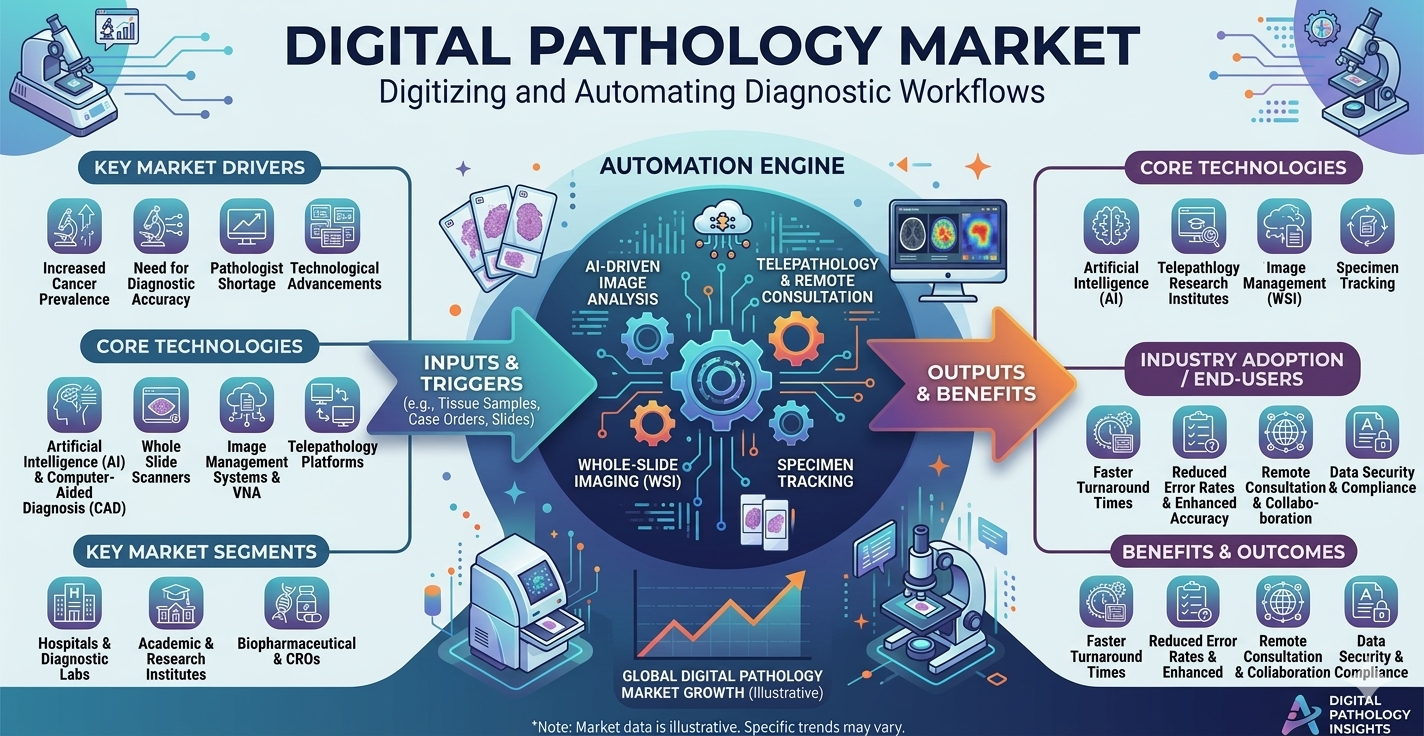
The Digital Pathology Market Developments is rapidly evolving as healthcare systems increasingly embrace digital solutions to enhance diagnostic accuracy, streamline workflows, and support collaborative research. Digital pathology digitizes traditional microscopy workflows into high‑resolution, whole‑slide images that can be shared, analyzed, and integrated with advanced analytics tools....
The global industrial landscape is undergoing a significant transformation driven by the need for precision, efficiency, and durability in manufacturing processes. At the heart of this evolution lies the carbide milling cutter, a critical tool used in machining operations across various sectors. According to recent market intelligence, the Carbide Milling Cutter Market is...