


How to Sell Estate Jewelry Without Undervaluing Family Heirlooms
Selling estate jewelry is never just a financial decision. These pieces often represent family history, personal milestones, and emotional connections that span generations. Whether the jewelry was inherited or passed down informally, the fear of undervaluing a family heirloom is real—and justified. Knowing how to approach the process thoughtfully can help you protect both sentimental and financial value.
At Eagle Coins Gold and Silver Buying, we work with families who want clarity, respect, and fairness when selling estate jewelry. This guide walks you through the key steps to ensure you do not undervalue meaningful pieces.
Step One: Separate Emotion From Evaluation
The first and most difficult step is acknowledging the difference between emotional value and market value. Sentimental worth is deeply personal, but it does not always align with resale pricing.
That does not mean the jewelry lacks importance. It simply means that financial decisions should be based on objective factors such as materials, craftsmanship, and demand. Recognizing this early helps prevent disappointment later.
Step Two: Identify What You Have Before Selling
Estate jewelry collections often include a mix of items:
-
Gold and silver jewelry
-
Rings, brooches, and necklaces
-
Watches and timepieces
-
Pieces with gemstones or engravings
Some items may be better evaluated as jewelry, while others—especially watches—should be assessed separately. For example, sellers searching for vintage watch buyers Cape Cod or watch buyers Cape Cod often discover that certain timepieces hold value beyond their metal content.
Separating items by category allows for more accurate evaluations and ensures nothing is overlooked.
Step Three: Understand What Drives Estate Jewelry Value
Several factors determine the value of estate jewelry:
-
Metal content: Gold and silver purity and weight
-
Craftsmanship: Hand-made or unique designs
-
Gemstones: Quality, size, and condition
-
Age and style: Vintage or period pieces may appeal to collectors
-
Condition: Structural integrity matters more than cosmetic wear
Knowing these basics helps you understand why two similar-looking pieces may receive very different offers.
Step Four: Watches Require Specialized Attention
Watches are often included in estate jewelry collections and deserve special consideration. Some watches are valued primarily for gold content, while others carry value based on age, craftsmanship, or mechanical condition.
If you have inherited watches, consulting experienced vintage watch buyers Cape Cod ensures they are evaluated correctly. A general jewelry evaluation may not fully capture a watch’s true worth.
This step alone can prevent significant undervaluation.
Step Five: Avoid Common Mistakes That Reduce Value
Certain actions can unintentionally lower value:
-
Cleaning or polishing jewelry before evaluation
-
Altering or resizing pieces
-
Separating stones from settings
-
Disposing of boxes or original components
Even small changes can impact resale value. It is best to leave items exactly as they were found until they are professionally evaluated.
Step Six: Get a Transparent, Professional Evaluation
A professional evaluation is essential when selling estate jewelry. A reputable buyer explains how value is determined, tests metals accurately, and answers your questions clearly.
At Eagle Coins Gold and Silver Buying, evaluations are done with transparency and respect. Sellers are shown how purity and weight are measured, and why certain items may be valued differently than expected.
There should never be pressure to sell on the spot. A trustworthy buyer gives you time to decide.
Step Seven: Decide What to Sell and What to Keep
Not everything needs to be sold. Many families choose to keep select heirlooms while selling pieces that no longer hold personal meaning.
This selective approach helps preserve family history while still allowing you to benefit financially from items you no longer wish to keep.
Step Eight: Choose the Right Buyer for Each Item Type
Estate jewelry is rarely one-size-fits-all. Jewelry, coins, and watches may each require different expertise. Choosing a buyer who understands all three—or can evaluate them appropriately—helps ensure fair treatment across the collection.
If you are researching watch buyers Cape Cod, make sure they understand estate and vintage timepieces, not just metal value.
Final Thoughts
Selling estate jewelry is about more than converting assets into cash. It is about honoring family history while making thoughtful, informed decisions. Taking the time to understand what you have, avoiding common mistakes, and working with an experienced and transparent buyer protects you from undervaluing important pieces.
If you are preparing to sell estate jewelry or inherited watches, Eagle Coins Gold and Silver Buying is committed to helping you through the process with honesty, care, and clarity. With the right approach, you can sell confidently—knowing your family heirlooms were treated with the respect they deserve.
Категории
Больше
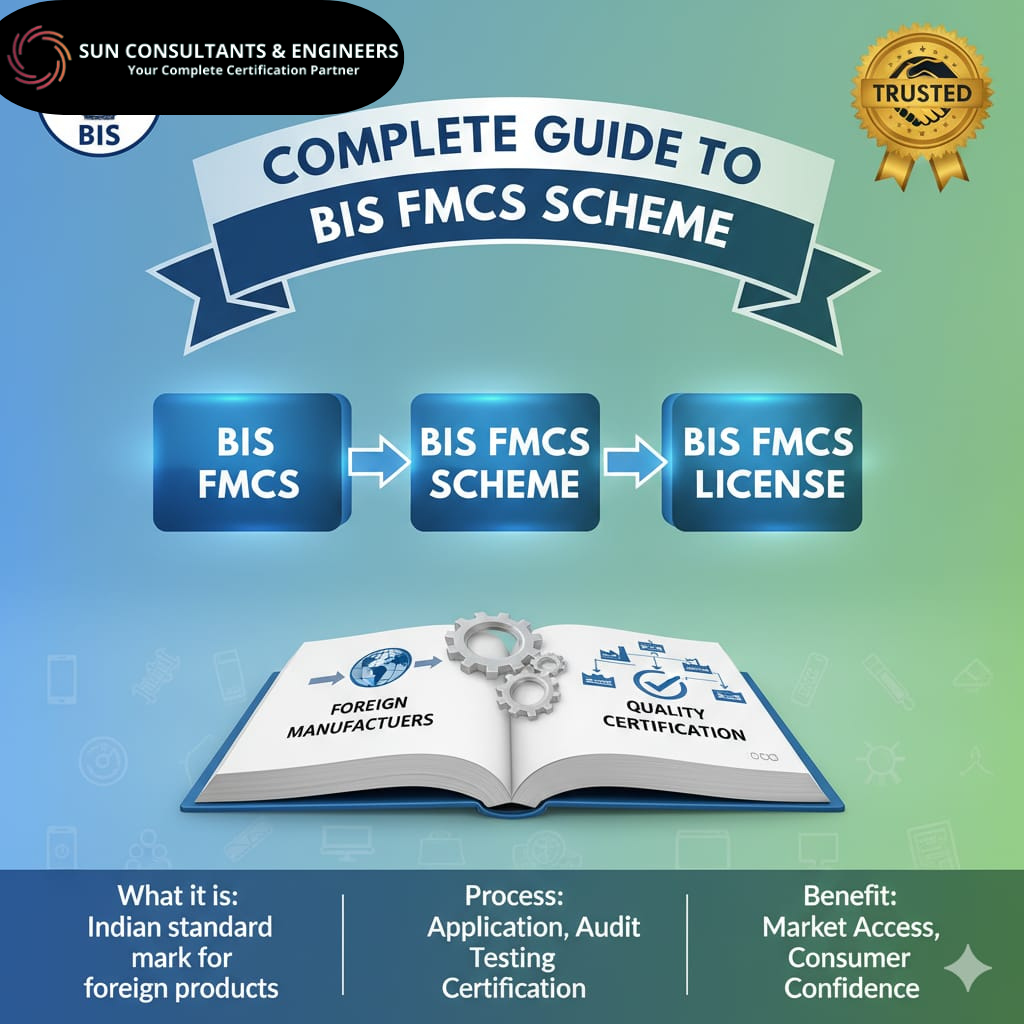
Introduction India is one of the fastest-growing consumer markets in the world. If a foreign manufacturer wants to sell products in India, complying with Indian quality and safety standards is mandatory. This is where BIS FMCS plays a very important role. BIS FMCS (Foreign Manufacturers Certification Scheme) is a certification scheme introduced by the Bureau of Indian Standards (BIS) for...
Starting a US-based business no longer requires living in the United States. Platforms like Business Anywhere are making it possible for entrepreneurs worldwide to launch and manage companies remotely. While many people search for savings tips like where to find working businessanywhere coupons, the real value of Business Anywhere lies in its all-in-one system—offering LLC formation,...
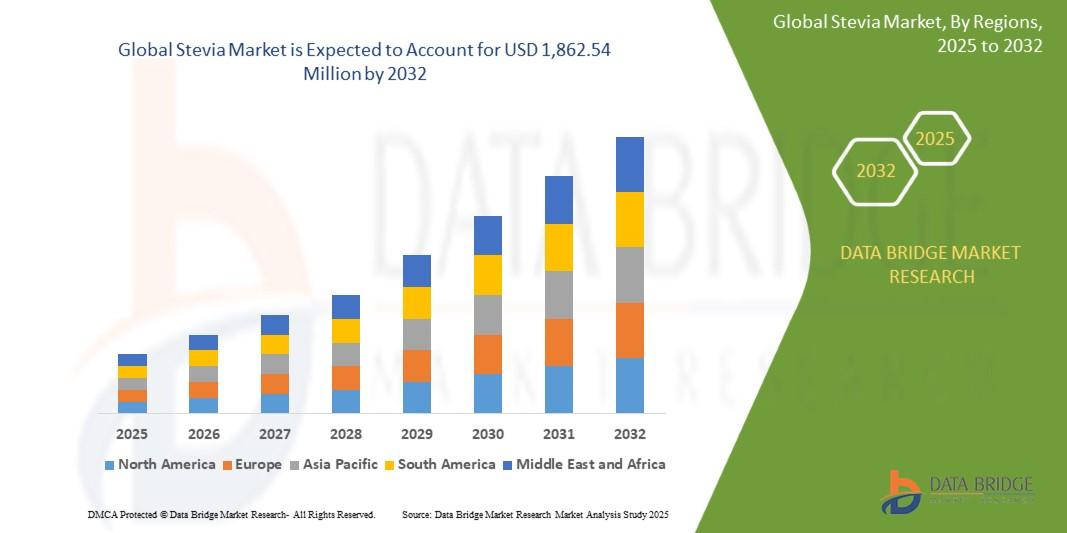
"Future of Executive Summary Stevia Market: Size and Share Dynamics CAGR Value The Global Stevia Market size was valued at USD 878.42 Million in 2024 and is expected to reach USD 1,862.54 million by 2032, at a CAGR of 9.85% during the forecast period The Stevia business document lists and studies the leading competitors and also provides the insights...
The world of cryptocurrency has opened up exciting opportunities for entrepreneurs and investors alike. Among these opportunities, Initial Coin Offerings (ICOs) have emerged as a powerful method for raising capital for blockchain-based projects. However, the success of an ICO depends on more than just having a brilliant idea or a robust technical platform—it requires a comprehensive...

Executive Summary This report provides a comprehensive overview of the Philippines Skincare Products Market analyzing size, growth trends, key segments, and competitive dynamics. It highlights market drivers, challenges, and emerging opportunities while offering actionable insights for strategic decision-making. Historical data, current analysis, and future forecasts are included to help...
