Why High-Quality CNC Tools Deliver Better Accuracy
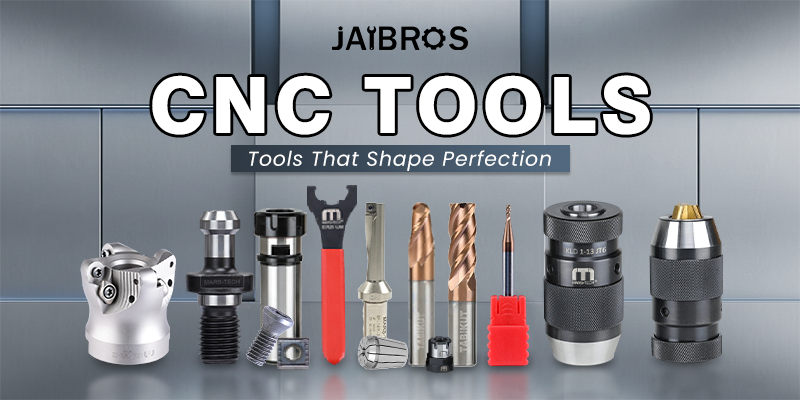
Discover how a high-quality CNC tool improves machining accuracy, extends tool life, and enhances performance in CNC milling and machine tools.
How Premium CNC Tools Enhance Precision and Extend Tool Life
In today’s precision-driven manufacturing environment, accuracy and durability are no longer optional—they are essential. As industries push for tighter tolerances, higher output, and reduced waste, the quality of cutting equipment plays a decisive role. A high-grade CNC tool directly influences machining consistency, surface finish, and overall productivity, making it a critical component of modern manufacturing operations.
The Relationship Between Tool Quality and Machining Accuracy
Accuracy in machining depends on how precisely a cutting edge interacts with the workpiece. High-quality tools are manufactured using advanced materials, refined geometries, and strict quality controls. This results in better edge stability, reduced vibration, and improved dimensional control.
When machining with inferior tools, even the most advanced CNC machine tools struggle to maintain precision. Tool deflection, uneven wear, and inconsistent cutting forces lead to poor surface finishes and tolerance issues. In contrast, a premium CNC tool maintains cutting integrity over longer production runs, allowing manufacturers to achieve repeatable and predictable results.
Material Composition and Its Impact on Tool Life
The materials used in tool manufacturing significantly affect durability. High-quality tools are often made from superior carbide grades or advanced coatings designed to withstand heat and pressure. These materials reduce friction and resist wear, especially in demanding CNC milling operations.
Lower-grade materials may appear cost-effective initially, but they wear out quickly, increasing downtime and replacement costs. Given the high CNC machine price, tool failure can also risk damage to spindles and workpieces. A reliable tool minimizes such risks by offering consistent performance even under high-speed cutting conditions.
How Tool Geometry Enhances Performance
Tool geometry plays a crucial role in cutting efficiency. Precision-ground edges, optimized rake angles, and balanced flute designs allow smoother chip evacuation and reduced cutting forces. This improves machining stability and helps maintain accuracy throughout the operation.
Well-designed geometries also reduce heat buildup, which is one of the primary causes of premature tool failure. By maintaining thermal stability, a high-quality CNC supports longer machining cycles without compromising part quality.
Reduced Vibration and Machine Stress
Vibration is a common issue that affects both accuracy and tool life. Poorly balanced tools amplify vibration, leading to chatter, surface defects, and accelerated wear. Over time, this stress impacts CNC machine tools and shortens their operational lifespan.
High-quality tools are engineered for balance and rigidity, which reduces vibration and promotes smoother cutting action. This not only improves accuracy but also protects machines from unnecessary strain. In an environment where CNC machine price continues to rise, minimizing machine stress is a critical advantage.
Consistency Across Production Batches
Consistency is vital in mass production. Variations in tool performance can lead to rejected parts and increased inspection costs. Premium tools deliver uniform cutting behavior across multiple batches, ensuring consistent quality output.
A dependable tool allows manufacturers to maintain tight tolerances without frequent adjustments, making it easier to meet production targets while controlling operational costs.
Long-Term Cost Efficiency
While high-quality tools may require a higher upfront investment, they offer superior long-term value. Extended tool life means fewer replacements, reduced downtime, and lower labor costs. This is particularly important when manufacturers are already managing high CNC price investments.
Additionally, improved accuracy reduces scrap and rework, directly contributing to cost savings. Over time, the cumulative benefits far outweigh the initial expense, making quality tooling a strategic investment rather than a cost burden.
The Role of Proper Tool Selection
Even the best machines cannot compensate for poor tooling choices. Selecting the right tool for the material, operation, and cutting parameters is essential. High-quality tools are supported by technical documentation and performance data, helping manufacturers make informed decisions.
When paired with correct operating conditions, a premium CNC delivers optimal results across diverse machining applications.
The Importance of Process Stability in Precision Machining
Process stability is a key factor in achieving consistent accuracy and longer tool life in modern machining operations. When cutting performance remains stable, operators can maintain uniform results without constant adjustments. This consistency helps reduce human error and ensures that production runs stay within tolerance limits. In high-volume manufacturing, even minor variations can lead to increased scrap rates and unnecessary downtime.
Stable cutting conditions also support efficient cycle time planning, allowing manufacturers to meet delivery schedules with greater confidence. Heat control is another critical element, as excessive heat can damage cutting edges and distort workpieces. High-quality tooling helps manage thermal stress by maintaining smooth cutting action and efficient chip flow.
Conclusion: Precision, Durability, and the Right Partner
Accuracy and tool life are the foundation of efficient manufacturing. High-quality tooling enhances machining precision, reduces wear, protects CNC machine tools, and delivers consistent results in demanding CNC milling environments. As CNC machine price continues to increase, manufacturers must focus on solutions that maximize return on investment through reliability and longevity.
This is where Jaibros adds value. Known for its commitment to precision engineering and durable cutting solutions, Jaibros offers CNC tools designed to meet modern manufacturing challenges. By combining quality materials, advanced design, and industry expertise, Jaibros helps manufacturers achieve superior accuracy, extended tool life, and long-term operational efficiency.
FAQs
1. Why does tool quality affect machining accuracy?
High-quality tools reduce vibration and maintain precise cutting edges.
2. Do premium CNC tools last longer?
Yes, they resist wear and heat better than standard tools.
3. Can good tools protect CNC machines?
Yes, balanced tools reduce stress on machine components.
4. How do quality tools help CNC milling?
They improve chip removal and surface finish.
5. Are high-quality CNC tools cost-effective?
Yes, they reduce replacements, downtime, and scrap.
Catégories
Lire la suite
The clothing industry in the UK moves fast. One week, it is quiet. Next, we,ek the streets feel alive with fresh looks. London leads this energy. From early mornings on the Tube to late nights in Shoreditch, fashion tells real stories. Right now, streetwear owns the conversation. And one name keeps popping up everywhere. Corteiz. The Corteiz Tracksuit has become a strong symbol of modern UK...

Global Acrylonitrile Butadiene Styrene (ABS) market was valued at USD 13,200 million in 2025 and is projected to reach USD 20,100 million by 2034, exhibiting a remarkable CAGR of 4.8% during the forecast period. Acrylonitrile Butadiene Styrene, a high‑impact thermoplastic polymer, has transitioned from laboratory synthesis to become a cornerstone of modern manufacturing. Its unique...

If you've recently heard about Mahadev Book and want to understand what it offers, you're not alone. Every day, thousands of new users search for simple answers before getting started. From account access to platform features, security, mobile compatibility, and user experience, there are many common questions that first-time visitors ask. This comprehensive guide answers the most frequently...

Reddy Book is a trusted online sports entertainment platform created to provide users with a seamless, secure, and responsive digital experience. Designed with modern technology and a user-focused approach, the platform offers easy navigation, fast loading speeds, and compatibility across multiple devices. Whether accessed from a smartphone, tablet, laptop, or desktop computer reddybook ...

The Shift Toward Private Stays Feels Real Now Something changed in the way people travel. Not overnight, but you can feel it. Hotels still exist, sure, but more travelers are quietly moving toward spaces that feel… theirs. A st barth villa rental isn’t just about a place to sleep. It’s about control. Your schedule, your space, your noise level. No elevator waits. No crowded...