


Why High-Quality CNC Tools Deliver Better Accuracy
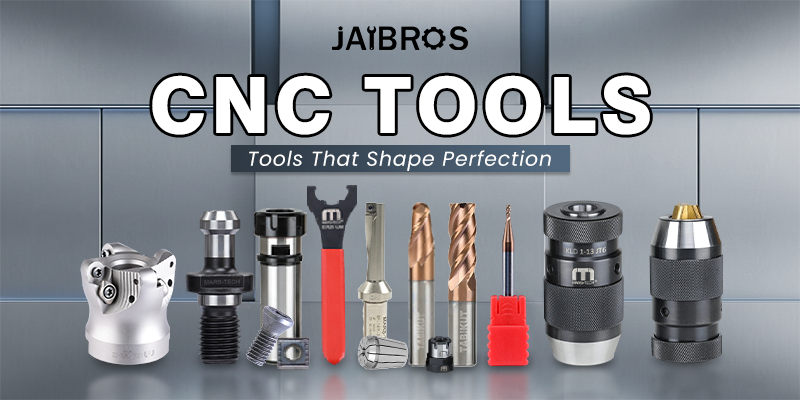
Discover how a high-quality CNC tool improves machining accuracy, extends tool life, and enhances performance in CNC milling and machine tools.
How Premium CNC Tools Enhance Precision and Extend Tool Life
In today’s precision-driven manufacturing environment, accuracy and durability are no longer optional—they are essential. As industries push for tighter tolerances, higher output, and reduced waste, the quality of cutting equipment plays a decisive role. A high-grade CNC tool directly influences machining consistency, surface finish, and overall productivity, making it a critical component of modern manufacturing operations.
The Relationship Between Tool Quality and Machining Accuracy
Accuracy in machining depends on how precisely a cutting edge interacts with the workpiece. High-quality tools are manufactured using advanced materials, refined geometries, and strict quality controls. This results in better edge stability, reduced vibration, and improved dimensional control.
When machining with inferior tools, even the most advanced CNC machine tools struggle to maintain precision. Tool deflection, uneven wear, and inconsistent cutting forces lead to poor surface finishes and tolerance issues. In contrast, a premium CNC tool maintains cutting integrity over longer production runs, allowing manufacturers to achieve repeatable and predictable results.
Material Composition and Its Impact on Tool Life
The materials used in tool manufacturing significantly affect durability. High-quality tools are often made from superior carbide grades or advanced coatings designed to withstand heat and pressure. These materials reduce friction and resist wear, especially in demanding CNC milling operations.
Lower-grade materials may appear cost-effective initially, but they wear out quickly, increasing downtime and replacement costs. Given the high CNC machine price, tool failure can also risk damage to spindles and workpieces. A reliable tool minimizes such risks by offering consistent performance even under high-speed cutting conditions.
How Tool Geometry Enhances Performance
Tool geometry plays a crucial role in cutting efficiency. Precision-ground edges, optimized rake angles, and balanced flute designs allow smoother chip evacuation and reduced cutting forces. This improves machining stability and helps maintain accuracy throughout the operation.
Well-designed geometries also reduce heat buildup, which is one of the primary causes of premature tool failure. By maintaining thermal stability, a high-quality CNC supports longer machining cycles without compromising part quality.
Reduced Vibration and Machine Stress
Vibration is a common issue that affects both accuracy and tool life. Poorly balanced tools amplify vibration, leading to chatter, surface defects, and accelerated wear. Over time, this stress impacts CNC machine tools and shortens their operational lifespan.
High-quality tools are engineered for balance and rigidity, which reduces vibration and promotes smoother cutting action. This not only improves accuracy but also protects machines from unnecessary strain. In an environment where CNC machine price continues to rise, minimizing machine stress is a critical advantage.
Consistency Across Production Batches
Consistency is vital in mass production. Variations in tool performance can lead to rejected parts and increased inspection costs. Premium tools deliver uniform cutting behavior across multiple batches, ensuring consistent quality output.
A dependable tool allows manufacturers to maintain tight tolerances without frequent adjustments, making it easier to meet production targets while controlling operational costs.
Long-Term Cost Efficiency
While high-quality tools may require a higher upfront investment, they offer superior long-term value. Extended tool life means fewer replacements, reduced downtime, and lower labor costs. This is particularly important when manufacturers are already managing high CNC price investments.
Additionally, improved accuracy reduces scrap and rework, directly contributing to cost savings. Over time, the cumulative benefits far outweigh the initial expense, making quality tooling a strategic investment rather than a cost burden.
The Role of Proper Tool Selection
Even the best machines cannot compensate for poor tooling choices. Selecting the right tool for the material, operation, and cutting parameters is essential. High-quality tools are supported by technical documentation and performance data, helping manufacturers make informed decisions.
When paired with correct operating conditions, a premium CNC delivers optimal results across diverse machining applications.
The Importance of Process Stability in Precision Machining
Process stability is a key factor in achieving consistent accuracy and longer tool life in modern machining operations. When cutting performance remains stable, operators can maintain uniform results without constant adjustments. This consistency helps reduce human error and ensures that production runs stay within tolerance limits. In high-volume manufacturing, even minor variations can lead to increased scrap rates and unnecessary downtime.
Stable cutting conditions also support efficient cycle time planning, allowing manufacturers to meet delivery schedules with greater confidence. Heat control is another critical element, as excessive heat can damage cutting edges and distort workpieces. High-quality tooling helps manage thermal stress by maintaining smooth cutting action and efficient chip flow.
Conclusion: Precision, Durability, and the Right Partner
Accuracy and tool life are the foundation of efficient manufacturing. High-quality tooling enhances machining precision, reduces wear, protects CNC machine tools, and delivers consistent results in demanding CNC milling environments. As CNC machine price continues to increase, manufacturers must focus on solutions that maximize return on investment through reliability and longevity.
This is where Jaibros adds value. Known for its commitment to precision engineering and durable cutting solutions, Jaibros offers CNC tools designed to meet modern manufacturing challenges. By combining quality materials, advanced design, and industry expertise, Jaibros helps manufacturers achieve superior accuracy, extended tool life, and long-term operational efficiency.
FAQs
1. Why does tool quality affect machining accuracy?
High-quality tools reduce vibration and maintain precise cutting edges.
2. Do premium CNC tools last longer?
Yes, they resist wear and heat better than standard tools.
3. Can good tools protect CNC machines?
Yes, balanced tools reduce stress on machine components.
4. How do quality tools help CNC milling?
They improve chip removal and surface finish.
5. Are high-quality CNC tools cost-effective?
Yes, they reduce replacements, downtime, and scrap.
Categorieën
Read More
The way groups build web sites has modified dramatically. In 2026, a website is not simply an online brochure—it has come to be a powerful business asset that facilitates agencies attract clients through Google Search, AI-powered search engines like google and yahoo, voice assistants, and sensible recommendation systems. Today, clients expect web sites to load immediately, answer their...

In today’s competitive wellness market, creating a memorable and trustworthy brand is essential for standing out. Whether you own a spa, skincare clinic, yoga studio, wellness retreat, or beauty brand, your identity should reflect the quality, calm, and care your business provides. This is where an Aesthetics & Wellness Branding Agency becomes invaluable. These specialized agencies...

Season 14 in Diablo IV drops players into a strange, uneasy mood from the first minute. You log in, head to Kyovashad, and there it is: a fresh seasonal prompt, a new thread to pull on, and that little feeling that something is off. The story starts with a letter linked to Tyrael, and that alone is enough to get most players moving. If you are the sort of person who likes chasing loot while the...

According to the latest report published by Data Bridge Market Research, the Bike Tyre Market CAGR Value To impart a supreme quality to this persuasive Bike Tyre Market report, unswerving efforts of enthusiastic, dynamic and skilled researchers and analysts have been utilized. Evaluations about the CAGR value variations for specific forecast period, market drivers, market...
https://vocal.media/authors/1-888-354-0030-fix-quickbooks-error-3100-steps-to-fix-causes-signs-and-symptoms-3d323a7168