


How Technology Is Redefining Refraction Testing in Ophthalmology
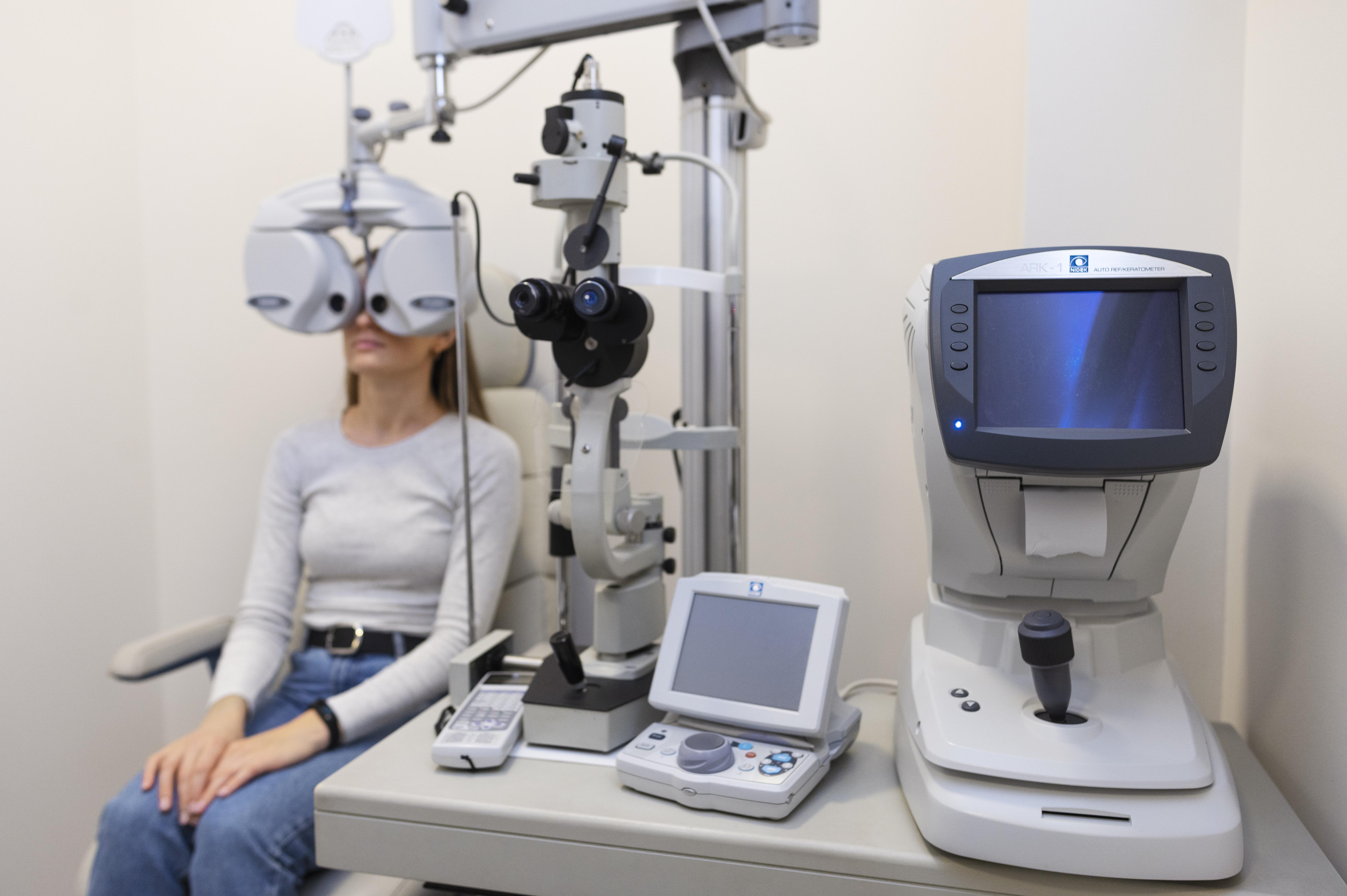
Refraction testing has long been a cornerstone of ophthalmology, forming the basis for diagnosing visual errors and prescribing corrective lenses. Traditionally, this process relied heavily on manual techniques and patient feedback. While effective, these methods often required extended examination times and were influenced by subjective responses.
As patient volumes increased and expectations evolved, ophthalmology began to seek solutions that could enhance precision, reduce variability, and improve workflow efficiency. Technology has emerged as a powerful force in redefining how refraction testing is performed today.
The Rise of Technology-Driven Eye Examinations
Modern ophthalmology has embraced technological innovation to improve diagnostic accuracy and consistency. Refraction testing is no longer limited to purely manual assessments; instead, it now incorporates digital tools that support objective measurements and data-driven insights.
These advancements allow clinicians to gather reliable baseline data quickly, enabling more informed clinical decisions while maintaining high standards of care.
Improving Accuracy Through Objective Measurement
Accuracy is critical in refraction testing, as even minor errors can affect visual comfort and patient satisfaction. Technology enhances accuracy by reducing reliance on subjective input during the initial stages of assessment.
Objective measurement tools provide consistent results that help clinicians validate findings and refine prescriptions with confidence. This approach minimizes variability and supports precise vision correction.
Enhancing Efficiency in Clinical Workflows
Time efficiency has become increasingly important in ophthalmology practices. Lengthy examinations can limit patient throughput and increase waiting times.
Technological advancements streamline refraction workflows by reducing manual steps and accelerating data collection. Faster assessments allow clinicians to manage higher patient volumes without compromising examination quality.
Supporting Consistency Across Multiple Visits
Monitoring vision changes over time requires consistent measurement methods. Technology ensures that refraction data collected during different visits remains comparable and reliable.
Consistency is especially valuable for patients with progressive vision changes, as it enables accurate tracking and timely interventions.
Reducing Subjectivity in Refraction Testing
Subjectivity has always been a challenge in refraction testing, as patient responses can vary due to fatigue, comprehension, or communication barriers. Technology helps balance subjective input with objective data.
By incorporating reliable measurements early in the exam, clinicians can reduce dependence on fluctuating responses and improve overall assessment accuracy.
Enhancing Patient Comfort and Experience
Patient experience plays a vital role in successful ophthalmic care. Modern refraction technologies are designed to be quick and non-invasive, reducing discomfort and anxiety during examinations.
Shorter testing times and smoother workflows contribute to a more positive patient experience, encouraging regular eye check-ups and better long-term engagement.
Supporting Evidence-Based Clinical Decisions
Evidence-based practice is increasingly important in healthcare. Technology-driven refraction testing provides clinicians with measurable data that supports informed decision-making.
When prescriptions and recommendations are based on objective findings, clinicians can deliver care with greater confidence and predictability.
Enabling Better Management of Progressive Vision Changes
Certain visual conditions involve gradual progression that may not be immediately noticeable. Technology enhances the ability to detect subtle changes over time.
Consistent data collection supports early identification of progression, enabling proactive management and reducing the risk of advanced visual impairment.
Integrating Refraction Testing with Digital Records
Digital integration has become a standard expectation in modern ophthalmology. Refraction technologies that integrate seamlessly with electronic records improve data accessibility and continuity of care.
Clinicians can review historical results quickly, improving follow-up assessments and collaborative care planning.
Supporting Training and Standardization
Technology also plays a role in training and standardization within ophthalmology practices. Consistent measurement processes reduce variability between examiners and simplify training for new professionals.
Standardized workflows help maintain uniform quality of care across different clinics and practitioners.
Adapting to Modern Patient Expectations
Today’s patients expect healthcare services to be efficient, precise, and technologically advanced. Refraction testing supported by modern tools aligns with these expectations.
Meeting patient expectations not only improves satisfaction but also strengthens trust in ophthalmic services.
The Role of Advanced Refraction Devices
Advanced devices have become integral to modern refraction testing. The use of an auto refractometer provides clinicians with reliable baseline measurements that support efficient and accurate examinations.
These tools complement clinical expertise rather than replacing it, enhancing overall diagnostic confidence.
Preparing Ophthalmology for the Future
As technology continues to evolve, refraction testing will become even more data-driven and integrated. Innovations will further improve accuracy, speed, and accessibility.
Ophthalmology practices that embrace technological advancements are better prepared to meet future demands while delivering consistent, high-quality care.
Conclusion
Technology is redefining refraction testing in ophthalmology by improving accuracy, efficiency, and patient experience. Through objective measurement, streamlined workflows, and data-driven insights, modern refraction testing supports better clinical outcomes and long-term eye health. As innovation continues, technology will remain central to advancing refraction practices and enhancing the quality of ophthalmic care.
Κατηγορίες
Διαβάζω περισσότερα
Best crypto casino - Le monde des jeux d’argent en ligne est en constante recherche de nouveaux marchés à conquérir. L’essor des cryptomonnaies n’a pas échappé aux acteurs de cette industrie et c’est la raison pour laquelle le concept du casino crypto en ligne a vu le jour. C’est une situation gagnant-gagnant pour les casinos...

"Executive Summary Faceting Machine Market: Share, Size & Strategic Insights The global faceting machine market size was valued at USD 876.12 million in 2024 and is expected to reach USD 1226.98 million by 2032, at a CAGR of 4.30% during the forecast period To make better decisions, generate maximum revenue, and enhance business profit, Faceting...

HACCP Certification is a globally recognized food safety standard that helps organizations identify, evaluate, and control hazards that may affect the safety of food products. HACCP stands for Hazard Analysis and Critical Control Points, a preventive approach designed to ensure food safety throughout the entire food production and supply chain. It is widely used by food manufacturers,...

1. Elegant Jain Ashtamangala Frames for Spiritual Decor Jain Ashtamangala Frames are a beautiful representation of sacred Jain symbols that bring positivity, peace and divine blessings into any space. These frames are designed with intricate craftsmanship and spiritual meaning, making them an ideal choice for homes, temples, offices and meditation rooms. The Ashtamangala symbols hold...
In today’s fast-growing digital entertainment world, users are increasingly interested in how financial transactions work on online platforms. One of the most frequently searched terms in this context is “Nạp tiền uu88”, which refers to the process of adding funds to a user account on the UU88 system. This step is essential for accessing various services and features within...