Can Peanut Butter Harm Cats? Everything You Need to Know
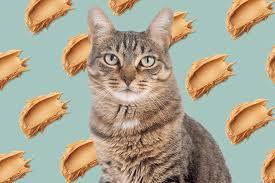
Cats are curious creatures. They often investigate human foods, and sometimes, they even try to sneak a bite of what you’re eating. Among popular foods, peanut butter is a common temptation because of its creamy texture and nutty aroma. But many cat owners are left wondering: is it safe for their feline friends?
In this article, we’ll explore the effects of peanut butter on cats, possible risks, and safe alternatives. By the end, you’ll know whether it’s okay to share a small scoop of your favorite spread or if it’s better to keep it out of reach.
Why Cats Are Attracted to Peanut Butter
Cats are obligate carnivores, which means their diet primarily requires meat. However, many cats are intrigued by foods they don’t normally eat, including peanut butter. The sticky texture, strong aroma, and sometimes slight sweetness can pique their curiosity.
Cats also experience a phenomenon called “food neophilia,” where they show interest in new or unusual foods. Peanut butter, with its rich scent, can trigger this interest, even though it’s not naturally part of a cat’s diet.
While a small lick might seem harmless, it’s important to understand how peanut butter interacts with a cat’s digestive system and whether it could lead to health issues in the long term.
Can Peanut Butter Harm Cats?
The short answer is yes — peanut butter can potentially harm cats, depending on the type and quantity consumed. While a tiny lick may not cause immediate harm, certain ingredients in peanut butter can be toxic or hard for cats to digest.
One of the main concerns is xylitol, a sugar substitute found in some peanut butter brands. Xylitol is highly toxic to cats and can lead to severe health problems like hypoglycemia, liver failure, or even death. Additionally, peanut butter is high in fat and calories. Over time, consuming too much can lead to obesity, pancreatitis, or gastrointestinal upset.
It’s also important to note that cats have sensitive digestive systems. Foods that are safe for humans, like peanut butter, may cause vomiting, diarrhea, or other digestive issues if ingested in significant amounts.
Ingredients in Peanut Butter That Are Risky for Cats
Not all peanut butter is created equal, and some ingredients can be particularly risky for cats. Here’s what to watch for:
-
Xylitol: As mentioned, this artificial sweetener is extremely toxic to cats. Even a small amount can be dangerous. Always check labels before letting your cat near peanut butter.
-
Salt: Excess sodium can lead to kidney strain or other health issues in cats, especially if they consume peanut butter frequently.
-
Sugar: Cats don’t need sugar in their diet. Excess sugar can contribute to obesity and dental issues.
-
Additives and Preservatives: Flavored or processed peanut butter may include additives like chocolate or artificial flavorings, which can be harmful to cats.
For cat owners who still want to offer peanut butter as a treat, it’s crucial to read ingredient labels carefully and opt for natural, unsweetened peanut butter without xylitol.
How Peanut Butter Affects Your Cat’s Health
Even if your peanut butter is free of xylitol, it’s still not a recommended staple in your cat’s diet. High-fat foods can cause gastrointestinal distress or pancreatitis in cats, which is a painful and potentially serious condition.
Some cats may tolerate a tiny lick without obvious issues, while others may vomit or develop diarrhea. It’s important to monitor your pet after exposure to human foods and seek veterinary advice if any concerning symptoms arise.
Additionally, frequent exposure to peanut butter could create bad eating habits. Cats might start refusing their regular diet, preferring the sugary or fatty treat instead. Maintaining a consistent and healthy diet is crucial for a cat’s long-term well-being.
Safe Alternatives to Peanut Butter for Cats
If you want to give your cat a treat without risking health problems, there are several safer alternatives:
-
Catnip or Cat Grass: These are natural, safe, and enjoyable for most cats.
-
Commercial Cat Treats: Designed for feline digestion, these treats provide the pleasure of a snack without harmful ingredients.
-
Small Amounts of Plain Yogurt: Some cats enjoy a tiny spoonful of plain, unsweetened yogurt, which can also provide probiotics.
-
Cooked Chicken or Fish: A tiny bite of plain, cooked meat can be a delicious and safe alternative.
Always introduce new foods slowly and in small quantities to avoid upsetting your cat’s stomach.
Signs Your Cat Has Eaten Too Much Peanut Butter
If your cat accidentally consumes peanut butter, be on the lookout for warning signs. Some common symptoms include:
-
Vomiting or diarrhea
-
Lethargy or unusual sleepiness
-
Loss of appetite
-
Abdominal pain or bloating
If you notice any of these signs, it’s best to contact a veterinarian immediately. In the case of xylitol ingestion, prompt veterinary attention is critical, as this can be life-threatening.
Tips for Offering Peanut Butter Safely (If You Must)
While experts generally advise avoiding peanut butter altogether, some cat owners still choose to give a tiny taste occasionally. Here are a few tips if you decide to do so:
-
Use Unsweetened, Xylitol-Free Peanut Butter: Always check the ingredients carefully.
-
Offer a Very Small Amount: Just a tiny lick from a spoon is enough; larger amounts increase the risk of digestive issues.
-
Monitor Your Cat Closely: Watch for any signs of illness, even hours after the treat.
-
Avoid Regular Feeding: Peanut butter should never replace a balanced, cat-specific diet.
Conclusion
So, can peanut butter harm cats? The answer is yes — especially if it contains xylitol, sugar, salt, or other additives. Even natural peanut butter should only be given sparingly, if at all. Cats have very specific dietary needs as obligate carnivores, and introducing fatty or sweet human foods can create health problems over time.
For cat owners who want to provide safe and enjoyable treats, there are plenty of alternatives that won’t put your feline friend at risk. Stick to cat-specific treats, occasional tiny bites of safe foods, and always monitor their health. In the end, keeping your cat happy and healthy is far more important than sharing your favorite spread.
Categorii
Citeste mai mult
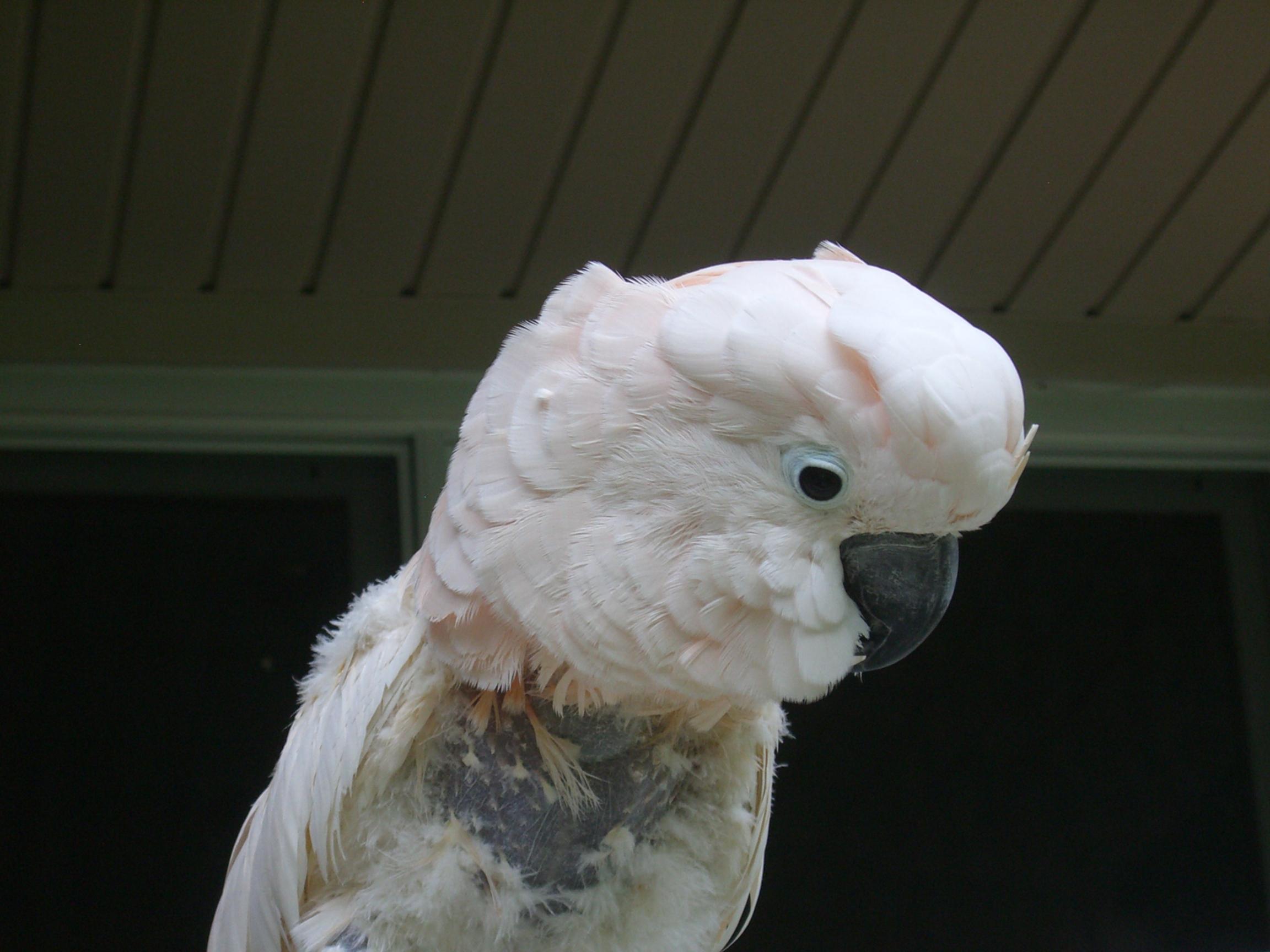
Let’s not ease into this too gently—Moluccan cockatoos are loud. Not “a bit noisy sometimes.” Not “you’ll hear them occasionally.” I mean loud in a way that cuts through walls, doors, conversations… everything. The first time you hear one scream up close, it’s a bit of a shock. Honestly. You might laugh at first, then realize—oh, this...
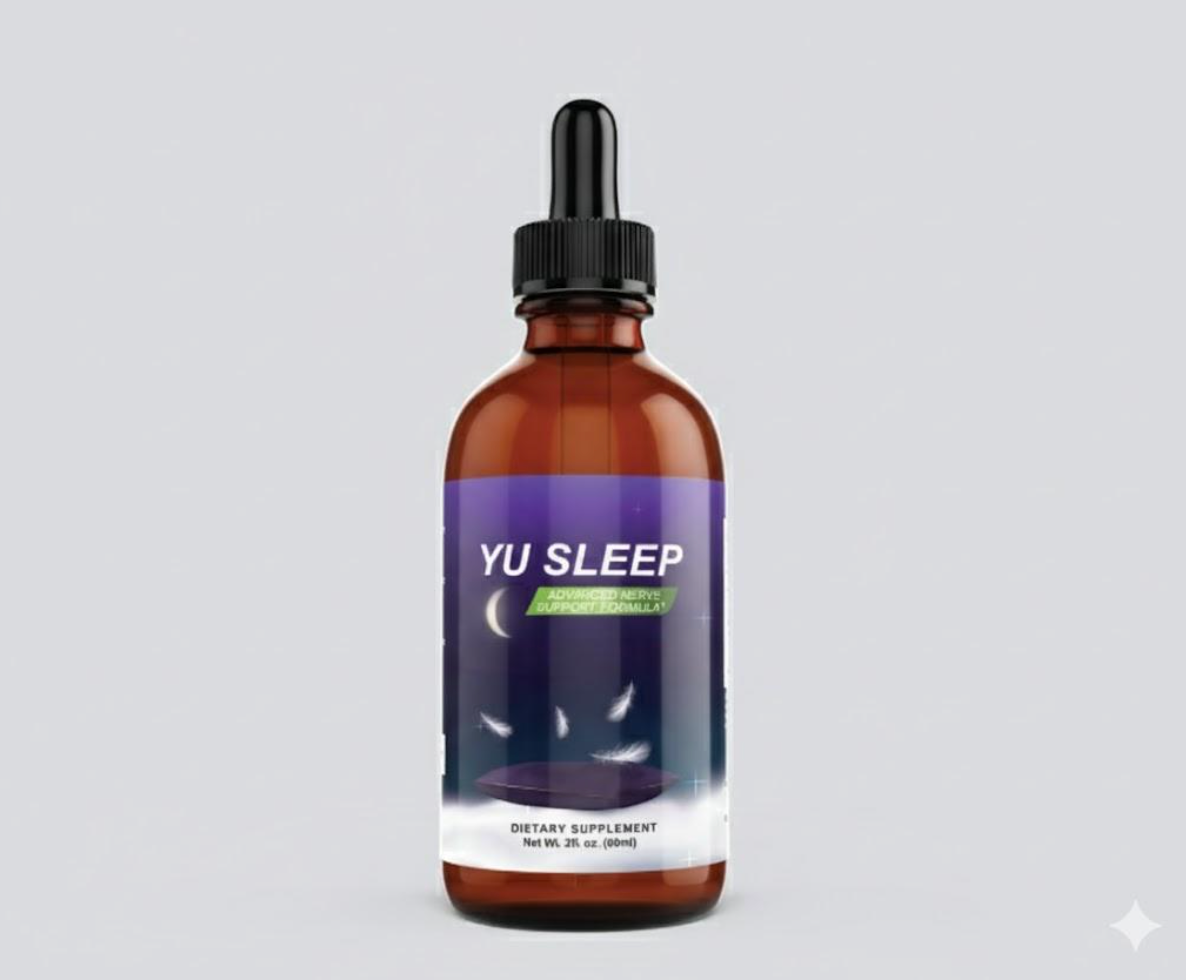
Struggling to fall asleep? Waking up at 2 AM and staring at the ceiling? Feeling tired even after 7–8 hours in bed? You’re not alone. Millions of adults deal with poor sleep quality, stress-related insomnia, and restless nights that drain energy and productivity. That’s where Yu Sleep comes in. Yu Sleep is a natural sleep support supplement designed to help you fall...
Medicine importers in the USA face strict regulatory environments, making the choice of a supplier critical. Oddway International stands out among pharmaceutical distributors by offering fully compliant export services for sildigra 250mg. This product is a cornerstone for many businesses specializing in sexual wellness and male health. When importers choose to buy sildigra, they are investing...

SEBI Registered Advisory – Taxation Consultancy: A Complete Guide for the General Public Introduction Have you ever felt confused about investments, taxes, and financial planning? You’re not alone. For most people, money matters feel like a maze—one wrong turn and you’re stuck. This is where a SEBI registered advisory combined with taxation consultancy becomes your...

The global Smartphone Image Editing Application Market Drivers is witnessing strong growth, driven by the increasing demand for visually engaging content and the rapid evolution of mobile technologies. According to The Insight Partners, the market is expected to register a steady CAGR during the forecast period 2025–2031, supported by rising smartphone penetration and continuous...