


Is Corten Steel Truly Corrosion-Resistant? Science Behind Weathering Steel
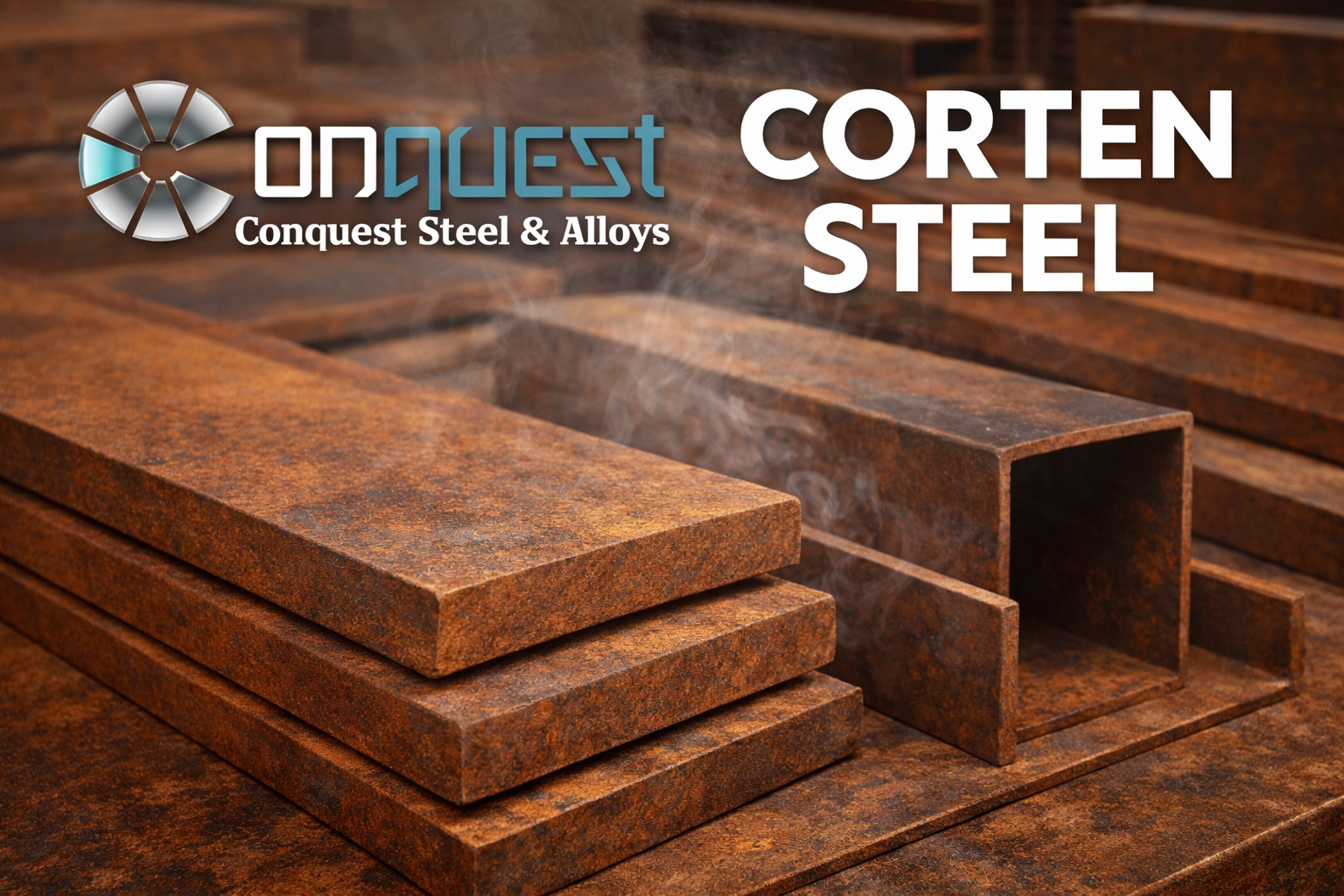
Is Corten Steel Truly Corrosion-Resistant? Science Behind Weathering Steel
Corten steel is often described as a “rusting steel that protects itself.” At first, this sounds contradictory — how can a material that rusts be corrosion-resistant? The answer lies in the unique science behind weathering steel, a special category of low-alloy steel designed to develop a protective surface layer that slows further corrosion.
Understanding how this process works helps architects, engineers, and buyers make informed decisions for outdoor structures, bridges, facades, landscaping elements, and industrial installations.
What is Corten Steel?
Corten steel, also known as weathering steel, is a group of alloy steels developed to eliminate the need for painting while improving atmospheric corrosion resistance. Unlike regular carbon steel that continues to deteriorate when exposed to moisture and air, Corten steel forms a stable outer layer — often called a patina — that protects the inner metal.
Its composition typically includes small amounts of:
-
Copper
-
Chromium
-
Nickel
-
Phosphorus
These elements work together to improve corrosion resistance and structural performance.
How Regular Steel Corrodes
To understand why Corten steel behaves differently, we first need to understand standard corrosion.
When ordinary steel is exposed to oxygen and moisture, iron reacts to form iron oxide — rust. This rust is:
-
Porous
-
Flaky
-
Weak
Because it doesn’t adhere tightly to the metal surface, moisture continues reaching the inner steel. The corrosion cycle repeats, causing gradual structural weakening.
This is why regular steel often requires protective coatings like paint or galvanization.
The Science Behind Corten Steel’s Protection
Corten steel follows the same initial oxidation process as regular steel — it rusts. But here’s where the science changes.
Stage 1: Initial Rusting
When exposed to the atmosphere, a surface layer of rust forms. At this point, it looks similar to ordinary corrosion.
Stage 2: Alloy Reaction
The alloying elements in Corten steel react with oxygen and moisture. This changes the structure of the rust layer.
Stage 3: Patina Formation
Instead of remaining loose and flaky, the rust transforms into a dense, tightly bonded oxide layer. This patina:
✔ Adheres strongly to the steel surface
✔ Prevents water and oxygen from penetrating deeper
✔ Slows down the corrosion rate dramatically
Once stabilized, the corrosion rate drops significantly compared to carbon steel.
Why the Patina Layer Matters
The protective patina is the key to Corten steel’s long lifespan. Unlike coatings that can chip or peel, this protective layer is:
-
Self-healing – If scratched, the surface reforms its protective layer
-
Low maintenance – No painting or re-coating required
-
Durable – Performs well in cyclic wet and dry conditions
This is why Corten steel is widely used in bridges, railway wagons, facades, sculptures, and outdoor structures.
Is Corten Steel Completely Rust-Proof?
No — and that’s an important distinction.
Corten steel is corrosion-resistant, not corrosion-proof. Its performance depends heavily on environmental conditions.
Ideal Conditions
Corten steel works best in environments with alternating wet and dry cycles. These cycles help the patina stabilize.
Challenging Conditions
It may not perform optimally in:
-
Constantly wet environments
-
Areas with trapped moisture
-
Coastal regions with high salt exposure
-
Submerged or underground applications
In such conditions, the protective patina may not form properly, and corrosion can continue.
Corrosion Rate Comparison
Studies show that once the patina stabilizes, the corrosion rate of Corten steel can be several times lower than that of ordinary carbon steel. Over decades, this translates to:
-
Longer structural life
-
Reduced maintenance costs
-
Lower lifecycle expenses
That’s why it’s a preferred material in infrastructure projects where repainting is expensive or difficult.
Structural Strength Alongside Corrosion Resistance
Corten steel doesn’t just resist atmospheric corrosion — it also provides:
-
High tensile strength
-
Good load-bearing capacity
-
Excellent weldability
This combination makes it both a structural and aesthetic material.
Aesthetic Advantage of Controlled Corrosion
The protective rust layer gives Corten steel its distinctive reddish-brown appearance, which evolves over time. Architects value this look for:
-
Modern facades
-
Landscaping features
-
Public art installations
-
Industrial-style designs
Unlike painted steel, the finish improves with age.
Maintenance Requirements
Although low maintenance, some considerations include:
-
Proper drainage design
-
Avoiding water traps
-
Preventing contact with sensitive surfaces (to avoid staining)
With correct design, maintenance remains minimal.
Final Verdict: Is Corten Steel Truly Corrosion-Resistant?
Yes — scientifically and practically, Corten steel offers superior atmospheric corrosion resistance compared to standard steel. Its protective patina slows further deterioration, making it a durable, low-maintenance, and visually appealing material for outdoor use.
However, its performance depends on the right environmental conditions and thoughtful design. When used appropriately, Corten steel can last for decades while maintaining both strength and character.
Categories
Read More
A new growth forecast report titled Polymer Foam Market Size, Share, Trends, & Industry Analysis Report By Type, By Application (Automotive, Building and constructions, Packaging, Furniture, Appliance, and Others), and By Region – Market Forecast, 2026-2034 introduced by Polaris Market Research represents conclusive data on the overall market. It majorly targets to provide a...

The recent security breach involving Sony's PlayStation Network has left many users feeling vulnerable and frustrated. After a six-day delay in transparency, Sony finally issued a statement acknowledging that sensitive user data was compromised, yet the service remains offline, preventing users from updating their information or changing passwords. This incident underscores the importance of...

クライミングジム市場の 規模とシェアに影響を与える主な要因 CAGR値 世界のクライミングジム市場は 2024年に711億8000万米ドルと評価され 、 2032年までに1169億2000万米ドル に達すると予想されています。2025年から2032年の予測期間中、市場は主に屋内フィットネス活動の人気の高まりとアドベンチャースポーツへの関心の高まりによって6.40%のCAGR で成長する と予想されます。 この成長は、身体的な健康に関する意識の高まり、都市化、可処分所得の増加、そしてユニークで挑戦的なトレーニング体験への欲求などの要因によって推進されています。...

Clean, high-quality water is essential for everyday living, from drinking and cooking to bathing and protecting your plumbing. Yet many homeowners struggle with hard water, unpleasant tastes, odors, and unwanted contaminants. Residential hybrid water softeners offer an advanced, all-in-one solution designed to tackle multiple water issues at once. By combining water softening and conditioning...
GK88 is a popular online gaming platform that gives players the perfect opportunity to start their journey with exciting rewards. By registering today, users can unlock free bonus offers designed to boost gameplay and provide extra value from the very beginning. With a smooth signup process and a trusted system, gk 88 makes it easy to join and start playing confidently. Simple and Quick...