


Is Corten Steel Truly Corrosion-Resistant? Science Behind Weathering Steel
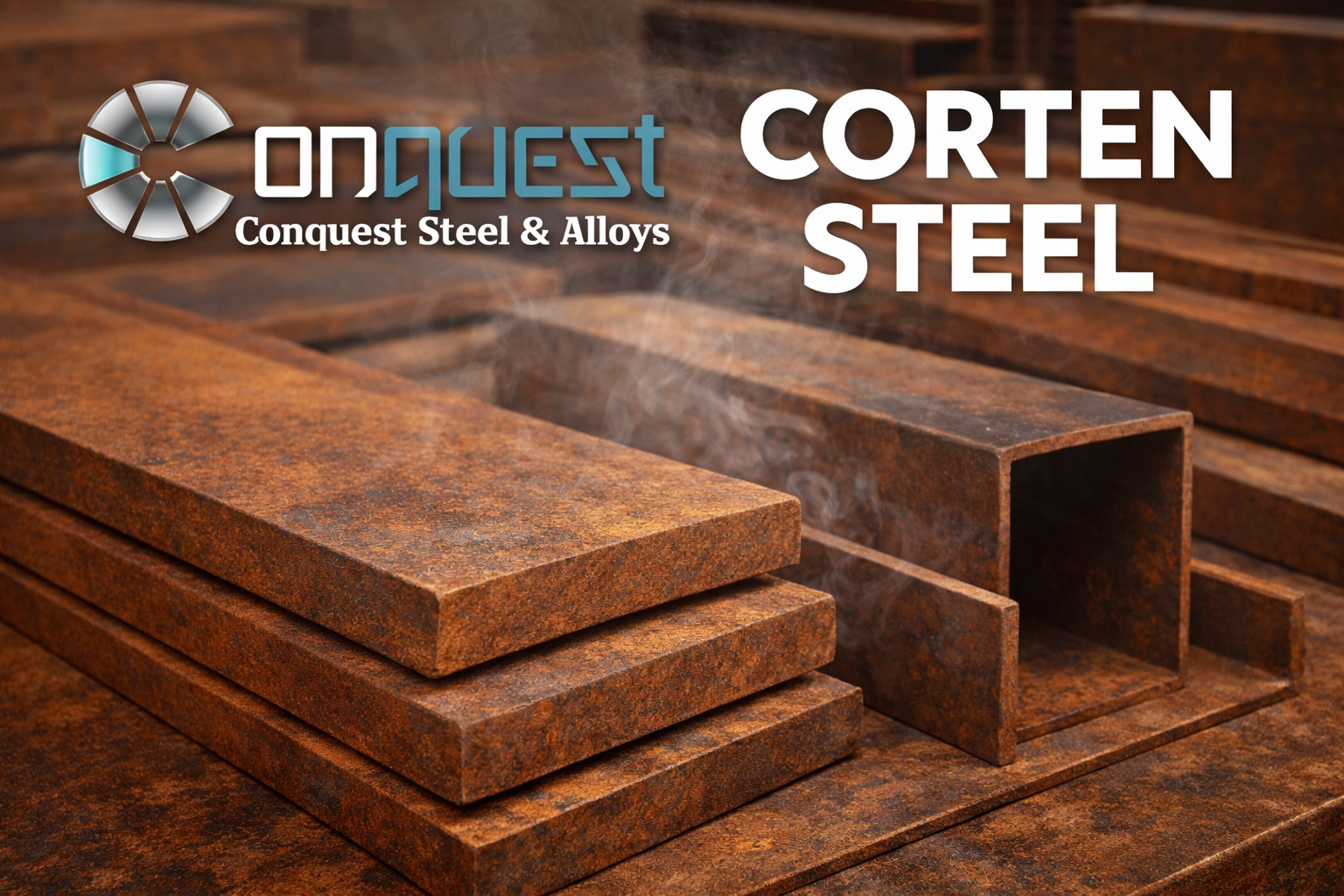
Is Corten Steel Truly Corrosion-Resistant? Science Behind Weathering Steel
Corten steel is often described as a “rusting steel that protects itself.” At first, this sounds contradictory — how can a material that rusts be corrosion-resistant? The answer lies in the unique science behind weathering steel, a special category of low-alloy steel designed to develop a protective surface layer that slows further corrosion.
Understanding how this process works helps architects, engineers, and buyers make informed decisions for outdoor structures, bridges, facades, landscaping elements, and industrial installations.
What is Corten Steel?
Corten steel, also known as weathering steel, is a group of alloy steels developed to eliminate the need for painting while improving atmospheric corrosion resistance. Unlike regular carbon steel that continues to deteriorate when exposed to moisture and air, Corten steel forms a stable outer layer — often called a patina — that protects the inner metal.
Its composition typically includes small amounts of:
-
Copper
-
Chromium
-
Nickel
-
Phosphorus
These elements work together to improve corrosion resistance and structural performance.
How Regular Steel Corrodes
To understand why Corten steel behaves differently, we first need to understand standard corrosion.
When ordinary steel is exposed to oxygen and moisture, iron reacts to form iron oxide — rust. This rust is:
-
Porous
-
Flaky
-
Weak
Because it doesn’t adhere tightly to the metal surface, moisture continues reaching the inner steel. The corrosion cycle repeats, causing gradual structural weakening.
This is why regular steel often requires protective coatings like paint or galvanization.
The Science Behind Corten Steel’s Protection
Corten steel follows the same initial oxidation process as regular steel — it rusts. But here’s where the science changes.
Stage 1: Initial Rusting
When exposed to the atmosphere, a surface layer of rust forms. At this point, it looks similar to ordinary corrosion.
Stage 2: Alloy Reaction
The alloying elements in Corten steel react with oxygen and moisture. This changes the structure of the rust layer.
Stage 3: Patina Formation
Instead of remaining loose and flaky, the rust transforms into a dense, tightly bonded oxide layer. This patina:
✔ Adheres strongly to the steel surface
✔ Prevents water and oxygen from penetrating deeper
✔ Slows down the corrosion rate dramatically
Once stabilized, the corrosion rate drops significantly compared to carbon steel.
Why the Patina Layer Matters
The protective patina is the key to Corten steel’s long lifespan. Unlike coatings that can chip or peel, this protective layer is:
-
Self-healing – If scratched, the surface reforms its protective layer
-
Low maintenance – No painting or re-coating required
-
Durable – Performs well in cyclic wet and dry conditions
This is why Corten steel is widely used in bridges, railway wagons, facades, sculptures, and outdoor structures.
Is Corten Steel Completely Rust-Proof?
No — and that’s an important distinction.
Corten steel is corrosion-resistant, not corrosion-proof. Its performance depends heavily on environmental conditions.
Ideal Conditions
Corten steel works best in environments with alternating wet and dry cycles. These cycles help the patina stabilize.
Challenging Conditions
It may not perform optimally in:
-
Constantly wet environments
-
Areas with trapped moisture
-
Coastal regions with high salt exposure
-
Submerged or underground applications
In such conditions, the protective patina may not form properly, and corrosion can continue.
Corrosion Rate Comparison
Studies show that once the patina stabilizes, the corrosion rate of Corten steel can be several times lower than that of ordinary carbon steel. Over decades, this translates to:
-
Longer structural life
-
Reduced maintenance costs
-
Lower lifecycle expenses
That’s why it’s a preferred material in infrastructure projects where repainting is expensive or difficult.
Structural Strength Alongside Corrosion Resistance
Corten steel doesn’t just resist atmospheric corrosion — it also provides:
-
High tensile strength
-
Good load-bearing capacity
-
Excellent weldability
This combination makes it both a structural and aesthetic material.
Aesthetic Advantage of Controlled Corrosion
The protective rust layer gives Corten steel its distinctive reddish-brown appearance, which evolves over time. Architects value this look for:
-
Modern facades
-
Landscaping features
-
Public art installations
-
Industrial-style designs
Unlike painted steel, the finish improves with age.
Maintenance Requirements
Although low maintenance, some considerations include:
-
Proper drainage design
-
Avoiding water traps
-
Preventing contact with sensitive surfaces (to avoid staining)
With correct design, maintenance remains minimal.
Final Verdict: Is Corten Steel Truly Corrosion-Resistant?
Yes — scientifically and practically, Corten steel offers superior atmospheric corrosion resistance compared to standard steel. Its protective patina slows further deterioration, making it a durable, low-maintenance, and visually appealing material for outdoor use.
However, its performance depends on the right environmental conditions and thoughtful design. When used appropriately, Corten steel can last for decades while maintaining both strength and character.
Categorias
Leia mais
Wagering has become a 2010 well-liked kind of entertainment for years and years, providing exhilaration, objectives, and also the potential of successful rewards. Out Slot of regular gambling house floors to contemporary electronic digital types, the actual gaming market has changed considerably, attracting a lot of participants worldwide. Even though it usually is interesting and...

A fresh anthology series is coming to Netflix, inspired by the legendary Dolly Parton's vast catalog of songs. Each installment of the show will explore a different story, with every episode rooted in one of her beloved tracks. Dolly Parton will take on multiple roles in the project—serving as a singer and songwriter, executive producer, and making special appearances throughout the...

A well-maintained environment is essential for organizations that want to operate efficiently and leave a lasting positive impression. Cleanliness affects how people perceive a space and how comfortably they can function within it. From corporate offices to commercial buildings, consistent cleaning practices contribute to smoother workflows and stronger reputations. This article explores the...

Telegram firmly denies any association between its operations and Russian intelligence agencies. Claims surfaced from an investigative report suggesting Telegram's server infrastructure might be overseen by an individual connected to Russia's FSB. The messaging platform clarified that all its servers are exclusively owned and managed internally by Telegram employees, preventing any...

Hemp Vital Gummies Australia@:- are edible supplements infused with hemp extract, typically derived from the hemp plant. These gummies are designed to provide the potential benefits of hemp in a simple, chewable form. Unlike oils or capsules, gummies are easy to consume and often come in pleasant flavors, making them a popular choice among users. OFFICIAL FB >>...