
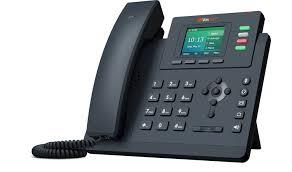
Understanding Modern Telephony Equipment
Telephony equipment forms the backbone of voice communication for businesses and individuals alike. From traditional desk phones to advanced VoIP systems, these tools enable seamless communication across offices, cities, and even continents. As technology evolves, telephony solutions have shifted from analog systems to digital and cloud-based platforms, offering greater flexibility and efficiency.
Understanding telephony equipment is essential for organizations that want reliable communication, improved customer service, and scalable infrastructure.
Types of Telephony Equipment
Traditional PBX Systems
Private Branch Exchange (PBX) systems were once the standard for office communication. These systems connect internal office phones and manage incoming and outgoing calls through a central unit. While traditional PBX systems rely on physical wiring and on-site hardware, they still serve many businesses that prefer stable, in-house control over communications.
VoIP Phone Systems
Voice over Internet Protocol (VoIP) has transformed telephony equipment. Instead of using traditional phone lines, VoIP transmits voice data over the internet. This technology reduces costs, improves call quality, and supports advanced features such as call forwarding, voicemail-to-email, and video conferencing. VoIP systems are especially popular among growing businesses due to their scalability and flexibility.
IP Phones and Softphones
IP phones look similar to traditional desk phones but operate over internet networks. Softphones, on the other hand, are software-based applications installed on computers or mobile devices. Both options allow employees to communicate from virtually anywhere, supporting remote and hybrid work environments.
Key Components of Telephony Systems
Telephony equipment typically includes desk phones, headsets, routers, switches, and gateways. In modern setups, session border controllers and cloud-based servers also play a critical role in maintaining secure and high-quality communication.
Reliable networking equipment is essential for optimal performance. Without proper bandwidth and infrastructure, even the most advanced telephony system may experience dropped calls or poor audio quality.
Benefits of Modern Telephony Equipment
Upgrading to modern telephony equipment offers several advantages. Businesses can reduce operational costs, especially when switching from traditional landlines to VoIP systems. Advanced features improve productivity, allowing teams to manage calls efficiently and collaborate more effectively.
Scalability is another major benefit. As companies grow, they can easily add new users and features without investing in extensive physical infrastructure. Cloud-based systems also provide better disaster recovery options, ensuring communication remains active during unexpected disruptions.
Choosing the Right Telephony Solution
Selecting the right telephony equipment depends on business size, budget, and communication needs. Small businesses may benefit from cloud-based VoIP solutions, while larger enterprises might require more complex unified communication systems.
Evaluating current infrastructure, future growth plans, and support requirements can help organizations make informed decisions. With the right telephony equipment in place, businesses can enhance customer interactions, strengthen internal collaboration, and build a reliable communication foundation for long-term success.
Categories
Read More
Out of the numerous escort services in Dubai, we offer an unparalleled experience. Confidentiality, safety, and quality are our main concerns. Every experience with us is taken care of with the utmost care and respect, ensuring an impeccable experience. Our website is built to give you the best experience possible. We have handpicked our models to ensure they meet your expectations. Our models...

According to the latest report published by Data Bridge Market Research, the Yoga Bar Market The global yoga bar market size was valued at USD 2.46 billion in 2024 and is projected to reach USD 5.04 billion by 2032, with a CAGR of 9.40% during the forecast period of 2025 to 2032. In addition to the insights on market scenarios such as market value, growth rate, segmentation,...

Exploring the Different Types of Mortgage Loans Available to Homebuyers Mortgage loans are essential financial tools that enable individuals and families to purchase homes without needing to pay the full price upfront. These loans come in various forms, each designed to cater to specific financial situations and long-term goals. Fixed-rate mortgages provide stability by maintaining the same...

Dicing Blade Market, valued at a robust USD 384 million in 2026, is on a consistent growth trajectory, projected to reach USD 524 million by 2034. This expansion, representing a compound annual growth rate (CAGR) of 4.7%, is detailed in a comprehensive new report published by Semiconductor Insight. The study highlights the indispensable role these precision cutting tools play in the...
Polaris Market Research has introduced the latest market research report titled Gas Sensor Market Size, Share, Trends, Industry Analysis Report: By Product, Type (Wired and Wireless), Technology, End Use, and Region (North America, Europe, Asia Pacific, Latin America, and Middle East & Africa) – Market Forecast, 2025–2034 that highlights the major revenue stream for...