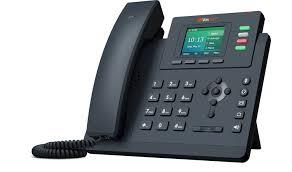
Understanding Modern Telephony Equipment
Telephony equipment forms the backbone of voice communication for businesses and individuals alike. From traditional desk phones to advanced VoIP systems, these tools enable seamless communication across offices, cities, and even continents. As technology evolves, telephony solutions have shifted from analog systems to digital and cloud-based platforms, offering greater flexibility and efficiency.
Understanding telephony equipment is essential for organizations that want reliable communication, improved customer service, and scalable infrastructure.
Types of Telephony Equipment
Traditional PBX Systems
Private Branch Exchange (PBX) systems were once the standard for office communication. These systems connect internal office phones and manage incoming and outgoing calls through a central unit. While traditional PBX systems rely on physical wiring and on-site hardware, they still serve many businesses that prefer stable, in-house control over communications.
VoIP Phone Systems
Voice over Internet Protocol (VoIP) has transformed telephony equipment. Instead of using traditional phone lines, VoIP transmits voice data over the internet. This technology reduces costs, improves call quality, and supports advanced features such as call forwarding, voicemail-to-email, and video conferencing. VoIP systems are especially popular among growing businesses due to their scalability and flexibility.
IP Phones and Softphones
IP phones look similar to traditional desk phones but operate over internet networks. Softphones, on the other hand, are software-based applications installed on computers or mobile devices. Both options allow employees to communicate from virtually anywhere, supporting remote and hybrid work environments.
Key Components of Telephony Systems
Telephony equipment typically includes desk phones, headsets, routers, switches, and gateways. In modern setups, session border controllers and cloud-based servers also play a critical role in maintaining secure and high-quality communication.
Reliable networking equipment is essential for optimal performance. Without proper bandwidth and infrastructure, even the most advanced telephony system may experience dropped calls or poor audio quality.
Benefits of Modern Telephony Equipment
Upgrading to modern telephony equipment offers several advantages. Businesses can reduce operational costs, especially when switching from traditional landlines to VoIP systems. Advanced features improve productivity, allowing teams to manage calls efficiently and collaborate more effectively.
Scalability is another major benefit. As companies grow, they can easily add new users and features without investing in extensive physical infrastructure. Cloud-based systems also provide better disaster recovery options, ensuring communication remains active during unexpected disruptions.
Choosing the Right Telephony Solution
Selecting the right telephony equipment depends on business size, budget, and communication needs. Small businesses may benefit from cloud-based VoIP solutions, while larger enterprises might require more complex unified communication systems.
Evaluating current infrastructure, future growth plans, and support requirements can help organizations make informed decisions. With the right telephony equipment in place, businesses can enhance customer interactions, strengthen internal collaboration, and build a reliable communication foundation for long-term success.
Категории
Больше
The European Commission has opened scrutiny of Italy’s “piracy shield,” warning it could conflict with the EU Digital Services Act and fundamental rights protected by the EU Charter. On June 13, 2025 the Commission sent a formal letter to Foreign Minister Antonio Tajani requesting clarification on whether Italy’s measures comply with DSA rules. Rome’s anti-piracy...
To select the right assignment writing service in the UAE, students must consider the following points: ● Writer’s qualification: ensure the service uses subject-matter experts with advanced degrees (master’s or PhD). ● Authentic reviews: check verified third-party platforms like TrustPilot for...
To fully comprehend the music production software market, it is essential to segment it into its primary and supporting Music Production Software Market Types, as each serves a distinct but interconnected function in the creative process. The foundational and most recognizable market type is the Digital Audio Workstation (DAW). The DAW is the central hub, the virtual studio environment...
Modern industries operate with highly interconnected process systems where piping infrastructure plays a major role in maintaining efficiency, safety, and production continuity. Industrial facilities handling chemicals, water, process fluids, and utility lines require piping systems that deliver reliable performance under continuous operating conditions. Because of this, industries increasingly...
As Per Market Research Future, the Ball Bearing Market Share is becoming increasingly competitive, with key players focusing on innovation and strategic partnerships to capture a larger share. The dynamics of market share are influenced by factors such as technological advancements, regional developments, and product differentiation. Leading manufacturers are investing in marketing strategies...