Introduction to GMP Certification
GMP certification refers to Good Manufacturing Practice, a globally recognized system that ensures products are consistently produced and controlled according to quality standards. It is especially crucial in industries such as pharmaceuticals, food, cosmetics, and medical devices, where safety and quality directly impact consumer health. GMP certification demonstrates that an organization follows strict manufacturing processes, hygiene practices, documentation procedures, and quality control systems that meet regulatory expectations and international benchmarks.
Importance of GMP Certification for Businesses
GMP certification plays a vital role in building trust among customers, regulators, and stakeholders. It assures that products are manufactured in a clean, controlled, and well-monitored environment, minimizing risks of contamination, errors, and defects. Organizations certified under GMP gain a competitive advantage in both local and international markets. Regulatory bodies such as the World Health Organization and the Food and Drug Administration emphasize GMP compliance as a key requirement for product safety and quality assurance.
Key Requirements of GMP Certification
To achieve GMP certification, companies must implement structured procedures covering personnel training, equipment maintenance, sanitation, documentation, and quality assurance. Proper facility design, validated processes, and consistent record-keeping are essential components of compliance. Organizations must also establish Standard Operating Procedures (SOPs) and ensure traceability throughout the production cycle. Regular internal audits and risk assessments help maintain ongoing compliance and continuous improvement.
GMP Certification Process
The GMP certification process typically begins with a gap analysis to identify areas that need improvement. This is followed by the development of quality management systems and staff training. Once the organization is prepared, an external certification body conducts an audit to evaluate compliance with GMP standards. If the company meets all requirements, certification is granted. Periodic surveillance audits are conducted to ensure ongoing adherence to GMP guidelines and regulatory standards.
Benefits of GMP Certification
GMP certification offers numerous benefits, including enhanced product quality, improved operational efficiency, and reduced risk of recalls or regulatory penalties. It strengthens brand reputation and increases customer confidence by demonstrating a commitment to safety and consistency. Additionally, it facilitates smoother entry into global markets, as many international buyers and regulators require GMP compliance before approving suppliers or products.
Industries That Require GMP Certification
Several industries rely heavily on GMP certification, including pharmaceuticals, food processing, nutraceuticals, cosmetics, and biotechnology. In these sectors, maintaining product integrity and safety is critical, making GMP a fundamental requirement rather than an optional standard. By implementing GMP practices, organizations ensure regulatory compliance while delivering high-quality products that meet consumer and market expectations.
Nach Verein filtern
Read More
Investment Trends in the Germany Aluminum Market Market Overview For investors in the metals and industrial sector, the Germany aluminum market presents a compelling opportunity. The market combines robust growth, favorable structural trends, and exposure to the country's economic engine—automotive, construction, and manufacturing. The essential nature of aluminum for these sectors...
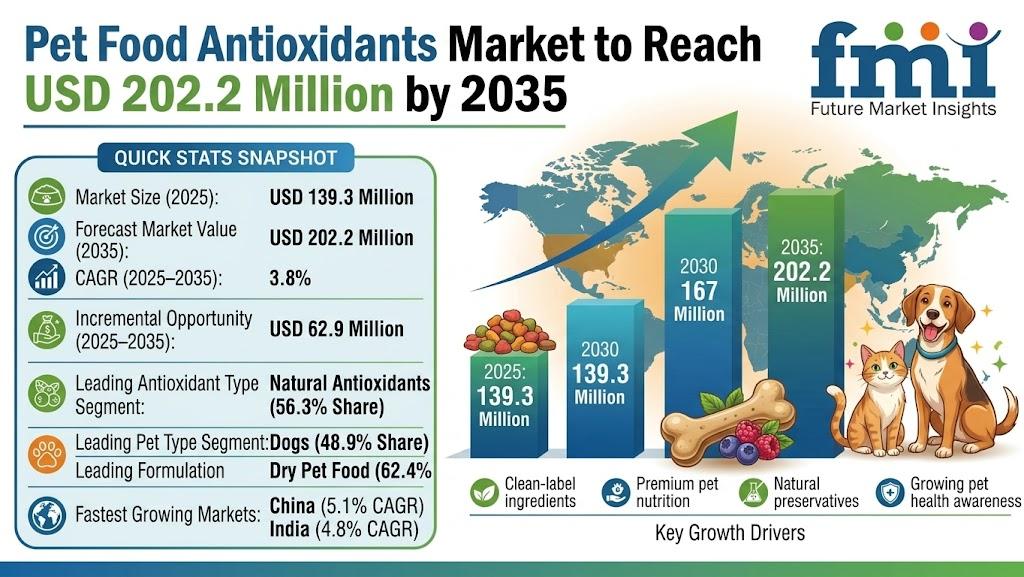
NEWARK, Del., Jun. 5, 2026 — The global Pet Food Antioxidants Market is projected to witness steady growth over the next decade, with market value expected to increase from USD 139.3 million in 2025 to USD 202.2 million by 2035, registering a CAGR of 3.8% during the forecast period, according to Future Market Insights (FMI). Growing awareness of pet health and nutrition, increasing...
Executive Summary Cooking Hood Market Size and Share Analysis Report The global cooking hood market size was valued at USD 13.03 billion in 2024 and is expected to reach USD 22.42 billion by 2032, at a CAGR of 8.7% during the forecast period. Businesses are very much depending on the diverse segments involved in the market research report as it offers...
According to the latest report published by Data Bridge Market Research, the Life Support Equipment Market CAGR Value The Life Support Equipment Market document has wide-ranging and comprehensive market insights which are based on business intelligence. Competitive analysis is the major aspect of any market research report and by understanding this, many points are covered...
When it comes to men’s reproductive and sexual health, finding the right care provider is essential for effective diagnosis, treatment and long-term wellbeing. Whether you’re facing fertility concerns, hormonal imbalances or other issues affecting male reproductive health, selecting the right andrology treatment centre in Kolkata can make a meaningful difference in your health...