


Minerals – Complete Guide to Essential Mineral Health
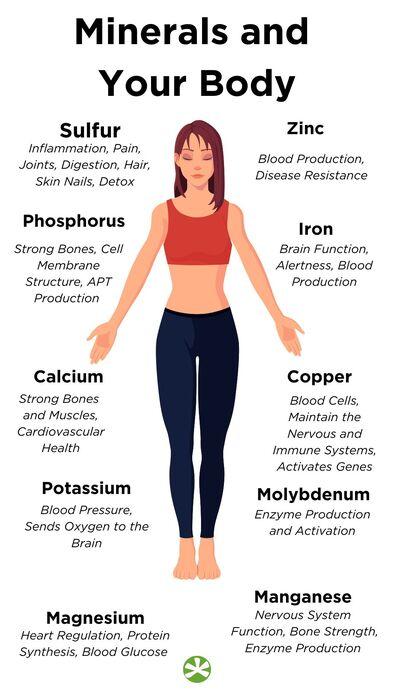
Minerals are fundamental nutrients required for maintaining overall body function, strength, and long-term wellness. Unlike vitamins, minerals are inorganic elements that originate from soil, water, and natural food sources. The human body cannot produce minerals on its own, making it essential to obtain them through diet and nutrition.
Minerals play a critical role in supporting bone strength, nerve signaling, muscle function, hormone balance, and immune defense. They also assist in energy production, enzyme function, and maintaining healthy metabolism. Even small mineral imbalances can affect overall health and lead to fatigue, weak immunity, or bone weakness.
Understanding how minerals work and how to maintain proper mineral balance is essential for optimal health, energy, and disease prevention.
What Are Minerals?
Minerals are naturally occurring nutrients that support multiple biological functions. They help maintain structural strength, support chemical reactions in the body, and regulate fluid balance.
Minerals are divided into two major categories:
Macro Minerals
These are required in larger amounts.
Calcium
Magnesium
Potassium
Sodium
Phosphorus
Trace Minerals
These are required in smaller amounts but are equally important.
Iron
Zinc
Iodine
Selenium
Copper
Manganese
Each mineral performs specific functions, and deficiency in any one can disrupt body processes.
Why Mineral Health Is Important
Maintaining proper mineral levels supports:
Strong bones and teeth
Healthy muscle contractions
Efficient nerve signaling
Balanced hormone production
Stronger immune function
Better energy metabolism
Without adequate minerals, the body cannot perform essential biological processes effectively.
How Minerals Support Body Functions
Bone and Skeletal Health
Calcium and phosphorus build and maintain bone structure.
Muscle and Nerve Function
Magnesium and potassium regulate muscle contraction and nerve signals.
Oxygen Transport
Iron supports red blood cell production and oxygen delivery.
Thyroid Function
Iodine supports hormone production and metabolic control.
Common Causes of Mineral Deficiency
Poor diet quality
Excess processed food intake
Digestive absorption problems
Chronic stress
Certain medications
Hormonal imbalance
Early detection of deficiency helps prevent long-term health complications.
Signs of Mineral Deficiency
Chronic fatigue
Muscle cramps
Weak bones
Hair thinning
Poor immunity
Slow wound healing
Hormonal imbalance
Nerve tingling
Recognizing early symptoms allows faster correction through diet and supplementation.
Best Mineral Rich Foods
Dairy Products
Milk
Cheese
Yogurt
Green Vegetables
Spinach
Broccoli
Kale
Nuts and Seeds
Almonds
Pumpkin seeds
Sunflower seeds
Whole Grains
Brown rice
Oats
Quinoa
Seafood
Fish
Shellfish
Legumes
Lentils
Chickpeas
Beans
Role of Minerals in Energy Production
Minerals act as cofactors for enzymes that convert food into usable energy. Magnesium, iron, and zinc support cellular energy production and metabolic efficiency.
Role of Minerals in Immune Support
Zinc supports immune cell activity.
Selenium protects against oxidative damage.
Iron supports immune cell development.
Adequate mineral intake strengthens immune response and infection resistance.
How Lifestyle Affects Mineral Balance
Hydration
Water supports mineral transport and electrolyte balance.
Exercise
Supports mineral absorption and metabolism.
Sleep
Supports hormone balance affecting mineral utilization.
Mineral Supplements: When Are They Needed?
Supplements may help when:
Diet is insufficient
Medical conditions affect absorption
Increased physical stress occurs
Pregnancy or aging increases demand
Supplements should always support—not replace—healthy diet habits.
Maintaining Healthy Mineral Balance
Eat diverse whole foods
Avoid excessive processed foods
Stay hydrated
Manage stress
Follow regular health checkups
Long Term Mineral Health Strategy
Focus on consistency in nutrition and lifestyle. Mineral balance is maintained through daily habits, not short-term solutions.
Future Trends in Mineral Nutrition
Personalized nutrition planning
Bioavailable mineral supplements
Plant-based mineral sources
Functional nutrition strategies
Conclusion
Minerals are essential for maintaining overall health, energy, and body balance. They support bone strength, muscle function, immunity, metabolism, and hormone regulation. Maintaining proper mineral intake through a balanced diet, hydration, and healthy lifestyle habits is critical for long-term wellness.
Understanding mineral importance allows individuals to make better nutritional choices and maintain a stronger, healthier body.
Categories
Read More
Joint pain is a common concern affecting people of all ages, especially due to lifestyle changes, long working hours, and lack of physical activity. Many individuals today seek natural and long-lasting solutions instead of temporary relief. If you are searching for Joint Pain Treatment in saroornagar ,hyderabad, choosing a holistic approach can make a significant difference. Ayurveda focuses on...

INTRODUCTION In modern healthcare infrastructure, ensuring safety, sterility, and compliance is essential—especially in surgical environments like ophthalmic operation theatres. An Ophthalmic Modular OT With Laminar Airflow is designed to maintain ultra-clean conditions for delicate eye procedures, but its effectiveness depends heavily on meeting strict certifications and regulatory...

When you choose to buy underwear from a brand like Kiko Riko, you expect softness, comfort and durability — and those qualities can last much longer if you wash and care for them properly. This guide covers practical, essential tips for washing and caring for Girls Briefs (front and back), so they stay comfortable, hygienic and in good shape for repeated use. Why Care Matters Underwear...

Finding the right life partner begins with choosing the right place to search. With so many online matchmaking websites available today, it can be difficult to decide which one truly meets your expectations. While every matrimony platform claims to offer the best matches, the reality is that not all platforms provide the same level of trust, security, features, or user experience. A...

Relocating an office is a major business decision that requires careful planning, secure transportation, and minimal disruption to daily operations. A professional office relocation service helps businesses move furniture, computers, documents, office equipment, and other valuable assets safely and efficiently. Whether you are relocating to a larger office, opening a new branch, or...
