


Minerals – Complete Guide to Essential Mineral Health
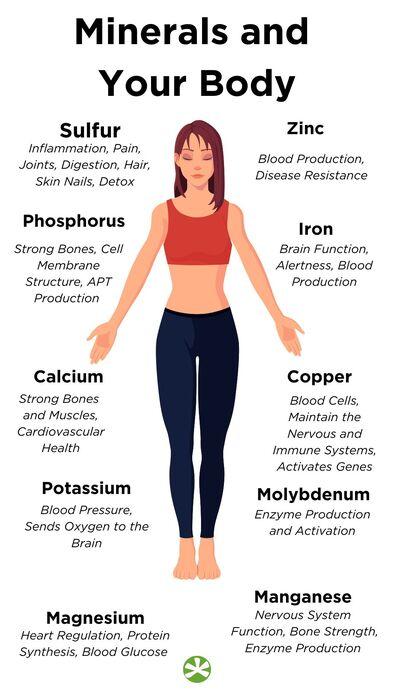
Minerals are fundamental nutrients required for maintaining overall body function, strength, and long-term wellness. Unlike vitamins, minerals are inorganic elements that originate from soil, water, and natural food sources. The human body cannot produce minerals on its own, making it essential to obtain them through diet and nutrition.
Minerals play a critical role in supporting bone strength, nerve signaling, muscle function, hormone balance, and immune defense. They also assist in energy production, enzyme function, and maintaining healthy metabolism. Even small mineral imbalances can affect overall health and lead to fatigue, weak immunity, or bone weakness.
Understanding how minerals work and how to maintain proper mineral balance is essential for optimal health, energy, and disease prevention.
What Are Minerals?
Minerals are naturally occurring nutrients that support multiple biological functions. They help maintain structural strength, support chemical reactions in the body, and regulate fluid balance.
Minerals are divided into two major categories:
Macro Minerals
These are required in larger amounts.
Calcium
Magnesium
Potassium
Sodium
Phosphorus
Trace Minerals
These are required in smaller amounts but are equally important.
Iron
Zinc
Iodine
Selenium
Copper
Manganese
Each mineral performs specific functions, and deficiency in any one can disrupt body processes.
Why Mineral Health Is Important
Maintaining proper mineral levels supports:
Strong bones and teeth
Healthy muscle contractions
Efficient nerve signaling
Balanced hormone production
Stronger immune function
Better energy metabolism
Without adequate minerals, the body cannot perform essential biological processes effectively.
How Minerals Support Body Functions
Bone and Skeletal Health
Calcium and phosphorus build and maintain bone structure.
Muscle and Nerve Function
Magnesium and potassium regulate muscle contraction and nerve signals.
Oxygen Transport
Iron supports red blood cell production and oxygen delivery.
Thyroid Function
Iodine supports hormone production and metabolic control.
Common Causes of Mineral Deficiency
Poor diet quality
Excess processed food intake
Digestive absorption problems
Chronic stress
Certain medications
Hormonal imbalance
Early detection of deficiency helps prevent long-term health complications.
Signs of Mineral Deficiency
Chronic fatigue
Muscle cramps
Weak bones
Hair thinning
Poor immunity
Slow wound healing
Hormonal imbalance
Nerve tingling
Recognizing early symptoms allows faster correction through diet and supplementation.
Best Mineral Rich Foods
Dairy Products
Milk
Cheese
Yogurt
Green Vegetables
Spinach
Broccoli
Kale
Nuts and Seeds
Almonds
Pumpkin seeds
Sunflower seeds
Whole Grains
Brown rice
Oats
Quinoa
Seafood
Fish
Shellfish
Legumes
Lentils
Chickpeas
Beans
Role of Minerals in Energy Production
Minerals act as cofactors for enzymes that convert food into usable energy. Magnesium, iron, and zinc support cellular energy production and metabolic efficiency.
Role of Minerals in Immune Support
Zinc supports immune cell activity.
Selenium protects against oxidative damage.
Iron supports immune cell development.
Adequate mineral intake strengthens immune response and infection resistance.
How Lifestyle Affects Mineral Balance
Hydration
Water supports mineral transport and electrolyte balance.
Exercise
Supports mineral absorption and metabolism.
Sleep
Supports hormone balance affecting mineral utilization.
Mineral Supplements: When Are They Needed?
Supplements may help when:
Diet is insufficient
Medical conditions affect absorption
Increased physical stress occurs
Pregnancy or aging increases demand
Supplements should always support—not replace—healthy diet habits.
Maintaining Healthy Mineral Balance
Eat diverse whole foods
Avoid excessive processed foods
Stay hydrated
Manage stress
Follow regular health checkups
Long Term Mineral Health Strategy
Focus on consistency in nutrition and lifestyle. Mineral balance is maintained through daily habits, not short-term solutions.
Future Trends in Mineral Nutrition
Personalized nutrition planning
Bioavailable mineral supplements
Plant-based mineral sources
Functional nutrition strategies
Conclusion
Minerals are essential for maintaining overall health, energy, and body balance. They support bone strength, muscle function, immunity, metabolism, and hormone regulation. Maintaining proper mineral intake through a balanced diet, hydration, and healthy lifestyle habits is critical for long-term wellness.
Understanding mineral importance allows individuals to make better nutritional choices and maintain a stronger, healthier body.
Categorias
Leia Mais
Гумор завжди починається з простого спостереження за життям. Те, що здається буденним, у правильному контексті може перетворитися на смішну історію, яка викликає усмішку навіть у найсерйозніший день. Саме на цьому принципі працює 515 Jokes, коли формує добірки анекдотів про жінок — не як окрему «тему», а як частину щоденних людських ситуацій, у яких кожен може впізнати...

" Pasta Filata Cheese Market Summary: According to the latest report published by Data Bridge Market Research, the Pasta Filata Cheese Market The global pasta filata cheese market size was valued at USD 61.26 billion in 2025 and is expected to reach USD 71.77 billion by 2033, at a CAGR of 2.00% during the forecast period Pasta Filata Cheese Market report is a window to the industry...
" According to the latest report published by Data Bridge Market Research, the Potato Starch Market CAGR Value The global potato starch market size was valued at USD 4.55 billion in 2025 and is expected to reach USD 7.83 billion by 2033, at a CAGR of 7.00% during the forecast period Getting thoughtful about competitive landscape is another...
I didn’t plan to meet Megabonk. Like most things that consume your waking hours without asking permission, it arrived disguised as a joke—a garish title, a splash of absurdity, and a promise of nothing serious. It was a Saturday morning in the spring of 2026 when I clicked “download” on what I assumed would be a fleeting distraction, an appetizer before the main course...

"Key Drivers Impacting Executive Summary U.S. Healthcare Analytics Market Size and Share CAGR Value Data Bridge Market Research analyses that the U.S. healthcare analytics market which was USD 6.43 billion in 2022, and is expected to reach USD 13.49 billion by 2030, and is expected to undergo a CAGR of 10.2% during the forecast period of 2023 to 2030. This global U.S. Healthcare...