


How Are CIOs in Riyadh Evaluating ERP Partners Differently Than Before?

Enterprise technology decisions in Saudi Arabia are no longer what they used to be. A decade ago, selecting an ERP partner was often a procurement-led exercise focused on cost, implementation timelines, and vendor reputation. Today, in Riyadh’s evolving digital landscape, CIOs approach ERP partnerships with a fundamentally different mindset.
Across the Gulf, organizations comparing enterprise platforms — whether reviewing large-scale transformation programs or assessing regional solutions like Accounting software in UAE — are rethinking what long-term system partnerships should look like. In Riyadh, especially, ERP selection has moved beyond software functionality. It has become a strategic evaluation of capability, compliance alignment, and transformation readiness.
So what exactly has changed?
ERP Is No Longer Just an IT Project
One of the most significant shifts is the repositioning of ERP within the organization. Previously, ERP implementations were treated as backend modernization initiatives. Today, Riyadh-based CIOs view ERP as the digital backbone of the enterprise.
This shift means ERP partners are no longer evaluated solely on technical deployment skills. Instead, CIOs want partners who understand business models, regulatory exposure, financial structures, and industry-specific complexities.
The question is no longer: Can this partner implement the system?
It has become: Can this partner help us transform how we operate?
That distinction changes everything about the evaluation process.
Alignment With National Digital Priorities
Riyadh sits at the heart of Saudi Arabia’s economic transformation. Under Saudi Vision 2030, organizations are expected to operate with greater transparency, efficiency, and digital accountability.
CIOs now assess ERP partners based on how well they understand this national context. A capable partner must demonstrate familiarity with:
-
ZATCA e-invoicing requirements
-
VAT reporting structures
-
Data localization considerations
-
Public sector procurement frameworks
-
Industry-specific regulatory compliance
Earlier, global ERP credentials alone might have been sufficient. Today, local regulatory fluency is non-negotiable.
From Vendor to Strategic Advisor
Another major shift is the expectation of advisory depth. CIOs in Riyadh are increasingly wary of partners who position themselves purely as software resellers.
They are looking for firms that can:
-
Map ERP architecture to long-term business strategy
-
Provide risk assessments before implementation
-
Offer change management frameworks
-
Align ERP roadmaps with scalability goals
In other words, ERP partners are now expected to sit at the strategy table, not just the implementation workshop.
The modern CIO wants foresight — not just configuration support.
Greater Scrutiny on Industry Experience
Riyadh’s enterprise landscape has grown more complex, particularly in sectors like real estate development, giga-project management, manufacturing, and financial services.
As a result, CIOs are placing greater weight on industry specialization. A generic ERP partner with cross-sector experience is no longer enough. Decision-makers want proof of success within similar operational environments.
For example, implementing ERP in a large construction conglomerate requires understanding project-based accounting, contract retention structures, and procurement workflows that differ significantly from retail or healthcare.
Today’s evaluation process includes deeper due diligence:
-
Reviewing case studies
-
Interviewing existing clients
-
Examining post-implementation support models
-
Assessing long-term upgrade capability
ERP failures are costly — both financially and reputationally — and CIOs are no longer willing to take that risk lightly.
Focus on Post-Implementation Sustainability
Historically, many ERP partnerships were judged by how quickly the system went live. Now, the real measurement begins after go-live.
Riyadh-based CIOs are asking new questions:
-
What happens after stabilization?
-
How will performance optimization be handled?
-
Is there a roadmap for continuous improvement?
-
How are system updates and regulatory changes managed?
This reflects a more mature understanding of ERP as a living ecosystem rather than a one-time deployment.
Partners who cannot demonstrate structured support frameworks and long-term engagement models often struggle to pass evaluation committees.
Cloud Strategy and Cybersecurity Evaluation
The rapid growth of cloud adoption in Saudi Arabia has added another dimension to ERP partner selection.
CIOs are carefully assessing:
-
Cloud hosting models
-
Data security protocols
-
Disaster recovery planning
-
Business continuity structures
Cybersecurity is now central to enterprise architecture discussions. With increasing digitization and regulatory oversight, CIOs cannot afford exposure to data breaches or compliance lapses.
ERP partners must prove not only technical competence but also robust security governance.
Emphasis on Integration Capability
Modern enterprises operate across multiple systems — CRM platforms, procurement tools, HR systems, analytics dashboards, and industry-specific applications.
CIOs in Riyadh are evaluating ERP partners based on integration capability. The selected partner must demonstrate expertise in:
-
API architecture
-
Data migration strategies
-
Legacy system integration
-
Multi-entity consolidation
A technically strong ERP platform means little if it cannot connect seamlessly to the broader digital ecosystem.
Commercial Transparency and Governance
Cost structures have also come under tighter scrutiny. CIOs are increasingly collaborating with CFOs and procurement heads to evaluate:
-
Licensing transparency
-
Implementation cost breakdown
-
Hidden customization risks
-
Long-term total cost of ownership
In the past, initial pricing often dominated vendor selection. Today, Riyadh’s enterprise leaders examine lifecycle cost, scalability implications, and vendor dependency risks.
ERP partnerships are long-term commitments, and governance expectations have matured accordingly.
Cultural Fit and Local Presence
An often underestimated factor is cultural alignment. CIOs prefer partners with a strong local presence in Riyadh — not just remote regional offices.
Why? Transformation initiatives require close collaboration, executive workshops, and stakeholder engagement across departments. Partners must understand local business culture, decision hierarchies, and communication styles.
This shift reflects a broader trend: technology partnerships are becoming relationship-driven rather than transaction-driven.
Data-Driven Evaluation Processes
Finally, the evaluation process itself has become more structured.
CIOs are using formalized scoring frameworks that assess:
-
Technical capability
-
Industry alignment
-
Compliance readiness
-
Support infrastructure
-
Strategic advisory capacity
Decision-making committees often include finance leaders, compliance officers, operations heads, and even board-level representatives.
ERP selection in Riyadh has evolved into a cross-functional governance exercise rather than an isolated IT procurement decision.
What This Means for ERP Providers
For ERP vendors and implementation partners, the message is clear. The Riyadh market demands more than technical certification. It requires:
-
Regulatory expertise
-
Industry specialization
-
Strategic advisory skills
-
Transparent commercial models
-
Long-term partnership commitment
CIOs are no longer searching for vendors. They are selecting transformation allies.
Looking Ahead
As Saudi Arabia continues its economic diversification and digital expansion, ERP systems — including enterprise platforms such as SAP ERP Software — will remain central to business growth. However, the way CIOs evaluate implementation partners and technology providers will continue to evolve.
Expect deeper risk analysis, stronger compliance scrutiny, and greater emphasis on measurable business impact. The era of surface-level vendor selection is over.
In Riyadh’s boardrooms, ERP partnerships are being examined with sharper questions, broader stakeholder involvement, and a long-term strategic lens.
For organizations seeking to enter or expand within the Saudi market, understanding this shift is critical. Because in today’s environment, winning an ERP contract in Riyadh requires more than technical capability — it requires trust, foresight, and proven transformation expertise.
Categorie
Leggi tutto
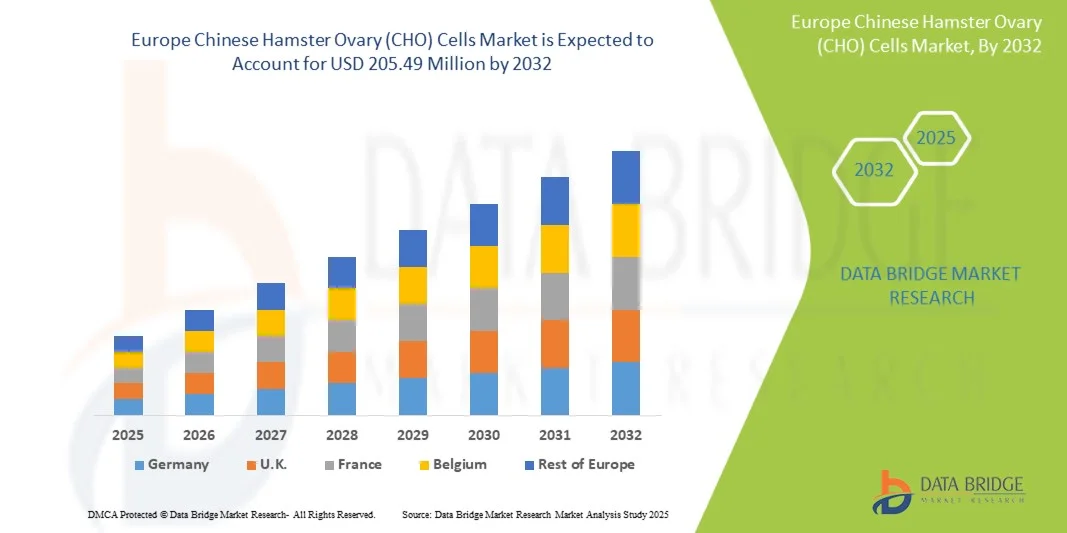
"Europe Chinese Hamster Ovary (CHO) Cells Market Summary: According to the latest report published by Data Bridge Market Research, the Europe Chinese Hamster Ovary (CHO) Cells Market The Europe Chinese Hamster Ovary (CHO) Cells Market was valued at USD 115.60 milion in 2024 and is expected to reach USD 205.49 million by 2032, at a CAGR of 10.1% during the...
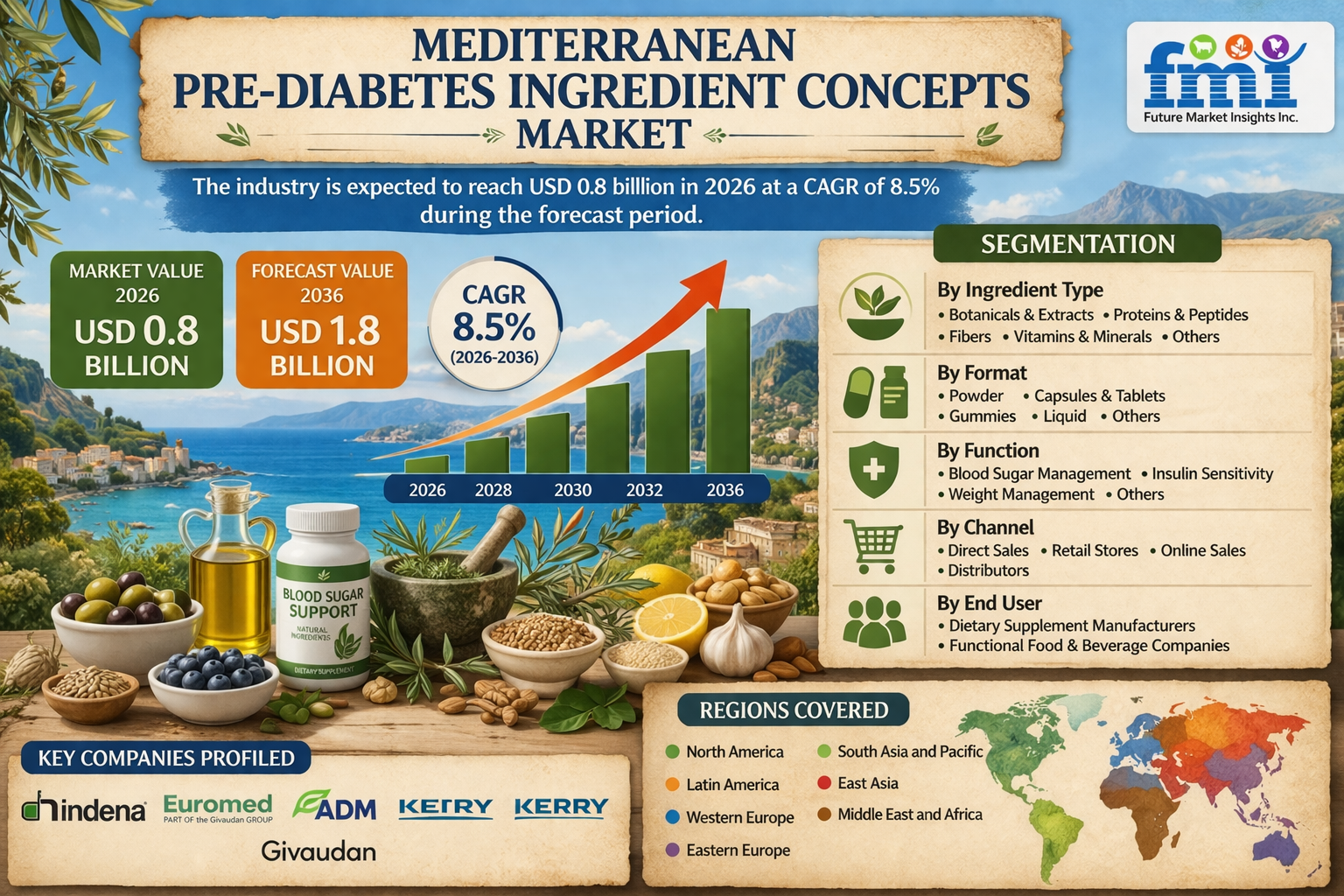
NEWARK, DELAWARE | April 2, 2026 — The global Mediterranean pre-diabetes ingredient concepts market is undergoing a rigorous evolution, maturing from traditional dietary interest into a data-driven nutraceutical powerhouse. Valued at USD 700 million in 2025, the market is projected to grow to USD 800 million in 2026. According to the latest strategic...
The Mammography Market is witnessing remarkable growth as healthcare providers across the world focus on early breast cancer detection. Mammography remains one of the most reliable imaging technologies for identifying breast abnormalities before symptoms appear. Growing awareness about preventive healthcare, increasing breast cancer cases, and continuous technological innovation...

Nerve health plays a crucial role in how the body functions every day. From movement and coordination to sensation, communication, and even emotional balance, the nervous system is responsible for controlling nearly every aspect of human activity. However, many individuals experience nerve-related discomfort due to aging, stress, nutritional deficiencies, poor circulation, or lifestyle...

Upgrading your character efficiently in Diablo 4 is not just about acquiring stronger gear—it’s about knowing how to use resources, optimize progression, and avoid wasting valuable upgrades. When players decide to Buy Diablo-4-Items, the real advantage comes from having a structured upgrade path that turns raw items into long-term power gains. A smart progression...
