Commercial Electrical Maintenance Tips Every Business Needs
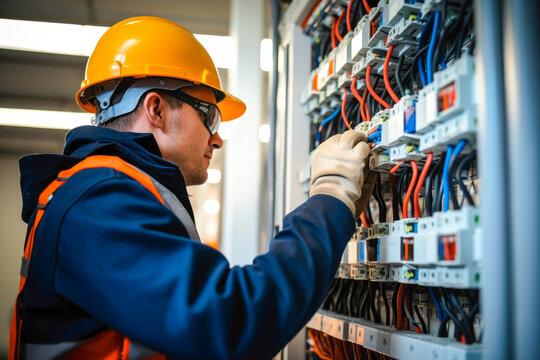
Businesses rely on electricity for every function. Lights, computers, HVAC, and machinery all demand power. When electrical systems fail, businesses suffer immediately. Proactive maintenance prevents the most common failures. It also keeps businesses safe and compliant with codes. Every business owner needs a solid maintenance strategy.
Understand Your Building's Electrical System
Business owners should know their electrical systems. This does not require technical expertise. But basic familiarity is extremely valuable. Know where your main panel is located. Understand how your circuit breakers are organized. Label every breaker clearly for fast identification.
Review Your Electrical Load Regularly
Electrical loads change as businesses grow. New equipment adds demand to existing circuits. Old circuits may not handle modern power requirements. Conduct a load review at least once a year. A qualified electrician can assess current versus capacity. Overloaded circuits are fire hazards that need immediate attention.
Know Your Building's Wiring Age
Older buildings often have aging wiring. Wiring from the 1970s and 1980s may be problematic. Aluminum wiring was common in that era. It expands and contracts differently than copper wire. These movements can loosen connections over time. Older buildings need more frequent professional inspections.
Schedule Routine Professional Inspections
Routine inspections are the foundation of good maintenance. They catch problems early before failures occur. Scheduling them prevents the need for reactive repairs. Most commercial buildings benefit from annual inspections. High-demand facilities should schedule them more frequently. Consistency is the key to effective preventive maintenance.
What to Include in Each Inspection
A thorough inspection covers many critical components. Panel boards and breakers should be tested. All connections should be checked for tightness and corrosion. Wiring insulation should be assessed for damage. Emergency systems including exit lighting must be verified. GFCI and AFCI outlets should be tested for proper function.
Keep Detailed Maintenance Records
Every inspection should be thoroughly documented. Maintenance records serve multiple important purposes. They track system health trends over time. They satisfy insurance and compliance requirements. They help electricians spot recurring problems quickly. Well-organized records improve every maintenance decision made.
Maintain Electrical Panels and Breakers
The electrical panel is the heart of your system. It distributes power throughout the entire building. Panel maintenance is essential for system health. Breakers should trip and reset as designed. A breaker that frequently trips signals an underlying issue. Ignoring these signals leads to more serious failures.
Avoid Overloading Circuits
Circuit overloading is one of the most common issues. It occurs when too many devices share one circuit. Overloaded circuits overheat and become fire hazards. Distribute high-demand equipment across multiple circuits. Avoid using extension cords as permanent power solutions. Have new dedicated circuits installed for heavy equipment.
Replace Outdated Panels Promptly
Some older panels are known to be unsafe. Brands like Federal Pacific and Zinsco have documented issues. These panels may not trip during overloads. This creates serious and persistent fire hazards. Replacement is strongly recommended by electrical professionals. New panels improve safety and system performance considerably.
Protect Outlets and Electrical Fixtures
Outlets are used constantly in commercial settings. Heavy use can wear contacts and damage outlets. Damaged outlets are both inefficient and dangerous. Inspect outlets regularly for signs of discoloration. Scorch marks indicate arcing and require immediate replacement. Loose-fitting plugs suggest worn contacts inside the outlet.
Install Surge Protection Throughout the Building
Power surges damage sensitive electronic equipment. They occur during storms and utility fluctuations. Whole-building surge protection prevents widespread damage. Individual point-of-use protectors add an extra layer. Protecting servers, computers, and machinery saves replacement costs. Surge protection is a low-cost, high-value maintenance investment.
Use GFCI Outlets in Wet and Outdoor Areas
GFCI outlets protect against ground fault electrical shocks. They are required by code in specific locations. Kitchens, bathrooms, and outdoor areas all require them. Test GFCI outlets monthly by pressing the test button. Reset the outlet and verify it functions properly. Non-functioning GFCIs should be replaced immediately.
Manage Electrical Cords and Wiring Safely
Damaged cords are a leading cause of electrical fires. They are often overlooked in busy commercial environments. Make cord inspection part of regular safety walks. Look for fraying, cracking, or exposed conductors. Replace damaged cords rather than using tape as a fix. Tape is not a code-compliant or safe repair method.
Avoid Daisy-Chaining Power Strips
Plugging power strips into other power strips is dangerous. This practice is commonly called daisy-chaining. It bypasses the safety protections built into each strip. It also dramatically increases the risk of overloading. Use properly rated, dedicated circuits for high-power equipment. Consult an electrician if more outlets are needed.
Maintain Clear Space Around Electrical Equipment
Electrical panels require clear space by code. OSHA and the NEC require at least 36 inches of clearance. Blocked panels cannot be accessed during emergencies. Storage near panels also increases fire risk significantly. Ensure all electrical rooms are clean and unobstructed. Make this a standard part of your facility safety walkthrough.
Lighting System Maintenance
Lighting is one of the highest energy consumers in commercial buildings. Maintaining lighting systems improves efficiency and safety. Burnt-out lights in work areas create safety risks. Inspect all lighting regularly and replace bulbs promptly. LED lighting reduces maintenance frequency due to long lifespan. Smart lighting controls further reduce energy consumption.
Emergency Lighting and Exit Signs
Emergency lighting is critical for occupant safety during outages. It is also required by fire safety codes. Test emergency lights monthly per manufacturer guidelines. Annual full-duration tests are typically required. Exit signs must remain illuminated and visible at all times. Failing emergency lighting creates serious liability exposure.
Energy Monitoring and Efficiency Practices
Energy monitoring helps businesses identify waste. Smart meters track consumption in real time. Electricians can install submeters for individual circuits. This data reveals which areas consume the most power. Targeted improvements deliver the greatest energy savings. Monitoring also helps detect unusual consumption spikes early.
Power Factor and Demand Charge Management
Power factor affects how efficiently electricity is used. Poor power factor results in higher utility bills. Demand charges are based on peak power consumption. Reducing peak demand lowers these charges significantly. A Commercial Electrician can assess and correct power factor issues. Capacitor bank installation is a common and effective solution.
Train Staff on Basic Electrical Safety
Staff awareness is a critical component of electrical safety. Employees should know basic electrical hazard protocols. Never ignore the smell of burning plastic or ozone. Report flickering lights or frequently tripping breakers immediately. Do not use damaged cords or overloaded outlets. Simple awareness prevents many common electrical incidents.
Develop an Electrical Emergency Response Plan
Every business needs an electrical emergency response plan. The plan should identify all panel locations. It should designate who is authorized to operate equipment. Emergency contacts including electricians should be clearly listed. Evacuation procedures during electrical fires must be defined. Regular drills ensure staff knows exactly what to do.
Conclusion
Commercial electrical maintenance is a business responsibility. It protects people, property, and profitability simultaneously. Neglect invites failures, fires, and costly repairs. A proactive maintenance program prevents most of these issues. Partnering with qualified professionals ensures the best results. Consistent maintenance is always the smartest business investment.
Categorii
Citeste mai mult
Managing online payments has become easier than ever with PayPal. Whether you want to send money, receive payments, shop online, or manage your financial transactions, having quick access to your account is essential. PayPal Login is the secure gateway that allows users to access all PayPal services from any device while keeping their financial information protected. Millions of people rely on...

Morocco is a land of vibrant culture, stunning landscapes, and rich culinary traditions. But for those moments when you crave something quick, delicious, and comforting, nothing hits the spot quite like a freshly baked pizza. Whether you are in Casablanca, Marrakech, or Rabat, Pizza Hut Morocco offers an irresistible menu that caters to every taste, from classic favorites to bold new flavors. A...

Executive Summary Indoor Positioning and Navigation System Market Research: Share and Size Intelligence The global Indoor Positioning and Navigation System market size was valued at USD 32.18 billion in 2024 and is expected to reach USD 338.55 billion by 2032, at a CAGR of 34.20% during the forecast period. The large scale Indoor Positioning and...
Lottery games have long been associated with chance, excitement, and unpredictability. While millions of players participate regularly, most rely on random selections or personal “lucky numbers.” This traditional approach often leads to inconsistent results and frustration over time. Lottery Unlocked introduces a modern perspective by integrating artificial intelligence into...
In the fast-paced world of digital sports entertainment, cricket-themed platforms have surged in popularity, offering fans a unique way to engage with their favorite sport. For enthusiasts looking to navigate these platforms seamlessly, understanding the access protocols is crucial. Whether you are a new user setting up your credentials or a seasoned player managing your account, having a...