Event-Driven Backends vs Thread-Based Systems: A Deep Dive into Modern Application Hosting Architectures
Introduction
Backend infrastructure has evolved from simple request-response systems to highly concurrent, event-driven environments capable of handling real-time workloads. As applications scale, the choice of runtime architecture becomes critical in determining latency, throughput, and system stability.
This is where node js hosting becomes more than a deployment choice—it becomes an architectural decision that directly impacts how efficiently a system processes concurrent operations.
Execution Architecture: Event Loop vs Multi-Threading
Node.js Runtime (Event-Driven Model)
Node.js operates on a single-threaded event loop, where all incoming requests are processed asynchronously. Instead of blocking execution while waiting for I/O operations (like database queries), the system registers callbacks and continues processing other tasks.
-
Non-blocking I/O execution
-
Centralized event loop for request handling
-
Callback and promise-based concurrency
This architecture allows Node.js to process multiple operations simultaneously without creating additional threads
Traditional Thread-Based Servers
In contrast, traditional server environments use:
-
One thread per request (or thread pools)
-
Blocking I/O operations
-
Context switching between threads
While effective for CPU-heavy operations, this model introduces overhead in managing threads and increases memory consumption.
Concurrency Model: Asynchronous Scaling vs Thread Saturation
Node.js Hosting
The asynchronous model enables:
-
Handling thousands of concurrent connections
-
Efficient use of system resources
-
Minimal memory overhead per request
Benchmarks show event-driven systems can process extremely high request volumes due to non-blocking execution patterns
This makes node js hosting highly suitable for applications with heavy I/O interactions such as APIs and streaming systems.
Thread-Based Hosting
-
Limited concurrency based on thread pool size
-
Increased latency under high load
-
Higher memory usage
As traffic grows, systems require additional threads or servers, increasing infrastructure complexity.
I/O Performance: Non-Blocking vs Blocking Operations
Node.js
-
Executes file, network, and database operations asynchronously
-
Does not wait for operations to complete
-
Maintains responsiveness under heavy load
This leads to lower latency and improved throughput in I/O-bound systems.
Traditional Servers
-
Execution pauses during I/O operations
-
Threads remain idle while waiting
-
Increased response time under load
This creates bottlenecks in systems with frequent external interactions.
System Efficiency and Resource Utilization
Node.js Hosting
-
Lower memory footprint due to single-thread model
-
Reduced context-switching overhead
-
Efficient CPU utilization
Because it avoids thread-per-request overhead, Node.js systems can handle more users per server instance
Traditional Hosting
-
Higher memory consumption per thread
-
Increased CPU overhead from thread management
-
Linear scaling of resource usage with traffic
This leads to inefficiencies in high-concurrency environments.
Real-Time Processing Capabilities
Node.js
The event-driven architecture enables:
-
Real-time data streaming
-
Persistent connections (WebSockets)
-
Instant event-based updates
Applications such as chat systems, live dashboards, and collaboration tools benefit significantly from this model.
Traditional Systems
-
Require additional layers for real-time communication
-
Less efficient handling of persistent connections
-
Increased complexity for real-time features
Scalability Strategy: Horizontal Scaling vs Vertical Constraints
Node.js Hosting
Node.js scales effectively through:
-
Horizontal scaling (multiple instances)
-
Load balancing across event loops
-
Microservices-based architecture
Event-driven systems allow independent scaling of components, improving flexibility and resilience
A well-configured node js hosting setup can distribute workloads efficiently across multiple instances.
Traditional Systems
-
Scaling often requires vertical upgrades
-
Horizontal scaling introduces synchronization complexity
-
Increased infrastructure overhead
Limitations: CPU-Bound Workloads
Node.js Constraints
Despite its advantages, Node.js has limitations:
-
CPU-intensive tasks block the event loop
-
Long computations delay all incoming requests
-
Requires worker threads or external services
This makes it less suitable for heavy computation workloads without architectural adjustments.
Thread-Based Systems
-
Better suited for CPU-heavy processing
-
Parallel execution across multiple cores
-
More stable under compute-intensive tasks
System Design Trade-Off
Node.js Hosting Advantages
-
High concurrency handling
-
Low latency for I/O operations
-
Efficient resource utilization
-
Ideal for real-time and API-driven systems
Traditional Hosting Advantages
-
Better for CPU-intensive workloads
-
Mature ecosystem for legacy applications
-
Simpler execution model for synchronous tasks
When Each Approach Works Best
Choose Node.js Hosting If:
-
Workloads are I/O-heavy
-
Real-time features are required
-
High concurrency is expected
-
Microservices architecture is used
Choose Traditional Hosting If:
-
Workloads are CPU-intensive
-
Applications rely on synchronous execution
-
Legacy system compatibility is required
Conclusion
Modern backend systems demand efficiency, scalability, and responsiveness under unpredictable workloads. The architectural difference between event-driven and thread-based systems plays a central role in achieving these goals.
From a technical standpoint, node js hosting enables high-performance execution for concurrent, I/O-heavy applications through its non-blocking event loop. Traditional models still remain relevant but often struggle to match efficiency at scale.
The optimal choice depends not on trends, but on workload characteristics—how your system processes data, handles concurrency, and scales under pressure.
Categorias
Leia Mais
The Nordic hemodialysis equipment market is witnessing steady growth as demand for advanced renal replacement therapies continues to increase across the region. The Nordic hemodialysis equipment market size is projected to grow from US$ 63.4 million in 2024 to US$ 96.7 million by 2031, registering a CAGR of 6.2% during the forecast period from 2025 to 2031. Market growth...

Comprehensive Outlook on Executive Summary Protein Hydrolysates for Animal Feed Application Market Size and Share The global protein hydrolysates for animal feed application market size was valued at USD 809.14 million in 2024 and is expected to reach USD 1289.64 million by 2032, at a CAGR of 6.00% during the forecast period. Protein Hydrolysates for...
Automotive Headrest Market is gaining traction as vehicle manufacturers emphasize lightweight and efficient interior components. Advanced materials can help reduce component weight while maintaining strength and comfort. Such developments are contributing to innovation within the market. The Automotive Headrest Market is projected to grow from US$ 4.32 Billion in...
As consumer expectations continue to rise, the wellness industry is evolving from a collection of independent businesses into a more structured and professionally managed sector. Customers visiting a spa in mumbai today expect much more than basic treatments. They look for trained therapists, high hygiene standards, personalized services, and a consistent experience that delivers real value....

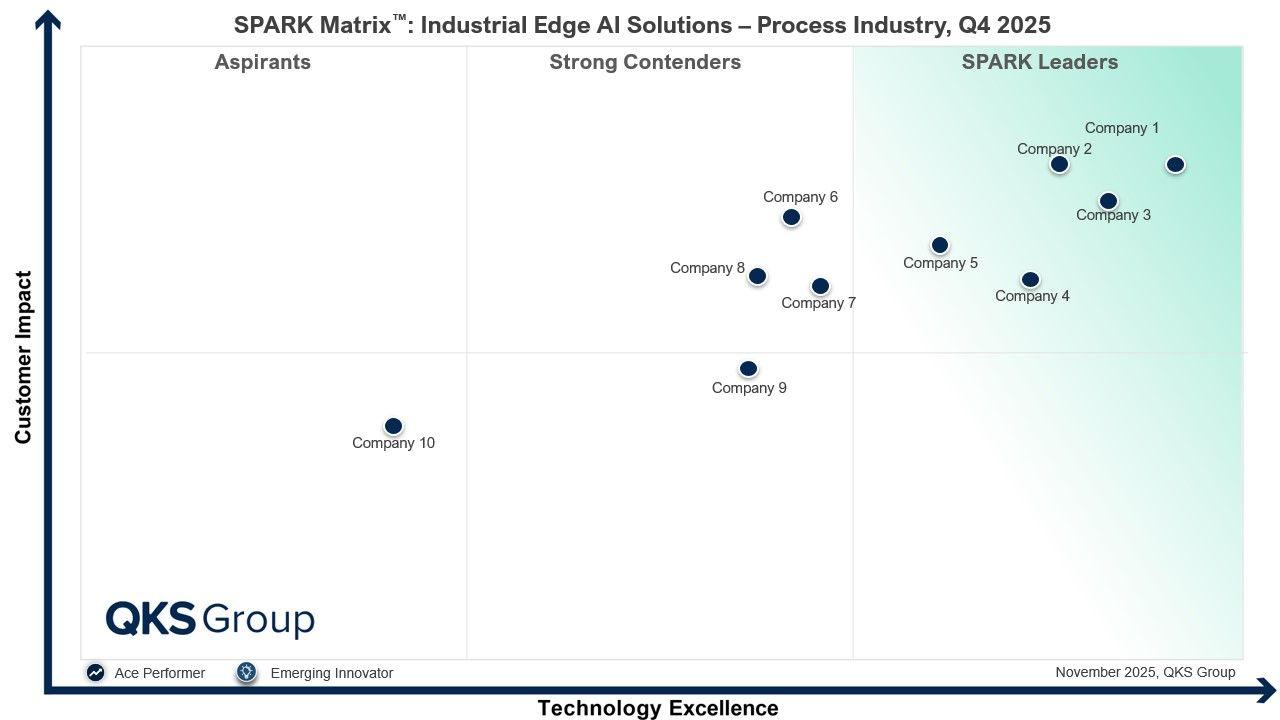
Introduction – Why Industrial Edge AI Matters Now Manufacturing and process industries are under intense pressure to improve operational efficiency, resilience, and sustainability while managing growing data volumes from connected assets. Centralized cloud and data center models alone can no longer meet the latency, reliability, and security demands of modern plants. Industrial Edge AI...