


Exploring the Uses and Benefits of a Fry Pan
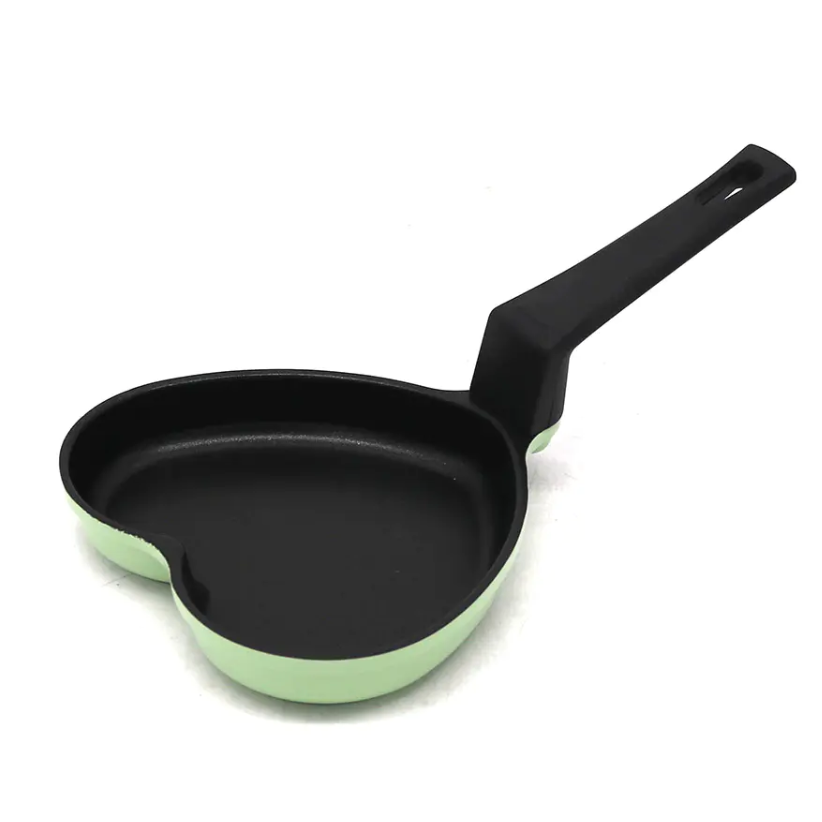
A fry pan is one of the most commonly used tools in both home and professional kitchens. Designed for frying, sautéing, searing, and browning, a fry pan allows cooks to prepare a wide variety of dishes efficiently. Its shallow sides, wide base, and flat surface provide excellent contact with heat, making it suitable for quick and even cooking. Understanding the features, materials, and applications of a fry pan demonstrates why it is a staple in everyday cooking.
Design and Materials
A fry pan typically features a flat bottom and slightly flared sides, which make it easy to turn, toss, and remove food. The pan can be made from various materials, including stainless steel, aluminum, cast iron, and non-stick coatings. Each material has distinct advantages. Stainless steel fry pans are durable and resistant to corrosion, while aluminum pans provide fast and even heat distribution. Cast iron fry pans offer heat retention and can develop a natural non-stick surface with proper seasoning.
Handles are another important aspect of a fry pan. They are designed to remain cool during cooking, often made from heat-resistant materials such as silicone or reinforced plastic. Some fry pans also include lids to help trap moisture and heat, enhancing cooking efficiency and versatility.
Applications in Cooking
The fry pan is ideal for a wide range of cooking methods. It is commonly used for frying eggs, meats, vegetables, and seafood. Its wide surface allows for even browning, while the shallow sides make it easy to flip and stir ingredients. A fry pan can also be used for sautéing onions, garlic, or spices, allowing flavors to develop without burning.
In addition to stovetop cooking, some fry pans are oven-safe, enabling recipes that start on the stove and finish in the oven, such as frittatas or baked dishes. This adaptability makes the fry pan a versatile tool for both simple and complex recipes.
Maintenance and Longevity
Maintaining a fry pan depends on its material. Non-stick pans should be cleaned with gentle sponges and avoid metal utensils to prevent scratching. Cast iron fry pans require seasoning and careful drying to prevent rust. Stainless steel and aluminum pans are generally easier to clean but benefit from periodic polishing or descaling to maintain performance.
Proper maintenance ensures that a fry pan continues to provide even heating, prevents food from sticking, and extends its lifespan. Regular inspection for warping or coating damage helps maintain safety and efficiency in the kitchen.
Advantages of a Fry Pan
A fry pan offers convenience, versatility, and efficiency in cooking. Its design allows for rapid heat transfer and easy handling, which is ideal for everyday meals. The variety of materials and sizes available ensures that cooks can choose a pan that suits their specific needs, whether for small family meals or larger gatherings.
A fry pan is an indispensable tool in kitchens of all kinds. Its flat base, shallow sides, and wide surface make it suitable for frying, searing, and sautéing a variety of foods. Understanding the different materials, uses, and maintenance practices of a fry pan helps cooks achieve consistent results while preserving the pan's functionality. With proper care, a fry pan can serve as a versatile, reliable, and long-lasting addition to any kitchen, supporting a wide range of culinary tasks.
Categorias
Leia mais
NEWARK, DE, United States – April 6, 2026 – The global flavor modulator market share is rapidly evolving into a critical enabling technology for food and beverage reformulation, supporting industry-wide efforts to reduce sugar, sodium, and fat without compromising taste. According to the latest strategic outlook by Future Market Insights (FMI), the flavor modulator...

Love is in the details, and there's no better way to celebrate your unique bond with your significant other than with personalized Bracelets with names for couples. At JewelWyn, we understand the deep connection between two people, and we believe your jewelry should reflect that. Our couple name bracelet design service offers you the opportunity to create a piece of art that symbolizes your...

Environmental compliance has become a critical responsibility for modern businesses, especially those involved in manufacturing, import, or brand ownership. One of the most effective frameworks supporting sustainable waste management is EPR, which places accountability on producers for the entire lifecycle of their products. To meet these regulatory requirements efficiently, many organizations...

When I first heard about Yolo247 Club, it wasn’t through ads or flashy promotions. It came from a regular user who had been actively exploring online gaming platforms for years. What stood out wasn’t excitement—it was curiosity. He described it as “simple, fast, and surprisingly structured,” which is not something you hear often in this space. After...

ALEXISTOGEL dikenal sebagai salah satu agen togel online resmi yang menghadirkan pengalaman bermain dengan sistem yang aman, transparan, dan mudah diakses. Di tengah banyaknya pilihan platform togel online, kehadiran agen yang dapat dipercaya menjadi hal penting bagi pemain. alexistogel menawarkan kombinasi antara teknologi modern, pelayanan profesional, serta konsep bermain yang merakyat...
