Long-Tail Keywords: The Ultimate Guide for 2026
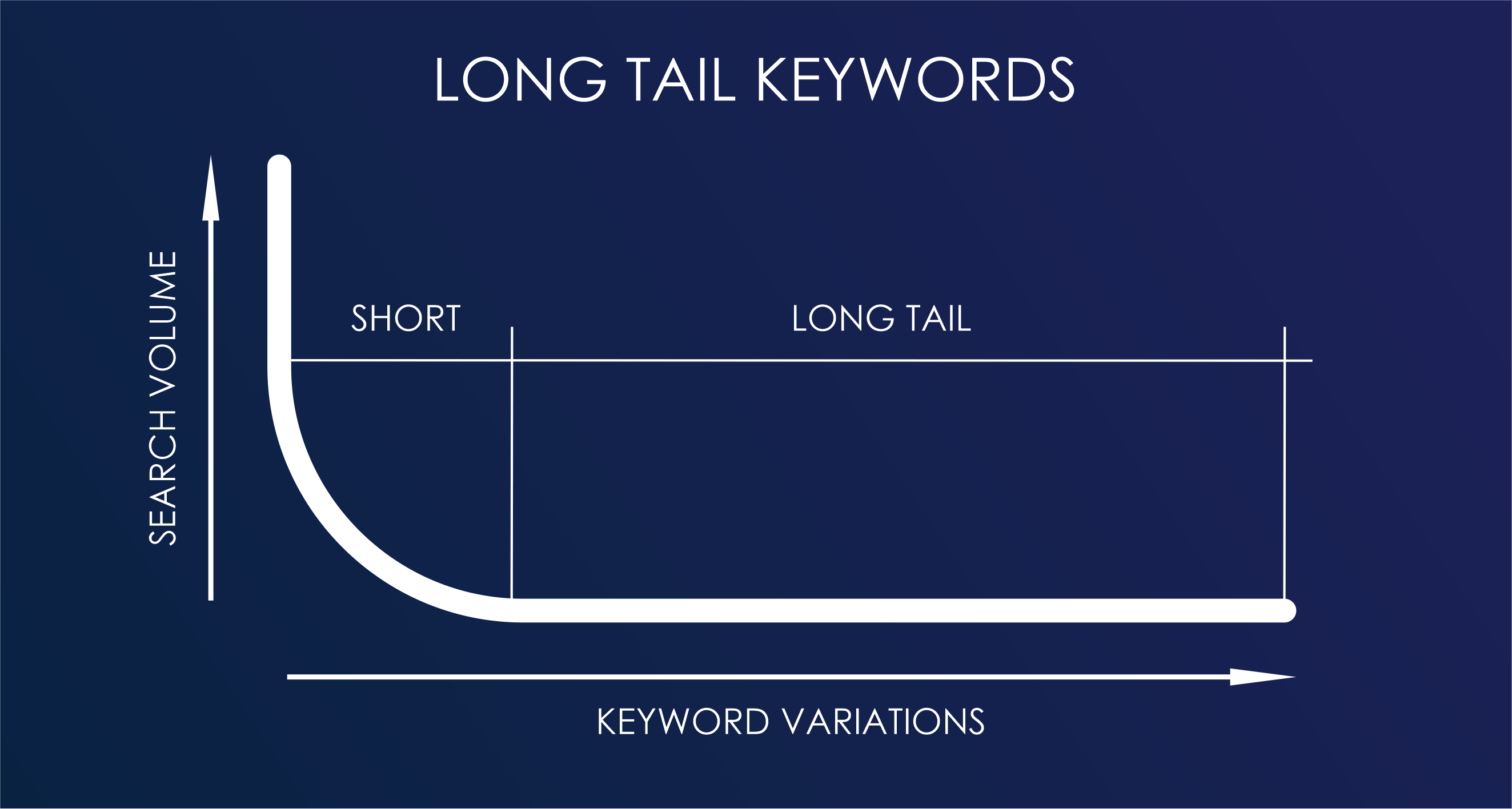
A Long-tail keyword strategy report focuses on targeting specific, low-competition search phrases that attract highly relevant traffic. These keywords improve rankings, increase conversions, and are essential for modern SEO content strategy and long-tail keywords SEO success.
Introduction
In today’s competitive digital landscape, ranking for broad keywords is becoming increasingly difficult. High competition, strong domain authority requirements, and evolving search algorithms make it harder for new or growing websites to compete. This is where long-tail keywords come into play.
A well-planned Long-tail keyword strategy report helps businesses target highly specific search queries that users are actively searching for. These keywords may have lower search volume, but they often bring highly targeted traffic that converts better. For example, instead of targeting “shoes,” a long-tail keyword like “best running shoes for flat feet under 5000” is much easier to rank for and attracts users with clear intent.
Understanding long-tail keywords SEO is essential for building a successful SEO strategy in 2026. In this guide, you will learn what long-tail keywords are, why they matter, how to find them, and how to use them effectively in your SEO content strategy.
What Are Long-Tail Keywords?
Long-tail keywords are longer and more specific search phrases that users type into search engines.
Detailed Explanation
Unlike short keywords, long-tail keywords usually contain 3 or more words and target a very specific query.
Examples
- Short keyword: “laptop”
- Long-tail keyword: “best laptop for students under 50000”
Key Characteristics
- Lower competition
- More specific intent
- Higher conversion potential
- Easier to rank
Why Long-Tail Keywords Are Important in SEO
1. Lower Competition
Long-tail keywords face less competition compared to broad keywords, making it easier for new websites to rank.
2. Higher Conversion Rates
Users searching long-tail queries usually know what they want, which increases conversion chances.
3. Better User Targeting
They attract users with clear intent, improving engagement and relevance.
4. Voice Search Optimization
With the rise of voice search, long-tail keywords are becoming more important.
Types of Long-Tail Keywords
1. Informational Long-Tail Keywords
Users are looking for information.
Example
- “how to start a blog in 2026”
2. Transactional Long-Tail Keywords
Users are ready to buy.
Example
- “buy SEO tools with free trial”
3. Commercial Long-Tail Keywords
Users are comparing options.
Example
- “best SEO tools for beginners”
How to Find Long-Tail Keywords
1. Use Google Autocomplete
Type a keyword and see suggested queries.
2. Use Keyword Research Tools
Tools like:
- SEMrush
- Ahrefs
- Ubersuggest
help find valuable keywords.
3. Analyze Competitors
Check what keywords your competitors are ranking for.
4. Use “People Also Ask”
Google provides related questions that can be used as keywords.
5. Focus on User Intent
Always align keywords with user intent.
Building a Long-Tail Keyword Strategy
A strong Long-tail keyword strategy report requires planning and execution.
Step 1: Identify Your Niche
Focus on a specific topic area.
Step 2: Create Keyword Clusters
Group related keywords together.
Step 3: Analyze Competition
Choose keywords with low competition.
Step 4: Prioritize Intent
Focus on keywords that match user intent.
Step 5: Create High-Quality Content
Develop content that answers user queries.
Using Long-Tail Keywords in Content
Natural Placement
Use keywords naturally in:
- Title
- Headings
- Content
Avoid Keyword Stuffing
Overusing keywords harms SEO.
Focus on Readability
Content should be easy to read and engaging.
Long-Tail Keywords and Content Strategy
Blog Content
Use informational long-tail keywords for blogs.
Landing Pages
Use transactional keywords for conversions.
Product Pages
Optimize for buying intent.
Common Mistakes to Avoid
1. Ignoring Search Intent
Keywords must match user intent.
2. Choosing Wrong Keywords
High competition keywords are harder to rank.
3. Not Updating Content
SEO requires continuous updates.
4. Over-Optimization
Too many keywords reduce quality.
Advanced Long-Tail Keyword Strategies for 2026
AI-Based Keyword Research
AI tools help identify trends and patterns.
Voice Search Optimization
Use conversational phrases.
Semantic SEO
Include related keywords and phrases.
Content Personalization
Tailor content for specific audiences.
Tools for Long-Tail Keyword Research
Popular Tools
- Google Keyword Planner
- SEMrush
- Ahrefs
- Ubersuggest
Benefits
- Find low competition keywords
- Analyze trends
- Improve strategy
Measuring Success of Long-Tail Keywords
Key Metrics
- Organic traffic
- Conversion rate
- Keyword rankings
- Engagement
Success Indicators
- Increased traffic
- Higher conversions
- Better rankings
Benefits of Long-Tail Keyword Strategy
- Easier rankings
- Better targeting
- Higher conversions
- Improved SEO performance
- Stronger SEO content strategy
Conclusion
A well-planned Long-tail keyword strategy report is essential for SEO success in 2026. Long-tail keywords help you target the right audience, improve rankings, and drive high-quality traffic to your website.
By focusing on long-tail keywords SEO, you can build a powerful SEO content strategy that delivers consistent results. These keywords not only reduce competition but also increase conversion rates by targeting users with clear intent.
If you want to grow your website and stay ahead of competitors, start using long-tail keywords effectively. They are the foundation of modern SEO and a key driver of long-term success.
FAQs
1. What is a long-tail keyword?
A long-tail keyword is a specific search phrase with low competition and high intent.
2. Why are long-tail keywords important?
They improve rankings and increase conversions.
3. How do I find long-tail keywords?
Use tools, Google suggestions, and competitor analysis.
4. Are long-tail keywords better than short keywords?
Yes, for targeting and conversions.
5. Do long-tail keywords help SEO?
Yes, they are essential for modern SEO success.
Categorieën
Read More
In the modern business landscape, having a strong online presence is no longer optional—it is essential. Customers today search online before making purchasing decisions, which means businesses must be visible where their audience spends time. This is where a professional digital marketing agency in Ranchi can help. From increasing website traffic to generating quality leads,...

Sleep disorders such as sleep apnea and narcolepsy can profoundly affect daily life. Individuals struggling with these conditions often face excessive daytime sleepiness, lack of focus, and low productivity despite getting hours of sleep. While traditional therapies like CPAP machines for sleep apnea or lifestyle adjustments remain essential, medications like Waklert 150mg (Armodafinil) are...

VAE Emulsion Market to Reach USD 11.23 Billion by 2032 Driven by Growing Demand in Coatings and Adhesives The global VAE Emulsion Market is projected to experience significant growth during the forecast period of 2025-2032. Valued at USD 7.63 billion in 2024, the market is expected to reach USD 11.23 billion by 2032, growing at a CAGR of 4.96%. Vinyl acetate-ethylene (VAE) emulsions...

Engineering today is no longer confined to classrooms, it is driven by innovation, technology, and real-world application. Programs like B.Tech Computer Science & Engineering and B.Tech Civil Engineering (Smart Infrastructure) at Manav Rachna International Institute of Research and Studies (MRIIRS) are crafted to prepare students for modern industry demands. B.Tech Computer Science &...

Digital marketing has become the backbone of every successful business in the modern world. Whether you run a small local store or a large corporation, your online presence determines how customers find, trust, and engage with your brand. In Florida, where competition is fierce across industries, choosing the right digital marketing strategy is the key to growth. If you are searching for...