


Long-Tail Keywords: The Ultimate Guide for 2026
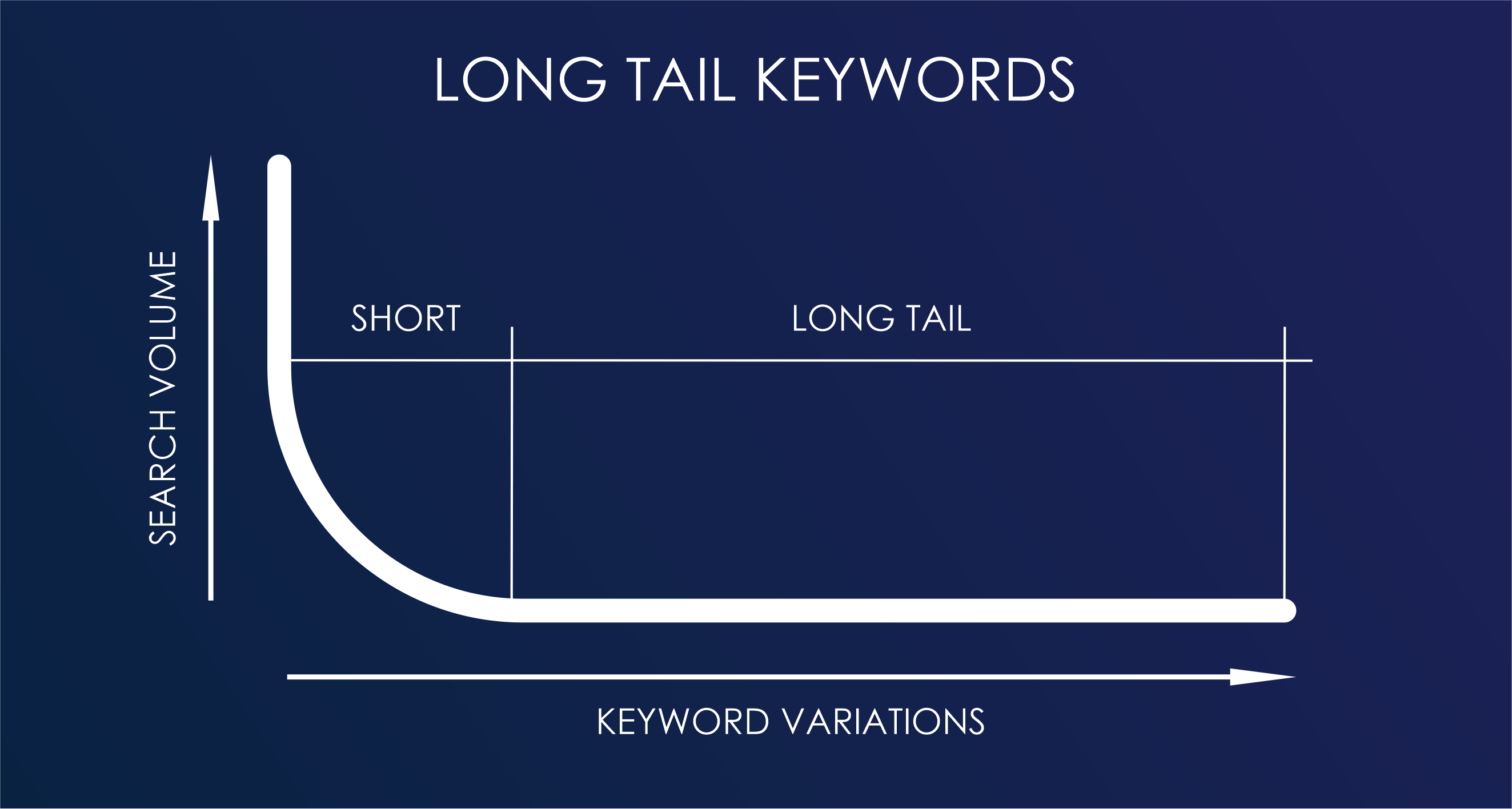
A Long-tail keyword strategy report focuses on targeting specific, low-competition search phrases that attract highly relevant traffic. These keywords improve rankings, increase conversions, and are essential for modern SEO content strategy and long-tail keywords SEO success.
Introduction
In today’s competitive digital landscape, ranking for broad keywords is becoming increasingly difficult. High competition, strong domain authority requirements, and evolving search algorithms make it harder for new or growing websites to compete. This is where long-tail keywords come into play.
A well-planned Long-tail keyword strategy report helps businesses target highly specific search queries that users are actively searching for. These keywords may have lower search volume, but they often bring highly targeted traffic that converts better. For example, instead of targeting “shoes,” a long-tail keyword like “best running shoes for flat feet under 5000” is much easier to rank for and attracts users with clear intent.
Understanding long-tail keywords SEO is essential for building a successful SEO strategy in 2026. In this guide, you will learn what long-tail keywords are, why they matter, how to find them, and how to use them effectively in your SEO content strategy.
What Are Long-Tail Keywords?
Long-tail keywords are longer and more specific search phrases that users type into search engines.
Detailed Explanation
Unlike short keywords, long-tail keywords usually contain 3 or more words and target a very specific query.
Examples
- Short keyword: “laptop”
- Long-tail keyword: “best laptop for students under 50000”
Key Characteristics
- Lower competition
- More specific intent
- Higher conversion potential
- Easier to rank
Why Long-Tail Keywords Are Important in SEO
1. Lower Competition
Long-tail keywords face less competition compared to broad keywords, making it easier for new websites to rank.
2. Higher Conversion Rates
Users searching long-tail queries usually know what they want, which increases conversion chances.
3. Better User Targeting
They attract users with clear intent, improving engagement and relevance.
4. Voice Search Optimization
With the rise of voice search, long-tail keywords are becoming more important.
Types of Long-Tail Keywords
1. Informational Long-Tail Keywords
Users are looking for information.
Example
- “how to start a blog in 2026”
2. Transactional Long-Tail Keywords
Users are ready to buy.
Example
- “buy SEO tools with free trial”
3. Commercial Long-Tail Keywords
Users are comparing options.
Example
- “best SEO tools for beginners”
How to Find Long-Tail Keywords
1. Use Google Autocomplete
Type a keyword and see suggested queries.
2. Use Keyword Research Tools
Tools like:
- SEMrush
- Ahrefs
- Ubersuggest
help find valuable keywords.
3. Analyze Competitors
Check what keywords your competitors are ranking for.
4. Use “People Also Ask”
Google provides related questions that can be used as keywords.
5. Focus on User Intent
Always align keywords with user intent.
Building a Long-Tail Keyword Strategy
A strong Long-tail keyword strategy report requires planning and execution.
Step 1: Identify Your Niche
Focus on a specific topic area.
Step 2: Create Keyword Clusters
Group related keywords together.
Step 3: Analyze Competition
Choose keywords with low competition.
Step 4: Prioritize Intent
Focus on keywords that match user intent.
Step 5: Create High-Quality Content
Develop content that answers user queries.
Using Long-Tail Keywords in Content
Natural Placement
Use keywords naturally in:
- Title
- Headings
- Content
Avoid Keyword Stuffing
Overusing keywords harms SEO.
Focus on Readability
Content should be easy to read and engaging.
Long-Tail Keywords and Content Strategy
Blog Content
Use informational long-tail keywords for blogs.
Landing Pages
Use transactional keywords for conversions.
Product Pages
Optimize for buying intent.
Common Mistakes to Avoid
1. Ignoring Search Intent
Keywords must match user intent.
2. Choosing Wrong Keywords
High competition keywords are harder to rank.
3. Not Updating Content
SEO requires continuous updates.
4. Over-Optimization
Too many keywords reduce quality.
Advanced Long-Tail Keyword Strategies for 2026
AI-Based Keyword Research
AI tools help identify trends and patterns.
Voice Search Optimization
Use conversational phrases.
Semantic SEO
Include related keywords and phrases.
Content Personalization
Tailor content for specific audiences.
Tools for Long-Tail Keyword Research
Popular Tools
- Google Keyword Planner
- SEMrush
- Ahrefs
- Ubersuggest
Benefits
- Find low competition keywords
- Analyze trends
- Improve strategy
Measuring Success of Long-Tail Keywords
Key Metrics
- Organic traffic
- Conversion rate
- Keyword rankings
- Engagement
Success Indicators
- Increased traffic
- Higher conversions
- Better rankings
Benefits of Long-Tail Keyword Strategy
- Easier rankings
- Better targeting
- Higher conversions
- Improved SEO performance
- Stronger SEO content strategy
Conclusion
A well-planned Long-tail keyword strategy report is essential for SEO success in 2026. Long-tail keywords help you target the right audience, improve rankings, and drive high-quality traffic to your website.
By focusing on long-tail keywords SEO, you can build a powerful SEO content strategy that delivers consistent results. These keywords not only reduce competition but also increase conversion rates by targeting users with clear intent.
If you want to grow your website and stay ahead of competitors, start using long-tail keywords effectively. They are the foundation of modern SEO and a key driver of long-term success.
FAQs
1. What is a long-tail keyword?
A long-tail keyword is a specific search phrase with low competition and high intent.
2. Why are long-tail keywords important?
They improve rankings and increase conversions.
3. How do I find long-tail keywords?
Use tools, Google suggestions, and competitor analysis.
4. Are long-tail keywords better than short keywords?
Yes, for targeting and conversions.
5. Do long-tail keywords help SEO?
Yes, they are essential for modern SEO success.
Categorias
Leia mais
The Viscose Staple Fiber Market size was valued at USD 8.46 Billion in 2025 and is projected to reach USD 13.36 Billion by 2035, growing at a CAGR of 4.72% during 2026-2035. According to SNS Insider, the global viscose staple fiber industry is witnessing steady expansion due to rising demand from the textile, apparel, hygiene products, and nonwoven applications. Viscose staple fiber...

Continuing education plays a critical role in helping mental health professionals stay informed, maintain licensure, and provide effective care to clients. Whether you are a social worker, counselor, therapist, or psychologist, ongoing learning is essential for professional growth. Fortunately, many professionals can now access high-quality training through free recorded courses that...

Top Features That Make Sky Exchange Stand Out From Other Gaming Platforms The online gaming industry has grown rapidly in recent years, giving users access to countless platforms and gaming opportunities. With so many options available, players often look for a platform that offers reliability, convenience, and an enjoyable user experience. This is where Sky Exchange has successfully...

Fan Resource Policy Shift The landscape of Genshin Impact fan resources is shifting dramatically. A prominent wiki operator, facing legal pressure from the game's publisher Cognosphere, has announced a major policy change. Moving forward, the site states it will only update using information from the live version of the game. This decision follows the involvement of legal representatives,...
According to a new report from Intel Market Research, the global stainless steel plate market was valued at USD 51.68 billion in 2024 and is projected to reach USD 68.56 billion by 2032, exhibiting a robust CAGR of 4.2% during the forecast period. Growth is driven by robust demand from construction and infrastructure, automotive manufacturing, and heavy industry sectors. The material's superior...