Remote-First Teams: How Companies Are Building Distributed Workforces
Most companies say they run remote teams, only a small number actually build the company around that idea.
What usually happens looks pretty familiar. The office still sits at the centre of how work moves. Conversations happen between people who sit close to each other. Someone turns their chair, asks a question, and gets an answer in thirty seconds.
Remote employees join later. They read the notes after the decision already started taking shape. They open documents that assume everyone knows the background. Sometimes they join the call, but the real conversation already happened ten minutes earlier. Over time you start to see two different experiences inside the same company.
People close to the centre of information move quickly, people further away spend more time catching up. At first managers think the problem is communication and maybe the team needs more meetings. In practice, the problem usually runs deeper.
The company still operates like a place where work happens inside one building. Remote work just makes that design easier to see.
Where Distributed Work Starts to Feel Different
You notice the change in small, everyday moments.
-
A product manager shares a document and waits for feedback. In an office, people might walk over and comment right away. In a distributed team, the feedback arrives hours apart as people log in across different time zones.
-
A designer asks a question in chat. One person replies quickly, and nother teammate responds later with a different suggestion. By the end of the day the conversation has moved in three different directions.
-
A developer starts working on a task and then realises priorities shifted during a meeting they could not attend.
None of these situations are dramatic on their own. Work still moves forward, it just moves differently. Instead of continuous motion, work often happens in bursts.
Managers feel this rhythm as well that something as small as an approval might take a day and not because anyone is slow, but because the person responsible lives several hours away.
Meetings start to grow larger too. Teams try to gather everyone at the same time so nobody misses context. Yet half the people stay quiet while a few voices carry the conversation.
New hires feel the difference quickly. In an office they could turn to someone nearby and ask how things usually work. In a distributed team they scroll through past messages and try to piece together the logic behind decisions.
Work still happens, but the rhythm changes.
What Starts Changing in Remote-First Teams
At some point companies realise remote work does not stabilise through more meetings or longer chat threads. Something else has to change, the structure of work itself.
Decisions Move Into Written Context
Teams start writing things down earlier. Product decisions move into documents instead of living only inside meetings. A manager puts the situation into words so they can explain the points and the way they want to go. People still talk about things. It is just that the information is now written and stored in a place where everyone can find it.
Work Becomes More Complete Before Handoffs
In an office it is common to pass half-finished work across a desk and continue the discussion together. Distributed teams cannot rely on that rhythm.
-
A designer shares a draft with clearer notes
-
An engineer explains what still needs attention before someone else continues the task
The handoff carries more explanation because the next conversation might happen tomorrow instead of ten minutes later.
Decision Authority Moves Closer to the Work
Managers who once approved every small step begin pushing ownership down to the people doing the task. Waiting for permission across time zones slows everything. Teams move faster when the person closest to the work can decide and record the outcome.
Work Starts Moving Through Clarity
Over time the company begins to look different. Less like a place where work depends on who happens to be present, and more like a system where work moves through clear context.
Information becomes easier to find. Decisions are easier to follow. Work continues moving forward even when teammates are working from different parts of the world.
Ownership Starts to Look Different
-
Remote-first teams also change how people treat information. In office environments, context often lives inside conversations. People remember who usually handles a decision because they sit nearby or have worked together for years. Knowledge spreads informally.
-
Distributed teams cannot rely on that familiarity. Managers usually start the shift by placing context where the team can reach it. A product lead writes down why a feature matters before asking the team to build it. An engineering manager records the reasoning behind a technical decision so someone joining the project later can follow the logic.
-
Over time that behaviour spreads across the team. A designer explains the thinking behind a layout instead of only sharing the file. A developer documents why a certain approach solved the problem. Someone reviewing the work can understand the reasoning without pulling the original person into another call.
Responsibility also becomes easier to see. Instead of assuming everyone knows who owns what, teams begin stating it clearly:
-
Who owns the decision
-
Who contributes input
-
Who needs to stay informed
Once that clarity appears, people stop waiting for direction as often. They move forward because they understand where the authority sits and what decisions they are expected to make.
When Remote-First Teams Begin to Work Well
You can usually recognise the moment when a distributed team finds its rhythm.
Work stops slowing down around small questions. People look for answers in documents, project notes or old decisions. They do not want to wait for someone who's, in a different time zone to get online.
This makes conversations shorter. The reason is that most of the information is already available for everyone to see in one place, like documents or project notes. Meetings start to change as well and the teams schedule fewer calls just to share updates. When people do meet, the discussion moves faster because everyone has already read the material beforehand.
New hires also settle in more quickly. Instead of guessing how things work, they can read past decisions and follow the patterns the team already uses.
Something else changes too. The company begins to feel quieter in a surprising way.
-
Fewer urgent messages
-
Fewer meetings explaining the same thing twice
-
Fewer moments where work pauses because someone important is offline
Work simply keeps moving, even when the people involved are thousands of miles apart.
Categorie
Leggi tutto
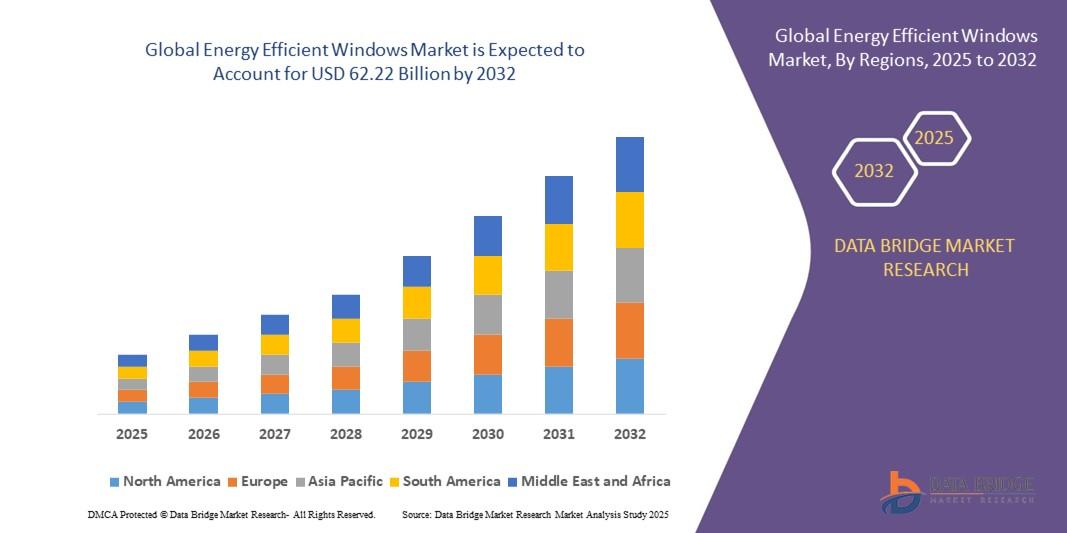
"In-Depth Study on Executive Summary Energy Efficient Windows Market Size and Share The global energy efficient windows market size was valued at USD 32.63 billion in 2024 and is expected to reach USD 62.22 billion by 2032, at a CAGR of 8.40% during the forecast period As the high quality Energy Efficient Windows Market survey report has precise...
Let’s be real—being “busy” doesn’t always mean being productive. In many businesses, finance teams are constantly working—processing invoices, preparing reports, handling tax filings. Yet despite all this effort, deadlines get missed, errors creep in, and growth feels stuck. Sound familiar? This is what we call the productivity trap—where your team is...

Wuthering Waves 2.7 Update Fans of Wuthering Waves are eagerly awaiting the upcoming 2.7 update, which promises exciting new content and features. A key highlight of this update is the introduction of two powerful 5-star resonators: Qiuyuan, an aero-sword wielder and one of the rare male characters in the game, and Galbrena, who wields fusion pistols. The livestream dedicated to Wuthering...

People try to understand property costs but numbers rarely stay simple. Prices move, interest rates change, and income rarely keeps pace properly. A tool like Housing Affordability Calculator Toronto becomes useful here, but it still needs correct input from your side. If you enter unrealistic salary figures or ignore debts, the results will not reflect reality. It helps, but...

Sell FIFA 2026 Tickets: FIFA World Cup 2026 will feature its first-ever halftime show during the final at MetLife Stadium on July 19. But one major detail is still missing: the official list of performers. While FIFA has confirmed the show will be curated with support from Coldplay frontman Chris Martin and Global Citizen. Anticipation Builds as Halftime Show Emerges as a Major Missing...