


Step-by-Step CNC Tool Learning Guide for Beginners
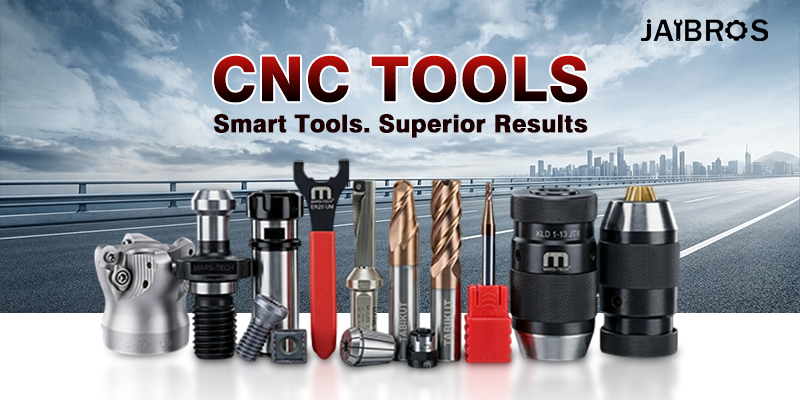
Step-by-Step CNC Tool Learning Guide
The world of machining has evolved rapidly with the introduction of advanced technologies and automation. For beginners and even experienced professionals, understanding how to work with the right tools is essential for achieving precision and efficiency. At the center of modern machining lies the CNC tool, which plays a crucial role in shaping materials with accuracy and consistency.
Learning about tooling may seem complex at first, but with the right approach, it becomes much easier. This step-by-step guide is designed to help you understand the fundamentals, from basic concepts to practical applications. Whether you are starting your journey or looking to improve your knowledge, mastering tooling techniques can significantly enhance your productivity and results.
Step 1: Understand What a CNC Tool Is
A CNC tool is a cutting instrument used in computer-controlled machines to perform operations such as drilling, milling, and turning. These tools follow programmed instructions, ensuring precise and repeatable results.
Unlike manual tools, CNC-based tools are designed for automation, reducing human error and increasing efficiency. They are widely used across various industries, including automotive, aerospace, and electronics manufacturing.
Step 2: Learn About Different Types of Tools
Before working with machines, it is important to understand the different types of tools available. Each tool is designed for a specific purpose.
Common tools include:
-
Drill bits for creating holes
-
End mills for cutting and shaping
-
Turning tools for lathe operations
-
Boring tools for enlarging holes
Choosing the right CNC tool for the job ensures better performance and improved machining results.
Step 3: Know the Types of CNC Machine
Different machines require different tooling approaches. Understanding the types of CNC machine helps in selecting the appropriate tools.
Some common machine types include:
-
CNC milling machines
-
CNC lathes
-
CNC routers
-
Multi-axis machines
Each machine type has its own capabilities, and the tool selection must match the machine’s specifications.
Step 4: Understand Tool Materials and Coatings
The material of the tool greatly affects its performance. Tools are commonly made from high-speed steel or carbide.
Carbide tools are more durable and can handle higher speeds and temperatures. Coatings such as TiAlN improve wear resistance and extend tool life.
Using a high-quality CNC tool with the right material ensures better cutting efficiency and longer lifespan.
Step 5: Learn Cutting Parameters
Cutting parameters include speed, feed rate, and depth of cut. These factors determine how effectively a tool performs.
Incorrect parameters can lead to tool wear, poor surface finish, or even tool breakage.
A properly selected CNC tool works best when paired with optimized cutting conditions.
Step 6: Practice Tool Setup and Alignment
Proper setup is essential for accurate machining. This includes mounting the tool correctly and ensuring proper alignment.
Even the best CNC tools can perform poorly if they are not set up correctly. Taking time to ensure proper installation helps avoid errors and improves results.
Step 7: Focus on Precision and Measurement
-
Accuracy is critical in machining. Tools such as edge finders and measuring instruments help determine the exact position of the workpiece.
-
Precision tools ensure that every cut is accurate, resulting in high-quality finished products.
-
Combining precision techniques with the right CNC tool improves overall machining performance.
Step 8: Maintenance and Tool Care
Regular maintenance is essential to keep tools in good condition. Inspect tools for wear and replace them when necessary.
-
Proper care extends tool life and ensures consistent performance.
-
A well-maintained CNC tool reduces downtime and improves efficiency.
Step 9: Explore Tool Purchasing Options
-
Finding the right tools is easier than ever with digital platforms. Manufacturers can now browse CNC tools online to compare features and prices.
-
Online platforms provide access to a wide range of options, making it easier to find suitable tools.
-
At the same time, searching for CNC tools near me helps locate local suppliers for quick delivery and support.
Step 10: Choose the Best Tools for Your Needs
-
Selecting the best CNC tools depends on your application, material, and machine type.
-
High-quality tools may have a higher initial cost but offer better performance and longer life.
-
Investing in the right CNC tool ensures improved productivity and better machining results.
Common Mistakes Beginners Should Avoid
Ignoring Tool Compatibility
Using the wrong tool for a machine can lead to poor performance.
Incorrect Cutting Parameters
Improper settings can damage tools and reduce efficiency.
Skipping Maintenance
Neglecting tool care leads to frequent failures.
Choosing Cheap Tools
Low-quality tools often result in higher long-term costs.
Benefits of Learning CNC Tool Basics
Improved Accuracy
Better understanding leads to precise machining results.
Increased Productivity
Efficient tools and techniques reduce cycle time.
Cost Savings
Proper tool selection reduces waste and maintenance costs.
Skill Development
Learning these basics helps build a strong foundation in machining.
Future of CNC Tool Learning
As technology continues to evolve, learning CNC machining will become even more important. Automation, artificial intelligence, and smart tools are shaping the future of manufacturing.
A modern CNC tool will be more advanced, offering better performance and real-time monitoring capabilities.
Manufacturers who invest in learning and upgrading their skills will be better prepared for future challenges.
Conclusion
Learning the fundamentals of tooling is the first step toward mastering modern machining. A well-chosen CNC tool plays a vital role in achieving precision, efficiency, and consistent results across different types of CNC machine systems.
From understanding tool types and materials to practicing setup and maintenance, each step contributes to better performance and productivity. Manufacturers can explore CNC tools online platforms or search locally using CNC tools near me to find reliable solutions.
Investing in the best CNC tools ensures long-term success and improved machining outcomes.
At Jaibros, we are dedicated to providing high-quality tooling solutions designed for modern manufacturing needs. With a strong focus on precision, durability, and innovation, Jaibros supports beginners and professionals in selecting the right tools and achieving superior results in their machining processes.
FAQs
1. What is a CNC tool?
It is a cutting tool used in computer-controlled machines for precise machining operations.
2. Why is tool selection important?
Proper selection improves accuracy, efficiency, and tool life.
3. How can beginners learn CNC machining?
Start with basic concepts, practice regularly, and understand machine operations.
4. Where can I buy CNC tools?
You can purchase them from online platforms or local suppliers.
5. What are the benefits of high-quality tools?
They provide better performance, longer life, and improved machining results.
Catégories
Lire la suite
In today’s competitive market, driving schools are no longer just local training centers. Many driving academies now operate like professional businesses that offer multiple services, advanced training programs, and flexible learning options. Because of this, having a professional website has become very important for every driving training business. A modern driving school website...

Many users who are new to online platforms often search for My99Exch login guide, My99Exch login steps, or how to login My99Exch ID. This is because logging into My99Exch is slightly different from regular websites, and beginners may feel confused at first. Many users who are new to online platforms often search for My99Exch login guide , My99Exch login steps ,...

The global Content Delivery Network (CDN) market is entering a high-growth phase, projected to expand from USD 16.3 billion in 2026 to USD 69.5 billion by 2036, registering a robust CAGR of 15.6%. As enterprises race to deliver seamless digital experiences across geographies, CDN technologies are emerging as the backbone of modern internet infrastructure, enabling faster, more secure, and...

As local search continues to evolve, businesses must ensure their Google Business Profiles remain accurate, optimized, and competitive. Consumers increasingly rely on Google Search and Google Maps to discover local businesses, compare options, and make purchasing decisions. A Google Business Profile can significantly influence online visibility, customer trust, and lead generation. However,...

" According to the latest report published by Data Bridge Market Research, the Europe Food Bags Market The Europe food bags market size was valued at USD 2.25 billion in 2024 and is expected to reach USD 3.15 billion by 2032, at a CAGR of 4.30% during the forecast period Market definition mentioned in this Europe Food Bags Market document covers the...