• CE Certification: Ensuring Product Safety and Compliance in the European Market

    CE Marking, often referred to as CE certification, is a mandatory conformity marking required for many products sold within the European Union and the European Economic Area. The CE mark indicates that a product meets the essential safety, health, and environmental protection requirements established by European regulations. Manufacturers use this marking to demonstrate that their products comply with applicable EU directives before they are placed on the European market.

    What is CE Certification?

    The CE Marking is not a quality mark but a declaration by the manufacturer that the product complies with all relevant European legislation. It allows products to move freely within the European market without additional national approvals.

    Products that commonly require CE certification include medical devices, electrical equipment, machinery, toys, construction products, and personal protective equipment. The CE mark ensures that these products meet strict safety and performance requirements before they reach consumers.

    Importance of CE Certification

    Obtaining CE Marking provides several important benefits for manufacturers and businesses. One of the primary advantages is access to the European market. Without the CE mark, many products cannot legally be sold in EU countries.

    Another benefit is increased consumer trust. The CE marking indicates that a product has been assessed for safety and compliance, giving customers confidence in its reliability. It also helps manufacturers demonstrate compliance with European regulations and avoid legal penalties or product recalls.

    CE certification also improves a company’s global reputation. Many businesses outside Europe seek CE marking because it shows that their products meet internationally recognized safety standards.

    CE Certification Process

    The process of obtaining CE Marking typically involves several steps. First, manufacturers must identify the applicable EU directives and standards related to their product. These directives define the safety and performance requirements that must be met.

    Next, the manufacturer conducts a conformity assessment to verify that the product meets the necessary requirements. This may include product testing, risk analysis, and preparation of technical documentation. In some cases, an independent testing organization called a Notified Body must evaluate the product before certification.

    Once compliance is confirmed, the manufacturer prepares a Declaration of Conformity and affixes the CE mark to the product. This declaration states that the product meets all relevant EU regulations.

    Industries That Require CE Certification

    Many industries require CE Marking to sell products in Europe. These include electronics, medical devices, construction materials, industrial machinery, telecommunications equipment, and consumer products. Companies in these sectors must ensure their products meet the necessary standards before entering the market.

    Conclusion

    CE Marking plays a crucial role in ensuring product safety and regulatory compliance within the European Union. By obtaining CE certification, manufacturers can legally market their products across European countries, improve customer trust, and demonstrate their commitment to meeting strict safety and environmental requirements. This certification is an essential step for businesses seeking to expand into international markets and maintain high product quality standards.

    website: https://iasiso-asia.com/VN/ce-marking-certification-in-vietnam/
    CE Certification: Ensuring Product Safety and Compliance in the European Market CE Marking, often referred to as CE certification, is a mandatory conformity marking required for many products sold within the European Union and the European Economic Area. The CE mark indicates that a product meets the essential safety, health, and environmental protection requirements established by European regulations. Manufacturers use this marking to demonstrate that their products comply with applicable EU directives before they are placed on the European market. What is CE Certification? The CE Marking is not a quality mark but a declaration by the manufacturer that the product complies with all relevant European legislation. It allows products to move freely within the European market without additional national approvals. Products that commonly require CE certification include medical devices, electrical equipment, machinery, toys, construction products, and personal protective equipment. The CE mark ensures that these products meet strict safety and performance requirements before they reach consumers. Importance of CE Certification Obtaining CE Marking provides several important benefits for manufacturers and businesses. One of the primary advantages is access to the European market. Without the CE mark, many products cannot legally be sold in EU countries. Another benefit is increased consumer trust. The CE marking indicates that a product has been assessed for safety and compliance, giving customers confidence in its reliability. It also helps manufacturers demonstrate compliance with European regulations and avoid legal penalties or product recalls. CE certification also improves a company’s global reputation. Many businesses outside Europe seek CE marking because it shows that their products meet internationally recognized safety standards. CE Certification Process The process of obtaining CE Marking typically involves several steps. First, manufacturers must identify the applicable EU directives and standards related to their product. These directives define the safety and performance requirements that must be met. Next, the manufacturer conducts a conformity assessment to verify that the product meets the necessary requirements. This may include product testing, risk analysis, and preparation of technical documentation. In some cases, an independent testing organization called a Notified Body must evaluate the product before certification. Once compliance is confirmed, the manufacturer prepares a Declaration of Conformity and affixes the CE mark to the product. This declaration states that the product meets all relevant EU regulations. Industries That Require CE Certification Many industries require CE Marking to sell products in Europe. These include electronics, medical devices, construction materials, industrial machinery, telecommunications equipment, and consumer products. Companies in these sectors must ensure their products meet the necessary standards before entering the market. Conclusion CE Marking plays a crucial role in ensuring product safety and regulatory compliance within the European Union. By obtaining CE certification, manufacturers can legally market their products across European countries, improve customer trust, and demonstrate their commitment to meeting strict safety and environmental requirements. This certification is an essential step for businesses seeking to expand into international markets and maintain high product quality standards. website: https://iasiso-asia.com/VN/ce-marking-certification-in-vietnam/
    CE Certification | CE Marking Certification - IAS Vietnam
    iasiso-asia.com
    CE Mark Certification is beneficial to organizations that want to market their products in Europe. Apply now with IAS and get a free consultation!
    0 Commentaires ·0 Parts ·2KB Vue ·0 Aperçu
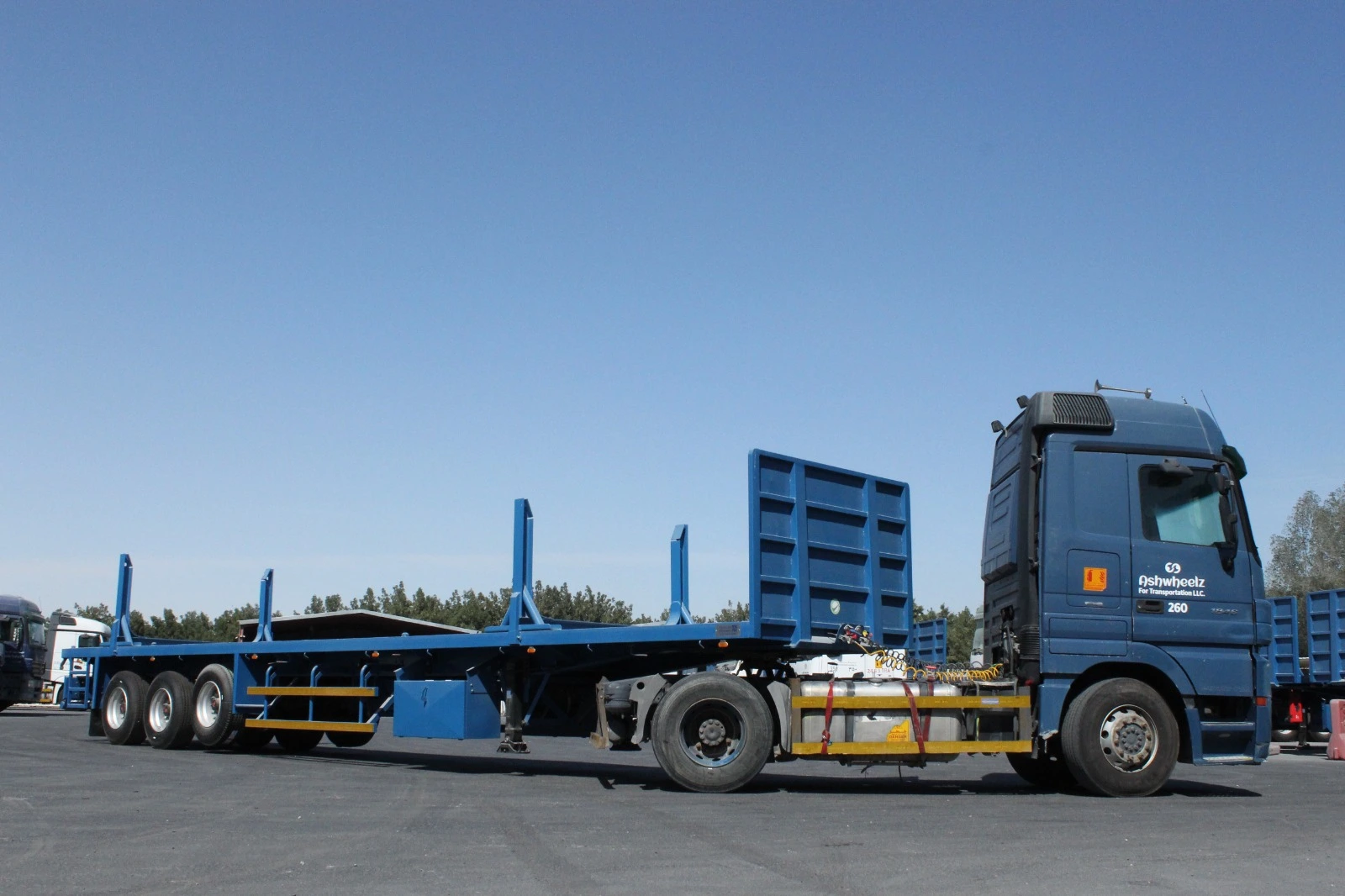
  • FLATBED TRAILER RENTAL IN SAUDI ARABIA:
    Move your heavy and oversized cargo safely with Aramco-Certified Flatbed Trailers from Ashwheelz.
    ✔ Transport Machinery & Industrial Equipment
    ✔ Perfect for Steel, Pipes & Construction Materials
    ✔ Modern Fleet & Expert Logistics Team
    ✔ Nationwide Coverage Across KSA
    ✔ Flexible Short-Term & Long-Term Rentals
    Book Your Flatbed Trailer Today
    https://ashwheelz.com/services/heavy-vehicle-rental/flatbed-trailers/
    Ashwheelz – Reliable Transport & Logistics Solutions
    🚛 FLATBED TRAILER RENTAL IN SAUDI ARABIA: Move your heavy and oversized cargo safely with Aramco-Certified Flatbed Trailers from Ashwheelz. ✔ Transport Machinery & Industrial Equipment ✔ Perfect for Steel, Pipes & Construction Materials ✔ Modern Fleet & Expert Logistics Team ✔ Nationwide Coverage Across KSA ✔ Flexible Short-Term & Long-Term Rentals 📞 Book Your Flatbed Trailer Today 🌐 https://ashwheelz.com/services/heavy-vehicle-rental/flatbed-trailers/ Ashwheelz – Reliable Transport & Logistics Solutions
    Flatbed Trailer Rental KSA | Book Heavy Cargo Transport Now
    ashwheelz.com
    Book flatbed trailer rental in Dammam, Jubail, & Riyadh. Transport oversized & heavy cargo with AshWheelz’s certified fleet & expert drivers.
    0 Commentaires ·0 Parts ·953 Vue ·0 Aperçu
  • Chlorosulphonated Polyethylene Rubber Prices, Trends, News, Index, Chart, Forecast
    Chlorosulphonated Polyethylene (CSM) Rubber is a specialty elastomer widely valued for its excellent resistance to heat, ozone, chemicals, oils, and weathering. These properties make it a preferred material for demanding applications such as automotive seals, roofing membranes, wire and cable insulation, chemical-resistant hoses, and industrial gaskets.

    During the quarter ending September 2025, Chlorosulphonated Polyethylene Rubber prices demonstrated a firm upward bias across major global regions, supported by cost inflation, feedstock tightness, and steady downstream demand. While the magnitude of price movements varied regionally, the overall market sentiment remained constructive.

    This article provides a detailed regional breakdown of Chlorosulphonated Polyethylene Rubber price trends in APAC, Europe, and North America, highlighting key drivers, market dynamics, and future outlook.

    Key Factors Influencing Chlorosulphonated Polyethylene Rubber Prices

    Several structural and short-term factors shaped Chlorosulphonated Polyethylene Rubber prices during Q3 2025:

    Feedstock Cost Volatility: Ethylene-based raw materials and chlorination inputs experienced price pressure due to supply disruptions and higher energy costs.
    Energy and Utility Expenses: Elevated electricity and fuel prices increased production costs, particularly in China and Europe.
    Downstream Demand Strength: Automotive components, construction materials, and industrial rubber goods continued to absorb volumes steadily.
    Supply Constraints: Limited availability from select producers and controlled operating rates tightened regional supply balances.
    Seasonal Construction Demand: Roofing membranes and wire insulation demand peaked during summer months in Europe and North America.
    Get Real time Prices for Chlorosulphonated Polyethylene Rubber: https://www.chemanalyst.com/Pricing-data/chlorosulphonated-polyethylene-rubber-1667
    Chlorosulphonated Polyethylene Rubber Prices, Trends, News, Index, Chart, Forecast Chlorosulphonated Polyethylene (CSM) Rubber is a specialty elastomer widely valued for its excellent resistance to heat, ozone, chemicals, oils, and weathering. These properties make it a preferred material for demanding applications such as automotive seals, roofing membranes, wire and cable insulation, chemical-resistant hoses, and industrial gaskets. During the quarter ending September 2025, Chlorosulphonated Polyethylene Rubber prices demonstrated a firm upward bias across major global regions, supported by cost inflation, feedstock tightness, and steady downstream demand. While the magnitude of price movements varied regionally, the overall market sentiment remained constructive. This article provides a detailed regional breakdown of Chlorosulphonated Polyethylene Rubber price trends in APAC, Europe, and North America, highlighting key drivers, market dynamics, and future outlook. Key Factors Influencing Chlorosulphonated Polyethylene Rubber Prices Several structural and short-term factors shaped Chlorosulphonated Polyethylene Rubber prices during Q3 2025: Feedstock Cost Volatility: Ethylene-based raw materials and chlorination inputs experienced price pressure due to supply disruptions and higher energy costs. Energy and Utility Expenses: Elevated electricity and fuel prices increased production costs, particularly in China and Europe. Downstream Demand Strength: Automotive components, construction materials, and industrial rubber goods continued to absorb volumes steadily. Supply Constraints: Limited availability from select producers and controlled operating rates tightened regional supply balances. Seasonal Construction Demand: Roofing membranes and wire insulation demand peaked during summer months in Europe and North America. Get Real time Prices for Chlorosulphonated Polyethylene Rubber: https://www.chemanalyst.com/Pricing-data/chlorosulphonated-polyethylene-rubber-1667
    www.chemanalyst.com
    In Q3 2025, China, the Chlorosulphonated Polyethylene Price Index rose by 7.47% quarter-over-quarter, driven by cost pressures. Check detailed insights for Europe and North America.
    0 Commentaires ·0 Parts ·4KB Vue ·0 Aperçu
  • Chlorinated Polyethylene Prices, Trends, News, Price, Index, Chart, Demand and Forecast
    Chlorinated Polyethylene is a specialty elastomer derived from polyethylene through chlorination, offering excellent flexibility, impact resistance, and weatherability. It is widely used in automotive components, wire and cable insulation, roofing membranes, construction materials, and as an impact modifier in PVC formulations. Given its close linkage to the PVC value chain and ethylene-chlorine feedstocks, Chlorinated Polyethylene prices are highly sensitive to upstream cost movements, operating rates, and downstream sector health.

    Get Real time Prices for Chlorinated Polyethylene (CPE): https://www.chemanalyst.com/Pricing-data/chlorinated-polyethylene-1687
    Chlorinated Polyethylene Prices, Trends, News, Price, Index, Chart, Demand and Forecast Chlorinated Polyethylene is a specialty elastomer derived from polyethylene through chlorination, offering excellent flexibility, impact resistance, and weatherability. It is widely used in automotive components, wire and cable insulation, roofing membranes, construction materials, and as an impact modifier in PVC formulations. Given its close linkage to the PVC value chain and ethylene-chlorine feedstocks, Chlorinated Polyethylene prices are highly sensitive to upstream cost movements, operating rates, and downstream sector health. Get Real time Prices for Chlorinated Polyethylene (CPE): https://www.chemanalyst.com/Pricing-data/chlorinated-polyethylene-1687
    www.chemanalyst.com
    In Q3 2025, China, Chlorinated Polyethylene Price Index fell by 3.18% quarter-over-quarter, reflecting weak demand and inventories. Check detailed insights for Europe and North America.
    0 Commentaires ·0 Parts ·2KB Vue ·0 Aperçu
  • Phenolic Resin Price Trends and Charts: Global Market Overview
    Phenolic resins are thermosetting polymers widely used in construction materials, automotive components, electrical laminates, insulation, and wood panels. Their pricing is closely linked to upstream feedstocks such as phenol and formaldehyde, as well as downstream demand from construction, automotive, and industrial manufacturing sectors.

    During Q3 2025, global Phenolic Resin Prices reflected a cautiously balanced market environment. While production costs remained largely stable due to subdued crude oil and phenol trends, weak end-user demand in several regions prevented sustained price gains. Buyers continued to prioritize contract-based procurement, avoiding speculative stocking amid uncertain macroeconomic conditions.

    Get Real time Prices for Phenolic Resin: https://www.chemanalyst.com/Pricing-data/phenolic-resin-1129

    Phenolic Resin Price Trends and Charts: Global Market Overview Phenolic resins are thermosetting polymers widely used in construction materials, automotive components, electrical laminates, insulation, and wood panels. Their pricing is closely linked to upstream feedstocks such as phenol and formaldehyde, as well as downstream demand from construction, automotive, and industrial manufacturing sectors. During Q3 2025, global Phenolic Resin Prices reflected a cautiously balanced market environment. While production costs remained largely stable due to subdued crude oil and phenol trends, weak end-user demand in several regions prevented sustained price gains. Buyers continued to prioritize contract-based procurement, avoiding speculative stocking amid uncertain macroeconomic conditions. Get Real time Prices for Phenolic Resin: https://www.chemanalyst.com/Pricing-data/phenolic-resin-1129
    www.chemanalyst.com
    In Q3 2025, North America, the Phenolic Resin Price Index rose by 1.27% quarter-over-quarter, reflecting stable feedstock costs and balanced demand. Check detailed insights for Europe and APAC.
    0 Commentaires ·0 Parts ·2KB Vue ·0 Aperçu
  • Portland Cement Prices, Trends, News, Index, Chart, Demand and Forecast

    Portland Cement remains a critical material in the construction and infrastructure sectors, forming the backbone of concrete production. Its pricing is closely linked to raw material costs, energy prices, industrial production trends, and construction sector activity. Understanding price fluctuations is crucial for manufacturers, contractors, procurement professionals, and investors.

    Q3 2025 saw significant regional variations in Portland Cement prices. While some areas faced downward pressure from weak demand, others experienced cost-driven stability. These trends reflect the complex interplay of global macroeconomic indicators, energy markets, and sector-specific factors influencing Portland Cement production and consumption.

    Global Portland Cement Price Overview

    Globally, Portland Cement prices faced moderate downward pressure in Q3 2025, with regional differences driven by economic activity, energy costs, and construction demand. Key factors influencing global prices included:

    Energy price volatility: Natural gas and thermal coal remain major cost components for cement production.
    Industrial production trends: Sluggish growth in manufacturing limits demand for construction materials.
    Construction activity: Residential and commercial construction contraction in major markets contributed to softer demand.
    Inflationary pressures: Producer Price Index (PPI) and Consumer Price Index (CPI) movements affected production costs and pricing power.
    Despite these factors, the global market showed resilience due to ongoing infrastructure projects in selected regions and the gradual normalization of energy prices.

    Get Real time Prices for Portland Cement: https://www.chemanalyst.com/Pricing-data/portland-cement-2286
    Portland Cement Prices, Trends, News, Index, Chart, Demand and Forecast Portland Cement remains a critical material in the construction and infrastructure sectors, forming the backbone of concrete production. Its pricing is closely linked to raw material costs, energy prices, industrial production trends, and construction sector activity. Understanding price fluctuations is crucial for manufacturers, contractors, procurement professionals, and investors. Q3 2025 saw significant regional variations in Portland Cement prices. While some areas faced downward pressure from weak demand, others experienced cost-driven stability. These trends reflect the complex interplay of global macroeconomic indicators, energy markets, and sector-specific factors influencing Portland Cement production and consumption. Global Portland Cement Price Overview Globally, Portland Cement prices faced moderate downward pressure in Q3 2025, with regional differences driven by economic activity, energy costs, and construction demand. Key factors influencing global prices included: Energy price volatility: Natural gas and thermal coal remain major cost components for cement production. Industrial production trends: Sluggish growth in manufacturing limits demand for construction materials. Construction activity: Residential and commercial construction contraction in major markets contributed to softer demand. Inflationary pressures: Producer Price Index (PPI) and Consumer Price Index (CPI) movements affected production costs and pricing power. Despite these factors, the global market showed resilience due to ongoing infrastructure projects in selected regions and the gradual normalization of energy prices. Get Real time Prices for Portland Cement: https://www.chemanalyst.com/Pricing-data/portland-cement-2286
    www.chemanalyst.com
    In Q3 2025, North America, Portland Cement Price Index fell, driven by weakened construction. Check detailed insights for Europe and APAC.
    0 Commentaires ·0 Parts ·2KB Vue ·0 Aperçu
  • https://rockleytransport.co.uk/efficient-delivery-of-construction-materials-to-city-sites/
    https://rockleytransport.co.uk/efficient-delivery-of-construction-materials-to-city-sites/
    0 Commentaires ·0 Parts ·1KB Vue ·0 Aperçu