• Home Staging Ideas for Barrier-Free Properties

    Discover practical home staging ideas for barrier-free properties that create welcoming, functional, and visually appealing spaces. Highlight accessibility features, spacious layouts, and modern design elements to attract a wider range of buyers, enhance property value, improve first impressions, and showcase comfortable living for people of all ages and abilities.

    Visit https://shinestaging.com/home-staging-ideas-for-barrier-free-properties/
    Home Staging Ideas for Barrier-Free Properties Discover practical home staging ideas for barrier-free properties that create welcoming, functional, and visually appealing spaces. Highlight accessibility features, spacious layouts, and modern design elements to attract a wider range of buyers, enhance property value, improve first impressions, and showcase comfortable living for people of all ages and abilities. Visit https://shinestaging.com/home-staging-ideas-for-barrier-free-properties/
    0 Comentários ·0 Compartilhamentos ·6 Visualizações ·0 Anterior
  • Diabetic Neuropathy: Things you Should Know
    What Is Diabetic Neuropathy? 
    Sustained, untreated high blood sugar levels can damage almost every organ in the body, and the nerves are among the most sensitive. Damage to the nerves, or diabetic neuropathy, starts with the nerves of your lower extremities.
    Symptoms include pins and needles, burning sensation, pain and numbness in the legs and feet, as well as problems with the digestive system, urinary tract, heart, and overall blood circulation.
    What are the types of diabetic neuropathy?
    There are different types of diabetic neuropathy, and each one brings a different set of symptoms and challenges. To further complicate matters, diabetics can suffer from two or more types of diabetic neuropathy.
    1. what is peripheral neuropathy?
    Peripheral Neuropathy is also known as distal symmetric peripheral neuropathy, is the most commonly seen diabetic neuropathy.
    It starts by affecting feet and legs, progressing to hands and arms. Sufferers report symptoms being worse at night.
    2. Diabetic Autonomic Neuropathy
    The body has an involuntary or diabetic autonomic nervous system that is responsible for controlling organs like the heart, bladder, stomach, intestines, reproductive organs, and eyes.
    3. Proximal neuropathy (diabetic polyradiculopathy)
    Proximal Neuropathy also called diabetic amyotrophy, generally affects nerves in the leg—thighs, hips, buttocks, legs. But it can also affect organs in the abdomen and chest cavity.
    4. Diabetic Mononeuropathy (focal neuropathy)
    Diabetic Mononeuropathy Mono means ‘one’ and that’s what this type of neuropathy indicates—damage to a specific nerve.
    Browse full blog-
    https://www.freedomfromdiabetes.org/blog/post/diabetic-neuropathy/2630
    Contact us:-
    Mob : +91-7776077760
    Email-Id : info@freedomfromdiabetes.org
    Also connect with us on our website , Facebook page, and youtube

    Diabetic Neuropathy: Things you Should Know What Is Diabetic Neuropathy?  Sustained, untreated high blood sugar levels can damage almost every organ in the body, and the nerves are among the most sensitive. Damage to the nerves, or diabetic neuropathy, starts with the nerves of your lower extremities. Symptoms include pins and needles, burning sensation, pain and numbness in the legs and feet, as well as problems with the digestive system, urinary tract, heart, and overall blood circulation. What are the types of diabetic neuropathy? There are different types of diabetic neuropathy, and each one brings a different set of symptoms and challenges. To further complicate matters, diabetics can suffer from two or more types of diabetic neuropathy. 1. what is peripheral neuropathy? Peripheral Neuropathy is also known as distal symmetric peripheral neuropathy, is the most commonly seen diabetic neuropathy. It starts by affecting feet and legs, progressing to hands and arms. Sufferers report symptoms being worse at night. 2. Diabetic Autonomic Neuropathy The body has an involuntary or diabetic autonomic nervous system that is responsible for controlling organs like the heart, bladder, stomach, intestines, reproductive organs, and eyes. 3. Proximal neuropathy (diabetic polyradiculopathy) Proximal Neuropathy also called diabetic amyotrophy, generally affects nerves in the leg—thighs, hips, buttocks, legs. But it can also affect organs in the abdomen and chest cavity. 4. Diabetic Mononeuropathy (focal neuropathy) Diabetic Mononeuropathy Mono means ‘one’ and that’s what this type of neuropathy indicates—damage to a specific nerve. Browse full blog- https://www.freedomfromdiabetes.org/blog/post/diabetic-neuropathy/2630 Contact us:- Mob : +91-7776077760 Email-Id : info@freedomfromdiabetes.org Also connect with us on our website , Facebook page, and youtube

    "Diabetic Neuropathy: Key Facts You Should Know" - Freedom from Diabetes
    www.freedomfromdiabetes.org
    Learn about diabetic neuropathy, its symptoms, causes, and treatment options. Understand how to manage and prevent nerve damage caused by diabetes.
    0 Comentários ·0 Compartilhamentos ·10 Visualizações ·0 Anterior
  • Diabetic Retinopathy: All you need to know
    1. Blurry Vision in Diabetics
    High blood sugar reduces blood flow to the small capillaries of the eye, causing swelling and distortion of the eye lens. This results in blurry vision. Before changing your glasses, get your BSL checked.
    2. Eye Cataract
    Eye Cataract are cloudy growths that can be seen on the internal lens of the eye. When cataracts form, they function just like dirty windows, compromising your ability to see clearly through them. When your lens of the eye is cloudy, it is harder for your eye to focus properly. Cataract symptoms include blurring of vision and glare.
    3. Glaucoma
    When high blood sugar starts damaging the small blood vessels of the eye, it causes pressure to build up inside the eye. As a result, the fluid is not drained out properly and it results in nerve damage and further blood vessel damage and begins to affect vision. 
    4. Diabetic Retinopathy
    With high blood sugar comes the danger of damage to the retina. The retina consists of cells located at the back of your eye. These cells use light to perceive objects as images, which it sends to the brain via the optic nerve, in the form of nerve signals.Types of diabetic retinopathy
     
    Other types of diabetic retinopathy:
    Background retinopathy. Here, although there is damage to the blood vessels, your visibility might still be relatively ok, but the damage will get worse if your BSL is not properly managed.
    1. Diabetic Maculopathy
    The macula in the retina is responsible for vision needed for activities like reading, driving, etc. High BSL can cause it to swell. If this happens it can seriously compromise your eyesight. However, this swelling can be reversed unless it has progressed to greater severity. If more serious it may require surgery and is hard to treat properly.
    2. Diabetic Proliferative Retinopathy
     
    When the cells located at the rear of your eye get insufficient oxygen, new blood vessels become fragile. If these bleed they lead to clots that cause scars and pull the retina out of its position at the back of your eye. Should the retina get detached, it will lead to vision loss that cannot be fixed easily.

    Browse full blog-
    https://www.freedomfromdiabetes.org/blog/post/Diabetic%20Retinopathy:%20All%20you%20need%20to%20know%20%7C%20FFD/2631

    Contact us :-
    Mob : +91-7776077760
    Email-Id : info@freedomfromdiabetes.org
    Also connect with us on our website , Facebook page, and youtube
    Diabetic Retinopathy: All you need to know 1. Blurry Vision in Diabetics High blood sugar reduces blood flow to the small capillaries of the eye, causing swelling and distortion of the eye lens. This results in blurry vision. Before changing your glasses, get your BSL checked. 2. Eye Cataract Eye Cataract are cloudy growths that can be seen on the internal lens of the eye. When cataracts form, they function just like dirty windows, compromising your ability to see clearly through them. When your lens of the eye is cloudy, it is harder for your eye to focus properly. Cataract symptoms include blurring of vision and glare. 3. Glaucoma When high blood sugar starts damaging the small blood vessels of the eye, it causes pressure to build up inside the eye. As a result, the fluid is not drained out properly and it results in nerve damage and further blood vessel damage and begins to affect vision.  4. Diabetic Retinopathy With high blood sugar comes the danger of damage to the retina. The retina consists of cells located at the back of your eye. These cells use light to perceive objects as images, which it sends to the brain via the optic nerve, in the form of nerve signals.Types of diabetic retinopathy   Other types of diabetic retinopathy: Background retinopathy. Here, although there is damage to the blood vessels, your visibility might still be relatively ok, but the damage will get worse if your BSL is not properly managed. 1. Diabetic Maculopathy The macula in the retina is responsible for vision needed for activities like reading, driving, etc. High BSL can cause it to swell. If this happens it can seriously compromise your eyesight. However, this swelling can be reversed unless it has progressed to greater severity. If more serious it may require surgery and is hard to treat properly. 2. Diabetic Proliferative Retinopathy   When the cells located at the rear of your eye get insufficient oxygen, new blood vessels become fragile. If these bleed they lead to clots that cause scars and pull the retina out of its position at the back of your eye. Should the retina get detached, it will lead to vision loss that cannot be fixed easily. Browse full blog- https://www.freedomfromdiabetes.org/blog/post/Diabetic%20Retinopathy:%20All%20you%20need%20to%20know%20%7C%20FFD/2631 Contact us :- Mob : +91-7776077760 Email-Id : info@freedomfromdiabetes.org Also connect with us on our website , Facebook page, and youtube

    Understanding Diabetic Retinopathy: Causes, Symptoms, and Treatment - Freedom from Diabetes
    www.freedomfromdiabetes.org
    Learn about Diabetic Retinopathy: causes, symptoms, and treatments to prevent vision loss. Get expert insights and support here.
    0 Comentários ·0 Compartilhamentos ·15 Visualizações ·0 Anterior
  • What is the Link Between Diabetes and Cardiovascular Disease?
    What is heart disease

    Cardiovascular disease includes all disorders connected to the heart, i.e. stroke, blood vessel, and, the most common, coronary artery disease. Coronary artery disease is a result of plaque build-up on the walls of the arteries that supply oxygenated blood to the heart. 
    How high blood sugar affects your heart

    Another effect of high blood sugar is damage to blood vessels and nerves of your heart. This, coupled with the narrowing of arteries, causes high blood pressure. The combination of high BP and diabetes significantly increases the risk of heart disease
    What is the most important risk factor for cardiovascular disease?
    There are several habits that increase the risk of heart disease. Whether or not you’re diabetic, it is a good idea to observe the following Do’s and Dont’s:
    Stop smoking
    Ensure weight is in the normal range
    Avoid high-fat diets
    Don’t over-salt your food
    Moderate or avoid alcohol consumption
    1. Electrocardiogram (ECG)
    Electrocardiogram (ECG). This is a simple painless test that measures the electrical impulse of your heart—since the heartbeat is caused by the electrical impulse, this test tells the doctor if your heart is not beating properly.
    2. Echocardiogram
    Echocardiogram Also known simply as echo, the echocardiogram measures the thickness of your heart muscle and checks the efficiency of your heart’s pumping action.
    3. Stress Test
    Stress Test is the clinician will hook you up with sensors that measure your heart rate (as well as pulse) to determine how efficiently your heart functions when you are physically active.

    Browse full blog-
    https://www.freedomfromdiabetes.org/blog/post/what-is-the-link-between-diabetes-and-cardiovascular-disease/2645
    Contact us :-
    Mob : +91-7776077760
    Email-Id : info@freedomfromdiabetes.org
    Also connect with us on our website , Facebook page, and youtube

    What is the Link Between Diabetes and Cardiovascular Disease? What is heart disease Cardiovascular disease includes all disorders connected to the heart, i.e. stroke, blood vessel, and, the most common, coronary artery disease. Coronary artery disease is a result of plaque build-up on the walls of the arteries that supply oxygenated blood to the heart.  How high blood sugar affects your heart Another effect of high blood sugar is damage to blood vessels and nerves of your heart. This, coupled with the narrowing of arteries, causes high blood pressure. The combination of high BP and diabetes significantly increases the risk of heart disease What is the most important risk factor for cardiovascular disease? There are several habits that increase the risk of heart disease. Whether or not you’re diabetic, it is a good idea to observe the following Do’s and Dont’s: Stop smoking Ensure weight is in the normal range Avoid high-fat diets Don’t over-salt your food Moderate or avoid alcohol consumption 1. Electrocardiogram (ECG) Electrocardiogram (ECG). This is a simple painless test that measures the electrical impulse of your heart—since the heartbeat is caused by the electrical impulse, this test tells the doctor if your heart is not beating properly. 2. Echocardiogram Echocardiogram Also known simply as echo, the echocardiogram measures the thickness of your heart muscle and checks the efficiency of your heart’s pumping action. 3. Stress Test Stress Test is the clinician will hook you up with sensors that measure your heart rate (as well as pulse) to determine how efficiently your heart functions when you are physically active. Browse full blog- https://www.freedomfromdiabetes.org/blog/post/what-is-the-link-between-diabetes-and-cardiovascular-disease/2645 Contact us :- Mob : +91-7776077760 Email-Id : info@freedomfromdiabetes.org Also connect with us on our website , Facebook page, and youtube
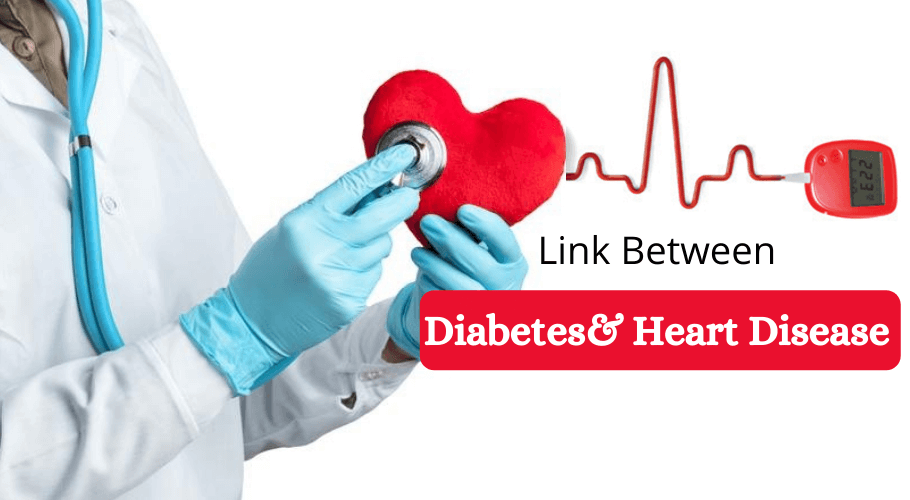
    Unlocking the Connection: Understanding the Link Between Diabetes and Cardiovascular Health - Freedom from Diabetes
    www.freedomfromdiabetes.org
    Explore the intricate relationship between diabetes and cardiovascular disease, uncovering the intertwined factors, risks, and preventive measures in this insightful examination.
    0 Comentários ·0 Compartilhamentos ·14 Visualizações ·0 Anterior
  • Chandan Diagnostic Centre is a trusted pathology lab in Jaipur providing comprehensive diagnostic services for patients of all ages. We offer routine blood tests, urine analysis, thyroid testing, cholesterol screening, diabetes tests, infection screening, allergy testing, and specialized pathology investigations. Benefit from accurate reports, affordable health packages, modern laboratory facilities, and hassle-free home sample collection for a seamless healthcare experience.
    Visit;- https://chandandiagnostic.com/diagnostic-jaipur.php
    Chandan Diagnostic Centre is a trusted pathology lab in Jaipur providing comprehensive diagnostic services for patients of all ages. We offer routine blood tests, urine analysis, thyroid testing, cholesterol screening, diabetes tests, infection screening, allergy testing, and specialized pathology investigations. Benefit from accurate reports, affordable health packages, modern laboratory facilities, and hassle-free home sample collection for a seamless healthcare experience. Visit;- https://chandandiagnostic.com/diagnostic-jaipur.php
    Best Diagnostic Centre in Jaipur | Pathology Lab in Jaipur
    chandandiagnostic.com
    Get accurate and affordable tests at the Best Diagnostic Centre in Jaipur. Trusted Pathology Lab offering quick reports and advanced diagnostic services.
    0 Comentários ·0 Compartilhamentos ·32 Visualizações ·0 Anterior
  • Diabetic nephropathy (Diabetic Kidney Disease): A serious complication of diabetes
    High blood sugar affects almost every organ in your body, but the kidneys are perhaps the most susceptible. The kidney has a delicate filtering system comprising many small blood vessel clusters. The function of these clusters is to filter waste from your body. If blood glucose is not managed, over time, it damages these blood vessels, negatively impacting their functioning and damaging the kidney.
    This in itself is bad; what’s worse is that it increases blood pressure too. High blood pressure, in turn, further increases pressure on the kidneys’ filtering system. If left unchecked, this will surely result in kidney failure. This is a life-threatening condition and dialysis or kidney transplant are the only treatment choices.
    However, this is not inevitable. Through a proper diet-nutrition-stress control routine, even very highly diabetic patients can bring their counts back to normal and save themselves from kidney damage.  Besides reversing diabetes, Freedom from Diabetes has many patients with kidney issues whose creatinine levels got under control and many who saved from going for dialysis.
    Diabetic Nephropathy Symptoms
    Like diabetes itself, kidney disease caused by diabetes—or diabetic nephropathy, to give it its clinical name—is almost asymptomatic. As damage progresses, however, the following signs can be experienced:
    Erratic or hard-to-regulate BP
    Water retention (and swelling) in feet, hands, and around the eyes
    Increased frequency of urination
    Fatigue and lethargy
    Disorientation or difficulty in concentrating
    Shortness of breath
    Appetite loss
    Nausea, puking
    Itching
    If you experience any of the above or are suffering from diabetes, it is recommended that you have regular checks, with tests for kidney function, and consultations with your doctor.
    Complications resulting from diabetic nephropathy
    Over time, sufferers may experience a variety of problems from fluid retention to erectile dysfunction. If any of the below diabetic nephropathy symptoms are seen, it is critical to get immediate medical attention in order to avoid irreversible kidney damage.

    Browse full blog-
    https://www.freedomfromdiabetes.org/blog/post/diabetic-nephropathy/2643
    Contact us :-
    Mob : +91-7776077760
    Email-Id : info@freedomfromdiabetes.org
    Also connect with us on our website , Facebook page, and youtube


    Diabetic nephropathy (Diabetic Kidney Disease): A serious complication of diabetes High blood sugar affects almost every organ in your body, but the kidneys are perhaps the most susceptible. The kidney has a delicate filtering system comprising many small blood vessel clusters. The function of these clusters is to filter waste from your body. If blood glucose is not managed, over time, it damages these blood vessels, negatively impacting their functioning and damaging the kidney. This in itself is bad; what’s worse is that it increases blood pressure too. High blood pressure, in turn, further increases pressure on the kidneys’ filtering system. If left unchecked, this will surely result in kidney failure. This is a life-threatening condition and dialysis or kidney transplant are the only treatment choices. However, this is not inevitable. Through a proper diet-nutrition-stress control routine, even very highly diabetic patients can bring their counts back to normal and save themselves from kidney damage.  Besides reversing diabetes, Freedom from Diabetes has many patients with kidney issues whose creatinine levels got under control and many who saved from going for dialysis. Diabetic Nephropathy Symptoms Like diabetes itself, kidney disease caused by diabetes—or diabetic nephropathy, to give it its clinical name—is almost asymptomatic. As damage progresses, however, the following signs can be experienced: Erratic or hard-to-regulate BP Water retention (and swelling) in feet, hands, and around the eyes Increased frequency of urination Fatigue and lethargy Disorientation or difficulty in concentrating Shortness of breath Appetite loss Nausea, puking Itching If you experience any of the above or are suffering from diabetes, it is recommended that you have regular checks, with tests for kidney function, and consultations with your doctor. Complications resulting from diabetic nephropathy Over time, sufferers may experience a variety of problems from fluid retention to erectile dysfunction. If any of the below diabetic nephropathy symptoms are seen, it is critical to get immediate medical attention in order to avoid irreversible kidney damage. Browse full blog- https://www.freedomfromdiabetes.org/blog/post/diabetic-nephropathy/2643 Contact us :- Mob : +91-7776077760 Email-Id : info@freedomfromdiabetes.org Also connect with us on our website , Facebook page, and youtube
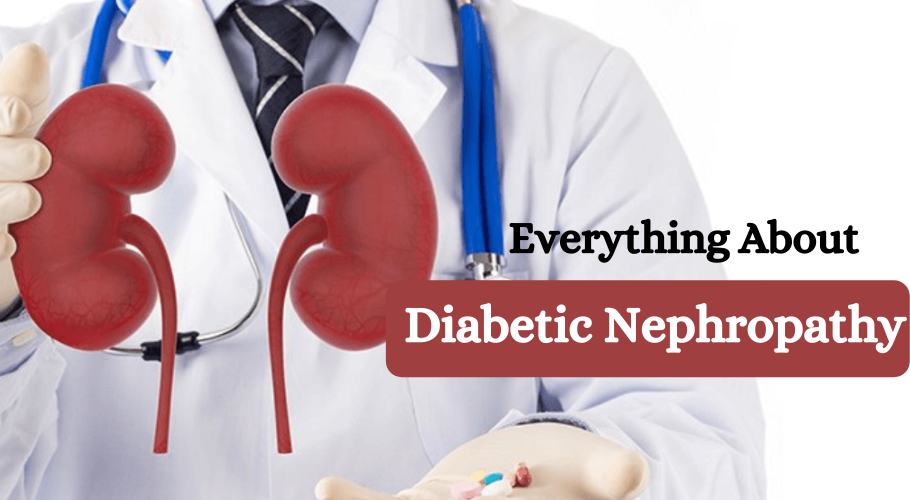
    Understanding Diabetic Nephropathy: Causes, Symptoms, and Management Strategies - Freedom from Diabetes
    www.freedomfromdiabetes.org
    Discover causes, symptoms, and treatments for Diabetic Nephropathy, a serious complication of diabetes affecting kidney function.
    0 Comentários ·0 Compartilhamentos ·41 Visualizações ·0 Anterior
  • Does Diabetes Cause Alzheimer’s?How does diabetes cause Alzheimer's disease?
     
    To understand how diabetes may be linked to Alzheimer’s, it helps to start by understanding both these health problems. Diabetes is basically a condition brought on by insulin insensitivity, I.e. when the body either produces less insulin or is unable to use the insulin produced by the pancreas to move glucose from the bloodstream into the muscle cells where they can be used to create energy. When sugar levels rise in the blood, it begins to damage the blood vessels and nerves, leading to problems in almost every organ.
    Alzheimer’s is a progressive brain disorder that damages memory, the ability to reason, communicate, and carry out everyday activities. It can also lead to personality changes—anxiety, agitation, and delusions, being the common ones.
    Diabetes is also known to be the cause of other health problems, including:
    Cardiac problems
    Stroke
    Eye problems
    Kidney damage
    Diabetic neuropathy—caused by nerve damage—indicated by pain/burning sensations in your feet or hands
    Digestive problems
    Infertility—in both sexes
    Who is most at risk for Alzheimer's?
    Why is age a risk factor for Alzheimer's?
    Older populations are more vulnerable to Alzheimer’s. Industry statistics estimates show that one in eight people over 65 is at risk, while nearly half of all people over 85 already have it to some degree, or are suffering from other dementias.
    Conclusion
    Remember, even small changes can make a difference. So, if you’re suffering from diabetes. Start getting your blood sugar levels in the normal range today. With a proper diet-exercise-stress management routine, you can even completely reverse diabetes. Freedom from Diabetes regularly holds guided programs to help diabetics get free of the condition.
    Browse full blog-
    https://www.freedomfromdiabetes.org/blog/post/does-diabetes-cause-alzheimers/2653
    Contact us :-
    Mob : +91-7776077760
    Email-Id : info@freedomfromdiabetes.org
    Also connect with us on our website , Facebook page, and youtube

    Does Diabetes Cause Alzheimer’s?How does diabetes cause Alzheimer's disease?   To understand how diabetes may be linked to Alzheimer’s, it helps to start by understanding both these health problems. Diabetes is basically a condition brought on by insulin insensitivity, I.e. when the body either produces less insulin or is unable to use the insulin produced by the pancreas to move glucose from the bloodstream into the muscle cells where they can be used to create energy. When sugar levels rise in the blood, it begins to damage the blood vessels and nerves, leading to problems in almost every organ. Alzheimer’s is a progressive brain disorder that damages memory, the ability to reason, communicate, and carry out everyday activities. It can also lead to personality changes—anxiety, agitation, and delusions, being the common ones. Diabetes is also known to be the cause of other health problems, including: Cardiac problems Stroke Eye problems Kidney damage Diabetic neuropathy—caused by nerve damage—indicated by pain/burning sensations in your feet or hands Digestive problems Infertility—in both sexes Who is most at risk for Alzheimer's? Why is age a risk factor for Alzheimer's? Older populations are more vulnerable to Alzheimer’s. Industry statistics estimates show that one in eight people over 65 is at risk, while nearly half of all people over 85 already have it to some degree, or are suffering from other dementias. Conclusion Remember, even small changes can make a difference. So, if you’re suffering from diabetes. Start getting your blood sugar levels in the normal range today. With a proper diet-exercise-stress management routine, you can even completely reverse diabetes. Freedom from Diabetes regularly holds guided programs to help diabetics get free of the condition. Browse full blog- https://www.freedomfromdiabetes.org/blog/post/does-diabetes-cause-alzheimers/2653 Contact us :- Mob : +91-7776077760 Email-Id : info@freedomfromdiabetes.org Also connect with us on our website , Facebook page, and youtube

    Unraveling the Link: Exploring the Relationship Between Diabetes and Alzheimer's Disease - Freedom from Diabetes
    www.freedomfromdiabetes.org
    Explore the intricate link between diabetes and Alzheimer's disease, uncovering potential connections and implications. Learn more now.
    0 Comentários ·0 Compartilhamentos ·45 Visualizações ·0 Anterior
  • Health Benefits of Pears for Diabetes
    Is Pear Good For Diabetes?
    Diet is incomplete without fruits.  Fruits give us freshness, instant energy, and health. Each fruit is unique due to its taste and special properties.
    Today, we are going to talk about pears and how they are useful in diabetes. 
    Pears health benefits
    1. Pears are highly nutritious
    Pears provide essential vitamins and minerals, including vitamin C, vitamin K, potassium
    Pears also contain Calcium, iron, magnesium, riboflavin, vitamin B-6, and Folate in smaller amounts. 
    2.  May promote gut health
    The insoluble and soluble fiber present in pears helps a lot in improving digestion.  These fibers help by softening the stools and in turn help maintain bowel regularity
    3.  Contain beneficial plant compounds
    Plant compounds in pears give them different hues.
    Plant compounds in red pears help in heart health, while green pears help in eye health.
    Pears and Diabetes 
    The fiber content greatly helps in slowing down digestion which in turn helps regulate Blood sugar levels, potentially helping prevent and control diabetes 

    Browse full blog-
    https://www.freedomfromdiabetes.org/blog/post/Pears%20(%E0%A4%A8%E0%A4%BE%E0%A4%B6%E0%A4%AA%E0%A4%BE%E0%A4%A4%E0%A5%80)%20-%20A%20magical%20fruit%20for%20diabetes/1518
    Contact us :-
    Mob : +91-7776077760
    Email-Id : info@freedomfromdiabetes.org
    Also connect with us on our website , Facebook page, and youtube

    Health Benefits of Pears for Diabetes Is Pear Good For Diabetes? Diet is incomplete without fruits.  Fruits give us freshness, instant energy, and health. Each fruit is unique due to its taste and special properties. Today, we are going to talk about pears and how they are useful in diabetes.  Pears health benefits 1. Pears are highly nutritious Pears provide essential vitamins and minerals, including vitamin C, vitamin K, potassium Pears also contain Calcium, iron, magnesium, riboflavin, vitamin B-6, and Folate in smaller amounts.  2.  May promote gut health The insoluble and soluble fiber present in pears helps a lot in improving digestion.  These fibers help by softening the stools and in turn help maintain bowel regularity 3.  Contain beneficial plant compounds Plant compounds in pears give them different hues. Plant compounds in red pears help in heart health, while green pears help in eye health. Pears and Diabetes  The fiber content greatly helps in slowing down digestion which in turn helps regulate Blood sugar levels, potentially helping prevent and control diabetes  Browse full blog- https://www.freedomfromdiabetes.org/blog/post/Pears%20(%E0%A4%A8%E0%A4%BE%E0%A4%B6%E0%A4%AA%E0%A4%BE%E0%A4%A4%E0%A5%80)%20-%20A%20magical%20fruit%20for%20diabetes/1518 Contact us :- Mob : +91-7776077760 Email-Id : info@freedomfromdiabetes.org Also connect with us on our website , Facebook page, and youtube

    Pears Benefits for Diabetes - Freedom from Diabetes
    www.freedomfromdiabetes.org
    What are the health benefits of pears, including key vitamins and minerals. Learn are pears good for diabetics and how they fit into a diabetes-friendly diet.
    0 Comentários ·0 Compartilhamentos ·35 Visualizações ·0 Anterior
  • Chandan Diagnostic Centre is a trusted pathology lab in Varanasi providing comprehensive diagnostic services, including routine blood tests, urine analysis, thyroid testing, cholesterol screening, diabetes tests, infection screening, allergy testing, and specialized pathology investigations. We are committed to delivering accurate reports, quick turnaround time, affordable health packages, and hassle-free home sample collection for your convenience.
    Visit;- https://chandandiagnostic.com/diagnostic-varanasi.php
    Chandan Diagnostic Centre is a trusted pathology lab in Varanasi providing comprehensive diagnostic services, including routine blood tests, urine analysis, thyroid testing, cholesterol screening, diabetes tests, infection screening, allergy testing, and specialized pathology investigations. We are committed to delivering accurate reports, quick turnaround time, affordable health packages, and hassle-free home sample collection for your convenience. Visit;- https://chandandiagnostic.com/diagnostic-varanasi.php
    Best Diagnostic Centre in Varanasi | Pathology Lab in Varanasi
    chandandiagnostic.com
    Get accurate and reliable test results at the Best Diagnostic Centre in Varanasi. Trusted Pathology Lab in Varanasi offering advanced diagnostics.
    0 Comentários ·0 Compartilhamentos ·35 Visualizações ·0 Anterior
  • Is Guava Good for Diabetes?
    Guava for Diabetes
    Did you ever think about how things got discovered?
    How do they progress to the state where they are?

    History has always been exciting. Food history is even more exciting. One always wonders how mankind discovered grains, herbs, fruits, developed recipes, came to know their nutritional qualities, usage, etc.
    How would have guava been discovered?
    Guava whose scientific name is Psidium guajava originated from part of Central America, Mexico, the Caribbean region, and Northern South America. According to the archaeological record in Peru about the evidence of guava cultivation, it was shown that its cultivation started as early as 2500 BC.
    Guava Nutrition 
    The Glycaemic Index of Guava is 12-24 which puts it in the low GI category and The glycaemic load is 1.3-5 which puts it again in a very low GL category. Both the above numbers are good for diabetic patients.
    But how much guava can a diabetic have?
    Diabetics can have one medium-size amrud. All the above information puts into the "must-have category" for diabetics. So if you have Diabetes - go for it!
    You want to know, is Okra good for diabetes or not? visit this article.
    Did you find the above information interesting? If you liked the blog, do share it on your social pages. Also, you can visit our Instagram account to learn more about Diabetes management, Tips for Diabetes Control, and Diabetes reversal. Be updated and Be healthy!
    Browse full blog-
    https://www.freedomfromdiabetes.org/blog/post/diabetes-go-for-guava-fruit/1444

    Contact us :-
    Mob : +91-7776077760
    Email-Id : info@freedomfromdiabetes.org
    Also connect with us on our website , Facebook page, and youtube

    Is Guava Good for Diabetes? Guava for Diabetes Did you ever think about how things got discovered? How do they progress to the state where they are? History has always been exciting. Food history is even more exciting. One always wonders how mankind discovered grains, herbs, fruits, developed recipes, came to know their nutritional qualities, usage, etc. How would have guava been discovered? Guava whose scientific name is Psidium guajava originated from part of Central America, Mexico, the Caribbean region, and Northern South America. According to the archaeological record in Peru about the evidence of guava cultivation, it was shown that its cultivation started as early as 2500 BC. Guava Nutrition  The Glycaemic Index of Guava is 12-24 which puts it in the low GI category and The glycaemic load is 1.3-5 which puts it again in a very low GL category. Both the above numbers are good for diabetic patients. But how much guava can a diabetic have? Diabetics can have one medium-size amrud. All the above information puts into the "must-have category" for diabetics. So if you have Diabetes - go for it! You want to know, is Okra good for diabetes or not? visit this article. Did you find the above information interesting? If you liked the blog, do share it on your social pages. Also, you can visit our Instagram account to learn more about Diabetes management, Tips for Diabetes Control, and Diabetes reversal. Be updated and Be healthy! Browse full blog- https://www.freedomfromdiabetes.org/blog/post/diabetes-go-for-guava-fruit/1444 Contact us :- Mob : +91-7776077760 Email-Id : info@freedomfromdiabetes.org Also connect with us on our website , Facebook page, and youtube
    Is guava safe for diabetics? - Freedom from Diabetes
    www.freedomfromdiabetes.org
    Lets understand is Guava good for diabetes or not? Guava has lots of vitamins A, B, C, and potassium. Guava help to control blood sugar and insulin levels, which is important for diabetics.
    0 Comentários ·0 Compartilhamentos ·30 Visualizações ·0 Anterior
  • Can Diabetics have Apple a Day?
    An apple a day keeps doctors away...
    Ever since mankind was born, the apple has been symbolized for a variety of meanings and incorporated in various contexts like love, wisdom, joy, knowledge, death, and/or luxury. Just an apple icon is enough to represent something about food and health. Apple brand in gadgets also means supremacy.
    Apple nutrition facts per 100 gram 
    Calories                              52.0
    Total fat                              0.2 g                      
    Saturated fat                       0 g                         
    Cholesterol                          0 g                         
    Sodium                               1.0 mg                     
    Potassium                           107 mg                   
    Total carbohydrate               14 g                       
    Dietary fiber                        2.4 g                      
    Sugar                                 10 g
    Protein                                0.3 g                      
    Vitamin C                            7%
    Calcium                               0%
    Iron                                     0%
    Vitamin D                             0%
    Cobalamin                            0%
    Magnesium                           1% 

    Browse full blog-
    https://www.freedomfromdiabetes.org/blog/post/can-diabetics-have-apple-a-day/357
    Contact us :-
    Mob : +91-7776077760
    Email-Id : info@freedomfromdiabetes.org
    Also connect with us on our website , Facebook page, and youtube
    Can Diabetics have Apple a Day? An apple a day keeps doctors away... Ever since mankind was born, the apple has been symbolized for a variety of meanings and incorporated in various contexts like love, wisdom, joy, knowledge, death, and/or luxury. Just an apple icon is enough to represent something about food and health. Apple brand in gadgets also means supremacy. Apple nutrition facts per 100 gram  Calories                              52.0 Total fat                              0.2 g                       Saturated fat                       0 g                          Cholesterol                          0 g                          Sodium                               1.0 mg                      Potassium                           107 mg                    Total carbohydrate               14 g                        Dietary fiber                        2.4 g                       Sugar                                 10 g Protein                                0.3 g                       Vitamin C                            7% Calcium                               0% Iron                                     0% Vitamin D                             0% Cobalamin                            0% Magnesium                           1%  Browse full blog- https://www.freedomfromdiabetes.org/blog/post/can-diabetics-have-apple-a-day/357 Contact us :- Mob : +91-7776077760 Email-Id : info@freedomfromdiabetes.org Also connect with us on our website , Facebook page, and youtube
    Can Diabetics Enjoy an Apple a Day? Exploring Health Benefits and Blood Sugar Impact - Freedom from Diabetes
    www.freedomfromdiabetes.org
    Discover if diabetics can safely enjoy an apple a day. Learn about its benefits, impact on blood sugar, and tips for healthy eating with diabetes.
    0 Comentários ·0 Compartilhamentos ·23 Visualizações ·0 Anterior
  • Experience Stress-Free Travel with LAXAirportTerminal

    Every successful trip begins with knowing your airport details before you arrive. LAXAirportTerminal offers comprehensive information about airline terminals, airport maps, baggage claim areas, check-in procedures, parking facilities, transportation options, dining locations, lounges, and passenger services at Los Angeles International Airport. Whether you're a first-time visitor or a frequent flyer, the platform helps you navigate the airport with confidence and efficiency. Accurate terminal information minimizes confusion, reduces waiting time, and makes your travel experience more enjoyable. Prepare for your next flight with confidence by using LAXAirportTerminal as your trusted resource for everything related to navigating one of the busiest airports in the world.
    Experience Stress-Free Travel with LAXAirportTerminal Every successful trip begins with knowing your airport details before you arrive. LAXAirportTerminal offers comprehensive information about airline terminals, airport maps, baggage claim areas, check-in procedures, parking facilities, transportation options, dining locations, lounges, and passenger services at Los Angeles International Airport. Whether you're a first-time visitor or a frequent flyer, the platform helps you navigate the airport with confidence and efficiency. Accurate terminal information minimizes confusion, reduces waiting time, and makes your travel experience more enjoyable. Prepare for your next flight with confidence by using LAXAirportTerminal as your trusted resource for everything related to navigating one of the busiest airports in the world.
    LAXAirportTerminal | Guide to Los Angeles International Airport
    laxairportterminal.com
    Your trusted source for LAX terminal information, airline locations, airport maps, parking options, transportation details, flight resources, and more.
    0 Comentários ·0 Compartilhamentos ·54 Visualizações ·0 Anterior
Páginas Impulsionadas