


Glass Fiber Reinforced Concrete: Where Strength Meets Modern Design
Modern construction is no longer just about building strong structures. Architects and engineers are also looking for materials that offer flexibility, durability, and visual appeal. This is where Glass Fiber Reinforced Concrete (GFRC) is making a significant impact.
GFRC is a specialized concrete made using cement, fine aggregates, polymers, water, and alkali-resistant glass fibers. These fibers improve tensile strength, reduce cracking, and enhance the overall performance of the material. Unlike traditional concrete, GFRC is lighter while maintaining impressive durability.
One of the biggest advantages of GFRC is its high strength-to-weight ratio. Because it is much lighter than conventional concrete panels, it reduces structural load and makes transportation and installation easier. This makes it a popular choice for modern architectural projects.
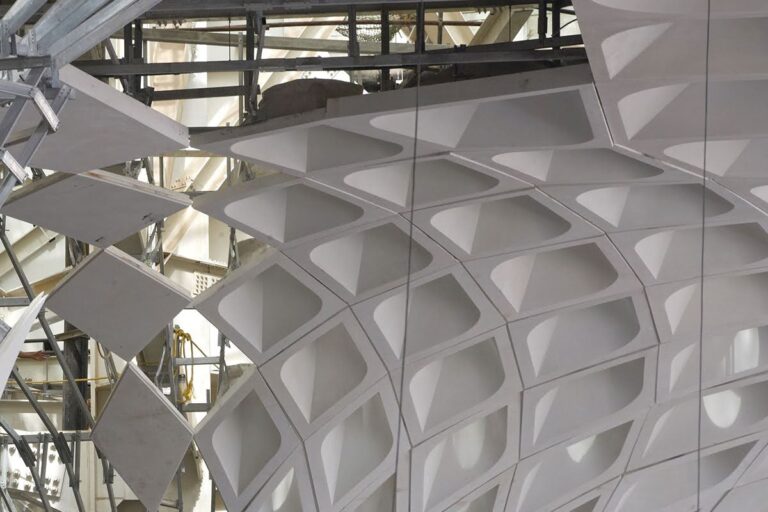
Another reason for GFRC's growing popularity is its design flexibility. Architects can create complex shapes, decorative facades, textured wall panels, sculptures, and intricate design elements that would be difficult to achieve with conventional concrete. GFRC can be molded into detailed forms while maintaining structural integrity.
Key Benefits of GFRC
✔ Lightweight Construction
✔ Enhanced Crack Resistance
✔ Superior Durability
✔ Fire and Weather Resistance
✔ Design Flexibility
✔ Sustainable Building Solution
✔ Reduced Structural Load
These advantages make GFRC suitable for both interior and exterior applications. It is widely used in building facades, decorative cladding, wall panels, urban furniture, fountains, sculptures, and modern infrastructure projects.
Sustainability is another major factor driving the adoption of Glass Fiber Reinforced Concrete. GFRC generally requires less material than traditional precast concrete and can contribute to energy-efficient building designs through improved insulation and reduced transportation requirements due to its lighter weight.
As cities continue to demand innovative and visually striking structures, materials like GFRC are becoming increasingly important. The combination of aesthetics, strength, and sustainability makes it one of the most versatile construction materials available today.
Companies such as Aparna RMC are advancing this technology through solutions like GlassCrete, helping architects and builders create modern structures that combine beauty with long-term performance.
Read More:
Glass Fiber Reinforced Concrete:
https://www.aparnarmc.com/glass-fiber-reinforced-concrete-a-perfect-blend-of-aesthetics-and-strength/
Hashtags
#GlassFiberReinforcedConcrete #GFRC #GlassCrete #ConcreteTechnology #ConstructionIndustry #CivilEngineering #ModernArchitecture #BuildingMaterials #SustainableConstruction #ArchitecturalDesign #ConstructionInnovation #InfrastructureDevelopment #FacadeDesign #SmartConstruction #AparnaRMC
Modern construction is no longer just about building strong structures. Architects and engineers are also looking for materials that offer flexibility, durability, and visual appeal. This is where Glass Fiber Reinforced Concrete (GFRC) is making a significant impact.
GFRC is a specialized concrete made using cement, fine aggregates, polymers, water, and alkali-resistant glass fibers. These fibers improve tensile strength, reduce cracking, and enhance the overall performance of the material. Unlike traditional concrete, GFRC is lighter while maintaining impressive durability.
One of the biggest advantages of GFRC is its high strength-to-weight ratio. Because it is much lighter than conventional concrete panels, it reduces structural load and makes transportation and installation easier. This makes it a popular choice for modern architectural projects.
Another reason for GFRC's growing popularity is its design flexibility. Architects can create complex shapes, decorative facades, textured wall panels, sculptures, and intricate design elements that would be difficult to achieve with conventional concrete. GFRC can be molded into detailed forms while maintaining structural integrity.
Key Benefits of GFRC
✔ Lightweight Construction
✔ Enhanced Crack Resistance
✔ Superior Durability
✔ Fire and Weather Resistance
✔ Design Flexibility
✔ Sustainable Building Solution
✔ Reduced Structural Load
These advantages make GFRC suitable for both interior and exterior applications. It is widely used in building facades, decorative cladding, wall panels, urban furniture, fountains, sculptures, and modern infrastructure projects.
Sustainability is another major factor driving the adoption of Glass Fiber Reinforced Concrete. GFRC generally requires less material than traditional precast concrete and can contribute to energy-efficient building designs through improved insulation and reduced transportation requirements due to its lighter weight.
As cities continue to demand innovative and visually striking structures, materials like GFRC are becoming increasingly important. The combination of aesthetics, strength, and sustainability makes it one of the most versatile construction materials available today.
Companies such as Aparna RMC are advancing this technology through solutions like GlassCrete, helping architects and builders create modern structures that combine beauty with long-term performance.
Read More:
Glass Fiber Reinforced Concrete:
https://www.aparnarmc.com/glass-fiber-reinforced-concrete-a-perfect-blend-of-aesthetics-and-strength/
Hashtags
#GlassFiberReinforcedConcrete #GFRC #GlassCrete #ConcreteTechnology #ConstructionIndustry #CivilEngineering #ModernArchitecture #BuildingMaterials #SustainableConstruction #ArchitecturalDesign #ConstructionInnovation #InfrastructureDevelopment #FacadeDesign #SmartConstruction #AparnaRMC
Glass Fiber Reinforced Concrete: Where Strength Meets Modern Design
Modern construction is no longer just about building strong structures. Architects and engineers are also looking for materials that offer flexibility, durability, and visual appeal. This is where Glass Fiber Reinforced Concrete (GFRC) is making a significant impact.
GFRC is a specialized concrete made using cement, fine aggregates, polymers, water, and alkali-resistant glass fibers. These fibers improve tensile strength, reduce cracking, and enhance the overall performance of the material. Unlike traditional concrete, GFRC is lighter while maintaining impressive durability.
One of the biggest advantages of GFRC is its high strength-to-weight ratio. Because it is much lighter than conventional concrete panels, it reduces structural load and makes transportation and installation easier. This makes it a popular choice for modern architectural projects.
Another reason for GFRC's growing popularity is its design flexibility. Architects can create complex shapes, decorative facades, textured wall panels, sculptures, and intricate design elements that would be difficult to achieve with conventional concrete. GFRC can be molded into detailed forms while maintaining structural integrity.
Key Benefits of GFRC
✔ Lightweight Construction
✔ Enhanced Crack Resistance
✔ Superior Durability
✔ Fire and Weather Resistance
✔ Design Flexibility
✔ Sustainable Building Solution
✔ Reduced Structural Load
These advantages make GFRC suitable for both interior and exterior applications. It is widely used in building facades, decorative cladding, wall panels, urban furniture, fountains, sculptures, and modern infrastructure projects.
Sustainability is another major factor driving the adoption of Glass Fiber Reinforced Concrete. GFRC generally requires less material than traditional precast concrete and can contribute to energy-efficient building designs through improved insulation and reduced transportation requirements due to its lighter weight.
As cities continue to demand innovative and visually striking structures, materials like GFRC are becoming increasingly important. The combination of aesthetics, strength, and sustainability makes it one of the most versatile construction materials available today.
Companies such as Aparna RMC are advancing this technology through solutions like GlassCrete, helping architects and builders create modern structures that combine beauty with long-term performance.
Read More:
Glass Fiber Reinforced Concrete:
https://www.aparnarmc.com/glass-fiber-reinforced-concrete-a-perfect-blend-of-aesthetics-and-strength/
Hashtags
#GlassFiberReinforcedConcrete #GFRC #GlassCrete #ConcreteTechnology #ConstructionIndustry #CivilEngineering #ModernArchitecture #BuildingMaterials #SustainableConstruction #ArchitecturalDesign #ConstructionInnovation #InfrastructureDevelopment #FacadeDesign #SmartConstruction #AparnaRMC
0 Reacties
·0 aandelen
·318 Views
·0 voorbeeld